What Is Gilded Wood? Water vs Oil Gilding, Gold Leaf and Care
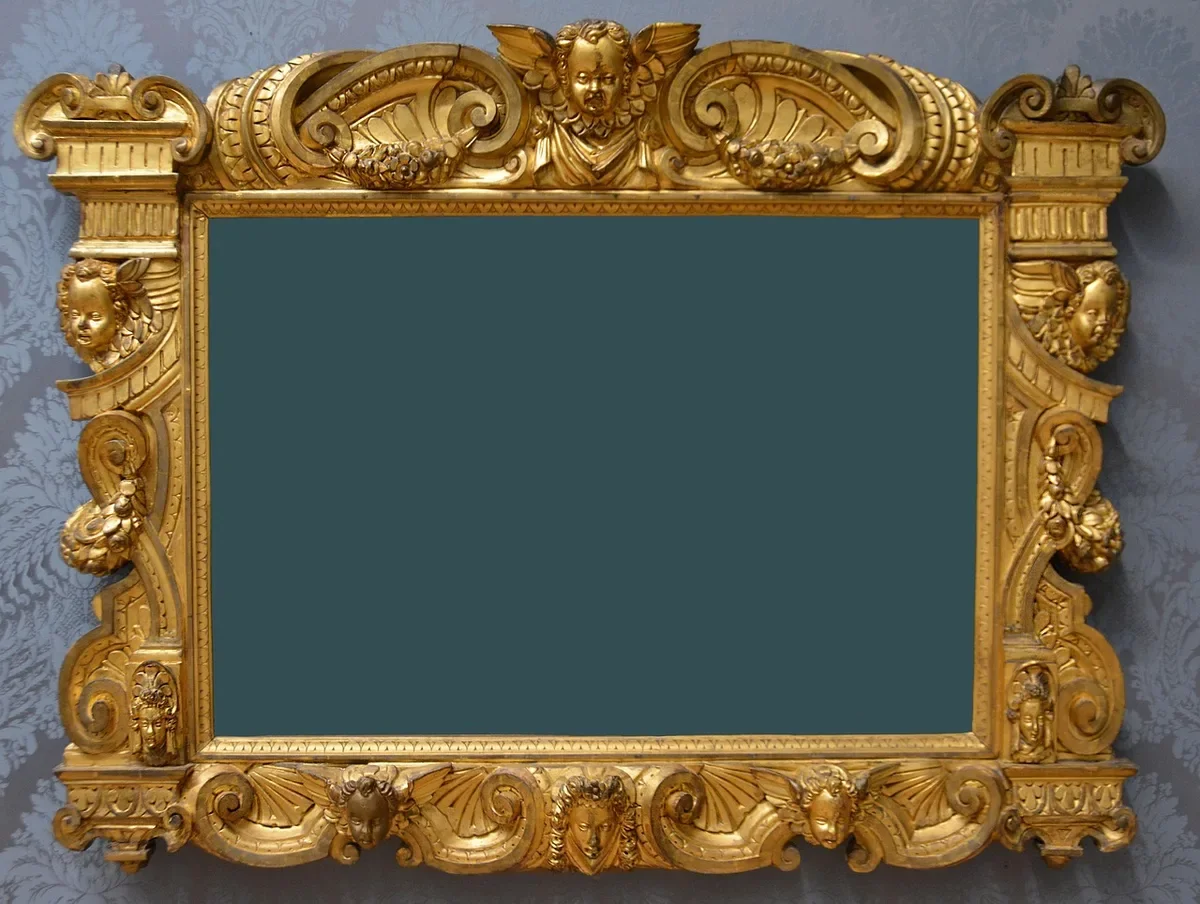
Gilded wood is wood decorated with an extremely thin metal skin, usually real gold leaf, laid over a prepared surface. It is not gold paint, and it is not solid gold: traditional gold leaf is only about 1/250,000th of an inch thick and turns translucent when held to the light. What you see on a carved picture frame, a mirror surround or an altar figure is a fragile film sitting on top of a carefully built foundation, and that foundation decides how the piece looks, how it wears and how you can safely clean it.
This page explains what gilded wood is made of, the two traditional ways of gilding it, how imitation leaf and gold paint differ, and how to work out which finish you are looking at before you clean or buy anything. If you want the hands-on procedure, our step-by-step guide to applying gold leaf to wood covers it.
What Gilded Wood Is Made Of
Best Gilder’s Tip Brush Pick
 |
Custom Shop Gilders Tip Brush for Loose Gold Leaf: $17.99 Loose gold leaf is far too fragile to touch with fingers, and a gilder’s tip is the flat brush used to lift and lay it, so it is the first tool to own if you want to try gilding a small wooden piece.
|
Every gilded surface is a sandwich. The wood (often a carved or moulded frame) is the core. On top of it goes a sealed or built-up ground, then a sticky layer called size, and finally the leaf. The wood carries the shape, the ground makes the surface smooth enough to shine, the size holds the leaf, and the leaf is the only part that is actually metal.
Two things about that structure surprise most people. First, real gold leaf is available in a range of purities, from 12 to 24 carat, and pure gold does not corrode, which is why old gilding can still glow after centuries. Second, gilding is a skilled craft precisely because the leaf is so thin: it cannot hide a bad surface, so every dent, brush mark or dust speck in the ground shows through.
Water Gilding vs Oil Gilding
Conservators and gilding suppliers describe two traditional systems, and almost every antique gilded frame or piece of furniture is one or the other.
Water gilding
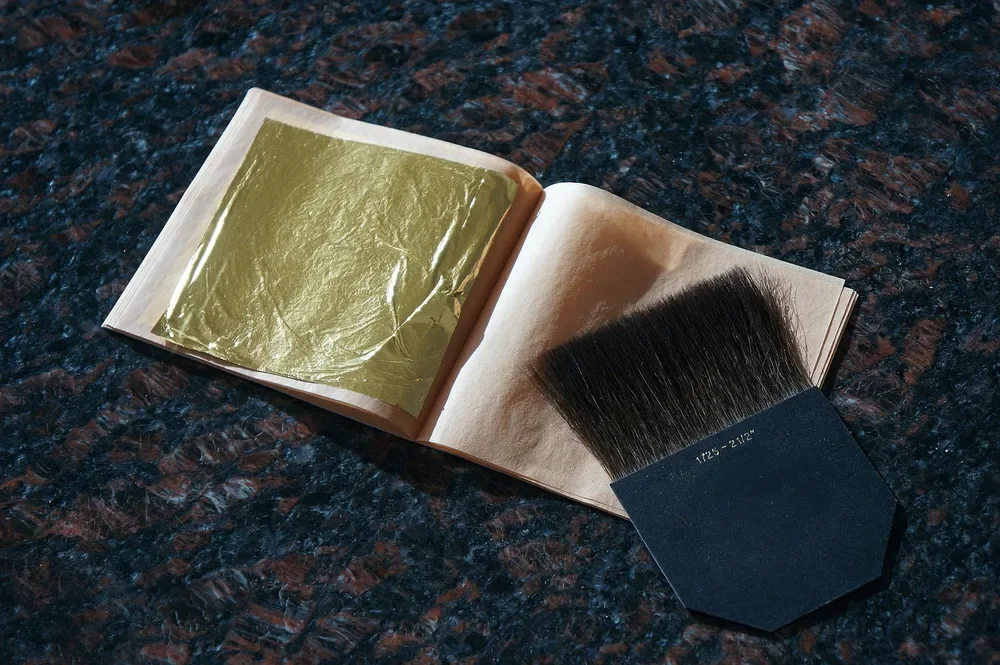
Water gilding is the classic method for frames, furniture and interior objects. The gilder first builds up gesso, a smooth white ground, in roughly 6 to 12 coats, then adds about 4 to 8 coats of bole, a refined clay that comes in several colours. To gild, the surface is wetted with water and the leaf is laid on immediately while the water soaks into the ground. Once it is dry, the bright areas can be burnished with a polished agate stone set in a wooden handle, which compresses the leaf into a mirror-like shine. Water gilding is the only method that allows this kind of burnishing, and it is generally used indoors.
Oil gilding
Oil gilding is the more forgiving system. The surface is sealed, then a size, traditionally based on linseed oil, is brushed on. The gilder waits until the size is touch dry but still tacky enough to grab the leaf, then lays the leaf. Because there is no soft gesso and bole underneath, oil gilding cannot be burnished to the same brilliance, but it copes with a wider range of surfaces and is the technique used for signs, exterior work and architectural gilding.
| Feature | Water gilding | Oil gilding |
|---|---|---|
| Foundation | 6-12 coats of gesso plus 4-8 coats of bole | Sealed surface plus a tacky oil-based size |
| Finish | Can be burnished to a mirror-like shine, or left matte | Softer, not burnishable to the same brilliance |
| Typical use | Interior frames, furniture, carvings | Signs, exterior and architectural work |
| Weak point | Water dissolves the size in seconds | Solvents can attack the size and lift the gold |
| Skill level | Demanding: many thin coats and precise timing | More forgiving, faster to complete |
Real Gold Leaf, Imitation Leaf and Gold Paint
Not everything that looks golden is gilded in the traditional sense. The metal used matters for cost and for how the piece ages.
- Real gold leaf: the metal does not tarnish, so a piece that has lost its shine usually needs cleaning or repair rather than replacement leaf.
- Dutch metal: an alloy of copper and zinc sold as an inexpensive substitute. A sealing coat is usually added because base-metal leaf is prone to tarnishing (a general characteristic of copper alloys).
- Silver leaf: is always varnished to stop it tarnishing, and modern gilders often use palladium or other non-tarnishing alternatives instead.
- Gold paint and gilding wax: a metallic pigment suspended in a binder. It is quick and cheap, but it sits as a paint film, not a burnishable metal skin, so it lacks the depth and glow of leaf.
This is where the common assumption that any gold-coloured wood is “gilded” breaks down. Strictly, gilded means a real metal leaf has been applied. A gold-painted frame is a painted frame, and that difference shows up in price when you buy or sell.
How to Tell What Finish You Have
Before you clean or repair an old gilded piece, work out which system was used, because the wrong cleaner can strip it. Nothing here is a lab test, so treat these as clues rather than proof, and ask a paintings or furniture conservator about anything valuable.
| What you see | What it suggests | What to avoid |
|---|---|---|
| Mirror-bright areas beside softer matte areas | Water gilding with selective burnishing | Water, damp cloths and steam |
| Uniform, softer sheen with no burnished highlights | Possibly oil gilding, or paint | Solvents and strong cleaners |
| Coloured clay layer showing in worn spots | Likely bole under water gilding | Rubbing worn edges |
| Greenish or dark spotting on the gold | Possibly base-metal or silver leaf that has tarnished | Abrasives, which remove the leaf |
The care rules follow directly from the chemistry. In water gilding, water dissolves the size in seconds rather than minutes, so a damp cloth can lift leaf off the surface. In oil gilding, solvents can dissolve the protective lacquer and even remove the gold. That is the myth worth correcting: there is no single safe cleaner for all gilded wood.
Where You See Gilded Wood
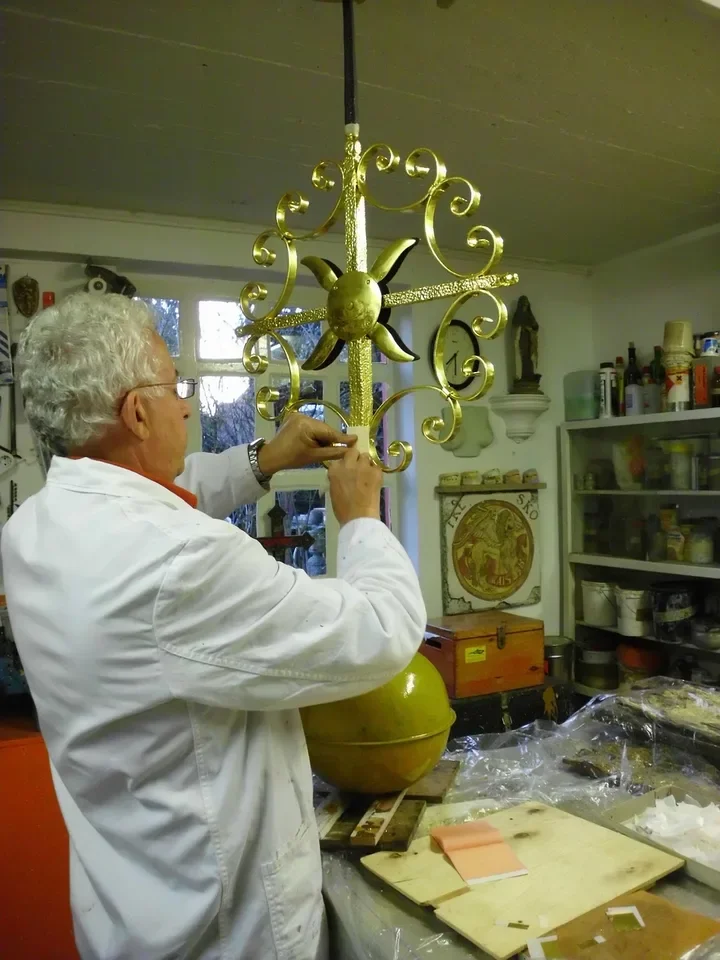
Gilding on wood turns up in more places than most people notice: carved and moulded picture frames, mirror surrounds, console tables and chair legs, religious carvings and altarpieces, theatre and palace interiors, and the lettering on signs. Water gilding tends to appear on interior furniture and frames, while oil gilding is what you find on outdoor signage and architecture. Gilding is also not limited to wood, as gilders equally work metal fixtures and stone.
Caring for Gilded Wood
Gilded surfaces are mostly damaged by handling and by moisture swings, not by age alone. A few habits go a long way:
- Dust with a soft, dry brush or a clean microfibre cloth, using light strokes and avoiding the raised carved edges where leaf is thinnest.
- Keep the piece away from radiators, direct sun and damp walls. Wood movement is what cracks gesso and flakes leaf.
- Do not wipe with a damp cloth unless you know it is oil gilded, and even then test a hidden corner first.
- Never use household polish or abrasive pads. If leaf is lifting, stop and consult a conservator instead of gluing it down yourself.
The same cautious approach applies to any antique surface, as covered in our guide to caring for antique wood furniture without damaging it. For choosing a protective finish on non-gilded wood in the same room, see our wood finishing guide.
Further reading from a conservation source: Gilding by Kevin Howell on Building Conservation explains the water and oil methods in more detail.
Frequently Asked Questions
What is gilded wood?
Gilded wood is wood covered with a very thin layer of real or imitation metal leaf, usually gold, laid over a prepared ground and size. It is different from wood that has simply been painted gold.
Is gilded wood real gold?
It can be. Real gold leaf is available from 12 to 24 carat and is only about 1/250,000th of an inch thick, so the gold content of a gilded frame is tiny. Cheaper pieces use imitation leaf such as Dutch metal, a copper and zinc alloy, or gold paint.
What is the difference between water gilding and oil gilding?
Water gilding uses many coats of gesso and bole and can be burnished to a mirror-like shine, mostly for interior frames and furniture. Oil gilding uses a tacky oil-based size, cannot be burnished the same way, and is used for signs and exterior work.
How do you clean gilded wood?
Start with gentle dry dusting only. Water can dissolve the size in water gilding and solvents can damage oil gilding, so identify the finish first, test a hidden spot, and hand valuable pieces to a conservator.
Conclusion
Gilded wood is a wooden object dressed in a metal film a fraction of a micron thick, and the quality of the result depends on the ground and the size underneath as much as on the gold. Knowing whether a piece is water gilded, oil gilded, imitation leaf or just gold paint tells you what it is worth, how to clean it and how to repair it. When in doubt, dust gently and leave anything wet or solvent-based alone.
Sponsored / affiliate links. As an Amazon Associate I earn from qualifying purchases. I may earn additional commission from eligible campaigns.