How Long Does Varnish Take to Dry? By Type
Varnish typically takes about 1 to 2 hours to dry to the touch. Full curing can take anywhere from 24 hours to several days, depending on conditions.
Varnishing adds a protective layer to wood surfaces, enhancing both durability and appearance. Knowing how long varnish takes to dry is crucial for achieving the best results. Factors like humidity, temperature, and the type of varnish affect drying times. Oil-based varnishes generally take longer to dry than water-based options.
Proper ventilation can speed up the drying process, allowing you to complete your project more efficiently. Whether you’re refinishing furniture or applying a new coat, understanding drying times helps prevent smudges and uneven finishes. Invest time in preparation to ensure your varnish application is successful and long-lasting.
The Basics Of Varnish
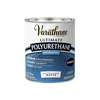
Varathane Water-Based Fast Dry Polyurethane
Dries to the touch in about 2 hours and can be recoated the same day, cutting the total project time versus an oil-based varnish.
- Best for: indoor furniture and projects where you need to recoat same-day
- Why we picked it: crystal-clear formula won’t amber like oil-based varnish over time
- Main drawback: less heat/chemical resistance than a true oil-based spar varnish


As an Amazon Associate we earn from qualifying purchases.
Varnish is a clear finish that protects wood. It enhances the natural beauty of the material. Different types of varnish exist for various projects.
Here are some common types:
| Type | Key Properties |
|---|---|
| Oil-based Varnish | Durable, yellow over time, takes longer to dry. |
| Water-based Varnish | Quick drying, low odor, clear finish. |
| Polyurethane Varnish | Strong, resistant to chemicals, great for high-traffic areas. |
| Shellac Varnish | Natural, quick drying, not very durable. |
Choosing the right type affects drying time and final appearance.
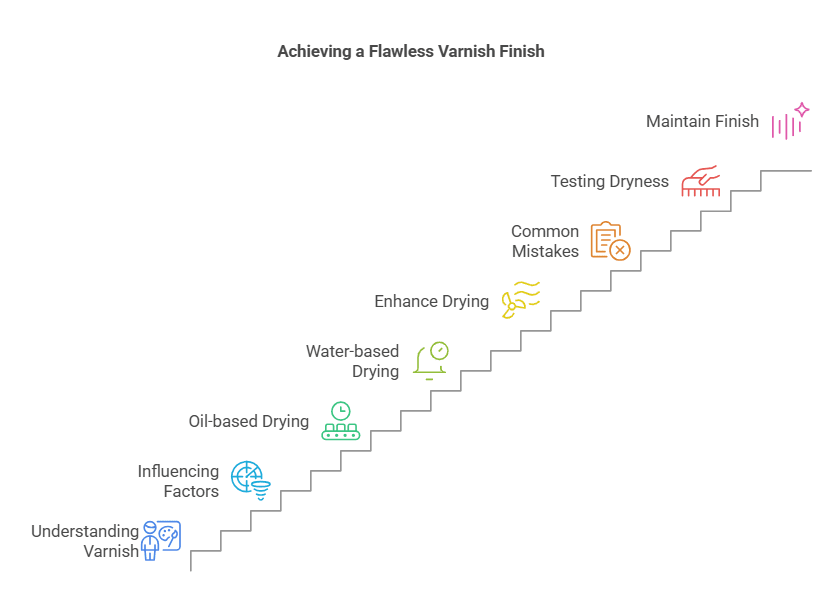
Factors Influencing Drying Time
Drying time for varnish depends on many factors. Temperature and humidity play a big role. Warm and dry conditions help varnish dry faster. Cold and humid areas slow down the process.
The type of wood also matters. Different woods absorb varnish differently. Softwoods, like pine, dry quicker than hardwoods, like oak. Hardwoods hold more moisture, extending the drying time.
Always check the varnish label for specific drying times. Each product may have different requirements. Keep these factors in mind for the best results.
Oil-based Varnish Drying Time
Oil-based varnish usually takes 8 to 24 hours to dry completely. The drying time can vary based on temperature and humidity. Warmer temperatures speed up the process, while high humidity slows it down.
For best results, follow these application tips:
- Apply thin layers for faster drying.
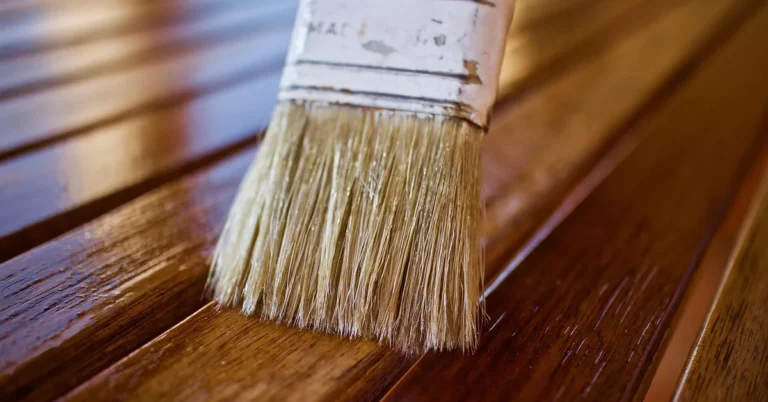
- Use a good quality brush to avoid bubbles.
- Ensure proper ventilation to help with drying.
| Drying Phase | Time |
|---|---|
| Tack-Free | 1 to 3 hours |
| Handle Dry | 6 to 12 hours |
| Fully Cured | 3 to 7 days |
Water-based Varnish Drying Time
Water-based varnish is known for its fast drying time. It can dry in just 1 to 2 hours under normal conditions. This quick drying helps in completing projects faster.
Choosing water-based varnish offers several benefits. It has low odor, making it safer for indoor use. Cleanup is easy with just soap and water. This type of varnish also dries clear, enhancing the wood’s natural beauty.
Drying speed can vary based on temperature and humidity. Warmer and drier conditions help it dry faster. Applying thinner coats can also speed up the drying process.
Enhancing The Drying Process
Good ventilation helps varnish dry faster. Open windows and doors to let air flow. A fan can also speed up the process. This reduces humidity and helps the varnish cure.
Using heating tools can be effective too. A heat gun or space heater warms the area. Be careful not to overheat the varnish. High temperatures can cause bubbles or uneven drying.
| Ventilation Tips | Heating Tools |
|---|---|
| Open windows | Heat gun |
| Use fans | Space heater |
| Avoid high humidity | Keep distance from varnish |
Common Mistakes To Avoid
Applying varnish too thickly can cause many problems. Thick layers take longer to dry. This can lead to runs or drips, ruining the finish.
Always apply a thin coat. Thin coats dry faster and look better. This ensures a smooth and even finish.
Insufficient curing time is also a common mistake. Varnish needs time to cure properly. Rushing this process can lead to a tacky surface. It may also cause damage when you apply the next coat.
Be patient and allow the varnish to fully cure. Following the manufacturer’s instructions is crucial. Always check the recommended drying times for best results.
Testing For Dryness
To check if varnish is dry, use the Touch Test. Gently touch the surface with your fingertip. If it feels sticky, it needs more time. A smooth feeling means it’s likely dry.
The Tack Test is another method. Lightly press your finger on the varnish. If it leaves a mark, it is still tacky. If there’s no mark, the varnish is ready.
Maintaining Your Flawless Finish
Regular maintenance keeps your finish looking its best. Clean surfaces with a soft cloth. Avoid using harsh chemicals that can damage the varnish. Always check for signs of wear. Touch up any areas that show scratches or chips. This helps maintain a smooth appearance.
For damage repair, assess the area first. Sand the damaged spot lightly to remove rough edges. Apply a matching varnish carefully. Use a small brush for precision. Allow it to dry completely for a seamless look.
Frequently Asked Questions
How Long Does Varnish Take To Dry?
The drying time for varnish varies based on the type used. Generally, oil-based varnishes take 24 to 48 hours to dry completely. Water-based varnishes dry faster, usually within 1 to 3 hours. Environmental factors like humidity and temperature can also affect drying times.
Can I Speed Up Varnish Drying Time?
Yes, you can speed up varnish drying by improving ventilation. Use fans or open windows to increase air circulation. Additionally, applying thinner coats can help the varnish dry faster. However, avoid using heat sources directly, as they may cause bubbles or uneven drying.
What Affects Varnish Drying Time?
Several factors can influence varnish drying time. The type of varnish, environmental temperature, and humidity levels all play significant roles. Thicker applications of varnish also take longer to dry. It’s essential to consider these factors for optimal results.
Is Tacky Varnish Safe To Touch?
Tacky varnish indicates it hasn’t dried fully. Touching it can lead to fingerprints or smudges, ruining your finish. It’s best to wait until the varnish is completely dry before handling the surface. Follow the manufacturer’s guidelines for the safest results.
Conclusion
Understanding varnish drying times is essential for any DIY project. Factors like temperature and humidity significantly impact the drying process. Always check the manufacturer’s guidelines for the best results. By being patient and following proper techniques, you can achieve a beautiful, long-lasting finish on your surfaces.
Happy crafting!
Sponsored / affiliate links. As an Amazon Associate I earn from qualifying purchases. I may earn additional commission from eligible campaigns.