How to Seal Wood Slices for Centerpieces (5 Sealers Compared)
Sand fully dried wood slices smooth, then seal with water-based polyurethane, food-safe hemp or tung oil, or epoxy resin — never mod podge, which isn’t waterproof and yellows within months. Skip the drying step and even the best sealer traps moisture inside, so the slice checks and cracks straight through the growth rings within weeks. This guide covers drying time by slice thickness, which sealers are actually food-safe for cake stands, and how to stop bark from flaking off centerpieces.
Affiliate disclosure: This post contains Amazon affiliate links. As an Amazon Associate, we earn from qualifying purchases at no extra cost to you.
How Long Wood Slices Need to Dry Before Sealing
Best Sealer Pick for Wood Slice Centerpieces
Minwax Polycrylic Protective Finish Spray, Clear Satin
A spray-on, water-based clear coat that dries fast and won’t yellow the way oil-based polyurethane can — a good default for decorative centerpieces.
- Best for: decorative wood slice centerpieces, not food-contact pieces
- Why we picked it: even spray coverage means fewer brush marks and no bubbling on end grain
- Main drawback: multiple thin coats needed for full moisture protection; not food-safe
Compare more wood slice sealer options
 Food-Safe Pick Hope’s 100% Pure Tung Oil
|
 Glossy Finish Pick TotalBoat Penetrating Epoxy Sealer
|
 Outdoor-Durable Pick Varathane Spar Urethane Spray
|
As an Amazon Associate we earn from qualifying purchases.
Green (freshly cut) wood slices hold far more moisture than they look like they do, and sealing over that moisture is the single biggest reason centerpieces crack after the fact. The general air-drying rule of thumb woodworkers use for green wood is roughly one year per inch of thickness — a 2-inch-thick round can take close to two years to reach a stable moisture content indoors. Kiln-dried or already-seasoned wood slices (the kind sold at craft stores) skip most of that wait.
| Slice Source | Typical Dry Time | Notes |
|---|---|---|
| Kiln-dried / craft-store slice | 0–3 days | Usually ready to sand and seal immediately |
| Green wood, salt-drying method | 1–4 weeks | Pack in non-iodized salt to pull moisture out faster |
| Green wood, air-dried, <1 inch thick | 2–6 months | Lay flat, flip weekly, keep out of direct sun |
| Green wood, air-dried, 1–2 inches thick | 1–2 years | Seal the end grain (the bark edge) first to slow uneven drying |
Sealing the round edge (end grain) as soon as you cut a green slice — even before it’s dry — slows moisture loss enough to prevent the radial cracks that run from the center outward. That’s the opposite of sealing the whole slice early, which traps moisture and guarantees cracking.
Preparing Wood Slices for Centerpieces
Choosing the Right Wood
Pick a wood that’s hard enough to resist cracking under normal handling — birch, oak, maple, and cedar are the standard choices for centerpieces because they’re dense and dry with fewer surprise splits than softer species like pine. A slice at least 1 inch thick holds up to repeated use far better than anything thinner. If you would rather skip felling and cutting your own, pre-cut cheap wood slabs and slices are sold ready-to-seal in bulk for well under $5 a piece.
Cutting the Wood Slices
Cut all slices to the same thickness with even, smooth edges using a chainsaw or bandsaw — wear gloves and eye protection, and keep the cut perpendicular to the trunk so the round doesn’t sit lopsided once finished. See our guide on cutting wood cleanly by hand if you’re working without power tools.
Sanding the Wood Slices
Work through progressively finer sandpaper — starting around 80-grit and finishing at 220-grit — to remove saw marks and splinters before sealing. Sand both faces of the slice, not just the top: sealing only one side lets moisture move freely through the unsealed face and is a common cause of warping later. Wipe away all sanding dust with a slightly damp cloth before applying any sealer.
Choosing a Sealer: Pros, Cons, and Food Safety
Not every wood sealer that protects wood is safe near food, and that distinction matters if the slice will hold a cake, cheese board, or drinkware. Here’s how the common options compare.
| Sealer | Pros | Cons | Food-Safe Once Cured? |
|---|---|---|---|
| Polyurethane | Durable, water-resistant, widely available | Can yellow over time; strong odor while curing | No — decorative use only |
| Wood varnish | Enhances the grain, natural-looking sheen | Long drying time between coats | No |
| Shellac | Quick-drying, easy to apply | Not waterproof; marks from alcohol or heat | Yes, food-grade shellac only |
| Tung or hemp oil | Penetrates deep, food-safe, easy touch-ups | Needs reapplication every few months | Yes |
| Epoxy resin | Thick, glossy, highly durable finish | Two-part mixing, can trap bubbles, must fully cure | Only if labeled FDA-compliant food-safe epoxy — most craft epoxy is not |
For a cake stand or serving piece, don’t assume “food-safe” from the marketing alone — check that the label specifically states FDA compliance for food contact, since most standard epoxy resin (including glossy craft brands) is rated decorative-only. For anything a centerpiece needs to actually be food-adjacent, a cured tung oil or hemp oil finish is the simpler, verifiably safe choice; see our breakdown of whether epoxy resin is food safe before you pour.
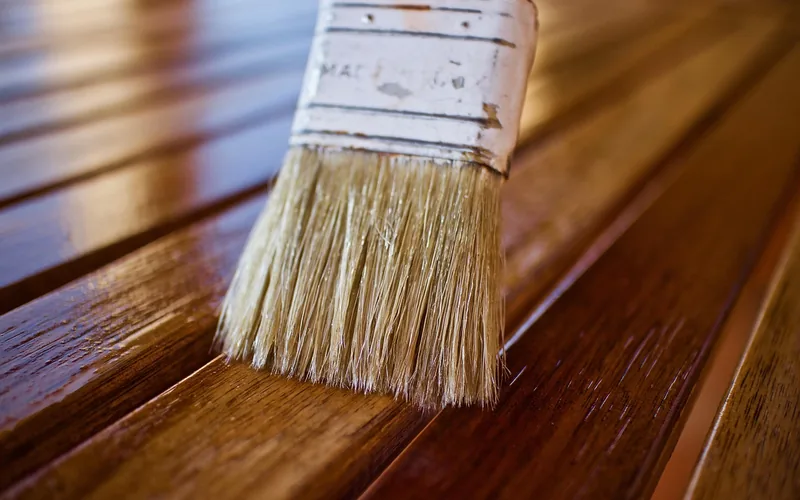
Sealing Wood Slices Step by Step
- Confirm the slice is fully dry: use the drying-time table above as a guide, or check with a moisture meter if you have one — aim for under 12% moisture content.
- Sand both faces: work up to 220-grit, then wipe away all dust with a damp cloth.
- Apply a natural-colored wood stain (optional): only if you want to deepen the grain color before sealing; let it dry fully first.
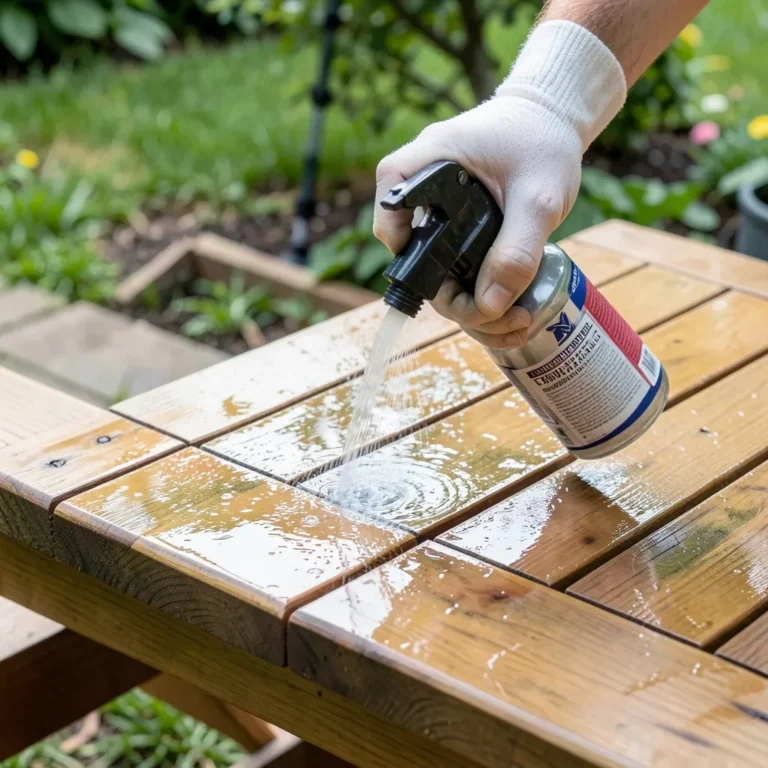
- Apply the first coat of sealer: use a foam brush or spray, working in thin, even layers to avoid bubbles.
- Let the first coat cure completely before adding a second — check your specific product’s label, since cure times range from 1 hour (shellac) to 24+ hours (polyurethane, epoxy).
- Apply a second coat for full moisture protection, especially on the edges and end grain where bark meets wood.
Common Sealing Problems and How to Fix Them
| Problem | Cause | Fix |
|---|---|---|
| Bubbles in the sealant | Applying too thick a layer at once | Sand lightly, wipe clean, and reapply in thin coats with a foam brush |
| Cracking after sealing | Slice wasn’t fully dry, or only one side was sealed | Can’t be undone once cracked — for the next slice, confirm dryness first and seal both faces |
| Bark falling off the edge | Bark wasn’t sealed or wasn’t dried slowly | Apply a clear waterproof sealer directly to the bark, including two coats on the underside where it meets the wood |
| Cloudy or hazy finish | Sealing over moisture or applying in high humidity | Let the piece fully dry and re-coat in a well-ventilated, low-humidity room |
In our shop, the wood slices that crack almost always trace back to one thing: someone sealed a slice that felt dry to the touch but was still well above 12% moisture in the core. A cheap moisture meter costs less than one ruined centerpiece and pays for itself the first time it stops you from sealing too early.
Preserving Wood Slices for Weddings and Special Occasions
Wedding centerpieces get handled more than everyday decor, so start with slices free of existing cracks or splits and give them extra drying time before sealing. If you want to keep the bark on for a rustic look, seal it separately — bark needs its own waterproof coat since it dries and moves differently than the wood underneath.
- Select high-quality slices free of cracks and splits, and dry them for at least a week past what feels dry to the touch.
- Sand both faces before sealing — this applies whether you’re painting the slice, staining it, or leaving it natural.
- Apply a clear, waterproof sealer to the entire slice including the bark and edges; let it cure 24 hours between coats.
- If painting first, remove loose bark with a sharp knife, apply a clear sealer coat, then an acrylic base coat once the sealer has fully cured.
DIY Wood Slice Centerpiece Ideas
Once sealed, wood slices work as more than table centerpieces — stack them by size for a layered display, use a single slice as a natural vase stand, turn several into rustic coasters, or use a large slice as the base for a cake or dessert display. A wood-burned border or a bit of moss and greenery around the edge adds a finishing touch without covering the grain.
For a DIY cake stand, stack slices with wood glue between layers and finish with a food-safe oil, not decorative epoxy or polyurethane, if it will touch food directly — see the food-safety table above.
Frequently Asked Questions
How long do wood slices need to dry before sealing?
Kiln-dried craft-store slices are usually ready in a few days. Green, freshly cut slices follow the rough rule of one year of air-drying per inch of thickness, though salt-drying can shorten that to a few weeks for thinner rounds. Sealing before the slice is fully dry is the most common cause of cracking.
Is epoxy resin food safe for a wood slice cake stand?
Only if the label specifically states it’s FDA-compliant for food contact once fully cured — most standard craft epoxy is decorative-only. For a cake stand or serving piece, a cured tung oil or hemp oil finish is the safer, more clearly food-safe option.
Do you need to seal both sides of a wood slice?
Yes. Sealing only the top face lets moisture move freely through the unsealed bottom, which is a common cause of warping and cracking later. Seal both faces and the edges, including the bark if you’re keeping it on.
What’s the best sealer for wood slice centerpieces?
For purely decorative centerpieces, water-based polyurethane or spar urethane spray gives a durable, low-yellowing finish. For anything that will touch food, use a food-safe tung or hemp oil instead — see the comparison table above for the full pros and cons of each option.
Can you seal wood slices without them cracking?
Yes, as long as the slice is fully dry before you seal it and both faces get an even coat. Sealing the end grain (the bark edge) early — even before the slice finishes drying — slows moisture loss enough to prevent the radial cracks that otherwise run from the center outward.
Conclusion
Sealing wood slices for centerpieces comes down to getting the drying time right before you ever open a can of sealant, then matching the sealer to how the piece will actually be used — decorative pieces have more finish options than anything that will touch food. Sand both faces, dry fully, and seal evenly, and a wood slice centerpiece will hold up for years instead of cracking within its first season.
Sponsored / affiliate links. As an Amazon Associate I earn from qualifying purchases. I may earn additional commission from eligible campaigns.