Most Durable Wood for Handles: Hickory vs Ash vs Oak
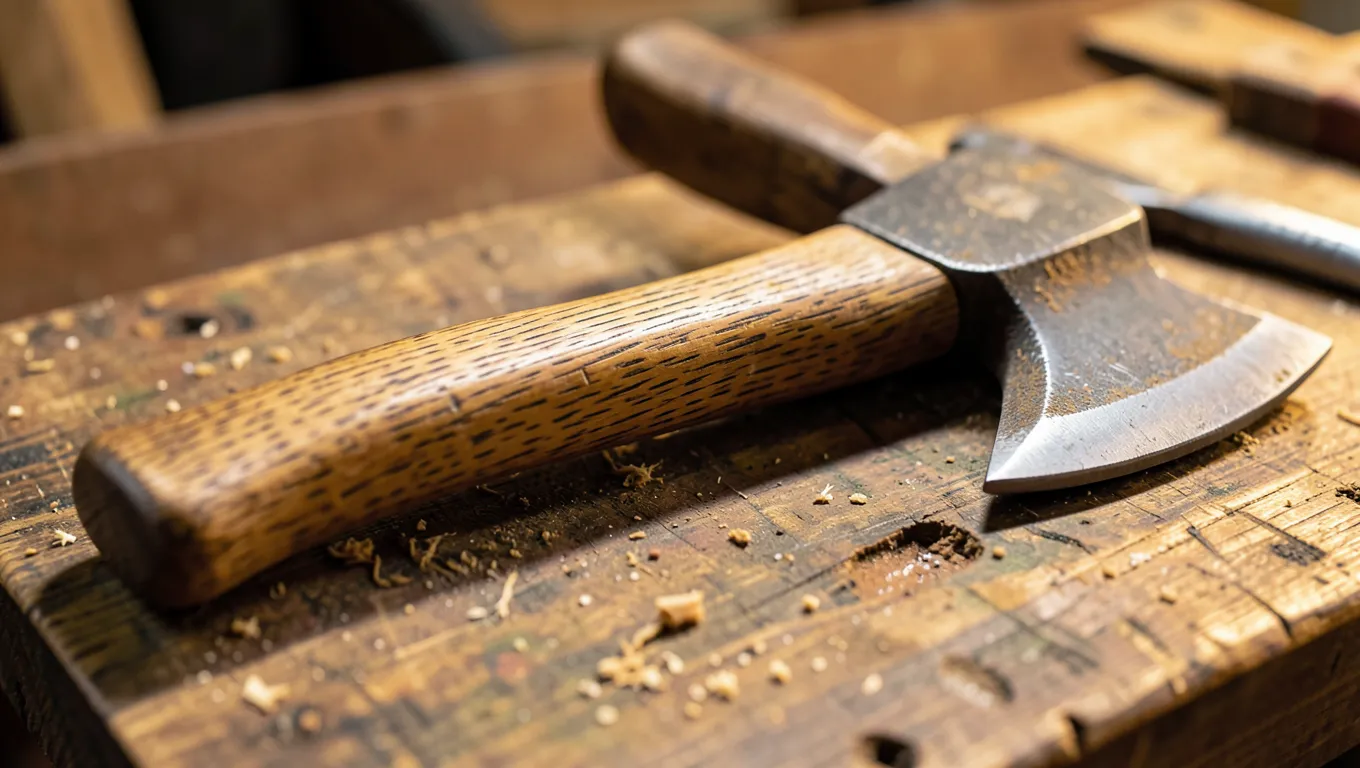
For a tool handle that takes repeated impact, like an axe, hammer, or sledge, American hickory is the standard answer — it combines high strength with the ability to flex slightly and absorb shock instead of transmitting it straight to your hands. Ash is the closest runner-up, oak is stronger but stiffer and harsher on the hands, and maple is a middle-ground choice used more in furniture and kitchen tools than striking tools. If pure longevity matters more than feel, a fiberglass or steel handle will outlast any wood species, at the cost of the shock absorption and repairability wood offers.
Why Hickory Is the Standard for Striking Tools
Best Replacement Handle Material
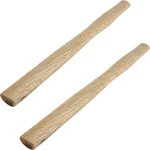 |
HEVSTIL Hickory Axe/Hammer Handle, 12.6″ (2-Pack) – $11.79 A cracked handle doesn’t mean a dead tool — a hickory replacement gets a hatchet or hammer back in service for less than the cost of a new head.
|
Hickory’s advantage isn’t just hardness — it’s the combination of high bending strength, stiffness, and shock resistance in one wood. When an axe or hammer head strikes something, the handle has to absorb the impact energy that doesn’t transfer into the swing. A wood that’s too rigid (like some oak) transmits more of that shock into your hands and wrists over a day of use. Hickory flexes just enough to dampen the shock while still being stiff enough not to feel spongy or imprecise, which is why axe, hammer, and sledgehammer handles have defaulted to hickory in North America for well over a century.
How the Main Handle Woods Compare
| Wood | Shock Resistance | Stiffness | Best For |
|---|---|---|---|
| Hickory | Excellent | Medium-high | Axes, hammers, sledges, striking tools |
| Ash | Very good | Medium | Tool handles, sports equipment (bats, hockey sticks) |
| Oak | Fair | High | Non-impact handles, furniture, structural uses |
| Maple | Good | Medium-high | Kitchen tools, mallets, furniture |
Oak’s higher stiffness is actually a drawback for a striking-tool handle — it resists bending so well that it transmits more shock straight into the user’s hands, and it’s more prone to a sudden, clean break rather than the gradual splintering that gives a hickory handle visible warning before it fails completely.
What Actually Makes a Handle Durable
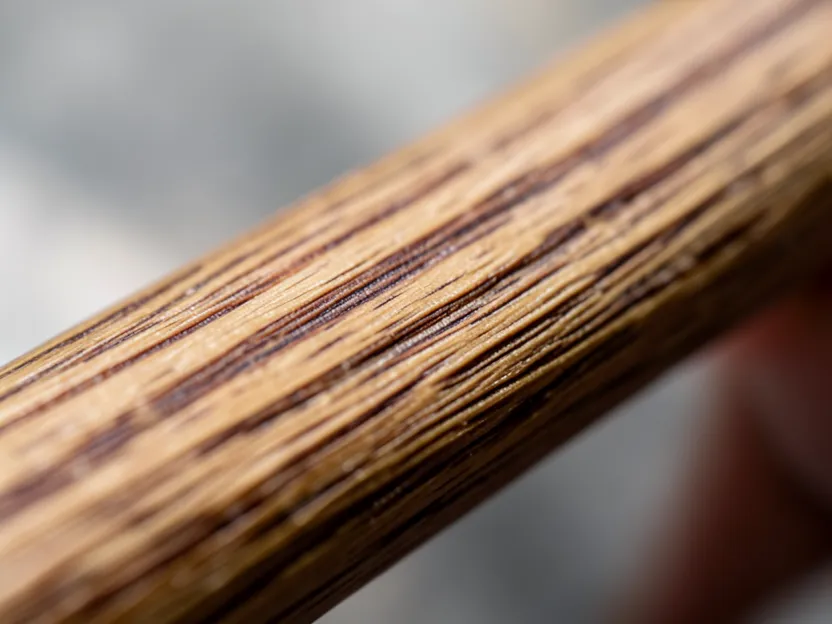
- Grain orientation: A quality handle has straight grain running the full length, parallel to the handle’s length. Grain that runs out at an angle is a weak point no matter how good the wood species is.
- Moisture content: Wood that wasn’t properly dried before shaping will shrink after installation, loosening the head. A well-seasoned handle holds its fit.
- Finish: An oil finish (boiled linseed oil is the traditional choice) keeps moisture from swelling and shrinking the wood cyclically, which is what eventually loosens a head or causes cracking.
- Design/taper: Even the best wood fails faster in a poorly tapered handle that concentrates stress at one point instead of distributing it along the length.
When a Non-Wood Handle Wins
If pure durability under heavy daily use is the only priority, fiberglass and steel handles outlast any wood species — they don’t crack from drying out, don’t need refinishing, and generally survive harder abuse before failing. The trade-off is that they transmit more vibration to your hands than hickory (fiberglass) or add significant weight (steel), and neither can be sanded and re-fit at home the way a wood handle can. For daily professional use where the tool gets abused, synthetic makes sense. For a handle you’ll maintain and want to feel comfortable using for years, hickory remains the better all-around choice.
Choosing By Use Case
- Axes, hammers, sledges: Hickory, first choice. Ash as a close second where hickory isn’t available.
- Garden tools (shovels, rakes, hoes): Ash or hickory both work well; ash is common and slightly lighter for tools swung less forcefully than a striking tool.
- Kitchen utensils and knife handles: Maple, walnut, or cherry — density and moisture resistance matter more than shock absorption here, and a food-safe oil finish is essential (see how ash performs as a knife handle if you are weighing it for a knife).
- Outdoor or wet-environment handles: Teak’s natural oils give it strong water resistance, though it’s an unusual (and pricier) choice for a striking-tool handle specifically.
Maintaining a Wood Handle
- Oil it periodically: Boiled linseed oil, applied a few times a year on tools in regular use, keeps the wood from drying out and cracking.
- Store it dry: A damp shed or garage accelerates both rot and the swell-shrink cycle that loosens tool heads.
- Check the head fit: A loose head on a swung tool is a safety hazard, not just an annoyance — re-wedge or replace the handle before it fails in use.
- Sand out small dings: Minor surface damage can be sanded smooth before it develops into a crack; a wood handle is one of the few tool parts you can repair yourself instead of just replacing.
Frequently Asked Questions
What makes a wooden handle durable?
Straight grain running the full length of the handle, proper drying before shaping, a protective oil finish, and a well-tapered design that distributes stress evenly all matter as much as the wood species itself.
Which wood is most durable for handles?
Hickory is the standard for striking-tool handles because it combines strength with shock absorption. Ash is a close second. Oak is stronger but stiffer, which transmits more shock to the user’s hands.
Does a finish affect a handle’s durability?
Yes. An oil finish like boiled linseed oil keeps moisture from cycling in and out of the wood, which is what eventually causes a handle to crack or a tool head to loosen.
Is a synthetic handle more durable than wood?
For raw durability under heavy abuse, yes, fiberglass and steel handles typically outlast wood. The trade-off is more transmitted vibration or added weight, and neither can be sanded and refit like a wood handle can.
For any handle that takes repeated impact, hickory is the right default, and it’s the material used on the overwhelming majority of quality axes, hammers, and sledges for good reason. For non-impact handles, the right wood depends more on the specific use, moisture exposure, and feel you want than on raw durability alone. Whatever species you choose, a proper oil finish and periodic maintenance will do more for a handle’s lifespan than the marginal difference between two comparable hardwoods.
Sponsored / affiliate links. As an Amazon Associate I earn from qualifying purchases. I may earn additional commission from eligible campaigns.
 Truper 10 lb Sledge Hammer, 36-Inch American Hickory Wood Handle, Double-Faced Forged Steel Head, Professional-Grade Heavy Demolition Tool (Model 30919 / MD-10H)
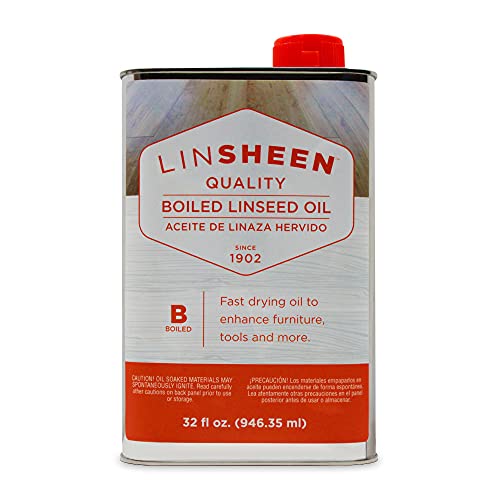 LinSheen Boiled Linseed Oil – Fast Drying Flaxseed Wood Treatment to Rejuvenate and Restore Outdoor and Indoor Wood Furniture, Floors and Sports Equipment, Quart