What to Put under Hardwood Floor: Essential Tips for Perfect Install
Choosing what to put under hardwood floors is important. It helps protect the wood and makes the floor last longer. Also, it can make your room quieter and warmer. So, what should you use? Foam, cork, or something else? Let’s find out.
Biography
| Layer | Description | Materials | Purpose / Benefits | Best Use / Notes |
|---|---|---|---|---|
| Subfloor | Structural base layer attached to floor joists. Must be flat, clean, dry, and sturdy. |
|
Provides stable and strong foundation for hardwood flooring. | Essential for all hardwood floor installations. Thickness and flatness critical for success. |
| Underlayment | Thin layer installed directly on top of subfloor and beneath hardwood. Not always mandatory but highly recommended. |
|
|
|
| Vapor Barrier | A thin plastic film or built-in layer within some underlayments designed to block moisture. |
|
Prevents moisture from concrete slabs or humid environments from reaching hardwood, avoiding warping or buckling. | Critical when installing over concrete or in basements. Always recommended for moisture-prone areas. |
| Slipsheet (optional) | Thin sheet placed under nailed hardwood floors over wood subfloor to allow for expansion/contraction. |
|
Allows for differential movement between flooring layers and reduces friction. | Recommended for nailed hardwood floors over wood subfloors. |
Early Life
What to put under hardwood floor started with simple ideas about making floors better. In places like Austin, Texas, people wanted floors that last longer and feel nice to walk on. They found that putting a thin layer, called underlayment, between the subfloor and hardwood helps a lot. At first, felt was used because it is cheap and stops moisture that can damage wood. Then, cork became popular since it also stops moisture and makes floors quiet and soft. Over time, people learned to choose the best underlayment based on where the floor is and what it needs—like stopping water or lowering noise. This idea moved from just being a tip to a common step before putting down hardwood floors. Simple but important.
Family
| Name | Relation | Description |
|---|---|---|
| Underlayment | Parent | Underlayment is the base layer put under hardwood floors. It helps keep floors stable and safe from moisture. It also reduces noise and makes the floor feel softer. |
| Felt | Sibling | Felt is a soft and cheap underlayment. It stops moisture and makes floors quieter. It is good for many rooms. |
| Cork | Sibling | Cork is a natural material that stops sound and moisture well. It adds comfort and is good for damp rooms like kitchens. |
| Foam | Sibling | Foam is soft and warm. It adds comfort under hardwood floors and helps with small bumps on the floor. |
| Rubber | Sibling | Rubber is strong and blocks moisture and sound. It is a good choice for noisy or moist areas. |
Think of Underlayment as the parent of all things put under hardwood floors. It protects and supports the wood above. Its siblings—Felt, Cork, Foam, and Rubber—each have special roles. Felt is simple and cheap. Cork is good at stopping sound and moisture. Foam adds softness and warmth. Rubber is strong for tough spots. Together, they help make hardwood floors last longer and feel better.
Height, Weight, And Other Body Measurements
| Aspect | Description | Details / Examples | Additional Notes |
|---|---|---|---|
| Underlayment Definition | A thin layer of padding placed beneath hardwood floors | Made from foam, rubber, felt/fiber, cork, or synthetic blends | Provides moisture protection, sound dampening, and cushioning |
| Purpose of Underlayment | Multiple functions to protect and improve hardwood flooring |
|
Essential for hardwood floors over concrete or subfloors prone to moisture |
| Common Underlayment Materials | Various materials suited for different needs |
|
Material choice depends on subfloor type and room use |
| Subfloor Requirements | Base layer must be clean, dry, level, and structurally sound | Common subfloors: plywood, concrete slab, OSB boards | Check moisture levels before installation to avoid damage |
| Installation Tips | Proper installation ensures longevity and performance |
|
Mark starting lines square to walls for precise hardwood placement |
| Design Principle: Flooring Variety | Limit to 3 types of flooring in a home for cohesion |
|
Avoid too many different flooring types to maintain spacious, polished look |
| Weight & Thickness Considerations | Underlayment density affects floor stability and noise reduction |
|
Balance cushioning with structural support for hardwood floors |
Wife/husband / Girlfriend/boyfriend
“What to Put under Hardwood Floor” is not a person. It is a topic about flooring, so it does not have a wife, husband, girlfriend, or boyfriend.
Since it is not a person, there are no relationships to share.
When you install hardwood floors, you need to put some layers under the wood. These layers help the floor stay strong, dry, and quiet.
- Subfloor: This is a strong base made from plywood or OSB. It is fixed to the floor frame. It must be flat and dry.
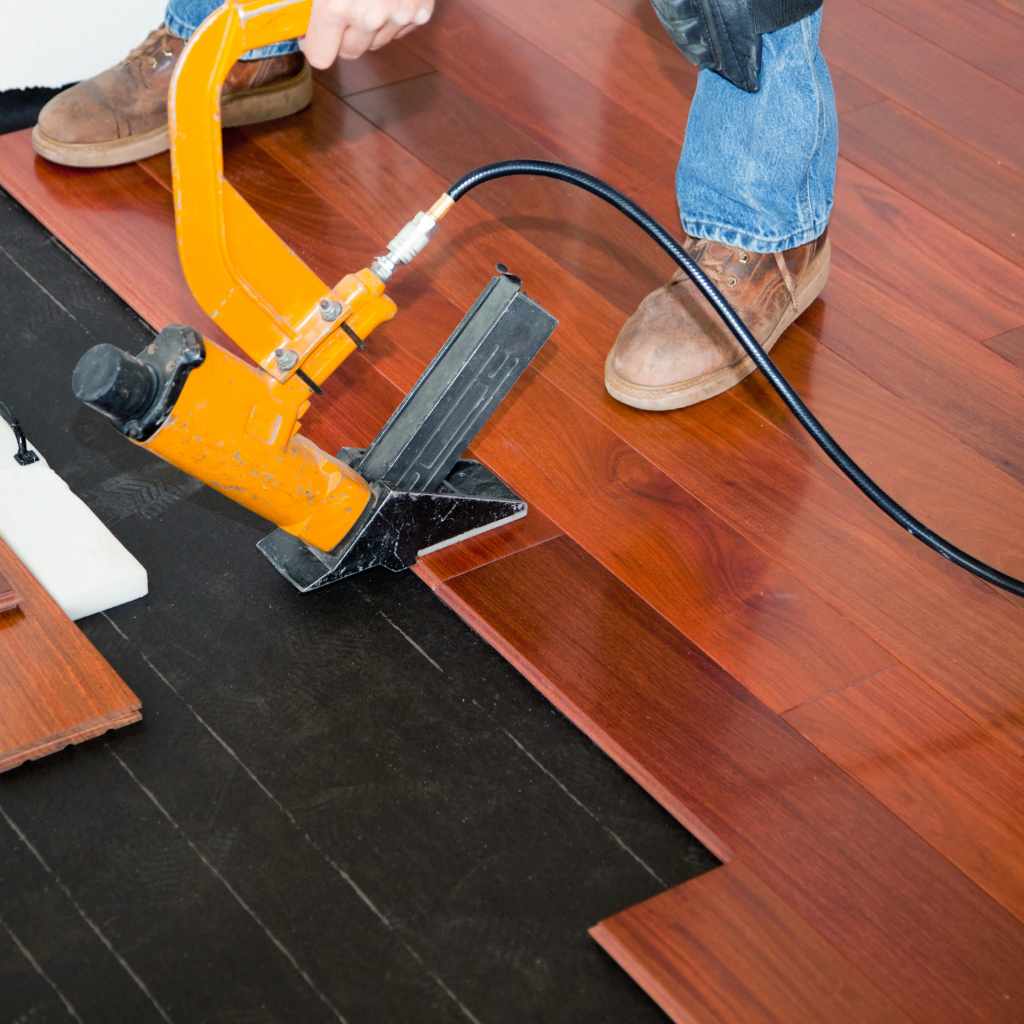
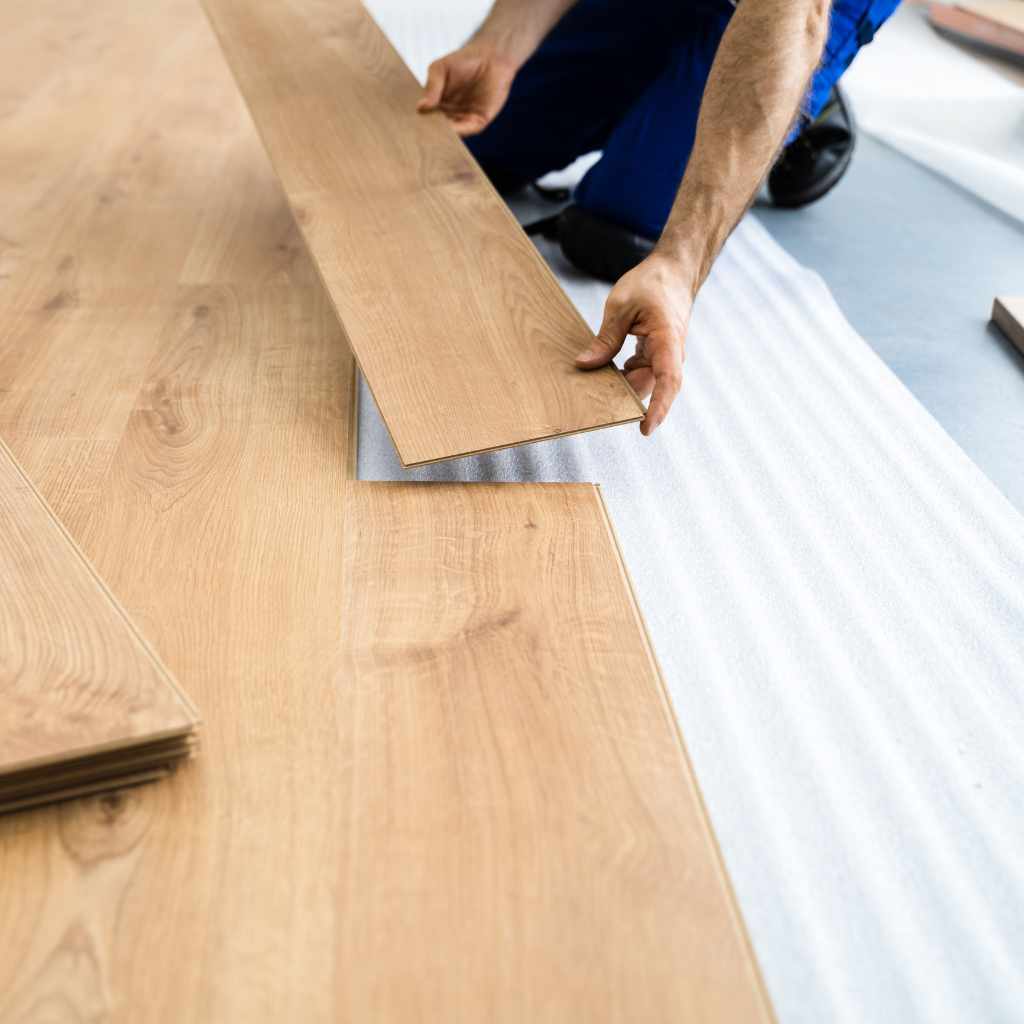
- Underlayment: This thin layer goes on the subfloor before the hardwood. It helps stop moisture, reduce noise, and make the floor comfortable.
Different materials can be used for underlayment, like foam, cork, felt, or rubber. Each has its own benefits depending on the room and needs.
Since “What to Put under Hardwood Floor” is a subject, it does not have personal relationships like a wife or boyfriend. It only has important layers that go under hardwood floors to make them last longer and feel better.
Career, Achievements And Controversies
“What to Put under Hardwood Floor” is not a person but a popular topic in home building and flooring. Many people search for this to learn the best materials to place under hardwood floors. It became well-known because many want to make their floors last longer and avoid problems like moisture damage or squeaking.
The topic started when builders and flooring experts shared their knowledge about subflooring and underlayment. Videos, blogs, and forums helped people understand what materials work best under hardwood floors. Common materials discussed include:
- Plywood: Good moisture resistance and strong nail holding.
- OSB (Oriented Strand Board): Cheaper, strong but less moisture resistant.
- Underlayment materials: Foam, felt, or rosin paper to protect the floor and reduce noise.
- Advanced products: Like AdvanTech, made to resist moisture and be stronger, but cost more.
Many builders and homeowners use this information to choose the right base for hardwood floors, helping floors stay flat, dry, and quiet.
Since “What to Put under Hardwood Floor” is a topic rather than a person or company, it has no awards. However, many companies and experts who share this knowledge are recognized in the flooring industry for their helpful guides and quality products. For example, brands like Gaylord Hardwood Flooring and Huber Engineered Woods are well-known for their work in subfloor materials.
There are some debates and disagreements in the flooring world about what is best to put under hardwood floors. Some of the common points include:
- Plywood vs OSB: Some say plywood is better because it holds nails well and resists moisture. Others prefer OSB for its cost and strength. Moisture problems with OSB can cause squeaks and damage.
- Use of particle board or chipboard: Experts agree these should not be used under hardwood floors because they can cause problems.
- Moisture management: There is debate about the best way to stop moisture under floors. Some use vapor barriers or special underlayments, but opinions differ on which works best.
- Installation timing: Some builders do not turn on heating or air conditioning before installing hardwood floors. This can cause moisture issues or warping, leading to disagreements on best practices.
These controversies show that flooring is not simple. It takes care and knowledge to choose the right materials and methods.
In short, “What to Put under Hardwood Floor” is a key question for anyone installing hardwood floors. It is a topic with many opinions and advice from experts. The goal is to make floors strong, dry, and quiet. While there are no awards or a career, the information helps many people make good choices and avoid common problems.
FAQ
1. Why Do I Need Something Under My Hardwood Floor?
Putting something under the hardwood floor helps in many ways. It makes the floor softer to walk on. It can stop noise. It also protects the wood from moisture under the floor.
2. What Is The Best Material To Put Under Hardwood Floors?
Many people use foam or cork under hardwood floors. Foam is soft and stops sound well. Cork is natural and also stops moisture. Sometimes, people use a thin plastic sheet to stop water from going up.
3. Can I Put Hardwood Floor Directly On Concrete?
It is not a good idea to put hardwood floor directly on concrete. Concrete can have moisture that harms the wood. You should put a moisture barrier, like plastic, and some foam or cork on top of the concrete first.
4. Does Underlayment Help With Cold Floors?
Yes. Underlayment can make the floor warmer. It adds a small layer between the wood and the cold ground. This helps keep your feet warmer in winter.
5. How Thick Should The Underlayment Be?
Usually, underlayment is about 2 to 3 millimeters thick. Too thick can make the floor feel soft and less stable. Too thin may not protect well. Follow the hardwood floor maker’s advice.
6. Can I Use Carpet Padding Under Hardwood Floors?
It is not the best choice. Carpet padding is soft but may be too thick or soft for hardwood. It can cause the floor to move or make noise. Use underlayment made for hardwood floors instead.