Why Does My Chainsaw Chain Keep Coming Off? Troubleshoot Now!
If your chainsaw chain keeps coming off, it may be due to a loose or worn-out chain tensioner or a damaged guide bar. To prevent this issue, ensure that the chain is properly tensioned and aligned with the guide bar.
Additionally, make sure that the chain brake is not engaged while operating the chainsaw. Regular maintenance and inspection of the chainsaw parts can also help in preventing this problem. A chainsaw is a powerful tool used for cutting trees, trimming branches, and other outdoor tasks.
However, if the chainsaw chain keeps coming off, it can lead to frustration and delays in completing the job. There are several reasons why the chainsaw chain may come off, such as loose or worn-out chain tensioner, damaged guide bar, or improper alignment. In this blog post, we will discuss some common causes of chainsaw chain coming off and how to prevent this issue from happening.
Introduction To Chainsaw Maintenance
To prevent your chainsaw chain from coming off, regular maintenance is essential. Check for a loose or worn-out chain, adjust the tension, and ensure proper lubrication to keep the chain in place during operation. Regularly inspecting and maintaining your chainsaw will help prevent this issue.
Chainsaws are powerful tools that require proper maintenance to ensure optimal performance. One of the most common issues users face is the chainsaw chain coming off during operation. This can be frustrating and dangerous if not addressed promptly. In this section, we will discuss some common chainsaw issues and the importance of proper chain tension to prevent the chain from coming off.
Common Chainsaw Issues
Chainsaws are designed to cut through wood quickly and efficiently. However, several factors can cause the chain to come off during use. Some of the common issues include:
- Dull chain
- Loose chain tension
- Bent guide bar
- Worn sprocket
- Incorrect chain size
- Incorrect filing angle
Importance Of Proper Chain Tension
Proper chain tension is critical to the safe and efficient operation of a chainsaw. A loose chain can cause the chain to come off during use, while a tight chain can lead to premature wear and damage to the guide bar and sprocket. To ensure proper chain tension, it is essential to follow the manufacturer’s instructions and regularly check the tension before and during use.
To check the chain tension, turn off the chainsaw and use a screwdriver to adjust the tension screw until the chain is snug against the guide bar. It should be easy to pull the chain around the guide bar but not too loose. Remember to recheck the tension after a few minutes of use, as the chain may stretch during operation.
In conclusion, understanding common chainsaw issues and the importance of proper chain tension can help prevent the chain from coming off during use. Regular maintenance, such as sharpening the chain and checking the guide bar for wear, can also extend the life of the chainsaw and ensure safe and efficient operation.
Assessing Chain Tension
One common issue that chainsaw owners face is the chain coming off during operation. This not only hampers productivity but also poses safety risks. One of the main reasons for this problem is improper chain tension. Assessing the tension of your chainsaw chain is crucial in ensuring smooth and efficient operation. In this section, we will explore the signs of a loose chain and proper chain tensioning techniques to help you keep your chainsaw chain securely in place.
Signs Of A Loose Chain
Identifying the signs of a loose chain is the first step in addressing this issue. Here are some indicators that your chainsaw chain may not be properly tensioned:
- The chain frequently comes off the guide bar during operation.
- You notice excessive vibration or bouncing of the chain while cutting.
- The chain appears saggy or droopy between the guide bar and the chain sprocket.
- There is a lack of proper cutting performance, with the chainsaw struggling to make clean cuts.
Proper Chain Tensioning Techniques
To prevent the chain from coming off, it’s essential to maintain the correct tension. Follow these proper chain tensioning techniques:
- Ensure the chainsaw is powered off and the spark plug is disconnected for safety.
- Loosen the guide bar nuts using a wrench to allow adjustment of the chain tension.
- Using a tensioning tool or a flathead screwdriver, turn the chain tensioning screw clockwise to increase tension or counterclockwise to decrease tension.
- Check the tension by pulling the chain away from the guide bar. There should be a slight tension, with the chain snugly fitting on the guide bar without sagging.
- Tighten the guide bar nuts securely after achieving the desired chain tension.
- Reconnect the spark plug and start the chainsaw to ensure the chain remains properly tensioned during operation.
Regularly assessing and adjusting the chain tension of your chainsaw will not only keep the chain from coming off but also enhance cutting performance and prolong the life of your chainsaw. By being aware of the signs of a loose chain and following the proper tensioning techniques, you can ensure a safer and more efficient chainsaw operation.
Chainsaw Bar Problems
If you’re wondering why your chainsaw chain keeps coming off, it could be due to several common chainsaw bar problems. These issues may include a loose chain tension, worn-out or damaged bar rails, or a faulty chain tensioner. Ensure proper maintenance and adjustment to keep your chainsaw chain securely in place during operation.
Worn Bar Rails
One of the common chainsaw bar problems that can cause your chainsaw chain to keep coming off is worn bar rails. Over time, the guide bar rails can become worn down due to normal wear and tear or improper maintenance. When the bar rails are worn, they may not provide proper support and alignment for the chain, leading to it slipping off during operation.
There are a few signs that indicate your chainsaw bar rails may be worn. If you notice excessive side-to-side movement of the chain, uneven wear on the guide bar rails, or difficulty in getting the chain to stay on the bar, it’s likely time to address this problem.
To resolve this issue, you have a few options. First, you can replace the guide bar with a new one if the wear is significant. Make sure to choose a bar that is compatible with your chainsaw model. Alternatively, you can opt for a bar rail dressing tool, which helps restore the shape and alignment of the guide bar rails. Regularly inspecting and maintaining your guide bar will help prevent this issue from occurring in the future.
Bar Maintenance Tips
Proper bar maintenance is crucial to ensure the smooth operation of your chainsaw and prevent the chain from coming off. Here are some essential maintenance tips:
- Regularly clean the guide bar and remove any debris or sawdust that may accumulate. This helps maintain optimal contact between the chain and the bar.
- Inspect the guide bar for any signs of wear, such as grooves or unevenness. Replace the bar if necessary.
- Ensure the chain tension is properly adjusted. A loose chain can easily come off the bar during operation.
- Lubricate the guide bar regularly to reduce friction and extend its lifespan. Use a high-quality bar and chain oil for best results.
- Check the sprocket at the end of the guide bar for any damage or wear. Replace if needed.
By following these bar maintenance tips, you can minimize the risk of your chainsaw chain coming off and ensure smooth cutting performance.
Sprocket And Drive Link Issues
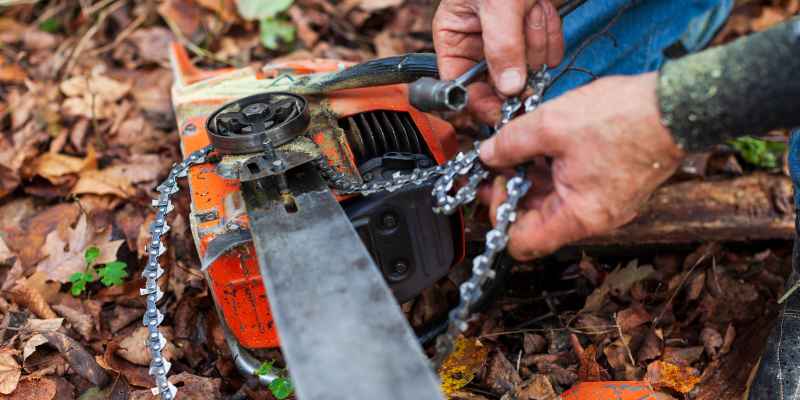
When it comes to chainsaw chain issues, sprocket and drive link problems can often be the culprit. Understanding the signs of worn sprockets and how to inspect drive links can help you diagnose and resolve the recurring problem of your chainsaw chain coming off. Let’s delve into these critical components and their potential impact on your chainsaw’s performance.
Worn Sprocket Symptoms
Worn sprockets can lead to the chain slipping off the bar, causing frustration and potential safety hazards. Look for the following symptoms to determine if your sprocket needs attention:
- Uneven wear patterns on the sprocket teeth
- Excessive noise and vibration during operation
- Difficulty in maintaining tension on the chain
Inspecting Drive Links
Proper drive link alignment and condition are essential for the smooth operation of the chainsaw chain. Follow these steps to inspect the drive links:
- Remove the chain and inspect each drive link for signs of wear or damage
- Check for any burrs or deformities that may affect the chain’s movement
- Ensure the drive links fit snugly into the sprocket and bar groove
Chain Installation Errors
When it comes to using a chainsaw, one common issue that many users face is the chain coming off frequently. This can be frustrating and can hinder your productivity. One of the main reasons for this problem is chain installation errors. By understanding and avoiding these errors, you can ensure that your chainsaw chain stays in place during operation. In this section, we will discuss two crucial chain installation errors: Correct Chain Direction and Ensuring Proper Fit.
Correct Chain Direction
One of the most common mistakes when installing a chainsaw chain is placing it in the wrong direction. It may seem like a simple oversight, but it can have a significant impact on the performance and safety of your chainsaw. To avoid this error, you must ensure that the cutting teeth of the chain are facing the right way.
Here’s a quick guide to help you install the chain in the correct direction:
- Start by locating the drive links on the chain. These links have a different shape than the cutting teeth and are designed to fit into the chainsaw’s guide bar.
- Align the drive links with the guide bar, ensuring that they fit snugly into the bar’s groove.
- Position the cutting teeth facing away from you. This is important for safety reasons as it reduces the chances of kickback during operation.
- Once the chain is properly aligned, carefully place it on the sprocket and adjust it so that it fits snugly.
Ensuring Proper Fit
Another common chain installation error is not ensuring a proper fit. If the chain is too loose or too tight, it can easily come off while in use. It is essential to find the right tension for your chainsaw chain to prevent this issue.
To ensure a proper fit, follow these steps:
- Start by releasing the tension on the chain by loosening the chain tensioning screw.
- Place the chain around the guide bar, making sure it sits correctly in the groove.
- Adjust the tension by tightening the chain tensioning screw until you achieve the proper fit.
- Check the tension by pulling the chain away from the guide bar. It should have a slight amount of give, but not be too loose.
- Finally, tighten the chain tensioning screw to secure the chain in place.
By following these steps and avoiding chain installation errors, you can greatly reduce the chances of your chainsaw chain coming off during operation. Remember to always consult your chainsaw’s user manual for specific instructions and guidelines.
Lubrication Is Key
Effects Of Inadequate Lubrication
Improper lubrication can lead to excessive friction and heat, causing the chain to wear quickly and potentially come off. Regularly inspect the chain for signs of wear or damage, and ensure that it is adequately lubricated before each use.
Checking Oil Delivery System
Ensure that the oil delivery system is functioning properly. Inspect the oil tank and the delivery ports for any clogs or blockages that may hinder the proper lubrication of the chain. Clean or replace any components that are obstructing the oil flow.
Operating Conditions
Operating conditions play a crucial role in the performance of your chainsaw chain. Understanding the impact of the environment and making necessary adjustments can prevent the chain from coming off during operation.
Impact Of Extreme Conditions
Extreme weather or temperature changes can affect the tension and alignment of the chainsaw chain, leading to it coming off unexpectedly. Regular maintenance and checks are essential to ensure optimal performance.
Adjustments For Different Woods
When cutting through hardwoods or softwoods, the tension and cutting speed may need to be adjusted to prevent the chain from derailing. Proper lubrication and chain tension are key factors.
Professional Inspection And Services
Experiencing trouble with your chainsaw chain coming off? Professional inspection and services can identify issues like improper tension, worn-out guide bar, or damaged drive sprocket. These experts ensure proper installation and maintenance, preventing chain derailment during operation.
When To Seek Professional Help
Benefits Of Regular Professional Maintenance
Professional Inspection and Services:
Chainsaw chains coming off can be frustrating. Seeking professional help is crucial. Regular maintenance by professionals ensures optimal chainsaw performance.
When To Seek Professional Help
– Chainsaw chain keeps coming off frequently.
– Continuous issues despite DIY adjustments.
– Unusual noises or vibrations during operation.
Benefits Of Regular Professional Maintenance
Table: Benefits of Professional Maintenance
| Benefits | Explanation |
|———————————————|———————————————-|
| Ensures proper chain tension | Prevents chain derailment. |
| Extends chainsaw lifespan | Enhances overall durability. |
| Identifies potential issues early | Avoids major breakdowns. |
| Ensures safe and efficient operation | Reduces the risk of accidents. |
Preventative Measures And Best Practices
To prevent your chainsaw chain from coming off, it’s important to follow preventative measures and best practices. Ensure that the chain tension is properly adjusted, the chain is properly lubricated, the guide bar is in good condition, and the chain is properly installed.
Regular maintenance and inspection can help prevent this issue.
Regularly inspect and tighten chainsaw chain components.
Always wear protective gear when operating a chainsaw.
Routine Maintenance Schedule
Create a maintenance schedule for checking chain tension.
Safety Measures To Prevent Chain Issues
Inspect the guide bar for wear and damage.
Preventative Measures and Best Practices:
– Follow a routine maintenance schedule
– Ensure proper chain tension
– Inspect guide bar regularly
– Wear protective gear while operating
– Avoid putting excess pressure on the chainsaw
Proper Chain Tension:
– Check tension after every use
– Adjust when the chain hangs loosely
– Consult user manual for correct tension
Guide Bar Inspection:
– Look for signs of wear or damage
– Replace if grooves are worn down
– Keep guide bar clean and lubricated
Safety Gear:
– Wear gloves, goggles, and ear protection
– Use chainsaw chaps for leg protection
– Steel-toed boots are recommended
Avoid Excess Pressure:
– Let the chainsaw do the cutting
– Don’t force the chain into the wood
– Allow the saw to work at its own pace
Troubleshooting Guide
Having trouble with your chainsaw chain constantly coming off? Follow this step-by-step troubleshooting guide to get to the root of the issue and learn how to fix it.
Step-by-step Chain Issue Diagnosis
- Check for a loose chain tension
- Inspect the guide bar for wear and damage
- Ensure the drive sprocket is properly aligned
- Examine the chain for bent or damaged links
- Verify that the chain is the correct size for the bar
Quick Fixes For Common Problems
- Adjust Chain Tension: Tighten the chain to the correct tension.
- Replace Guide Bar: If worn or damaged, install a new guide bar.
- Align Drive Sprocket: Make sure the drive sprocket is aligned correctly.
- Repair Chain: Replace or repair any bent or damaged chain links.
- Use Correct Chain Size: Ensure the chain matches the size of the guide bar.
Frequently Asked Questions
Why Does My Chainsaw Chain Keep Coming Off?
The chainsaw chain can come off due to a loose chain tension, worn-out guide bar, or improper installation. Regular maintenance, correct tension adjustments, and using a high-quality chain can prevent this issue. Regularly check and maintain your chainsaw for optimal performance.
How Do I Prevent My Chainsaw Chain From Coming Off?
To prevent the chainsaw chain from coming off, ensure proper tension adjustment, lubrication, and maintenance. Regularly inspect the guide bar, chain, and drive sprocket for wear and tear. Use high-quality chainsaw oil and keep the chain sharp for smooth operation.
Can A Dull Chain Cause It To Come Off Frequently?
Yes, a dull chain can lead to the chain coming off frequently. A dull chain can cause uneven cutting, kickbacks, and put strain on the chain tension. Regularly sharpen the chain, and replace it if it’s excessively worn to prevent it from coming off during operation.
Conclusion
Keeping your chainsaw chain in place is crucial for safety and efficiency. Regular maintenance, proper tensioning, and alignment are key factors to prevent the chain from coming off. By following these tips and addressing any underlying issues, you can ensure smooth operation and extend the life of your chainsaw.