Why OSB Prices Swing So Much (And What Actually Drives It)
OSB is one of the most volatile-priced materials in construction, and it is not because of one single event – it is structural. A handful of large manufacturers control most of North American production, and that concentrated supply reacts hard to small shifts in housing starts, mill downtime, and regional storm demand. Understanding the mechanism explains both why OSB spikes and why it eventually comes back down, usually faster than it went up.
A Few Mills Control Most of the Supply
Check Quality Before You Pay Premium OSB Prices
 |
General Tools MMD4E Digital Pin-Type Moisture Meter – $16 When OSB costs more, it is worth confirming what you are buying is actually dry and sound before it goes into a wall or subfloor, since water-damaged stock sometimes gets moved during price spikes when demand outstrips careful storage.
|
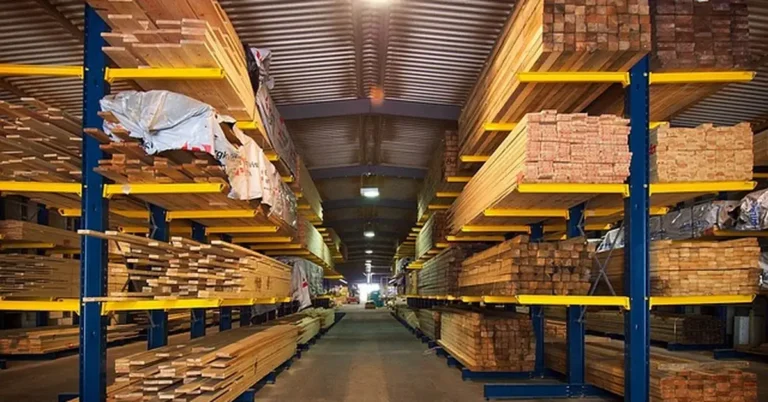
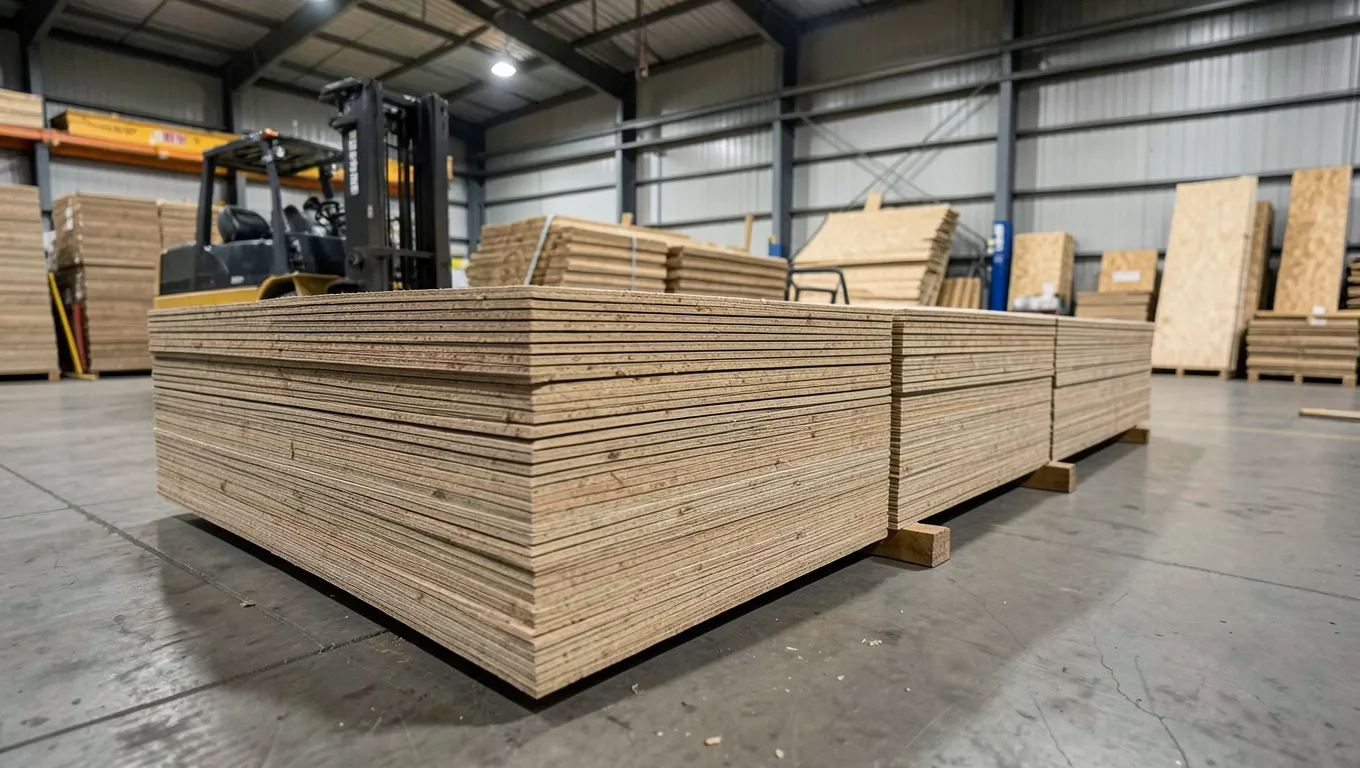
Unlike commodity lumber, which comes from thousands of independent sawmills, OSB production is concentrated among a small number of large manufacturers running big, capital-intensive mills. When even one or two of those mills go offline – for scheduled maintenance, a mechanical failure, or a curtailment during a demand slowdown – regional supply tightens fast, because there are fewer alternate sources to absorb the gap than with dimensional lumber. Reopening a curtailed mill takes weeks to months, not days, so the price response to a supply cut is often sharper and more prolonged than a similar cut in lumber supply would be.
Housing Starts Move OSB Faster Than Almost Any Other Material
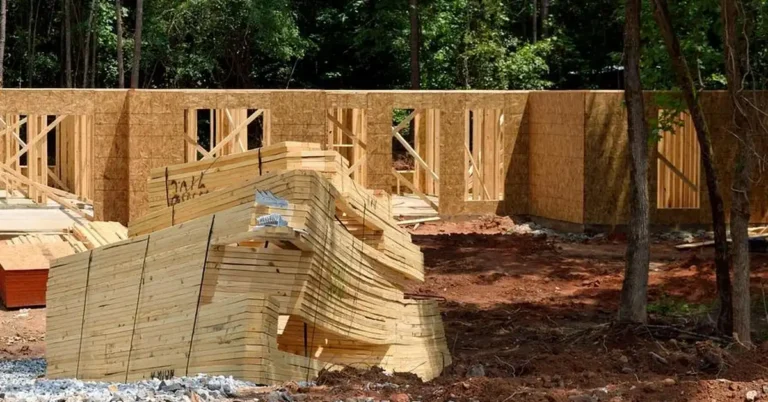
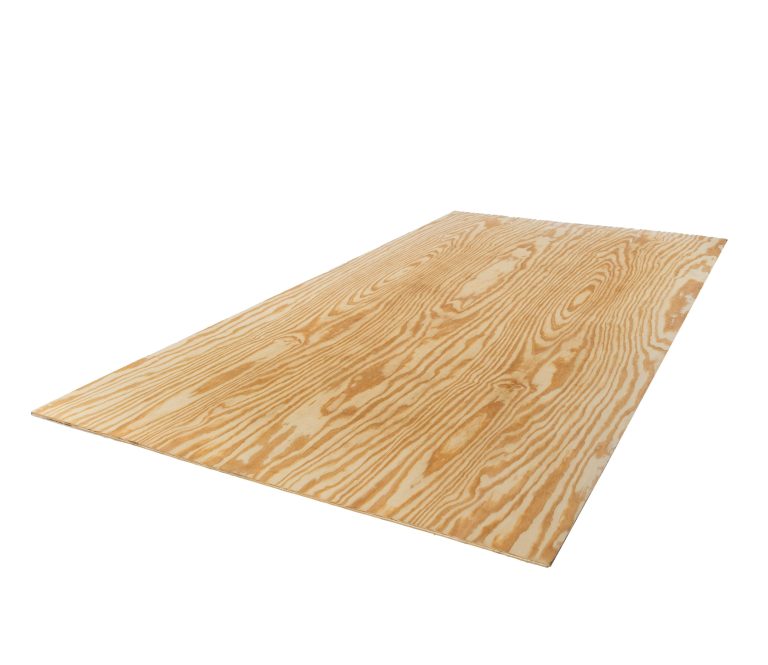
OSB’s biggest single use is structural sheathing and subfloor in new single-family construction, which makes its price unusually sensitive to the housing starts number the Census Bureau reports monthly. A modest uptick in new home construction translates into a large jump in OSB demand relative to the industry’s ability to flex production, since new mill capacity cannot be built quickly. This tight coupling to one demand driver is a big part of why OSB price swings are typically wider than plywood’s, even though the two compete for similar uses.
Storm Demand Creates Sudden Regional Spikes
A hurricane warning can spike local OSB demand within days as homeowners buy sheets to board up windows, on top of the rebuilding demand that follows the storm itself. Because OSB does not stockpile in huge regional reserves the way some commodities do, a sudden local demand surge like this can empty shelves and push prices up at the retail level well before it shows up in national pricing indexes.
Raw Material and Resin Costs
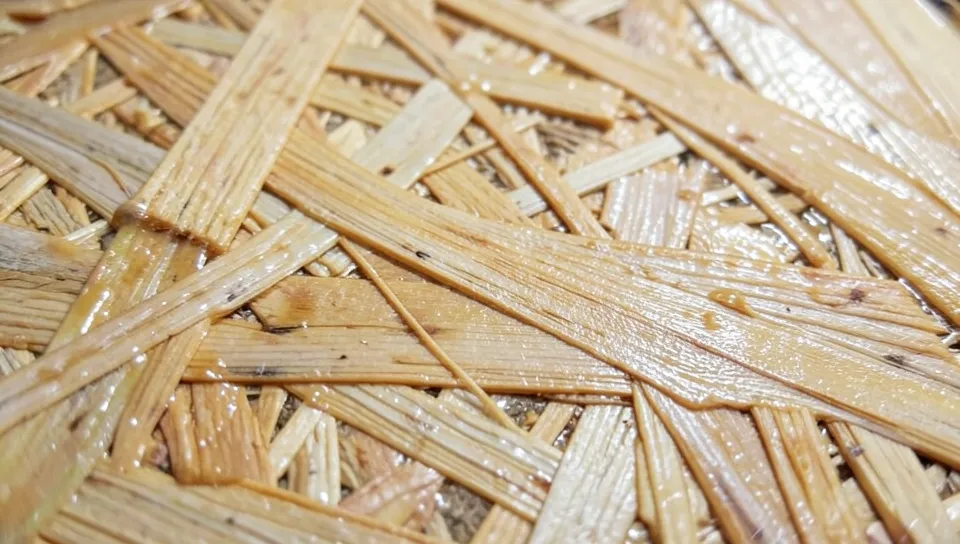
OSB is made from wood strands bonded with wax and resin under heat and pressure, and both the wood furnish (fast-growing species like aspen and southern yellow pine) and the resin (often a petroleum-derived binder) have their own cost cycles. A spike in resin costs tied to petrochemical prices, or a regional shortage of suitable timber, adds to the manufacturer’s cost base independent of housing demand, and that gets passed through to the sheet price.
Why Prices Come Back Down Just as Fast
The same tight coupling that sends OSB prices up sharply also brings them back down quickly once a mill restarts or housing starts cool off, since there is little inventory cushioning the market in either direction. If you can time a purchase, buying during a lull in new construction activity, rather than right after a widely reported price spike, is usually the more reliable way to catch lower pricing than trying to predict the next move.
Frequently Asked Questions
Why is OSB more volatile in price than plywood?
OSB production is concentrated among fewer, larger manufacturers than plywood, and OSB is more tightly tied to new-home construction demand. Both factors make its price react more sharply to supply and demand shifts.
Does a hurricane really affect OSB prices?
Yes, storm warnings drive a rapid local spike in demand for board-up material, and OSB does not carry large regional reserves, so retail shelves and prices can react within days of a storm warning.
Is there a good time of year to buy OSB cheaper?
Buying during a lull in new home construction activity, rather than right after a reported price spike, is the more reliable strategy, since there is no fixed seasonal pattern that holds every year.
What is OSB actually made of?
OSB is made of wood strands, typically from fast-growing species like aspen or southern yellow pine, bonded together with wax and resin under heat and pressure. Resin and timber cost cycles both affect the final sheet price.
Sponsored / affiliate links. As an Amazon Associate I earn from qualifying purchases. I may earn additional commission from eligible campaigns.