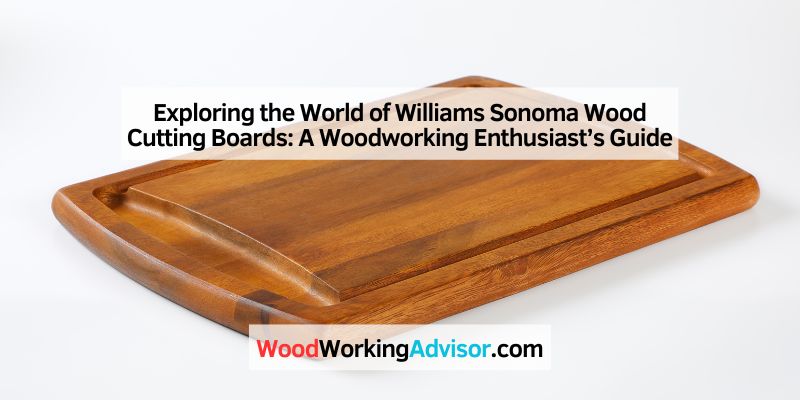
Exploring the World of Williams Sonoma Wood Cutting Boards: A Woodworking Enthusiast’s Guide
Hey there! If you’re anything like me, you love spending time in the kitchen, chopping veggies, slicing bread, or carving a roast, all while using tools that feel just right. That’s why I’m thrilled to dive into the topic of Williams Sonoma wood cutting boards today. These boards aren’t just kitchen tools—they’re a blend of craftsmanship, style, and functionality that can elevate your cooking experience. I’ve spent hours researching and using these boards, and I’m excited to share everything I’ve learned. Whether you’re a home cook, a woodworking fan, or someone who just wants a reliable cutting board, this guide is for you. Let’s explore why Williams Sonoma’s wood cutting boards stand out, how to choose the right one, and how to care for it so it lasts for years.
Why Choose a Williams Sonoma Wood Cutting Board?
When I first started looking for a high-quality cutting board, I was overwhelmed by the options. Plastic, bamboo, composite—you name it, it’s out there. But there’s something special about a wooden cutting board, especially one from Williams Sonoma. These boards are crafted with care, designed to be both beautiful and practical. They’re not just tools; they’re statement pieces that make your kitchen feel warm and inviting.
Williams Sonoma offers a range of wooden cutting boards, from walnut to acacia to maple, each with its own unique grain and character. What sets them apart is their attention to detail. The boards are made from sustainably harvested hardwoods, which means they’re built to last while being kind to the planet. Plus, they’re gentle on your knives, which is a big deal if you’ve invested in a good set. A dull knife is no one’s friend, and these boards help keep your blades sharp.
I also love that Williams Sonoma boards come in different styles, like end-grain and edge-grain, and some even have features like juice grooves or non-slip feet. Whether you’re prepping a quick salad or hosting a big dinner, there’s a board that fits your needs. But with so many choices, how do you know which one is right for you? Let’s break it down.
Types of Williams Sonoma Wood Cutting Boards
One of the first things I noticed when exploring Williams Sonoma’s collection is the variety. They don’t just make one type of cutting board—they offer several, each with its own strengths. Here’s a closer look at the main types you’ll find.
End-Grain Cutting Boards
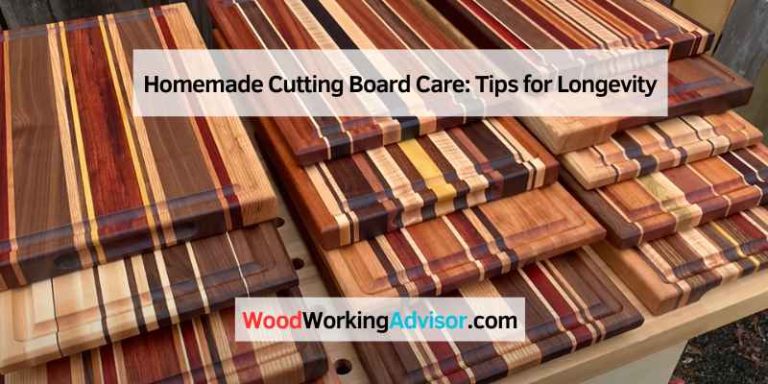
End-grain boards are my personal favorite because they’re so durable. These boards are made by gluing together wood pieces so the grain faces up, creating a checkerboard pattern. This construction makes them incredibly tough and resistant to knife marks. When you cut on an end-grain board, the wood fibers sort of “self-heal” around the blade, which means the surface stays smoother for longer.
Williams Sonoma’s end-grain boards, like their acacia or maple options, are stunning. They’re thick, heavy, and feel like something you’d see in a professional kitchen. I’ve used their acacia end-grain board for everything from chopping herbs to slicing crusty bread, and it handles it all with ease. The only downside? These boards can be pricey, and some users have reported issues with warping if not cared for properly. But with the right maintenance, they’re worth every penny.
Edge-Grain Cutting Boards
If you’re looking for something a bit more budget-friendly, edge-grain boards are a great choice. These are made by gluing wood strips together so the long side of the grain is exposed. They’re still durable but not quite as tough as end-grain boards. What I love about edge-grain boards is their sleek look. Williams Sonoma’s walnut edge-grain board, for example, has a rich, dark tone that makes it perfect for both prepping and serving.
I’ve used an edge-grain board for smaller tasks, like cutting fruit or cheese, and it’s lightweight enough to move around easily. They’re also less prone to absorbing water than end-grain boards,, which makes them a bit easier to maintain. However, they can show knife marks more readily, so you’ll want to be gentle with your cuts.
Carving Boards
Carving boards are a game-changer if you love roasting meats or poultry. Williams Sonoma’s walnut carving board, for instance, has a perimeter well to catch juices, which keeps your counter clean. I remember the first time I used one for a holiday roast—it made carving so much easier, and the presentation was gorgeous. These boards are often edge-grain and designed with functionality in mind, like notched handles for easy carrying.
Specialty Boards
Williams Sonoma also offers specialty boards, like their set of three acacia boards for different tasks. I’ve found these sets perfect for households that need versatility. One board might be for veggies, another for meats, and a smaller one for serving cheese or appetizers. The variety makes it easy to keep your kitchen organized and stylish.
Here’s a quick comparison to help you decide:
| Type | Best For | Pros | Cons |
|---|---|---|---|
| End-Grain | Heavy-duty chopping, professional use | Durable, knife-friendly, self-healing surface | Expensive, needs regular maintenance |
| Edge-Grain | Everyday prep, serving | Affordable, lightweight, attractive | Shows knife marks more easily |
| Carving Board | Roasting meats, poultry | Juice grooves, sturdy, great for presentation | Less versatile for non-carving tasks |
| Specialty Set | Multi-tasking, small kitchens | Versatile, multiple sizes, stylish | May not be as durable for heavy chopping |
Materials Used in Williams Sonoma Wood Cutting Boards
The type of wood matters just as much as the construction. Williams Sonoma uses high-quality hardwoods, each with its own personality. Here’s what I’ve learned about their most popular options.
Walnut
Walnut is a showstopper. Its dark, rich color and tight grain make it a favorite for both function and style. I’ve used a walnut board for serving charcuterie, and it always gets compliments. Walnut is hard enough to withstand daily use but soft enough to be gentle on your knives. The downside? It’s on the pricier side, and some users say it can scratch more easily than other woods.
Maple
Maple is a classic choice for cutting boards. It’s super durable and has a light, clean look that fits any kitchen. I’ve found maple boards to be great for heavy chopping because they’re so tough. Williams Sonoma’s maple end-grain board is a solid pick, though it’s often out of stock, so you might need to act fast if you see it. One thing to watch out for is that maple can feel a bit harder on your knives compared to walnut.
Acacia
Acacia is a more budget-friendly option, but don’t let that fool you—it’s still gorgeous and functional. Its warm tones and unique grain patterns make it a great choice for casual kitchens. I’ve used an acacia board for lighter tasks, like slicing veggies, and it holds up well. However, some reviews mention that acacia can be less durable than maple or walnut, especially for heavy chopping.
Why Hardwoods Matter
All of these woods are hardwoods, which means they’re dense and durable. Unlike softwoods (like pine), hardwoods can handle the wear and tear of daily use without splintering. They’re also less likely to harbor bacteria when properly cleaned, which is a big plus for food safety. Williams Sonoma sources their wood sustainably, which I appreciate as someone who cares about the environment.
How to Choose the Right Williams Sonoma Cutting Board
Choosing a cutting board can feel overwhelming, but I’ve found a few key factors to consider. First, think about what you’ll use it for. If you’re a serious home cook who chops a lot, go for an end-grain board. If you want something versatile for both prepping and serving, an edge-grain or specialty set might be better. Carving boards are ideal if you cook a lot of roasts or poultry.
Next, consider size. I made the mistake of buying a board that was too small for my needs, and it was frustrating to work with. Williams Sonoma offers boards in various sizes, so measure your counter space and think about your typical tasks. A larger board is great for big meals, while a smaller one is perfect for quick prep or small kitchens.
Budget is another factor. End-grain boards are pricier, often ranging from $100 to $300, while edge-grain boards can be as low as $50. If you’re willing to splurge, the quality is worth it, but there are great options at every price point.
Finally, think about aesthetics. A cutting board isn’t just a tool—it’s part of your kitchen’s vibe. I love the warm tones of walnut for a cozy feel, but maple’s clean look might suit a modern kitchen better. Pick something that makes you happy to use every day.
Caring for Your Williams Sonoma Wood Cutting Board
One thing I’ve learned the hard way is that wooden cutting boards need love to stay in top shape. Proper care can make a board last for decades, and Williams Sonoma boards are no exception. Here’s how I keep mine looking and performing great.
Cleaning
After every use, I wash my board with mild dish soap and warm water. I use a soft sponge to avoid scratching the surface. Never soak the board or put it in the dishwasher—that’s a sure way to cause warping or cracking. Dry it immediately with a clean towel to prevent water from seeping into the wood.
Oiling
Oiling is key to keeping your board hydrated. I use food-grade mineral oil every few weeks, or whenever the wood looks dry. Just apply a thin layer, let it sit overnight, and wipe off any excess. Williams Sonoma sells their own cutting board oil, but any food-safe mineral oil works. Some folks also use a mix of mineral oil and beeswax for extra protection.
Dealing with Warping
Warping can happen if the board gets too wet or dries unevenly. I’ve had a board start to bend slightly, but I fixed it by placing it convex side up and letting it air out. To prevent warping, always dry both sides of the board evenly and store it upright. If you notice cracks, it might be time to contact Williams Sonoma for a return, as some users have reported issues with their boards splitting under normal use.
Storing
I store my boards upright in a dry, well-ventilated spot. This prevents moisture buildup and keeps them from getting scratched. If you stack them, use a cloth or pad between boards to protect the surfaces.
Pros and Cons of Williams Sonoma Wood Cutting Boards
Like any product, Williams Sonoma cutting boards have their strengths and weaknesses. Here’s what I’ve found after using them and reading reviews from other users.
Pros
- High-Quality Materials: The hardwoods used are durable and sustainable.
- Knife-Friendly: Both end-grain and edge-grain boards are gentle on blades.
- Stylish Design: These boards double as serving pieces, perfect for entertaining.
- Variety: From carving boards to sets, there’s something for every need.
- Brand Reliability: Williams Sonoma’s customer service is top-notch, with easy returns if something goes wrong.
Cons
- Price: Some boards, especially end-grain, can be expensive.
- Maintenance: They require regular oiling and careful cleaning to stay in good shape.
- Stock Issues: Popular boards, like the maple end-grain, are often out of stock.
- Warping Risk: Some users report warping or cracking, especially if not maintained properly.
Comparing Williams Sonoma to Other Brands
As a woodworking enthusiast, I’ve tried boards from other brands like John Boos and Boardsmith. Williams Sonoma holds its own, but there are differences. Boos boards are often considered the gold standard, especially for end-grain construction, and they’re thicker, which can reduce warping. However, they’re even pricier than Williams Sonoma’s offerings, and some users find them heavier than necessary.
Boardsmith boards are handmade and gorgeous, but they’re not sold at Williams Sonoma, so you’d need to order directly. They’re a bit of a splurge, often costing $50 more than comparable Williams Sonoma boards. For budget options, brands like Ironwood offer decent quality, but they don’t have the same polish or variety as Williams Sonoma.
What I love about Williams Sonoma is the balance of quality, style, and accessibility. You can walk into a store, see the boards in person, and often take advantage of sales or gift cards. Plus, their customer service is fantastic—if a board warps or cracks, they’re quick to offer a refund or replacement.
Tips for Getting the Most Out of Your Cutting Board
Over the years, I’ve picked up a few tricks to make my cutting board work harder for me. First, designate one side for raw meats and the other for veggies to avoid cross-contamination. If you have a set, use different boards for different tasks. I also keep a small board handy for quick jobs like slicing a lemon or chopping herbs—it saves wear on my bigger boards.
Another tip is to use a non-slip mat under your board. It keeps it steady, especially during heavy chopping. If your board has feet, like some of Williams Sonoma’s acacia models, you might not need this, but it’s a game-changer for flat boards.
Finally, don’t be afraid to use your board as a serving piece. I’ve laid out cheeses, fruits, and crackers on my walnut board for parties, and it always looks elegant. Just make sure to clean it thoroughly afterward.
Conclusion
After spending so much time with Williams Sonoma wood cutting boards, I can honestly say they’re a worthwhile investment for any kitchen. They combine beauty, durability, and functionality in a way that makes cooking more enjoyable. Whether you’re drawn to the rich tones of walnut, the classic look of maple, or the versatility of acacia, there’s a board that fits your style and needs. Yes, they require some care, and the price can be steep, but the quality and longevity make it worth it. Plus, the joy of using a well-crafted tool is hard to beat.
If you’re ready to elevate your kitchen game, head to Williams Sonoma’s website or a local store to check out their collection. You might even catch a sale, like the 36% off deal I saw on one of their carving boards. Trust me, once you start using one of these boards, you’ll wonder how you ever cooked without it. Happy chopping!
FAQs
What’s the difference between end-grain and edge-grain cutting boards?
End-grain boards have the wood grain facing up, making them super durable and knife-friendly. They’re great for heavy chopping but need more care. Edge-grain boards have the grain running lengthwise, are lighter, and are better for everyday tasks. They’re easier to maintain but show knife marks more.
How often should I oil my Williams Sonoma cutting board?
I oil mine every few weeks or when it looks dry. Use food-grade mineral oil, apply a thin layer, let it soak overnight, and wipe off any excess. Regular oiling keeps the wood hydrated and prevents cracking.
Can I put my Williams Sonoma wood cutting board in the dishwasher?
No way! Dishwashers can warp or crack wooden boards. Wash them by hand with mild soap and warm water, then dry them right away to keep them in great shape.
Are Williams Sonoma cutting boards worth the price?
Absolutely, if you value quality and style. They’re made from durable hardwoods and look amazing. But they’re pricier than some brands, so if you’re on a tight budget, you might consider other options like Ironwood.
How do I prevent my cutting board from warping?
Dry both sides evenly after washing, and never soak it. Store it upright in a dry spot. If it starts to bend, place it convex side up and let it air out. Regular oiling also helps.
Which wood is best for a cutting board: walnut, maple, or acacia?
It depends on your needs. Walnut is stylish and durable but pricey. Maple is super tough and great for heavy use. Acacia is affordable and attractive but less durable for intense chopping. Pick based on your budget and cooking style.