N Best Clear Adhesives for Wood to Acrylic (2026): based on specs and reviews
Yes, clear two-part epoxy is usually the best glue for wood to acrylic. I use it when a visible joint needs real strength, and I switch to silicone or an acrylic-safe adhesive for light display work or when the joint needs some flex. Poor prep or the wrong glue can fog the acrylic, peel off the wood, or fail under load. This guide covers the best clear adhesives, when to use each one, and when screws, clips, or a two-step bond are safer than glue alone.
This guide is part of our Wood glue essentials: types, uses, and cure times series.
Can you glue wood to acrylic?
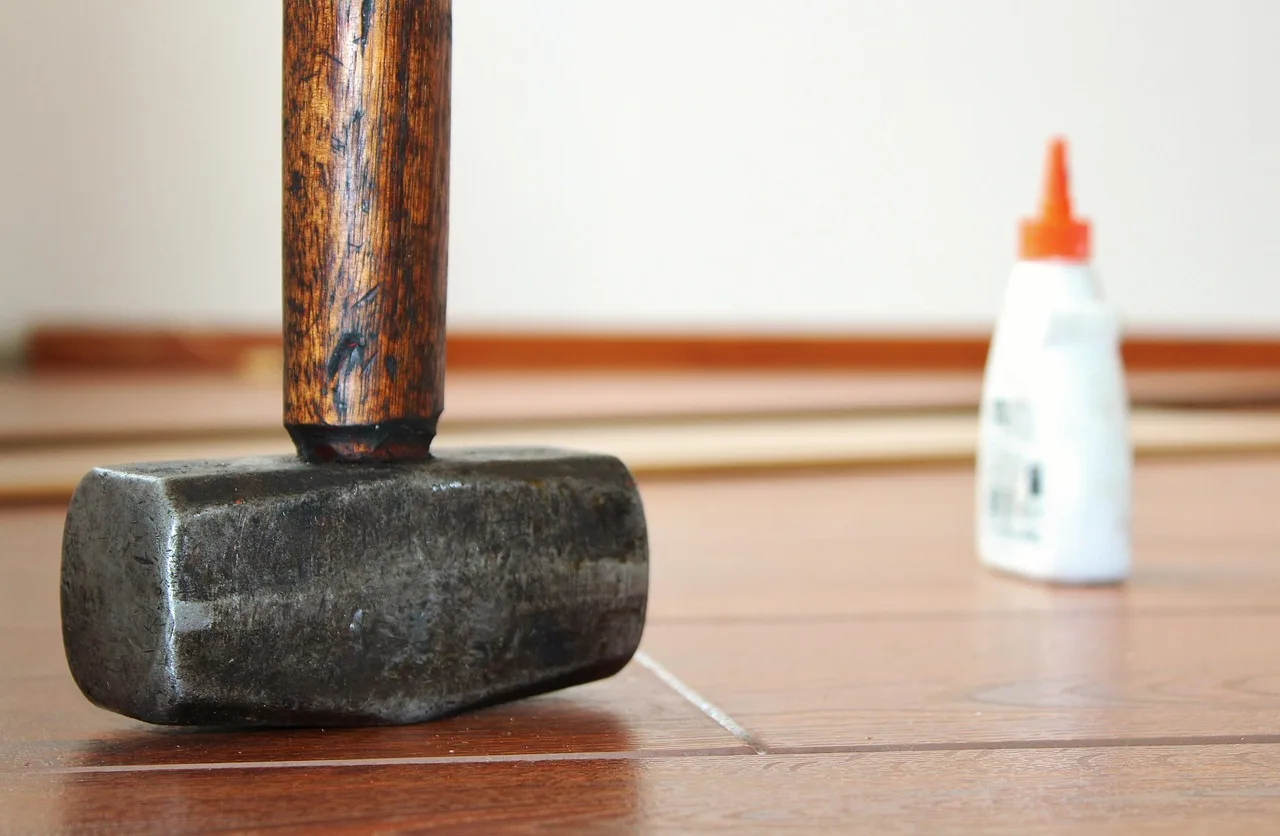
Yes. The joint can hold well, but the best method depends on load, visibility, and how much movement the project will see. Acrylic is smooth, so clean surfaces matter; wood is porous, so I treat it differently than acrylic.
For visible joints, clear two-part epoxy is usually my first choice. For light-duty display parts, silicone can fit when flexibility matters more than strength. When the part is structural, a mechanical fastener or hidden bracket first is often safer than glue alone.
When glue alone is the wrong call
If the wood part carries weight, the acrylic panel is thin, or the joint edge will be stressed by handling, use a mechanical-first approach. Small screws into wood, hidden clips, a backing strip, or a bracket can carry the load while the adhesive only seals and aligns.
I see that setup on display cases, wall signs, and mounted craft pieces. It also lowers the chance of edge lift on acrylic, which can happen when a rigid bond sees repeated flex.
According to How do you glue acrylic square bars? — Weld-On 4 is recommended for acrylic square bars.
Quick comparison
| Product | Badge | Best for | Price | ||
|---|---|---|---|---|---|
 |
Gorilla Super Glue, Fast‑Setting, Impact‑Tough All‑PurposeGORILLA | Our pick | 3 g · impact tough · crystal clear | $8.48
Price as of 26 Sep 2026
|
View |
 |
Eclectic Products inc. E6000 Plus Multi-purpose Clear Glue,E6000 | Best for crafts | Waterproof · paintable · flexible | $9.49
Price as of 26 Sep 2026
|
View |
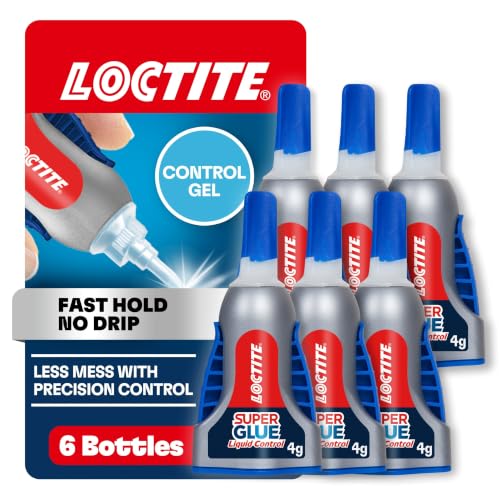 |
Loctite Super Glue Gel Control, Clear, 0.14 fl oz Bottle, 6Loctite | Best control | No drip · gel formula · 30-45 sec | $20.63
Price as of 26 Sep 2026
|
View |
 |
3M Hi-Strength 90 Spray Adhesive, Clear Glue, Net Wt 12.233M | For large areas | Spray adhesive · adjustable nozzle · fast tack | $22.59
Price as of 26 Sep 2026
|
View |
 |
Aleene’s Clear Gel Tacky Glue, Dries Clear, 4 fl ozAleene’s | Budget pick | 4 oz · water cleanup · environmentally safe | $2.54
Price as of 26 Sep 2026
|
View |
For mixed-material work, the practical winner is usually clear two-part epoxy. Solvent-based adhesive still matters, but mainly for acrylic-to-acrylic parts inside a larger wood-and-acrylic project.
Super glue is fast, but it may not be the first choice for many visible joints because it can bloom, craze edges, or leave a brittle seam.
How we chose
The comparison below weighs five things: clarity after cure, how well the adhesive handles porous wood and smooth acrylic, how easy it is for hobbyists to buy, and how much risk it carries for haze, squeeze-out, and stress cracking.
Bond strength matters, but so does finish quality. A strong cloudy joint is still a poor result on a display piece.
We also separate acrylic-only cements from true mixed-material options. That split matters because a product can be excellent on acrylic and still be wrong for wood.
Two-part clear epoxy: best for most wood-to-acrylic joints
Clear two-part epoxy is often a strong all-around choice for visible joints that need solid holding power. It bonds better across two different surfaces than most hobby glues, and it gives enough working time to align a frame, mount, or sign cleanly.
It fits display bases, wood frames, nameplates, and mounted craft parts well. The drawback is the glue line: epoxy can leave a visible seam if applied heavily, and cleanup has to happen before it starts to gel. On very thin acrylic, too much clamping force can also telegraph stress into the plastic.
Will super glue hold wood to acrylic?
Sometimes, but only on tiny parts, quick tack jobs, and light-duty fixes. Super glue can bond wood to acrylic fast, yet it is often a poor first choice for visible joints because it can go brittle, create white bloom, and leave little margin for error on gaps.
Use it for temporary positioning or small craft details that do not carry weight. For a frame corner, sign mount, or display base, epoxy is usually the safer clear adhesive.
Where cyanoacrylate makes sense
Use it when the parts fit tightly, the area is tiny, and the bond will not be flexed. A gel formula helps on vertical work, but it still does not forgive poor fit or dusty surfaces.
From the spec sheet and owner feedback, the clear gel style is easier to place than thin liquid super glue. Even so, it can still leave a frosted edge or a brittle seam if the acrylic moves.
Solvent cement: best for acrylic-to-acrylic parts in a wood project
Solvent-based adhesive is the right chemistry for acrylic-to-acrylic joints. Weld-On 4 is recommended for acrylic square bars, and Acrifix is another recommended acrylic adhesive. These adhesives melt acrylic to create a bond, and the goal is a strong and clear bond.
That matters when a wood project includes acrylic panels, dividers, lids, or face plates. It does not make solvent cement the main answer for wood-to-acrylic bonding, because wood is porous and does not fuse the same way acrylic does.
When acrylic cement still matters
If the project includes a clear acrylic box attached to a wooden base, use solvent cement for the acrylic seams first, then join the finished acrylic assembly to the wood with epoxy or a mechanical fastener. That two-step approach is cleaner than forcing one adhesive to do every job.
On pure acrylic edges, solvent cement usually leaves the cleanest seam. On mixed materials, it is a specialist tool, not the default answer.
Decision table: which clear adhesive fits your project?
| Project type | Best adhesive family | Bond strength | Clarity | Gap-filling | Cure speed | Visible-joint risk |
|---|---|---|---|---|---|---|
| Wood frame on acrylic panel | Two-part clear epoxy | High | Good | Good | Moderate | Low to medium |
| Display base with light parts | Two-part clear epoxy | High | Good | Good | Moderate | Medium |
| Acrylic lid, divider, or box seam | Solvent-based adhesive | High on acrylic | Very good | Poor to fair | Fast initial set | Low |
| Small craft detail or tack point | Super glue | Medium | Good at first | Poor | Very fast | Medium to high |
| Flexible edge or removable display part | Silicone | Low to medium | Good | Good | Slow | Low |
| Paper craft or light-duty foam-backed mount | Clear tacky glue | Low | Good | Poor to fair | Slow | Low to medium |
Short verdict by project
For signs and framed art, epoxy is usually the best visible-joint option. For acrylic display cases, solvent cement is better on the acrylic seams, but not on the wood-to-acrylic joint itself.
For light craft mounts, a flexible adhesive may be enough if the part will not be loaded. For anything that may be handled often, epoxy or a mechanical support is the safer route.
How do you prepare acrylic before gluing it to wood?
Clean acrylic with mild soap and water, then dry it with a lint-free towel. If stubborn marks remain, isopropyl alcohol can help remove them. Avoid rough pads because they scratch acrylic and can leave a bond line that looks cloudy.
The wood side should also be dry, clean, and free of dust or finish residue. If the wood is oily, glossy, or freshly sealed, the adhesive may sit on top instead of soaking in enough to grab.
Practical prep steps
- Wash the acrylic with mild soap and water.
- Dry it with a lint-free towel.
- Wipe stubborn marks with isopropyl alcohol.
- Leave the surface free of dust and fingerprints.
- Make sure the wood is dry, clean, and well fitted.
- Dry-fit the parts before any adhesive goes on.
How long does acrylic adhesive take to cure?
For acrylic adhesive work, wait 24 to 48 hours for curing. That gives the bond time to gain useful strength before it is stressed, moved, or loaded. Handle the part earlier only if the adhesive instructions allow it and the joint is not bearing weight.
Super glue grabs quickly, but quick grab is not full cure. Epoxy is usually slower, which is one reason it gives more working time on visible mixed-material joints. Solvent cement can set fast on acrylic, yet the assembly still needs time before it is put under load.
Clamping and holding pressure
Clamps are used to hold acrylic pieces in place, and they help reduce gaps during cure. Use firm alignment pressure, not crushing force. Too much pressure can squeeze out too much adhesive or stress thin acrylic edges.
A squeeze bottle is useful when the joint line is narrow and a precise bead matters. It helps keep the adhesive where it belongs instead of flooding the face of the acrylic.
How do you keep glue joints clear on acrylic displays?
Clear joints depend on three things: clean surfaces, the right adhesive, and restrained application. Use the thinnest practical glue line, wipe squeeze-out before it sets, and avoid adhesives that bloom or leave a visible haze on the exposed edge.
On display work, the joint should disappear from normal viewing angles. If the seam will be front and center, epoxy usually gives better control than a fast glue that clouds or skins unevenly.
Ways to keep the seam neat
Mask the acrylic face near the joint if the adhesive is likely to squeeze outward. Apply only enough material to wet the surfaces, not flood them. Keep the parts aligned during cure so the seam does not open as the adhesive shrinks.
For acrylic-to-acrylic seams in a wood project, solvent cement can produce the cleanest look. For wood-to-acrylic, the best result often comes from a careful epoxy bead and a hidden support strip.
Is epoxy or silicone better for wood and acrylic?
Epoxy is usually better when strength and a clear visible joint matter. Silicone can be a better choice when the parts may flex, need vibration resistance, or should be removable later. For most wood-to-acrylic craft and display projects, epoxy is the stronger and cleaner default.
Silicone is not the first choice for a stiff sign panel or a frame corner. It can stay clear, but it rarely gives the same rigidity or load-bearing confidence as epoxy.
When flexibility matters more than strength
Use silicone on light-duty edge seals, spacer pads, or parts that should absorb movement. That can be useful on a display cover or a lightly loaded decorative panel.
When the bond must hold alignment and carry weight, silicone usually gives up too much strength. In that case, a mechanical support plus epoxy is a better plan.
Gorilla Super Glue: best for tiny fast fixes

This is for small, low-load repairs where speed matters more than long open time. The compact tubes are useful for pinpoint work, and the clear finish makes it acceptable for minor touch-ups on craft pieces.
The drawback is the same one that comes with most super glue: it can be brittle, it has little gap-filling ability, and it is not forgiving on visible acrylic seams. For larger wood-to-acrylic joints, it is a backup product, not the first pick.
E6000 Plus: best for flexible craft bonds
This suits hobbyists who need a clear adhesive that stays flexible after cure. It can be useful on mixed craft assemblies, especially where the joint may see vibration, handling, or a small amount of movement.
The downside is cure patience and cleanup. Flexible adhesives are slower, and the finished bond is not as crisp-looking as a well-made epoxy seam on a display piece.
Loctite Super Glue Gel Control: best for vertical spot repairs
This is a practical pick for small vertical repairs and pinpoint placement. The gel formula helps reduce drips, and the clear finish can be helpful when the part is tiny and the glue line is nearly invisible.
The limitation is the same as other cyanoacrylates: it is not the best answer for a stressed wood-to-acrylic joint. It can still leave bloom, and it does not forgive poor fit or movement during cure.
3M Hi-Strength 90 Spray Adhesive: best for broad light-duty mounting
This fits large-area mounting where a spray pattern is more useful than a bead. It is handy for laminate-like work or backing sheets, especially when the goal is quick tack over a wide surface.
The drawback is precision. Spray adhesive is harder to control at a neat acrylic edge, and it is a poor choice for a clear structural seam or a visible corner joint.
Aleene’s Clear Gel Tacky Glue: best for low-cost light crafts
This is a budget-friendly option for small decorative projects that do not carry much load. It is easy to clean up with water and can be useful when the goal is a simple clear tack rather than a structural bond.
The weakness is strength. It is too light-duty for most wood-to-acrylic joints that will be handled, lifted, or displayed for long periods.
Which one should you buy
Buy clear two-part epoxy if the bond will be seen and needs real strength. That is the best all-around answer for a wood frame on acrylic, a mounted nameplate, or a display base that will be handled.
Choose solvent cement only when the joint is acrylic-to-acrylic. Weld-On 4 and Acrifix belong in that lane, not as the main answer for bonding wood to acrylic.
Use super glue only for tiny, non-structural parts or quick positioning. Reach for silicone only when flexibility matters more than strength, and accept that the seam may not stay as rigid or as neat as epoxy.
If cost matters most, Aleene’s Clear Gel Tacky Glue is the cheapest option here, but it is best kept to light craft work. For a hobbyist who wants a dependable visible bond, E6000 Plus is a middle ground; for the cleanest structural answer, epoxy still wins.
When the acrylic is doing the real load-bearing, add a hidden bracket, support strip, or screw first. Glue should help the joint, not carry every bit of stress alone.
Frequently asked questions
What is the best clear adhesive for wood to acrylic?
Clear two-part epoxy is usually the best clear adhesive for wood to acrylic. It gives a strong bond, decent gap-filling, and a cleaner look than many fast glues. For very flexible, light-duty work, silicone can be acceptable, but it is not the first choice for strength.
Sponsored / affiliate links. As an Amazon Associate I earn from qualifying purchases. I may earn additional commission from eligible campaigns.