Wood Plus Hardwood Flooring: Quality Review Guide
Picking the right hardwood floor can feel a bit tricky, especially when you first start looking. You might see lots of options and wonder where to begin. But don’t worry!
This guide is here to make things simple. We’ll walk you through everything you need to know about Wood Plus Hardwood Flooring: Quality Review Guide step by step. Get ready to learn how to choose the best floors for your home without any fuss.
Let’s get started!
Wood Plus Hardwood Flooring Quality Guide
Choosing hardwood flooring is a big decision for any home. It adds beauty and value, but with so many choices, it’s easy to feel lost. This guide will help you understand what makes hardwood floors great, focusing on what to look for.
We’ll cover the different types of wood, how they’re made, and what to expect in terms of durability and style. By the end, you’ll feel confident in selecting the perfect Wood Plus hardwood flooring for your space. This section sets the stage by explaining the importance of quality in hardwood floors and what factors contribute to it.
It prepares you to make informed decisions about your home’s most visible and walked-on surfaces.
Understanding Hardwood Types
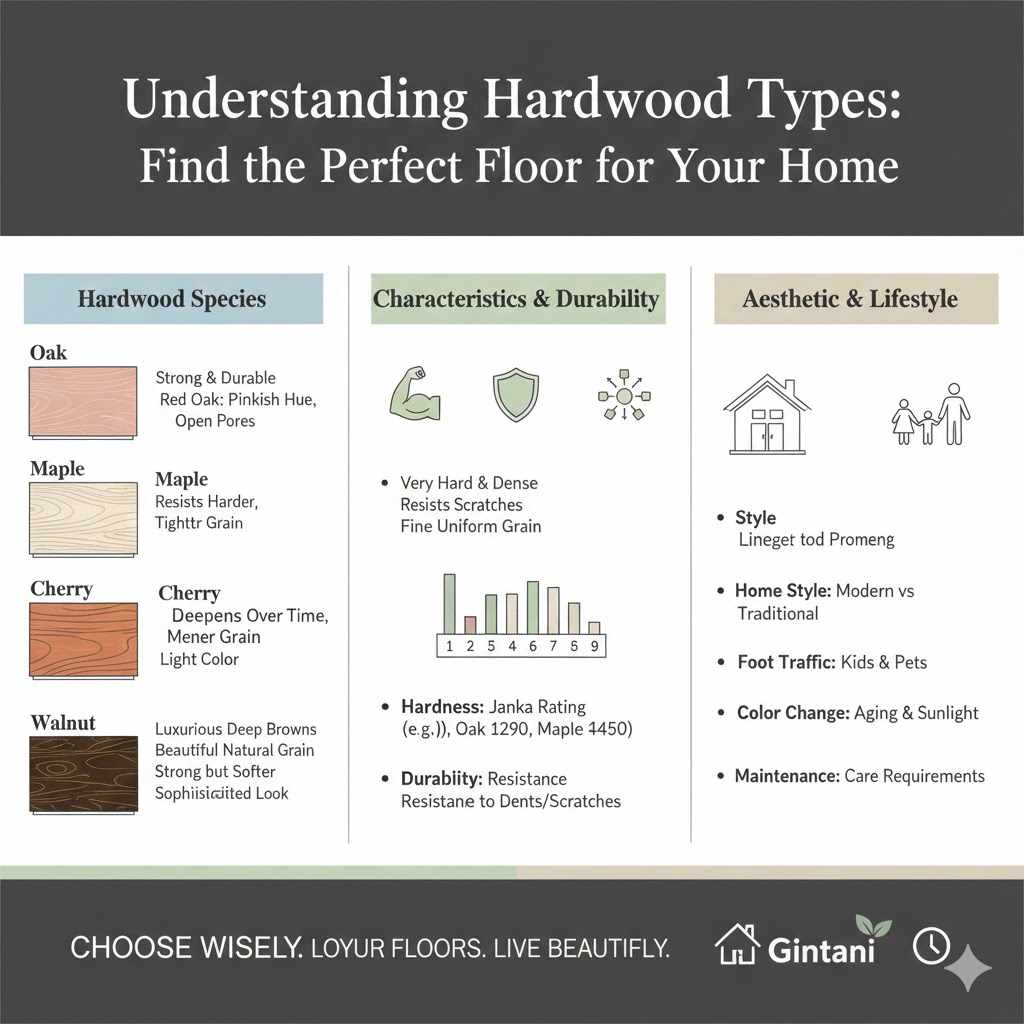
Hardwood floors come from various trees, and each type has its own look and hardness. Knowing the difference helps you pick a floor that fits your lifestyle and aesthetic. Some woods are softer and easier to scratch, while others are very tough and resist dents well.
This section breaks down the most common hardwood species used in flooring, detailing their unique characteristics.
- Oak Flooring Explained. Oak is a very popular choice for hardwood floors because it’s strong and looks good. It has a prominent grain pattern that many people like. Oak floors are also quite durable, meaning they can last a long time if you take care of them. There are two main types of oak: red oak and white oak. Red oak has a slightly pinkish tone, and its grain has more open pores. White oak is a bit harder and more resistant to moisture, with a tighter grain. Both are excellent choices for most homes.
- Maple Flooring Characteristics. Maple is known for being very hard and dense. This makes it highly resistant to scratches and dents, which is great for busy households with kids or pets. Maple floors have a fine grain and a generally lighter color, often with subtle figuring like bird’s eye or tiger stripe. Its smooth, uniform appearance makes it a good base for staining if you want a different color. However, because it’s so dense, it can be a bit harder to install than some other woods.
- Cherry Flooring Appeal. Cherry wood offers a rich, warm color that deepens and matures over time, often developing a beautiful reddish-brown hue. It has a finer grain than oak and can sometimes show elegant wavy patterns. Cherry is a medium-hard wood, so while it’s beautiful, it might be more prone to dents and scratches than oak or maple, especially in high-traffic areas. Many people choose cherry for its classic, elegant look and its tendency to age gracefully.
- Walnut Flooring Elegance. Walnut is a luxurious hardwood that comes in a wide range of deep, rich brown tones, from light to dark chocolate. It has a beautiful, natural grain that can be straight or wavy, adding character to any room. Walnut is a strong wood, but it’s generally softer than oak or maple. This means it can dent more easily but also sands down beautifully if needed. Its sophisticated look makes it a premium choice for many homeowners.
What Is Wood Plus Hardwood Flooring Quality Review Guide
When you see “Wood Plus Hardwood Flooring: Quality Review Guide,” it means you’re looking for information to help you judge the quality of Wood Plus brand floors. This kind of guide usually compares different products, highlights their strengths and weaknesses, and offers advice on what to look for to ensure you’re getting good value and a floor that will last. It’s about understanding the construction, finish, and overall performance of their flooring.
This section will explain how to interpret such a guide and what critical elements to seek out.
Understanding Flooring Construction
Hardwood floors aren’t all made the same way. The way a plank is constructed affects how it looks, how it performs, and where it can be installed. There are two main types: solid hardwood and engineered hardwood.
Each has benefits, and understanding them is key to choosing the right floor for your home and lifestyle. This part explains the difference so you can make a smart choice.
Solid Hardwood Flooring
Solid hardwood planks are made from a single piece of wood, from top to bottom. This means each board is the same type of wood all the way through. Because it’s solid wood, it can be sanded and refinished many times over its lifespan, allowing for a complete refresh if scratches or wear appear.
This makes solid hardwood a very long-lasting option. However, solid wood is sensitive to changes in humidity and temperature. It’s best installed in areas of the home that have stable climate control, like living rooms or bedrooms.
It’s not typically recommended for basements or bathrooms where moisture levels can fluctuate a lot.
Engineered Hardwood Flooring
Engineered hardwood looks and feels like solid hardwood, but it’s constructed differently. It has a top layer, called the wear layer, made of real hardwood. Beneath that are layers of plywood or high-density fiberboard (HDF) stacked in opposite directions.
This cross-grain construction makes engineered wood more stable and less likely to expand or contract with changes in humidity and temperature. Because of its stability, engineered hardwood can be installed in more places than solid hardwood, including basements and even some areas prone to moisture, like kitchens or laundry rooms. The thickness of the wear layer determines how many times it can be sanded and refinished.
The Importance of Finish Quality
The finish on your hardwood floor is more than just pretty. It’s the protective shield that keeps your floor looking good against daily wear and tear. A high-quality finish means your floor will resist scratches, fading from sunlight, and spills better.
It also affects how easy the floor is to clean and maintain. This part looks at the different types of finishes and why a good one matters.
Surface Finishes
There are generally two main types of finishes applied to hardwood floors: surface finishes and penetrating finishes. Surface finishes, like polyurethane, create a strong, protective layer on top of the wood. Polyurethane is very popular because it’s durable and water-resistant.
It comes in different sheens, from matte to high gloss, allowing you to choose the look you want. Most prefinished hardwood floors use polyurethane. It’s great for resisting spills and everyday scuffs.
However, when a surface finish gets damaged, like with deep scratches, it can be hard to repair just a small area. Often, the whole floor needs to be re-sanded and refinished to fix it.
Penetrating Finishes
Penetrating finishes, also known as hardwax oils or natural oil finishes, soak into the wood rather than just sitting on top. They nourish the wood and offer a more natural, matte look that highlights the wood’s grain and texture. These finishes allow the wood to “breathe.” One of the big advantages is that scratches or wear marks can often be spot-repaired easily by applying more oil to the affected area.
This makes maintenance simpler for many people. However, oil finishes are generally less resistant to moisture and stains than polyurethane. They require more frequent reapplication of oil to maintain protection.
Grading and Durability Ratings
Hardwood is graded based on its appearance, with different grades allowing for varying numbers of knots, color streaks, and natural imperfections. These grades affect the look and the price. Durability is often talked about using Janka hardness ratings.
This scale measures how much force it takes to dent or ding a piece of wood. Higher numbers mean a harder, more dent-resistant floor. Knowing these ratings helps you pick a floor that can stand up to your daily life.
Understanding Wood Grades
Hardwood flooring is graded to describe the natural characteristics of the wood. The most common grading system is the NHLA (National Hardwood Lumber Association) system. This system uses grades like First, Second, and Third, or Prime, Select, and Common.
- Prime Grade (or First Grade). This is the highest grade. It means the wood has very few natural defects like knots or color variations. The grain is usually straighter and more uniform. Floors with this grade look very clean and consistent, offering a sophisticated appearance. Many people prefer this look for a modern or formal style.
- Select Grade (or Second Grade). This grade allows for a few more natural characteristics than prime grade. You might see small knots or some color variation, but the overall look is still quite clean. It offers a good balance between a natural look and a refined appearance, making it a popular choice for many homes. The slight imperfections add character without being distracting.
- Common Grade (or Third Grade). This grade permits more knots, color streaks, and grain variations. It gives the floor a more rustic and natural feel. Floors with this grade are often more affordable than higher grades. They are perfect for achieving a farmhouse or country look. The variations in the wood add warmth and unique character to a room.
The Janka Hardness Scale
The Janka hardness test is a standard way to measure the hardness of different wood species. It measures the force required to embed a 0.444-inch steel ball halfway into a piece of wood. A higher Janka rating means the wood is harder and more resistant to dents and scratches.
For example, Red Oak typically has a Janka rating of around 1290, while Hickory can have a rating of over 1800. White Oak is around 1360. Softer woods like Pine might have ratings below 1000.
Knowing this number helps you predict how well your floor will hold up in high-traffic areas or with pets.
| Wood Species | Average Janka Rating |
|---|---|
| Pine (Eastern White) | 380 |
| Cherry (American) | 950 |
| Oak (Red) | 1290 |
| Oak (White) | 1360 |
| Hickory | 1820 |
This table shows how different woods compare in hardness. You can see that Hickory is much harder than Red Oak, for instance. Choosing a wood with a higher Janka rating means your floor will likely stay looking newer for longer, especially in busy parts of your home.
Installation Considerations and Warranties
How your hardwood floor is installed is just as important as the floor itself. Proper installation ensures it looks good, performs well, and lasts for years. Also, understanding the warranty will give you peace of mind about your investment.
This part covers what to think about when installing your Wood Plus floors and what kind of protection you can expect.
Installation Methods
Hardwood floors can be installed in several ways, depending on the type of flooring and the subfloor.
- Nail-Down Installation. This is a common method for solid hardwood flooring. The planks are fastened to a wooden subfloor using nails. The nails go through the tongue of the plank into the subfloor. This method creates a very secure and stable floor. It’s best done by professionals who have the right tools and experience to avoid damaging the planks. It’s not suitable for engineered wood that is too thin or for installation over concrete.
- Glue-Down Installation. This method involves adhering the hardwood planks directly to the subfloor using a special adhesive. It’s often used for engineered hardwood, especially when installing over concrete or in areas where nail-down isn’t feasible. A good quality adhesive is crucial for a strong bond. This method can also help reduce noise transmission. It requires careful preparation of the subfloor to ensure it’s clean, dry, and level for the best results.
- Floating Installation. In this method, the planks are joined together to create a single large “mat” that lies on top of the subfloor. It is not attached to the subfloor itself. This is a popular method for engineered hardwood and laminate flooring. The planks usually click or lock together. A thin underlayment is typically used beneath the floating floor to provide cushioning and a moisture barrier. This method is often considered easier for DIY installation.
The choice of installation method can affect the feel of the floor, its sound, and its longevity. Always consider the type of wood flooring and your subfloor when deciding.
Understanding Warranties
Most quality hardwood flooring brands offer warranties to protect your investment. These warranties typically cover manufacturing defects and the wear layer. It’s important to read the warranty details carefully.
- Wear Layer Warranty. This covers the top layer of the hardwood. For engineered wood, it specifies how long the finish and the real wood veneer are guaranteed not to wear through under normal use. For solid wood, it might refer to the thickness of the wood that can be sanded away over its lifetime. A longer wear layer warranty is generally better.
- Finish Warranty. This part of the warranty guarantees that the protective finish on the floor will not peel, flake, or wear away prematurely under normal conditions. The length of this warranty can vary greatly between brands and product lines. Look for finishes that are known for their durability, like UV-cured polyurethane.
- Structural Warranty. This covers defects in the manufacturing of the plank itself, such as warping or delamination (where layers separate). These warranties are often for the lifetime of the original purchaser. It’s important to ensure the warranty covers issues that could arise from how the floor was made.
Remember that most warranties require proper maintenance and installation. Failing to follow care instructions or using improper cleaning products can void your warranty. Always keep your proof of purchase and installation records.
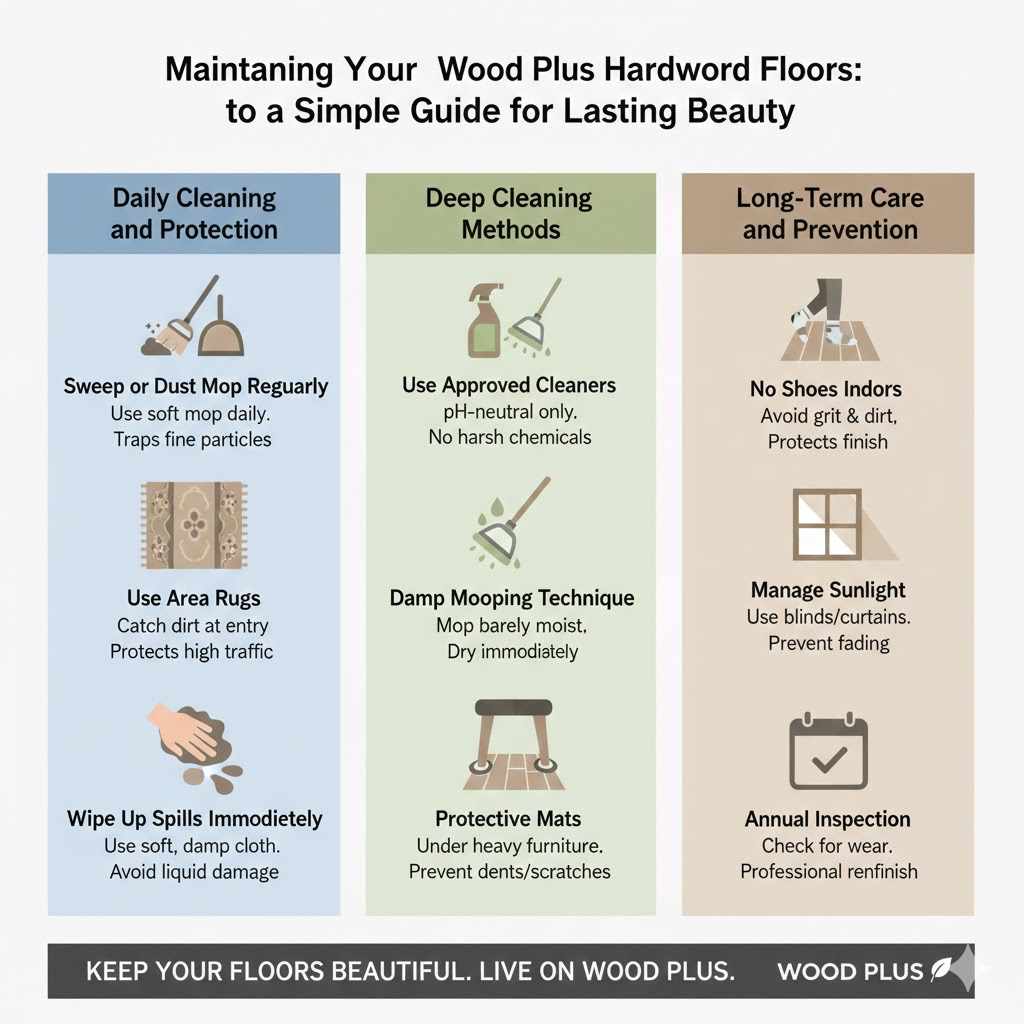
Maintaining Your Wood Plus Hardwood Floors
Even the highest quality hardwood floors need care to look their best and last for many years. Regular cleaning and simple preventative measures go a long way. This section provides practical tips for keeping your Wood Plus hardwood floors beautiful.
Daily Cleaning and Protection
Keeping your floors clean is the first step in protecting them. Dust and dirt can act like sandpaper underfoot, scratching the finish over time.
- Sweep or Dust Mop Regularly. Use a soft-bristle broom or a microfiber dust mop daily or every other day, especially in high-traffic areas. This removes loose dirt, dust, and debris before they can cause damage. Microfiber mops are excellent for trapping fine particles.
- Use Area Rugs. Place rugs in entryways and high-traffic areas like hallways and living rooms. This is a simple way to catch dirt and grit before it gets tracked onto your hardwood. Make sure the rugs have a backing that won’t discolor or damage the floor finish.
- Wipe Up Spills Immediately. Accidents happen, but the key is to clean them up right away. Use a soft, absorbent cloth. For sticky messes, slightly dampen the cloth with water or a pH-neutral cleaner approved for hardwood floors. Don’t let liquids sit on the floor, as they can seep into the wood and cause stains or damage.
Deep Cleaning Methods
While daily cleaning is important, occasional deep cleaning will keep your floors looking pristine.
- Use Approved Cleaners. When you need to clean your floors more thoroughly, always use a cleaner specifically designed for hardwood floors. Avoid harsh chemicals, ammonia-based cleaners, or abrasive scrubbing pads, as these can damage the finish. Many manufacturers recommend specific cleaning products or types of cleaners.
- Damp Mopping Technique. When mopping, use a damp mop, not a soaking wet one. The mop should be wrung out so it’s just barely moist. Excessive water can warp the wood or damage the finish over time. Work in small sections and dry the floor immediately with a clean, soft cloth if needed.
- Protective Mats. Use mats under heavy furniture and appliances to prevent dents and scratches. For chairs with wheels, consider using furniture coasters or a chair mat designed for hard floors. This helps distribute the weight and prevents rolling marks.
A few simple habits can ensure your Wood Plus hardwood floors remain a beautiful feature of your home for many years to come. Regular attention makes a big difference.
Frequently Asked Questions
Question: What is the best type of wood for high-traffic areas
Answer: For high-traffic areas, look for hardwoods with a high Janka hardness rating. Species like Hickory, Maple, and White Oak are excellent choices because they are very dense and resistant to dents and scratches. Engineered hardwood with a thick wear layer is also a good option.
Question: Can I install hardwood floors in a bathroom
Answer: Generally, solid hardwood is not recommended for bathrooms due to humidity. Engineered hardwood with a good water-resistant finish and proper installation might be suitable for some bathrooms, but it’s still a riskier choice. Vinyl or tile are usually safer options for very wet areas.
Question: How often should I refinish my hardwood floors
Answer: The need to refinish depends on the wear and tear. Solid hardwood floors can usually be refinished multiple times. With good care, they might need refinishing every 10-20 years.
Engineered hardwood can often be refinished once or twice, depending on the wear layer thickness.
Question: Are Wood Plus floors easy to maintain
Answer: Wood Plus hardwood floors are designed for quality and durability. With regular sweeping and occasional damp mopping using approved cleaners, they are relatively easy to maintain. Preventative measures like using rugs and coasters also help keep them looking great.
Question: What is the difference between prefinished and site-finished hardwood
Answer: Prefinished hardwood floors come from the factory with the finish already applied to the planks. They are ready to install. Site-finished floors are installed as raw wood, and then the finish is applied on-site.
Prefinished floors offer a consistent factory finish and faster installation, while site-finished floors allow for custom stain colors and can be more easily repaired.
Summary
Choosing Wood Plus hardwood flooring involves understanding wood types, construction, and finishes. Look for high Janka ratings for durability and consider installation methods and warranties. Proper care through regular cleaning and protection ensures your floors remain beautiful.
This guide empowers you to select quality floors that suit your home.