Worm Gear Saw vs Circular Saw: RPM, Torque & Price (2026)
A worm gear saw is not a separate tool from a circular saw — it’s one of the two main circular saw types, but it trades RPM for torque through a worm-gear drivetrain sidewinder saws skip. Buying on the wrong assumption costs money: worm-drive saws run $170-400, about $50-150 more than a comparable sidewinder, for torque most trim work never needs. This guide compares RPM, torque, weight, maintenance, and price.
Is a Worm Gear Saw the Same as a Circular Saw?
Best Worm Drive Saw Pick
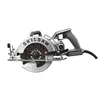
SKILSAW 15-Amp 7-1/4″ Worm Drive Circular Saw – $169.99
The classic aluminum worm-drive body this guide’s torque and weight numbers are based on — built for the long rips through doubled or wet pressure-treated lumber covered above.
- Best for: Framing, deck ledgers, long rips in thick or wet lumber
- Why we picked it: The same worm-drive layout and torque profile referenced throughout this comparison
- Main drawback: At roughly 14 lbs, it’s noticeably heavier than a sidewinder for overhead cuts
Compare more circular saw options
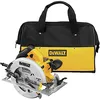 Option 1: Sidewinder DEWALT 7-1/4″ Circular Saw (DWE575SB) – $127.05
|
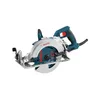 Option 2: Quieter Worm Drive Bosch 7-1/4″ Worm Drive Saw (CSW41) – $275.00
|
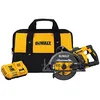 Option 3: Cordless Worm-Style DEWALT FLEXVOLT 60V Worm-Style Saw Kit – $487.99
|
As an Amazon Associate we earn from qualifying purchases.
Yes — a worm gear saw (also called a worm drive saw) is a type of circular saw, not a competing category of tool. “Circular saw” is the umbrella term for any saw that spins a round blade to cut; underneath that umbrella sit two common drivetrain designs: the sidewinder (also called direct-drive), with the motor mounted beside the blade, and the worm drive, with the motor housed behind the blade and connected through a worm-shaped gear set at a 90-degree angle.
The confusion is understandable. A worm drive looks and feels different enough — longer body, blade on the left, noticeably heavier — that plenty of buyers assume it’s an entirely different product line. It isn’t. Both saw types accept the same standard 7-1/4 inch blades, cut the same materials, and show up in the same “Circular Saws” category on every major retailer’s site. For the deeper spec-by-spec breakdown once you already know both are circular saws, see our full sidewinder vs. worm drive saw comparison.
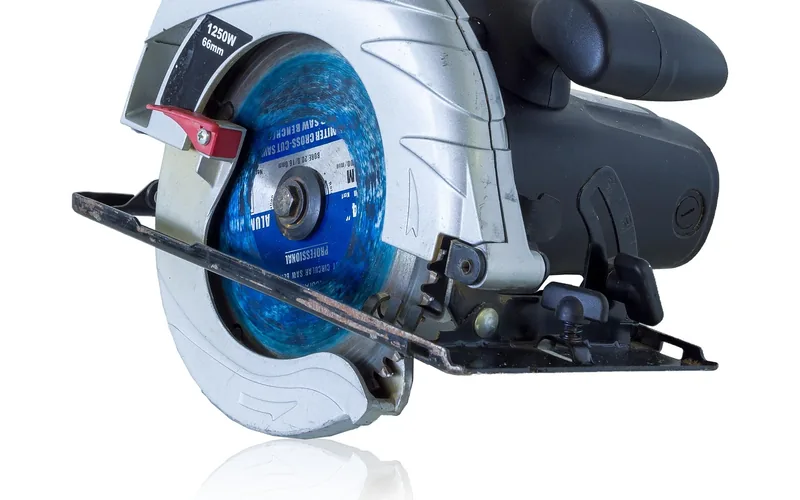
Worm Drive vs Sidewinder: Key Differences at a Glance
Once you know both are circular saws, the real decision is which drivetrain fits your work. Here’s how the two compare on the specs that actually matter on a job site.
| Spec | Worm Drive | Sidewinder | Best For |
|---|---|---|---|
| Motor position | Behind blade, 90° worm gear | Beside blade, inline | — |
| Typical RPM | ~4,500–5,300 | ~5,200–6,300 | Sidewinder: faster cuts |
| Torque under load | Higher, holds speed | Drops in thick stock | Worm drive: thick/wet lumber |
| Typical weight | ~12–15 lbs | ~7–9 lbs | Sidewinder: overhead/tight spots |
| Typical price | $170–$400+ | $50–$150 | Sidewinder: budget builds |
| Maintenance | Gear oil every 50–100 hrs | Sealed bearings, minimal | Sidewinder: less upkeep |
Power and Cutting Performance (RPM and Torque)
A worm drive’s lower RPM isn’t a weakness — it’s a trade. Gear reduction inside the worm-drive housing converts some of that spinning speed into torque, so the blade keeps pushing through dense material instead of bogging down. A sidewinder spins faster out of the gate, which cuts cleaner in thin plywood and trim stock, but loses more speed under heavy load because it has no gear reduction to fall back on.
📊 Corded worm-drive saws typically spin 4,500–5,300 RPM, while corded sidewinders run 5,200–6,300 RPM — per published SKILSAW and DEWALT tool specifications.
In practice: a worm drive is the better call for ripping doubled 2x lumber, wet pressure-treated deck framing, or engineered beams. A sidewinder is the better call for sheet goods, trim, and anything where you’re changing angles or working overhead all day. If you’re weighing a fixed miter-style cut instead of a handheld rip, our circular saw vs. drop saw comparison covers that decision separately.
Weight and Handling on the Job
Weight is the other half of the trade-off. A typical worm drive runs 12 to 15 pounds; a comparable sidewinder runs 7 to 9 pounds. That difference barely registers for a few cuts, but it adds up fast over an 8-hour framing day, especially for overhead work or cutting above shoulder height.
The extra weight isn’t only a downside, though. On long rips across a sawhorse, a worm drive’s mass and its blade-on-the-left layout give better visibility down the cut line and more stable tracking — part of why framing crews tolerate the added heft.
Maintenance: Why Worm Drives Need Gear Oil
A sidewinder’s motor drives the blade directly through sealed bearings, so upkeep is mostly blade changes and brush replacement. A worm drive adds one extra job: the worm gear runs in an oil-filled reservoir, and that oil breaks down with heat and use.
📊 Most worm-drive manufacturers call for a gear-oil change after the first 10 hours, then every 50–100 hours of runtime — Source: Fine Homebuilding, tool maintenance guide
Skip this and the worm gear runs dry under load, which wears the bronze worm wheel and can shorten the saw’s life by years. It takes about ten minutes and a bottle of the manufacturer’s specified worm-drive oil — never standard motor oil, which foams under the gear’s high-speed churning. A sidewinder never asks for this, which is the real reason people call it “lower maintenance,” not the blade itself.
Safety Features
Both saw types ship with a spring-loaded retractable lower blade guard and a trigger lock-off to prevent accidental starts; neither design is inherently “safer” on paper. What actually changes the risk on the job is blade position and handling, not the badge on the motor housing.
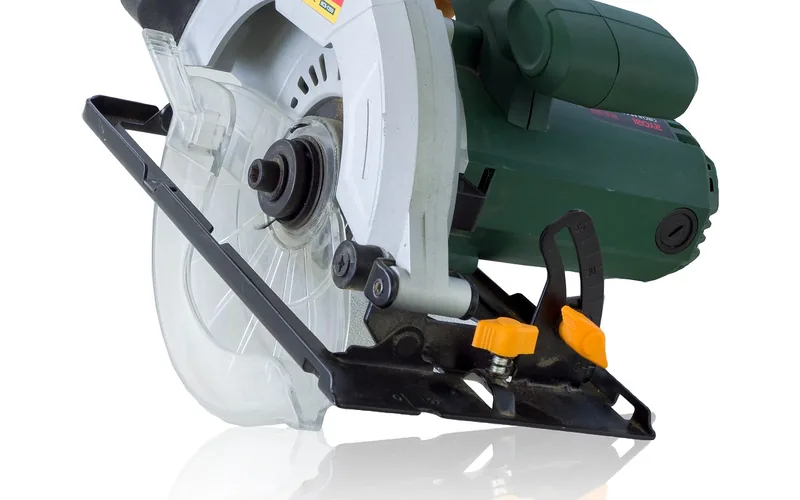
A worm drive’s blade-on-the-left position (for right-handed users) keeps the blade further from your body during a rip, which many framers count as a safety plus. Whichever saw you run: keep both hands on the tool during the cut, never remove or wedge open the lower guard, and check the blade for damage before every use.
Which Saw Should You Buy for Your Project?
Buy a worm drive if you’re framing, building deck ledgers, or ripping pressure-treated or engineered lumber on a regular basis — the torque and tracking pay for the extra weight and price. Buy a sidewinder if you’re doing general DIY, trim, sheet goods, or any job with a lot of overhead or awkward-angle cutting, where the lighter weight matters more than peak torque.
“A worm drive’s advantage rarely shows up in a five-second cut — it shows up on the tenth foot of a long rip through wet, pressure-treated lumber, when a sidewinder’s higher RPM starts to bog and the worm drive just keeps pulling.”
If your work is mostly a dedicated worm drive skill saw already, upgrading rarely makes sense until the gears wear out. If you’re still building your first tool kit, our full best circular saw guide compares both drivetrain types across more models and budgets, and our cordless circular saw buying guide covers battery options in more depth if a cord is the dealbreaker.
Frequently Asked Questions
Is a worm drive saw the same as a circular saw?
Yes. A worm drive, or worm gear, saw is one of the two main circular saw designs, alongside the sidewinder. Both spin a round blade to cut, but a worm drive routes power through a worm gear at a 90-degree angle, which is why many people mistake it for a separate tool entirely.
Is a worm drive saw better than a regular circular saw?
Neither is universally better. A worm drive delivers more torque and holds cutting speed under load, which favors ripping thick or wet lumber. A sidewinder spins faster, often 5,200 to 6,300 RPM, weighs less, and is easier to control overhead or in tight spaces.
Why do framers prefer worm drive saws?
Framers cut long rips through doubled or wet pressure-treated lumber all day, and a worm drive’s gear reduction keeps the blade from bogging down under that sustained load. The extra weight also improves balance for one-handed cuts across a sawhorse or joist.
How often do you need to oil a worm drive saw?
Most manufacturers recommend changing the gear oil after the first 10 hours of use, then every 50 to 100 hours of runtime, or at least once a year for occasional DIY use. Skipping this is the single most common cause of premature worm-gear wear.
Can a cordless circular saw replace a worm drive saw?
Modern battery worm-style saws, built around the same worm-gear housing, come close for most residential framing. They still trail corded worm drives on sustained torque during all-day commercial use, where battery runtime and motor heat become the limiting factors.
Conclusion
A worm gear saw was never a rival to the circular saw — it’s one of the two drivetrains circular saws come in, and the real choice is worm drive versus sidewinder, not “worm gear versus circular saw.” Pick the worm drive for torque-heavy framing and wet lumber, and the sidewinder for lighter, faster, more maneuverable everyday cuts.
Sponsored / affiliate links. As an Amazon Associate I earn from qualifying purchases. I may earn additional commission from eligible campaigns.