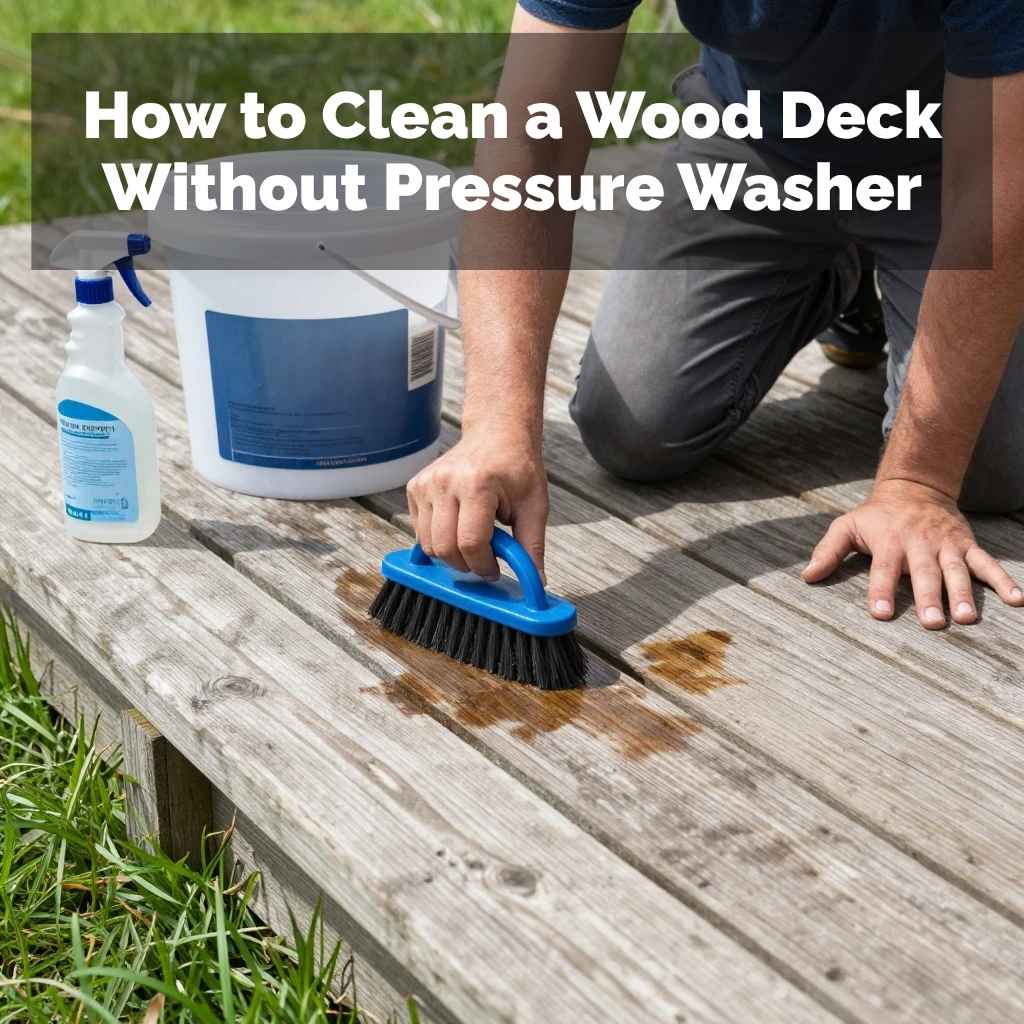
How to Clean a Wood Deck Without Pressure Washer
Cleaning your wood deck can seem tricky, especially if you don’t have a power washer. Many people worry about damaging their deck or spending too much time and effort. But don’t worry!
It’s totally possible to get your deck looking great with simple tools you likely already own. This guide will walk you through how to clean a Wood Decks above Ground: Transform Your Backyard” href=”https://woodworkingadvisor.com/pool-wood-decks-above-ground/” target=”_blank” rel=”noopener” data-wpil-monitor-id=”19282″>wood deck without a pressure washer easily, step by step. We’ll cover everything from picking the right cleaner to getting that fresh, clean look back.
Getting Your Wood Deck Ready For Cleaning
Before you start scrubbing, getting your deck ready is super important. This means clearing everything off it and giving it a good sweep. This first step makes a big difference in how easy the rest of the cleaning process will be.
It removes loose dirt and debris so you can focus on the actual cleaning. Think of it like preparing a canvas before painting. We want a clean surface to work on.
Clearing the Deck Surface
Take all your outdoor furniture, potted plants, grills, and anything else off the deck. Put them on the lawn or another nearby area. This gives you full access to the entire deck surface.
It also prevents furniture from getting dirty or damaged during the cleaning.
Move everything movable off your deck. This includes chairs, tables, umbrellas, planters, and decor. Place them on a nearby lawn or patio area.
This ensures you have a clear, unobstructed space to work. You can then clean every inch of the deck without having to stop and move things around. This saves time and makes the job much smoother.
Sweep the deck thoroughly. Use a stiff-bristled broom to push away loose leaves, dirt, dust, and cobwebs. Pay attention to corners and between deck boards.
Sweeping removes the surface grime. This prevents you from just pushing wet dirt around when you start washing. A clean sweep means the cleaner you apply will work directly on the wood, not on top of loose debris.
Inspecting Your Deck
Before applying any cleaner, take a moment to look over your deck. Check for any loose boards, protruding nails, or splintered areas. These issues should be addressed before you start cleaning to prevent further damage or injury.
This inspection ensures your deck is safe to work on. Fixing minor problems now can save you bigger repair costs later. It also makes the cleaning process safer for you.
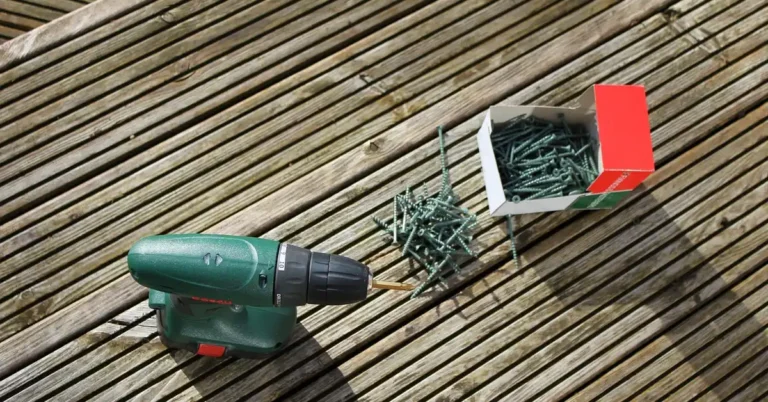
Look for any loose Wood Deck Boards with Composite Easily?” href=”https://woodworkingadvisor.com/can-you-replace-wood-deck-boards-with-composite-easily/” target=”_blank” rel=”noopener” data-wpil-monitor-id=”19284″>deck boards. If you find any, make a note to secure them with screws after cleaning. Loose boards can be a tripping hazard and can break further.
Securing loose boards is a simple fix that adds a lot of safety and stability. It’s much easier to do when the deck is dry and clear.
Check for any raised nails or screws. Hammer them down or replace them if they are damaged. Splinters can be a concern, so note any areas that look particularly rough.
Raised fasteners can snag clothing or skin. Making sure they are flush with the wood protects you and your deck. Gentle sanding can address some minor splintering issues later.
Choosing the Right Cleaning Solutions
When you want to clean your wood deck without a pressure washer, the cleaning solution is key. You have a few good options, and picking the right one depends on how dirty your deck is and what kind of grime you are dealing with. We’ll explore some effective, gentle ways to clean that won’t harm your wood.
Wood Deck Cleaners
There are many specialized wood deck cleaners available at hardware stores. These are formulated to break down dirt, mildew, and algae without being too harsh on the wood. They are often a great choice for a thorough clean.
These cleaners are designed for wood. They often contain ingredients that lift stains and brighten the wood’s natural color. Always follow the product instructions carefully.
Oxygen bleach-based cleaners are a popular and effective choice. They are gentler than chlorine bleach and work by releasing oxygen to lift stains and kill mildew.
These cleaners are great for brightening wood and tackling organic stains like mold and algae. They are generally safe for most types of wood.
Ammonia-based cleaners can also be effective for tougher grime. However, they can be harsher and may require more rinsing. Always test in an inconspicuous area first.
Ammonia is a strong degreaser. Use it sparingly for stubborn spots. Be sure to ventilate the area well when using ammonia.
DIY Cleaning Solutions
You can also make your own cleaning solutions using common household items. These are often more budget-friendly and just as effective for everyday cleaning. Making your own cleaner is a smart way to save money and control the ingredients.
These simple recipes are often very effective.
A mixture of warm water and mild dish soap is great for light cleaning. It can help lift surface dirt and grease. Use about 1/4 cup of soap per gallon of water.
Dish soap is designed to cut through grease and dirt. For a deck that isn’t heavily stained, this can be all you need. It’s easy to rinse and very safe.
For a bit more power, a solution of one part white vinegar to four parts warm water works well. Vinegar is a natural disinfectant and can help kill mold and mildew.
Vinegar’s acidity helps break down grime and discourage mold growth. It also has a deodorizing effect. The smell dissipates as it dries.
A paste of baking soda and water can be used for scrubbing stubborn spots. Baking soda is a mild abrasive that can lift tough stains.
Baking soda is a gentle scrubber. It’s perfect for using on areas with tougher buildup without scratching the wood.
How to Clean a Wood Deck Without a Pressure Washer Easily Step-by-Step
Now that you know what to use, let’s get to the actual cleaning. This process involves applying your chosen cleaner, letting it sit, and then scrubbing. It is about being thorough but gentle.
This step-by-step approach ensures you get the best results without risking damage to your deck. We will cover applying the cleaner, scrubbing, and rinsing.
Applying the Cleaner
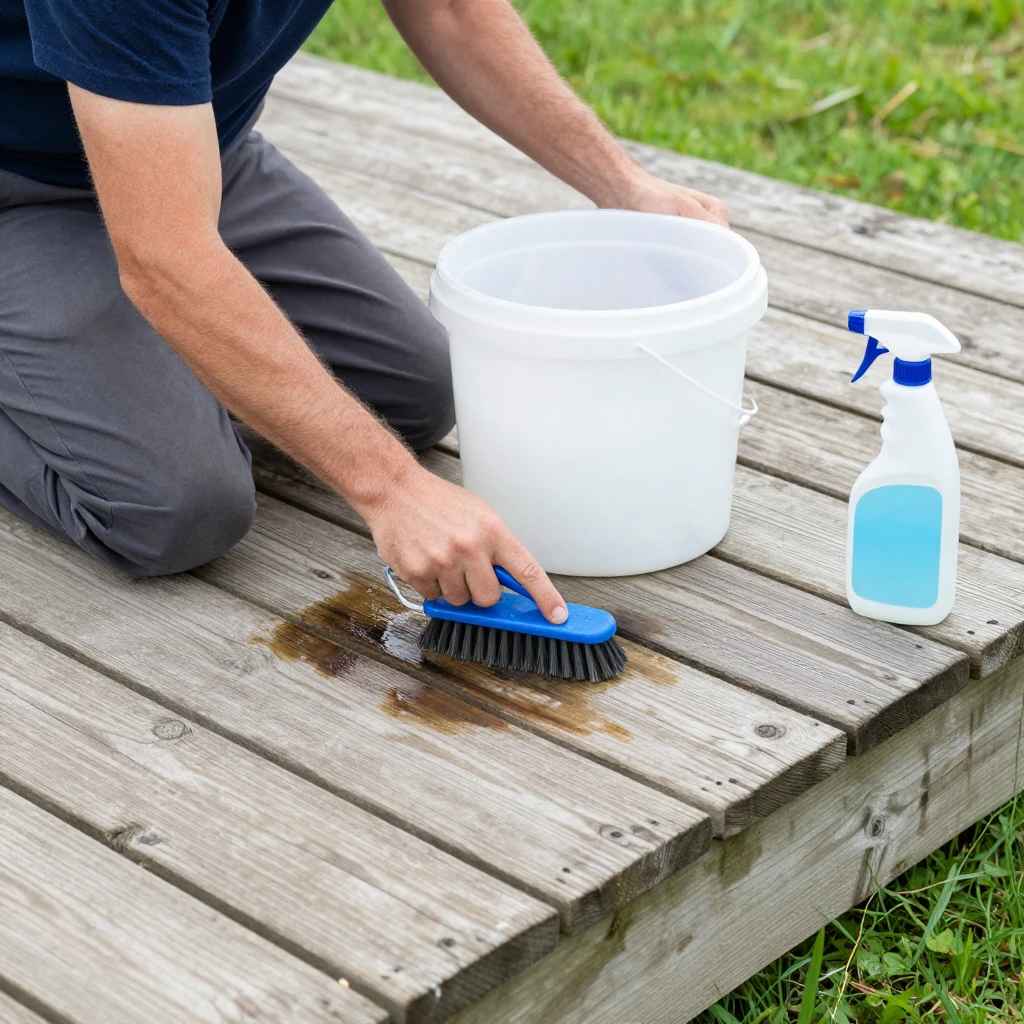
Once your deck is swept and inspected, it’s time to apply your cleaning solution. You can use a garden sprayer, a bucket and brush, or a mop for this. The goal is to wet the entire surface evenly.
Applying the cleaner evenly is key to consistent results. It allows the cleaner to work on all parts of the deck at the same time.
Mix your cleaning solution according to the product instructions or your DIY recipe. If using a garden sprayer, fill it with the solution.
A garden sprayer allows for quick and even application over large areas. It’s an efficient tool for this step.
Start applying the cleaner to a section of your deck. Work in manageable sections, especially if your deck is large. This prevents the cleaner from drying out before you can scrub it.
Working in sections keeps the cleaner wet and active. It ensures you don’t miss spots or have uneven cleaning.
If you don’t have a sprayer, you can use a large bucket and a scrub brush or a mop. Dip the brush or mop into the solution and apply it to the deck.
This method is a bit more manual but still very effective. It gives you direct control over where the cleaner goes.
Scrubbing the Deck
After applying the cleaner, let it sit for the time recommended by the product or for about 10-15 minutes for DIY solutions. This allows the cleaner to break down dirt and grime. Then, it’s time to scrub.
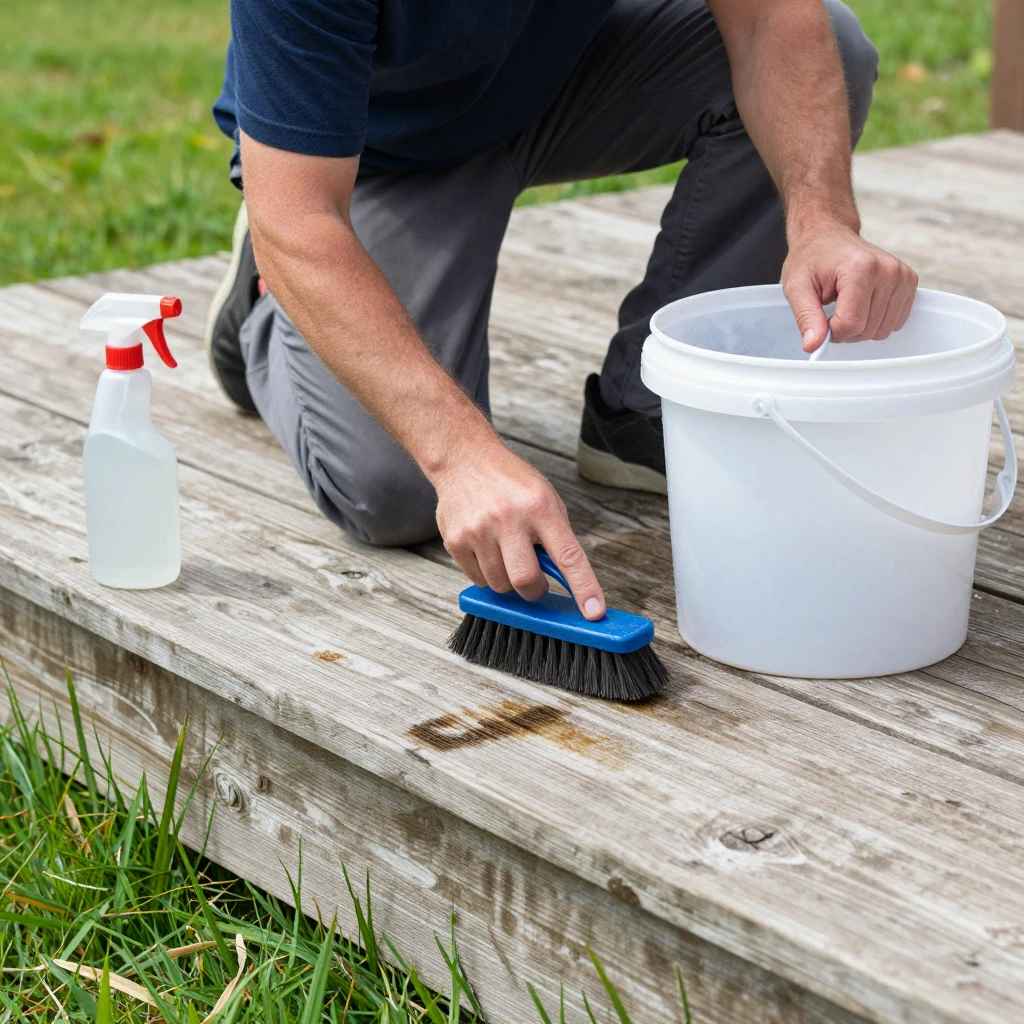
Use a stiff-bristled deck brush or a push broom. Scrub in the direction of the wood grain. Scrubbing is where you physically remove the loosened dirt and stains.
Going with the grain prevents scratching.
Use a stiff-bristled deck brush or a push broom with stiff bristles. Scrub each section of the deck vigorously. Always scrub in the direction of the wood grain.
Scrubbing helps lift embedded dirt and mildew. Following the grain protects the wood’s surface from damage.
Pay extra attention to stained or particularly dirty areas. You might need to apply a little more pressure or reapply cleaner to these spots.
Stubborn spots need a little extra attention. Gentle but firm scrubbing will help lift them.
For very tough stains, you can create a paste of baking soda and water and apply it directly to the stain before scrubbing.
This targeted approach can work wonders on problem areas. The mild abrasive action of baking soda is very helpful.
Rinsing the Deck
Once you have scrubbed an area, it’s time to rinse it thoroughly. Use a garden hose with a spray nozzle. You want to rinse away all the cleaner and the loosened dirt.
Rinse until the water runs clear. Thorough rinsing is essential. It removes all the cleaning residue.
Leftover cleaner can attract dirt or damage the wood over time.
Use a garden hose with a spray nozzle set to a strong stream. Rinse the cleaned section of the deck completely. Make sure all soap or cleaner residue is gone.
A strong stream helps wash away all the grime and cleaner. It’s important to be thorough to avoid issues later.
Work your way across the deck, rinsing each section as you go. This ensures you don’t miss any spots. If you worked in large sections, you might need to rinse the entire deck at once.
Rinsing promptly is important. Letting cleaner sit too long after scrubbing can cause issues.
Check the water as it runs off the deck. If it still looks dirty or soapy, keep rinsing. You want to see clear water flowing off the wood.
Visual confirmation is the best way to know you’ve rinsed enough. Clean water means a clean deck.
Dealing with Tough Stains and Mildew
Sometimes, your deck might have stubborn stains or patches of mold and mildew. These need a little extra attention. Fortunately, there are specific ways to tackle them without resorting to harsh methods.
Tough stains and mildew can be frustrating. We will show you how to deal with them effectively.
Removing Mold and Mildew
Mold and mildew thrive in damp, shaded areas. They can make your deck look unsightly and can even be slippery. A good cleaner designed for mold and mildew, or a vinegar solution, is usually effective.
Mold and mildew are organic growths. They need to be killed and removed. The right cleaner will do the job safely.
For stubborn mold and mildew, use a cleaner specifically designed for outdoor wood. These often contain mildewcides. Follow the product instructions carefully.
Specialized cleaners are formulated for these tough organic stains. They are tested for effectiveness on wood.
A solution of 1 cup of bleach mixed with 1 gallon of water can also be effective for severe mold and mildew. Apply it with a brush, let it sit for a few minutes, and then scrub and rinse thoroughly. Wear gloves and eye protection.
Bleach is a strong disinfectant and will kill mold and mildew. It can lighten wood, so use it cautiously. Always rinse very well.
Alternatively, repeat applications of the vinegar and water solution can also work over time. It’s a gentler approach for less severe cases.
Vinegar is a natural killer of mold and mildew. It’s a safer alternative if you’re concerned about bleach.
Tackling Grease and Oil Stains
Grease and oil stains can be particularly difficult because they soak into the wood. For fresh stains, act quickly. For older stains, you might need a degreaser or a poultice.
Grease stains are tricky. They penetrate the wood fibers. Quick action is your best bet.
For fresh grease stains, blot up as much as possible with paper towels. Then, sprinkle a generous amount of baking soda or cornstarch on the stain. Let it sit for several hours or overnight to absorb the grease. Then sweep it away and clean the area.
Absorbent powders can draw out the oil before it sets. This is a simple first step for fresh spills.
For tougher or older stains, a commercial wood deck degreaser can be very effective. Apply it according to the product directions, scrub, and rinse thoroughly.
Degreasers are formulated to break down oils and fats. They are powerful for stubborn spots.
Another method for deep stains is to create a poultice. Mix an absorbent material like Fuller’s Earth or kitty litter with a strong degreaser or mineral spirits to form a thick paste. Apply it to the stain, cover with plastic wrap, and let it sit for 24-48 hours. Then scrape it off and clean the area.
A poultice draws the stain out of the wood. It’s a more involved method but can be effective for deeply set stains.
Post-Cleaning Care for Your Wood Deck
After all your hard work cleaning, it’s important to take a few steps to protect your deck. This helps it stay looking good and prevents future problems. Proper care means your deck will last longer.
Protecting your deck after cleaning is just as important as the cleaning itself. These steps will keep it in great shape.
Drying the Deck
Allow your deck to dry completely before applying any sealers or stains. This can take 24-48 hours, depending on the weather. Avoid walking on the deck during this time.
Complete drying is crucial for sealers and stains to bond properly. If the wood is still wet, the product may not adhere correctly.
Let the deck air dry naturally. Avoid using fans or blowers if possible, as this can cause uneven drying and potential warping.
Natural drying is the safest way. It allows the wood to adjust slowly.
Keep foot traffic off the deck until it is completely dry. This includes pets. This prevents new scuffs and marks on the clean surface.
Resist the temptation to use the deck too soon. Patience now pays off with a better finish.
Sealing or Staining (Optional but Recommended)
Once your deck is clean and dry, consider applying a sealant or stain. This protects the wood from UV rays, moisture, and mildew. It also enhances the wood’s natural beauty.
Sealing or staining adds a protective layer. It’s like giving your deck a shield against the elements.
Choose a high-quality deck sealer or stain. There are water-based and oil-based options available. Water-based sealers are easier to clean up, while oil-based ones often penetrate deeper.
Select a product that suits your needs and climate. Read reviews and product descriptions.
Apply the sealer or stain evenly using a brush, roller, or sprayer. Follow the manufacturer’s instructions. Most products recommend applying one or two thin coats.
Even application is key for a uniform look and effective protection. Don’t over-apply, as this can lead to pooling.
Reapply sealer or stain every one to three years, depending on the product and your climate. This maintenance helps keep your deck protected and looking its best.
Regular maintenance ensures long-term deck health. It prevents the wood from drying out, cracking, or graying prematurely.
Frequently Asked Questions
Question: What is the easiest way to clean a wood deck without a pressure washer
Answer: The easiest way involves clearing the deck, sweeping, applying a simple cleaner like dish soap and water or vinegar solution, scrubbing with a stiff brush in the direction of the grain, and then rinsing thoroughly with a garden hose.
Question: Can I use bleach to clean my wood deck
Answer: Yes, you can use a diluted bleach solution (1 cup bleach to 1 gallon water) for tough mold and mildew. However, use it cautiously as it can lighten the wood and should be rinsed very thoroughly. Always test on an inconspicuous spot first.
Question: How often should I clean my wood deck
Answer: It’s generally recommended to clean your wood deck at least once a year, typically in the spring. If you live in a humid climate or your deck is heavily shaded, you might need to clean it more often to prevent mold and mildew growth.
Question: Will cleaning my deck without a pressure washer damage it
Answer: No, cleaning without a pressure washer is actually safer for your wood deck. Pressure washers can force water into the wood and damage the surface fibers, leading to splintering or a “fuzzy” appearance. Gentle scrubbing with appropriate cleaners is much better for the wood.
Question: How long does it take for a wood deck to dry after cleaning
Answer: A wood deck can take 24 to 48 hours to dry completely after cleaning, depending on the weather conditions like sunshine and humidity. It’s important to let it dry thoroughly before applying any sealers or stains.
Summary
Cleaning your wood deck without a pressure washer is straightforward and effective. By following these steps, you can easily remove dirt, mold, and stains. Remember to clear the deck, choose a suitable cleaner, scrub gently with the grain, and rinse well.
Protecting your deck afterward with a sealer or stain will keep it looking great for years.
Sponsored / affiliate links. As an Amazon Associate I earn from qualifying purchases. I may earn additional commission from eligible campaigns.