6×8 Cedar Fence Panels: Real Prices, Styles & Weight
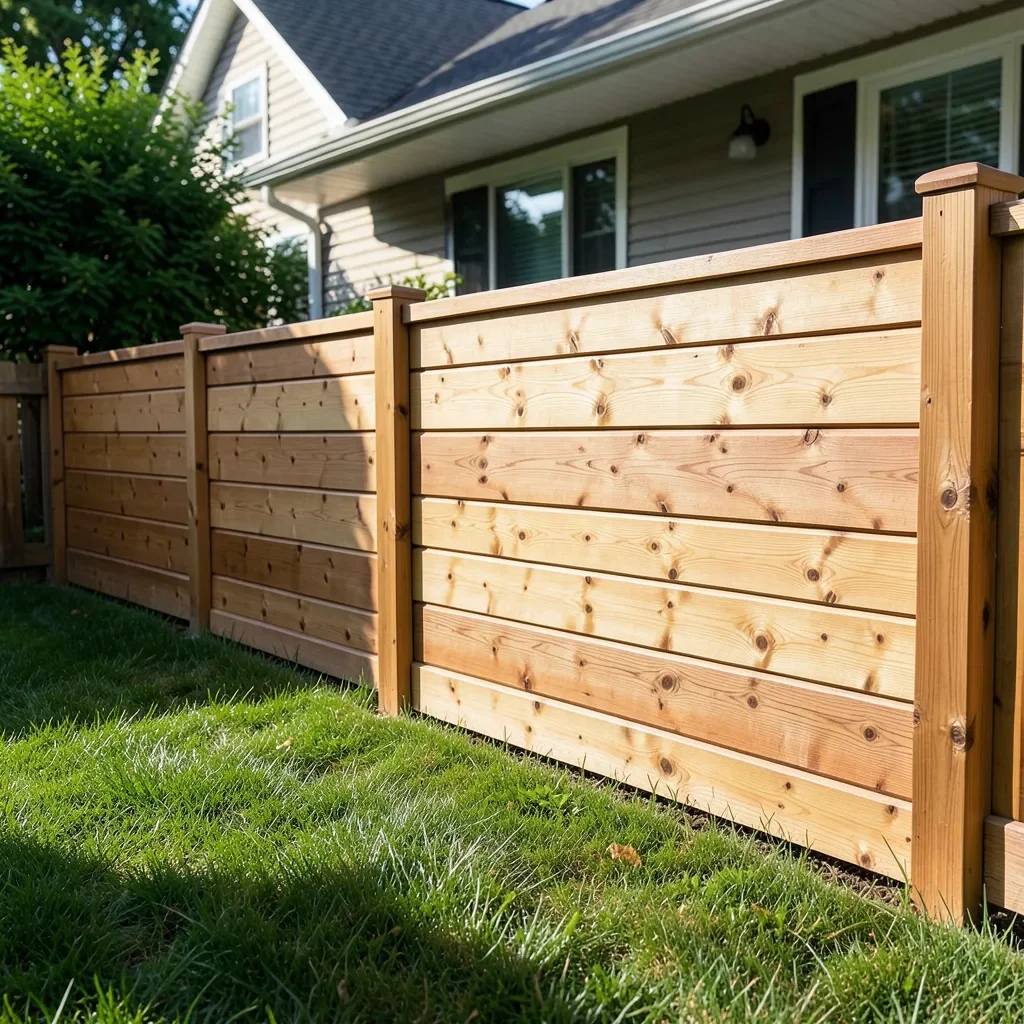
A 6×8 cedar fence panel is a pre-assembled section — 6 feet tall, 8 feet wide — built from Western Red Cedar or Northern White Cedar, weighing roughly 40 to 80 lbs depending on board thickness and style. Pre-built panels typically cost $70 to $150 each, versus $8.50 to $9.25 per linear foot buying boards separately. This guide covers real pricing, the five common panel styles, installation, and how long an unsealed panel actually lasts outdoors.
Insert your Affiliate Disclosure reusable block here.
What Is a 6×8 Cedar Fence Panel?
Best Cedar Fence Sealer Pick
 |
Thompson’s WaterSeal Natural Cedar Stain & Sealer (1 Gal) – $29.94 A tinted, natural-cedar-shade sealer built for exactly the maintenance schedule this guide recommends — apply within the first 2-3 months of installing a new panel, then every 2-3 years after.
|
A 6×8 cedar fence panel is a factory-assembled fence section measuring 6 feet in height and 8 feet in width, built to drop between two posts set 8 feet on-center. Panels are cut from Western Red Cedar (the most common, naturally rot- and insect-resistant) or the less expensive Northern White Cedar. Board thickness typically runs 5/8 inch to 3/4 inch, and a full panel weighs 40 to 80 lbs — heavier for tight-board privacy styles, lighter for spaced-picket designs.
5 Common 6×8 Cedar Panel Styles
Style affects both privacy and price more than most buyers expect — a tight-board privacy panel and an open picket panel of the same 6×8 size can differ by $40 or more.
| Style | Privacy | Typical Use |
|---|---|---|
| Dog-Ear Privacy | Full | Most common; diagonal-clipped board tops shed water |
| Flat-Top Privacy | Full | Square-cut boards, more formal look |
| Board-on-Board | Full both sides | Overlapping boards look identical from either yard |
| Spaced Picket | Partial | Decorative front yards, not true privacy |
| Shadowbox (Good-Neighbor) | Partial | Alternating boards, airflow, neighbor-friendly |
How Much Does a 6×8 Cedar Fence Panel Cost?
A pre-assembled 6×8 cedar panel runs $70 to $150 at most home centers, depending on style and grade. Buying individual boards and building the panel yourself costs less per foot — $8.50 to $9.25 per linear foot — but takes far longer to install. Hiring a contractor for a full cedar privacy fence averages $35 to $40 per linear foot installed, materials included.
📊 A professionally installed cedar privacy fence averages $35-$40 per linear foot (materials and labor combined) — roughly $280-$320 for a single 8-foot run once you include a post, versus $70-$150 for just the panel itself. Source: HomeGuide Wood Fence Cost Data, 2026
Western Red Cedar vs. Other Cedar Grades
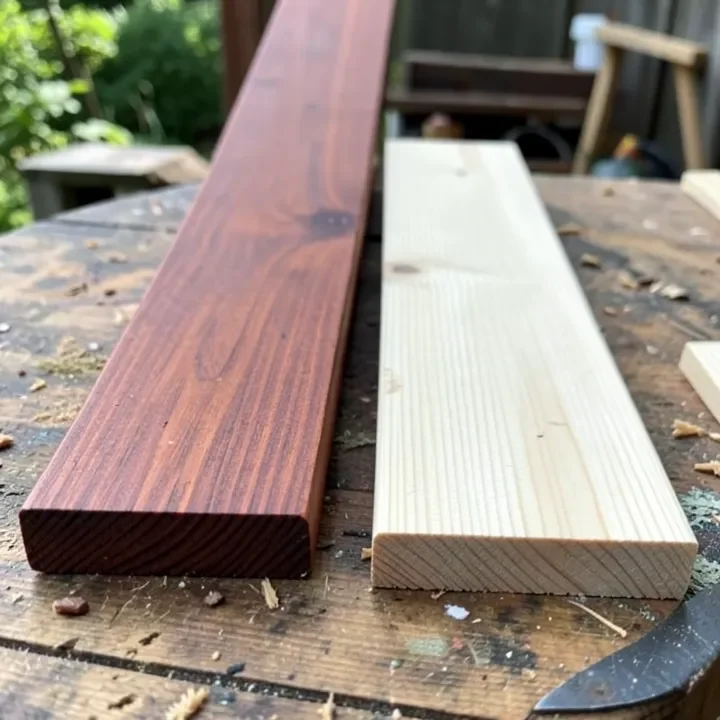
Western Red Cedar is the grade most 6×8 panels are cut from — it has the highest natural oil content of the common cedar species, which is what gives cedar fencing its rot and insect resistance without chemical treatment. Northern White Cedar and Incense Cedar panels cost less but season lighter in color and have somewhat lower natural durability. For a full breakdown of how the species compare on hardness and lifespan, see our Eastern vs. Western red cedar guide.
How to Install a 6×8 Cedar Fence Panel
Panels install between two posts set exactly 8 feet on-center. Use our fence post spacing calculator first if you are laying out more than two or three panels, since a small spacing error compounds down a long fence line.
- Set posts first: dig post holes at least 24-30 inches deep (below the frost line in cold climates) and set posts in concrete, spaced 8 feet on-center to match the panel width.
- Let concrete cure: wait the full cure time on the concrete bag — usually 24-48 hours — before hanging any weight on the posts.
- Check post height: mark and trim posts to the finished fence height before attaching panels, using a string line for a level top edge across the whole run.
- Attach the panel: hold the panel against the posts and fasten through the panel’s rail into each post with 3-inch exterior deck screws, at least 2 screws per rail per post.
- Add post caps: cap each post to keep water from pooling in the end grain, which is the fastest way a fence post rots from the top down.
Maintenance and Real Lifespan
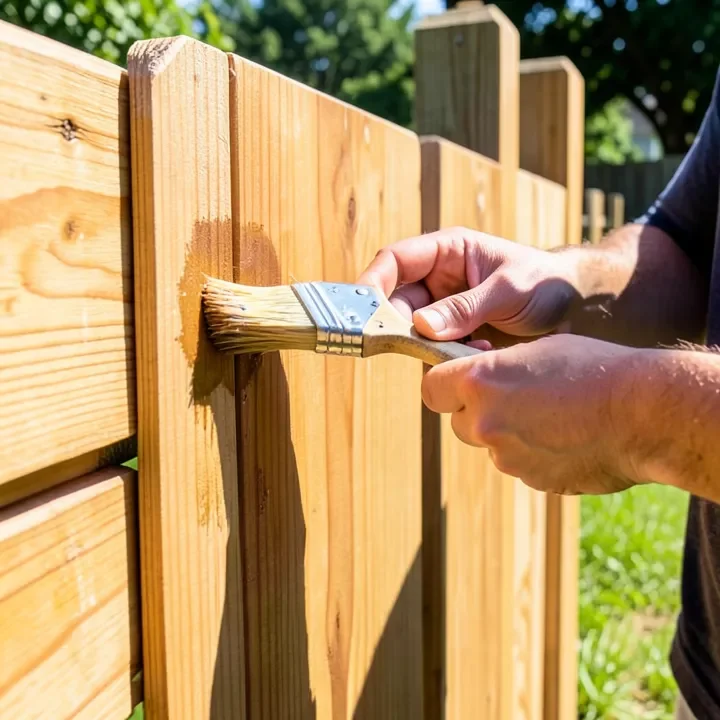
An unsealed cedar panel left to weather naturally will silver and last roughly 10-15 years. Sealing within the first 2-3 months after installation, then re-coating every 2-3 years, is what pushes a well-built cedar fence past 20 years. See our guide on choosing between a clear sealer and semi-transparent stain, or if you want full opaque color coverage instead, our wood fence paint guide covers prep and primer.
Common Mistakes When Buying or Installing 6×8 Cedar Panels
- Setting posts wider than 8 feet: a 6×8 panel will not stretch to fit a wider gap — measure and confirm post spacing before the concrete goes in.
- Skipping the first seal coat: waiting a full season “to let it weather” lets UV damage start before any protection is applied — seal within 2-3 months of installation instead.
- Setting posts in soil instead of concrete: soil-set posts loosen and lean within a few years under wind load, especially with solid-privacy panels that catch more wind than picket styles.
- Ignoring post caps: an uncapped post absorbs water into its end grain and rots from the top down years before the panel boards fail.
Frequently Asked Questions
What does a 6×8 cedar fence panel weigh?
Most pre-assembled 6×8 cedar panels weigh 40 to 80 lbs. Thicker dog-ear privacy panels with tightly spaced boards weigh more than open styles like spaced picket, and moisture content at the time of shipping adds a few pounds either way.
How much does a 6×8 cedar fence panel cost?
Pre-assembled panels typically run $70 to $150 each depending on grade and style, or $8.50 to $9.25 per linear foot if you buy boards and build the panel yourself. A full cedar privacy fence installed by a contractor averages $35 to $40 per linear foot, materials and labor included.
Do 6×8 cedar fence panels need to be sealed?
Yes. Cedar has natural oils that resist rot, but they fade with UV exposure. Sealing or staining within the first 2 to 3 months of installation, then every 2 to 3 years after, is what gets a cedar fence to the 20+ year end of its lifespan instead of the 10-15 year end.
What is the difference between dog-ear and flat-top cedar panels?
Dog-ear panels have boards cut with a diagonal clip at the top corners, which sheds water and is the most common style. Flat-top panels have square-cut boards with a level top rail, giving a more formal, modern look but no real functional difference in durability.
Can you cut a 6×8 cedar fence panel to fit a shorter run?
Yes, but only trim from one end and re-square the cut edge against a new end post or rail — cutting boards individually mid-panel weakens the rail attachment and voids most manufacturer warranties on pre-assembled panels.
Conclusion
A 6×8 cedar fence panel costs $70 to $150 pre-assembled, weighs 40 to 80 lbs, and — sealed within the first few months and re-coated every 2-3 years — will last 20 years or more. Confirm your post spacing before you dig, and pick a style based on how much privacy versus airflow you actually want along that property line.
Sponsored / affiliate links. As an Amazon Associate I earn from qualifying purchases. I may earn additional commission from eligible campaigns.