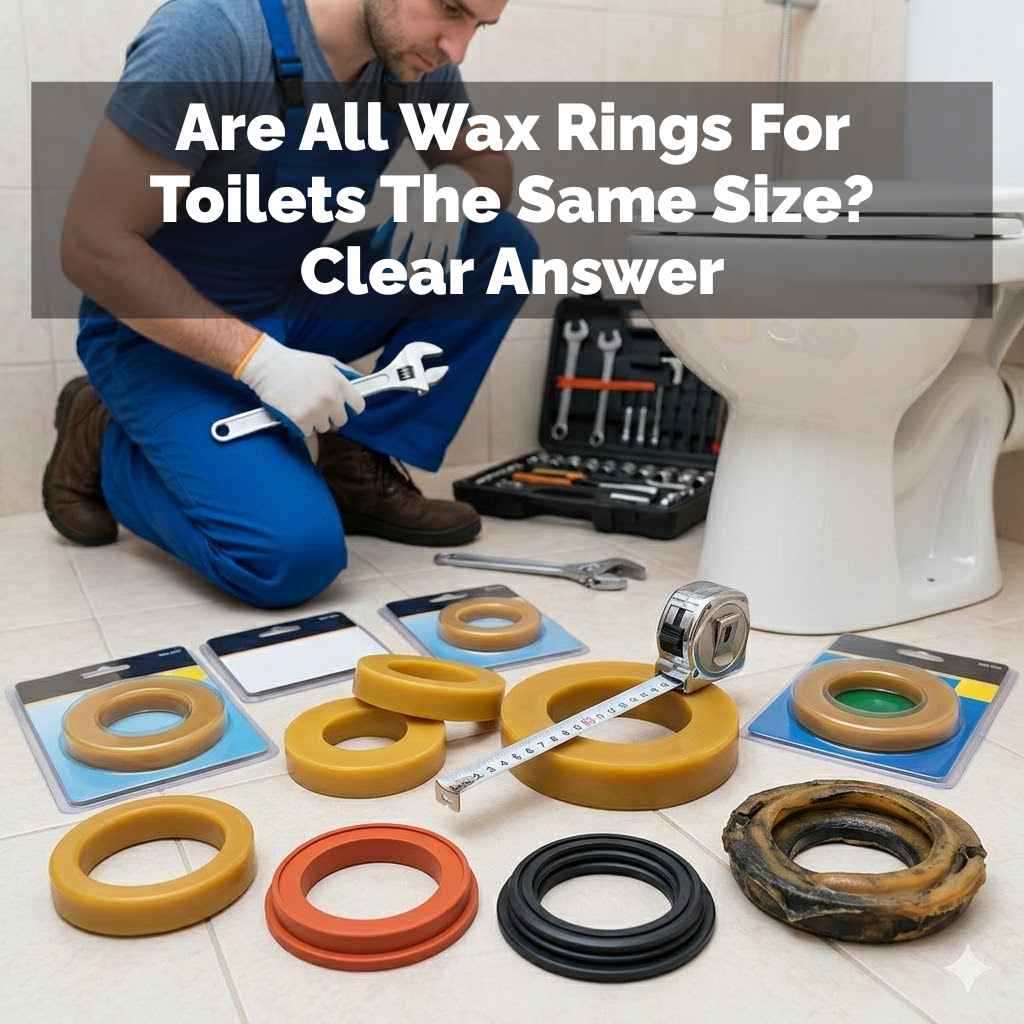
Are All Wax Rings For Toilets The Same Size? Clear Answer
It’s a question many homeowners face when dealing with a leaky toilet: “Are all wax rings for toilets the same size?” You’ve probably heard that a wax ring is key to stopping leaks. But when you go to the store or look online, you might wonder if you need a special one. This guide will walk you through everything you need to know.
We’ll explain what a wax ring does, why size matters, and when you might need something different. By the end, you’ll feel confident choosing the right one.
Most toilet wax rings are standard size and shape. However, flange height and floor conditions can sometimes call for a thicker or reinforced wax ring. It is not about different diameter sizes, but rather the thickness and consistency of the wax.
What Is a Toilet Wax Ring?
A toilet wax ring is a simple yet important part. It creates a watertight seal. This seal sits between the toilet base and the drainpipe in your floor.
The drainpipe sticks up from the floor. This is called the closet flange. The toilet has a flange underneath its base.
The wax ring goes on top of the floor flange. Then, the toilet bolts down onto it.
When you tighten the bolts, the wax ring squishes out. It fills any tiny gaps. This prevents water and sewer gases from escaping.
It’s a smart design because wax is soft and seals well. It also works even if the flange and toilet base aren’t perfectly flat.
The main job is to keep your bathroom dry and smelling fresh. Without a good wax ring, leaks can happen. These leaks can damage your floor and subfloor.
They can also let nasty sewer gases into your home. That’s why getting the right wax ring is so crucial for a healthy bathroom.
The Common “Standard” Wax Ring
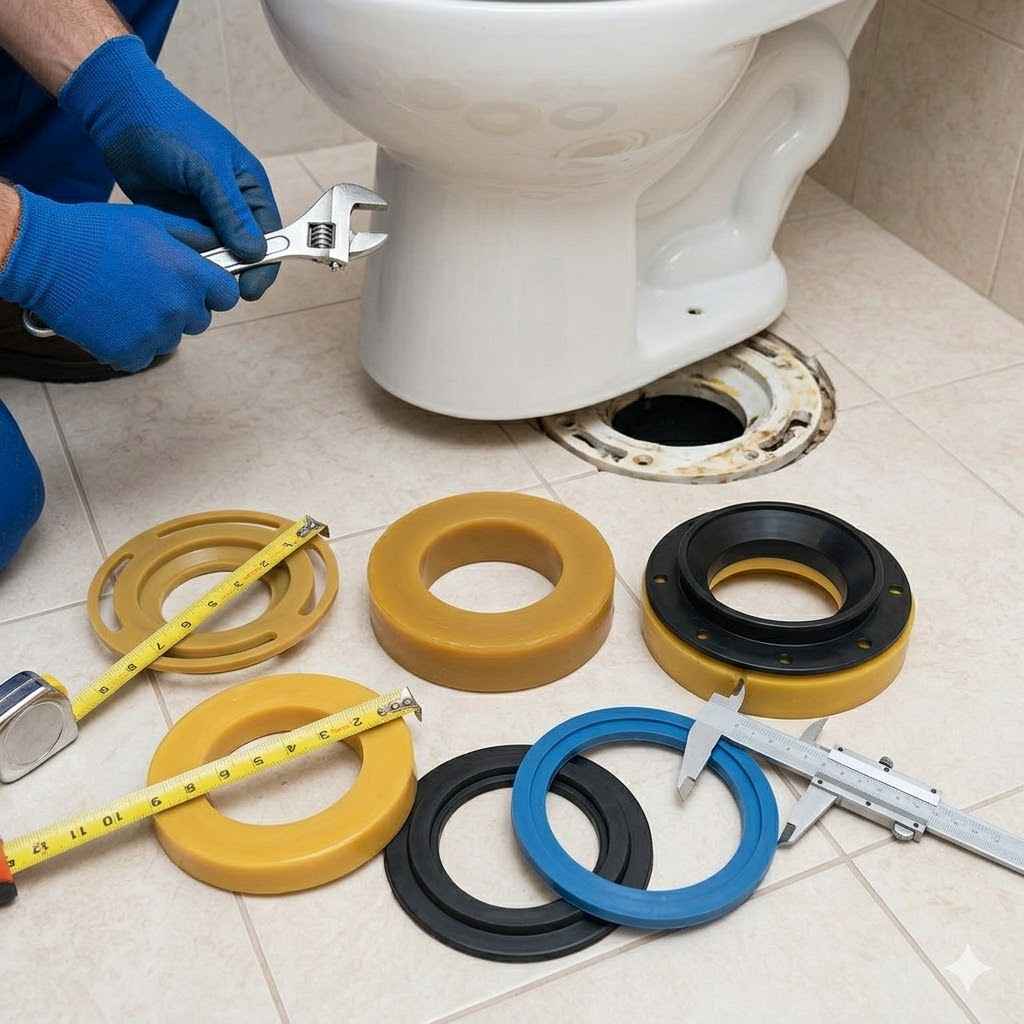
For most homes, a standard wax ring works perfectly. These rings are about 3 inches in diameter. They are also about 2 inches wide.
They have a hole in the middle. This hole lines up with the drainpipe. Their thickness is usually around half an inch.
This is a common measurement.
These standard rings are made to fit most residential toilets. They are widely available. They are also the most affordable option.
Most DIYers and plumbers reach for these first. They work for typical installations. This means when the closet flange is at or slightly above floor level.
The wax itself is a special blend. It stays soft enough to mold. But it’s firm enough to hold its shape.
It creates a reliable seal. It can handle the pressure of the toilet base. It also withstands the water that flows through the drain.
Why Size and Thickness Can Vary
While most wax rings share a standard diameter, the real difference often lies in their thickness. Think of it like a cushion. Sometimes, you need a thicker cushion.
This happens for a few key reasons in toilet installations.
The most common reason is the height of the closet flange. The flange is the pipe fitting that connects the toilet to the drain. Sometimes, the flange sits too low.
This means it’s below the level of your finished floor. This can happen if you add new flooring. For example, adding tile or thick vinyl can raise the floor.
The toilet base might not sit flush on the flange anymore.
When the flange is too low, a standard wax ring might not be thick enough. It won’t be able to make a good seal. The toilet will rock slightly.
Water will leak out. This is where a thicker wax ring, sometimes called an extra-thick or double-thick wax ring, comes in handy. These rings are designed to compensate for that difference in height.
They provide more material to fill the gap.
Another situation is a damaged or uneven flange. If the flange is cracked or bent, a regular ring might not seal properly. Special reinforced wax rings can offer a better seal in these cases.
They might have plastic guides or be made of a stiffer wax blend.
Different Types of Wax Rings
Let’s break down the common types you’ll encounter. Knowing these will help you pick the right one for your situation.
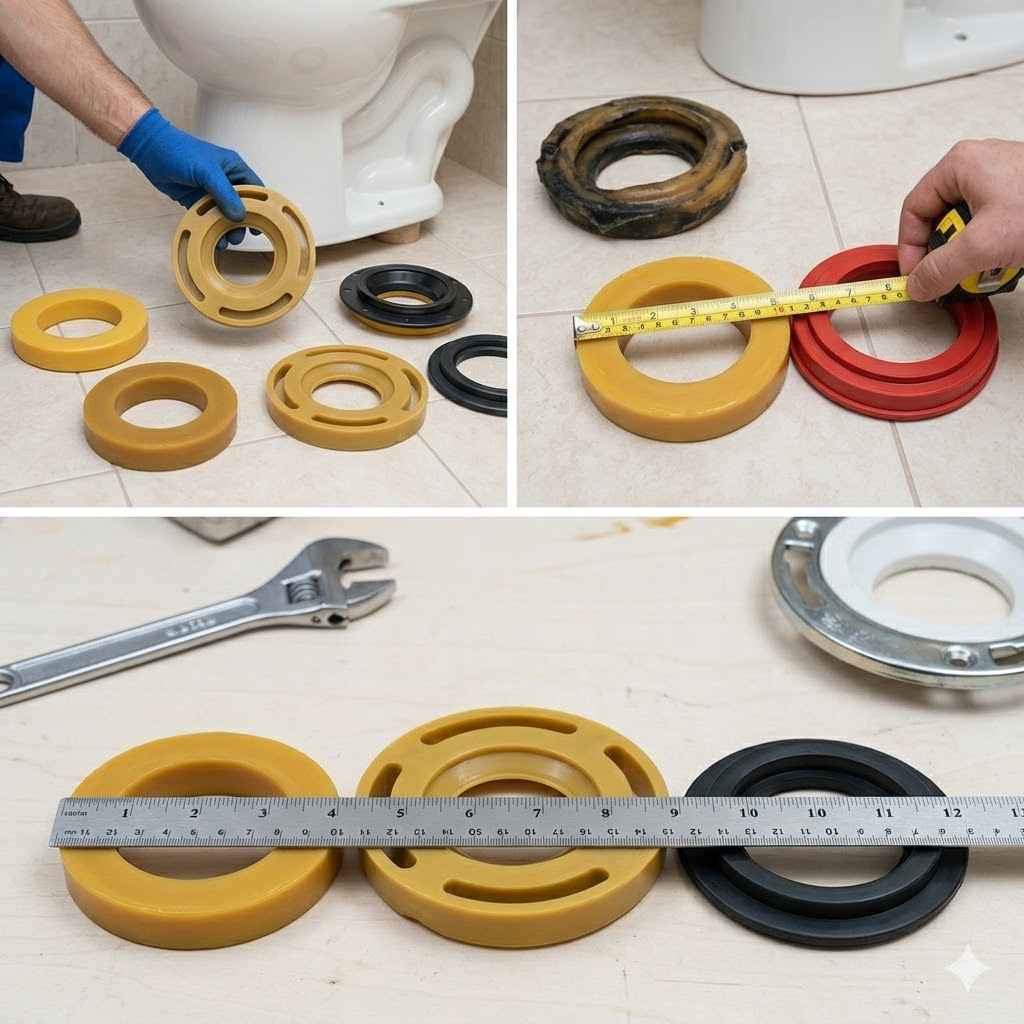
Standard Wax Ring
This is your go-to for most jobs. It’s the basic ring. It’s for when the closet flange is at or slightly above the finished floor level.
It’s usually around half an inch thick.
Extra-Thick Wax Ring
These are usually 1/2 inch thicker than standard rings. So, they might be around an inch thick. They are good for low flanges or when adding new flooring.
They provide that extra bit of height needed for a good seal.
Wax Ring with Horn (or Flange Seal)
Some wax rings have a rubber or plastic insert. This is called a horn. The horn extends down into the closet flange.
Its purpose is to create an even better seal. It also helps block sewer gases more effectively. It can be helpful if you have persistent odor issues.
Reinforced Wax Ring
These rings often have a plastic insert or frame. This provides extra support. It helps the ring maintain its shape.
It can also help prevent the wax from being squeezed out unevenly. They are good for slightly uneven flanges or if the toilet might shift.
No-Wax Seals
These are an alternative to traditional wax rings. They use rubber or foam gaskets. They create a seal through compression.
Some people prefer them because they are less messy. They can also be repositioned if needed. However, they might not seal as effectively on slightly uneven surfaces as wax.
It’s important to note that the diameter of the wax itself is usually standard for American toilets. The difference is in the thickness and the presence of features like a horn or reinforcement. The goal is always to bridge the gap between the toilet base and the flange.
Quick Look: Wax Ring Features
Standard Ring: Basic, common thickness. For typical flange heights.
Thick Ring: Extra height. For low flanges or new flooring.
Ring with Horn: Rubber insert for better gas seal. Good for odor issues.
Reinforced Ring: Plastic frame for support. For uneven flanges.
No-Wax Seal: Gasket alternative. Less messy.
When Do You Need a Different Size?
The term “different size” can be a bit confusing. As we’ve mentioned, the diameter of the wax ring itself is typically the same. What changes is the thickness and features.
You’d need a different type of wax ring if:
- Your toilet flange sits below the finished floor. This is the most common reason. If the flange is more than 1/4 inch below the floor, you likely need a thicker wax ring.
- You’ve recently installed new flooring. New layers of tile, vinyl, or wood can raise the floor. This makes the flange appear lower.
- Your closet flange is damaged or uneven. A reinforced ring can help create a better seal.
- You’ve experienced persistent sewer gas smells. A ring with a horn might help.
- The toilet feels wobbly after installation. This could mean the seal isn’t complete. A thicker or reinforced ring might help.
It’s not about finding a ring with a larger or smaller hole. It’s about finding a ring that provides enough bulk. This bulk fills the space between the toilet and the flange.
This ensures a complete seal.
Measuring for the Right Ring
You don’t always need to measure if you know your situation. But if you’re unsure, a quick check can save you trouble. Here’s how you can tell if you need a thicker ring:
First, look at your toilet. Is it stable on the floor? Or does it rock back and forth?
A rocking toilet often means the seal isn’t right. This is a sign the flange might be too low.
Next, examine the closet flange. If the toilet is removed, you can see the flange clearly. Use a ruler or tape measure.
Measure from the top edge of the flange down to the finished floor. If this measurement is more than about 1/4 inch, you need a thicker wax ring.
Some people also use a piece of cardboard. They place it flat on the floor around the flange. Then, they see if the toilet base sits evenly on the cardboard.
If there’s a big gap under the toilet base when you set it down, you have a low flange problem.
Another simple check is to use your standard wax ring. Install it as usual. Then, set the toilet in place.
Try to gently rock the toilet. If it moves easily, the wax ring might be too thin. You might need to remove the toilet and try a thicker one.
Remember, the goal is a snug fit. The toilet should sit flat. There should be no gaps between the toilet base and the floor.
When to Consider a Thicker Ring
- Low Flange: Flange is below floor level.
- New Flooring: Added thickness like tile or hardwood.
- Uneven Flange: Damaged or warped flange.
- Toilet Wobble: Toilet base doesn’t sit flat.
Installation Tips for a Perfect Seal
Getting the wax ring right is only half the battle. Proper installation is key. Even the best wax ring won’t work if installed incorrectly.
First, always turn off the water supply. Flush the toilet to drain as much water as possible. Then, disconnect the water supply line.
Remove the old wax ring and any debris. Clean the flange and the toilet base thoroughly.
When placing the new wax ring, handle it carefully. Avoid touching the wax surface too much. This can weaken the seal.
Some people prefer to place the ring on the flange. Others place it on the toilet base. Both methods can work.
The important part is to center it.
If you’re using a ring with a horn, make sure the horn fits snugly into the flange opening. This guides the wax and helps with the seal.
Once the wax ring is in place, lower the toilet straight down. Align the bolt holes in the toilet base with the bolts on the flange. Press down firmly and evenly on the toilet bowl.
You want to feel the wax compress. You might hear a slight crunching sound. This is normal.
Tighten the bolts securely, but don’t overtighten. You don’t want to crack the porcelain. Tighten them a little at a time.
Alternate between bolts. This ensures even pressure. You should feel the toilet become stable.
After tightening, reattach the water supply line. Turn the water back on. Let the tank fill.
Then, flush the toilet. Check for any leaks around the base. You can also feel for a wobble.
If you notice a slight leak or the toilet still rocks, you might need to tighten the bolts a bit more. If that doesn’t help, you may have a low flange or a damaged flange. In that case, you’ll need to remove the toilet again.
You’ll then likely need a thicker or reinforced wax ring.
Common Mistakes to Avoid
Even experienced DIYers can make mistakes. Here are some common pitfalls when dealing with wax rings:
- Reusing a Wax Ring: Never reuse an old wax ring. Once it’s compressed, it loses its sealing ability.
- Touching the Wax: Try not to touch the wax surface more than necessary. Your body heat can soften it. This can affect the seal.
- Over-Tightening Bolts: This can crack the toilet’s porcelain base. It can also distort the wax seal.
- Not Replacing the Flange Bolts: If the old bolts are rusted or damaged, replace them. New bolts ensure a secure connection.
- Ignoring a Low Flange: Trying to force a standard wax ring onto a very low flange will likely lead to leaks.
- Not Checking for Wobble: A toilet that rocks isn’t sealed properly. This will eventually cause leaks.
I remember one time, I was helping a friend install a new toilet. We used a standard wax ring, thinking it would be fine. After we bolted it down, the toilet still felt a little loose.
We didn’t think much of it. A week later, they called me because of a small puddle forming around the base. We had to pull the toilet up again.
It turned out the floor had been leveled. The flange was just too low for the standard ring. We used a thicker wax ring, and that fixed it right up.
It was a good lesson in paying attention to the flange height.
When To Call a Professional
While many wax ring
Here are some situations where a pro might be needed:
- Damaged Closet Flange: If the flange itself is cracked or broken, it needs to be repaired or replaced. This can be a more involved job.
- Persistent Leaks: If you’ve tried different types of wax rings and still have leaks, there might be a more serious issue. This could involve the drainpipe or subfloor.
- Unusual Plumbing Setups: Older homes or homes with complex plumbing might have flange heights or configurations that are tricky to work with.
- Rotten Subfloor: If you suspect water damage has caused rot in the subfloor around the toilet, this needs professional attention.
- Lack of Confidence: If you’re simply not confident in your DIY abilities, a plumber can do the job quickly and correctly.
A plumber has the tools and experience to diagnose and fix underlying problems. They can also ensure the job is done to code. This saves you potential future headaches and water damage.
DIY vs. Pro: When to Decide
DIY Friendly:
- Standard wax ring replacement.
- Simple flange height adjustment (with thicker ring).
- Toilet is stable, just needs a new ring.
Call a Plumber:
- Broken or cracked flange.
- Suspected subfloor damage.
- Leaks continue after multiple attempts.
- Unsure about pipe connections.
The Takeaway on Wax Ring Sizes
So, are all wax rings for toilets the same size? Generally, the diameter of the wax ring is standard for U.S. toilets.
What changes is the thickness and added features like horns or reinforcement.
You need to consider the height of your closet flange relative to your finished floor. If the flange is low, you’ll need a thicker wax ring. If it’s damaged, a reinforced one might be better.
For most situations, a standard ring works fine.
Paying attention to these details ensures a watertight seal. This keeps your bathroom dry and free from unpleasant odors. It’s a small part, but it plays a big role in your home’s plumbing.
Frequently Asked Questions
Can I use a regular plumber’s putty instead of a wax ring?
No, you should not use plumber’s putty or silicone sealant instead of a wax ring. Plumber’s putty is not designed to create a watertight seal for a toilet flange. It can also break down over time.
Silicone can be used for sealing the gap between the toilet base and the floor for aesthetic purposes, but it does not replace the essential seal provided by the wax ring.
How often should I replace my toilet wax ring?
A wax ring typically lasts for many years, often the lifetime of the toilet. You only need to replace it when you remove the toilet for repairs, maintenance, or replacement. The most common reason to replace it is if you notice leaks around the base of the toilet.
What does it mean if my toilet rocks back and forth?
A rocking toilet usually means the wax ring is not creating a proper seal. This can be due to a variety of reasons, including a low closet flange, an uneven flange, or the toilet bolts not being tightened correctly. It indicates a need to remove the toilet and inspect the seal and flange height.
Can a thick wax ring fix a toilet that wobbles?
A thick wax ring is designed to compensate for a low closet flange, which is a common cause of toilet wobbling. If the wobble is due to the flange being too low relative to the floor, a thicker wax ring can help create a stable seal. However, if the wobble is caused by loose mounting bolts or an uneven floor, a thicker ring alone might not solve the problem.
What is a “wax-free” toilet seal and how does it work?
A wax-free toilet seal, often made from rubber or foam, uses compression to create a seal between the toilet and the flange. Instead of melting and conforming like wax, these seals rely on the pressure from tightening the toilet bolts to create a tight fit. They are generally considered less messy than wax rings and can be repositioned, but some plumbers prefer the proven reliability of wax for challenging installations.
How do I know if my toilet flange is damaged?
You can tell if your toilet flange is damaged by looking at it after removing the toilet. Check for any cracks, breaks, or signs of corrosion. If the flange is made of plastic, look for warping or cracks.
If it’s metal, check for rust or bends. A damaged flange will not create a proper seal, even with a new wax ring, and will need to be repaired or replaced.
Is it okay to put two wax rings together to make it thicker?
It is generally not recommended to stack two standard wax rings. This can create an unstable seal. The wax might squeeze out unevenly, leading to leaks.
Instead, use a single, extra-thick wax ring specifically designed for low flanges. These are manufactured to provide the necessary height and maintain a consistent seal.
Conclusion
Understanding toilet wax rings is about more than just their diameter. It’s about how they fit your specific plumbing setup. While most are standard in size, variations in thickness and features are crucial.
They ensure a leak-free and odor-free bathroom. By checking your flange height and choosing the right type of ring, you can tackle this common home maintenance task with confidence.