Are There Different Size Wax Rings For Toilets? Find Out
You’re elbow-deep in a bathroom project, feeling pretty good about it. Then you reach for a new wax ring for your toilet. Suddenly, you wonder, “Do these things even come in different sizes?” It feels like a small detail, but it can make a big difference.
You want that toilet to be stable and leak-free. Getting the right fit matters a lot. We’ve all been there, staring at a handful of rings and feeling a bit lost.
Let’s clear this up and make sure your next toilet installation is smooth sailing.
The standard toilet wax ring is designed to fit most toilets. However, in certain situations, you might need a different type of wax ring or a wax ring with an extender for a proper seal. This usually depends on the height of your toilet flange relative to the floor.
Understanding Toilet Wax Rings

A toilet wax ring is a simple but crucial part. Its main job is to create a watertight seal. This seal sits between the base of your toilet and the drain pipe opening in the floor.
This connection stops water and sewer gases from escaping. It keeps your bathroom smelling fresh and prevents leaks.
Most wax rings look pretty much the same. They are made of a thick, waxy material. This material is firm at room temperature.
When the toilet is pressed down, the wax squishes out. It fills any tiny gaps. This makes a solid, leak-proof barrier.
It’s a clever design that has worked for ages.
The standard wax ring is about 3 inches wide. It has a hole in the middle. This hole lines up with your toilet’s drain.
The outer edge is often thicker. This helps it spread out when you push the toilet down. The goal is to cover the entire flange opening.
It also needs to press against the toilet base.
The wax is key because it’s pliable. It can adapt to imperfect surfaces. Flanges aren’t always perfectly flat.
Toilet bases can also have slight variations. The wax molds itself to these shapes. This ensures a good seal even if things aren’t perfectly aligned.
It’s a forgiving material for a tricky job.
The Standard vs. The “Different” Size Question
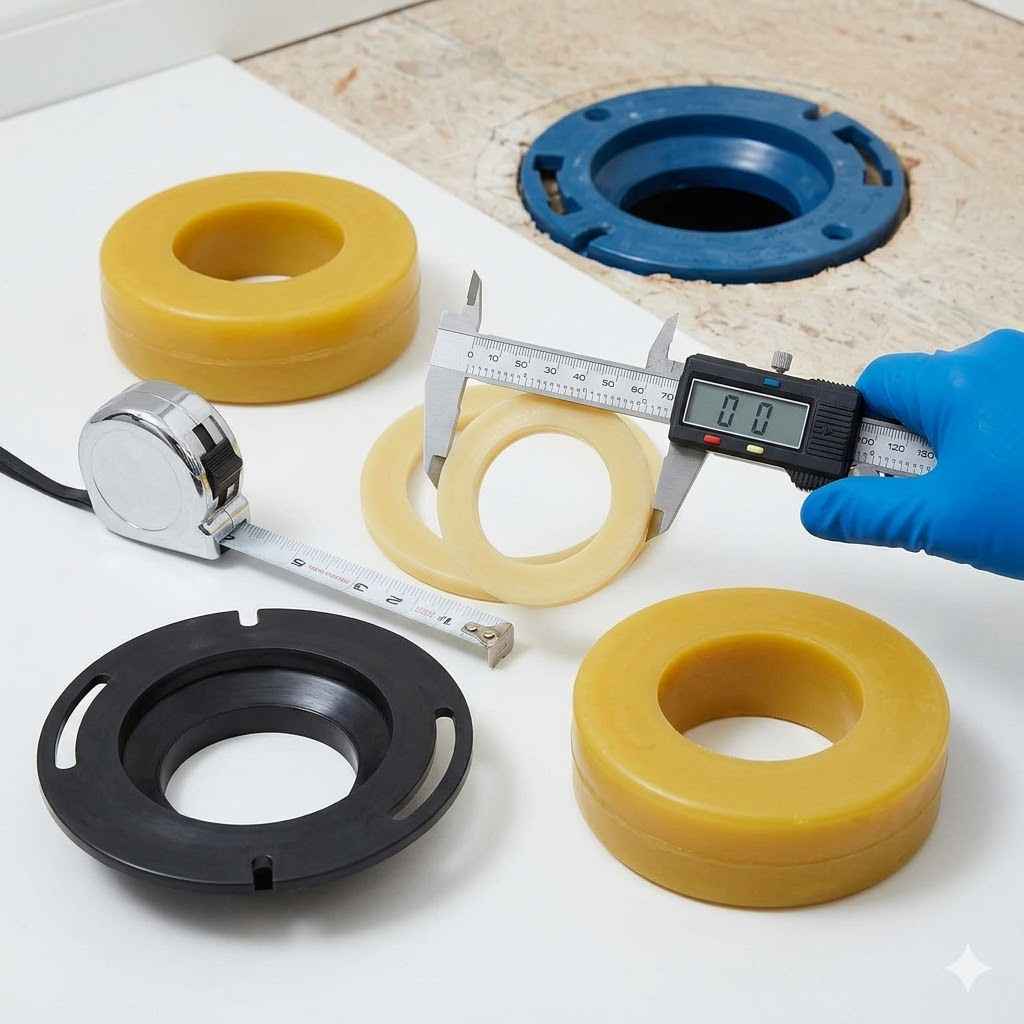
So, do they come in different sizes? For the most part, no, not in the way you might think. The standard wax ring is made to fit the vast majority of residential toilets.
They have a common drain size. Most toilet flanges are also a standard size. This means one size usually fits all.
However, this common size is around 3 inches. This is for the inside opening. The outer diameter is larger.
The important part is that it seals the 3-inch waste pipe. Most toilets have a 3-inch or 4-inch outlet pipe. The wax ring is designed to accommodate this difference.
It spreads out as needed.
What people often mean by “different size” is related to height. This is where variations come into play. If your toilet flange sits unusually low, below the floor level, you might need something more.
The standard ring might not be tall enough. It won’t create a good seal then. It’s not about the width, but the thickness or height.
This is why you sometimes see wax rings advertised as “extra thick” or “heavy duty.” These aren’t necessarily wider. They are simply taller. They contain more wax.
This gives them more material to spread. It helps create a seal when there’s a bigger gap to fill. It’s about making up for a lower flange.
Another variation is the wax ring with a plastic funnel or sleeve. This is often called a wax ring with an horn or flange. This plastic piece extends down into the drain pipe.
It helps guide the wax and ensures it seals the pipe opening properly. It also helps keep the wax centered. This is especially useful if the flange is a bit off-center.
So, while the basic wax ring material and shape are standard, the thickness and added features can vary. These variations address specific installation needs. They are not about fitting different toilet bowl drain sizes.
They are about bridging the gap between the toilet and the floor pipe.
When a Standard Ring Might Not Be Enough
It’s not common, but there are times when a standard wax ring just won’t cut it. The biggest culprit is the toilet flange height. The toilet flange is that white or metal ring secured to the floor.
It’s connected to your drain pipe. The toilet bolts onto this flange.
Ideally, the top of the toilet flange should be level with the finished floor. Or it might be slightly above it. If this is the case, a standard wax ring will work perfectly.
When you set the toilet down, it presses the wax evenly. This creates a great seal.
But what if your floor is thicker? Maybe you installed new tile or hardwood. This raises the floor level.
Now, the flange is sitting below the new floor surface. This creates a gap between the toilet base and the flange. A standard wax ring might not have enough height to fill this void.
It could lead to leaks.
Similarly, if the flange itself is old or damaged, it might sit lower than normal. Or perhaps it’s just installed poorly from the start. In these situations, you need more wax.
You need that extra height to make sure the toilet seals properly to the floor. This is where the “different” rings come in.
I remember a time I was helping a friend tile their bathroom. They were so excited about the new look. But when it came time to put the toilet back, we ran into trouble.
The new tile added about half an inch of height. The old flange was now sunk too low. The standard wax ring just wouldn’t seal.
We ended up needing an extra-thick wax ring. It was a simple fix once we realized the problem.
Another scenario is a slightly wobbly toilet. If the toilet isn’t sitting perfectly flat on the floor, it can create uneven pressure. This can break the seal over time.
While not strictly a “size” issue, it points to needing a more robust or perhaps better-applied seal. Sometimes, shims are needed under the toilet base. But before that, you want to ensure the wax ring has the best chance to work.
Types of Wax Rings You Might Encounter
Let’s break down the different kinds of wax rings you might find at the hardware store. This helps you pick the right one for your situation.
Standard Wax Rings
These are the most common. They are about 1.5 to 2 inches thick. They have a good amount of wax.
They work great for most installations where the flange is at or slightly above floor level.
Extra-Thick or Heavy-Duty Wax Rings
These rings contain more wax. They are typically 2.5 to 3 inches thick. They are designed to compensate for a flange that is slightly below the floor.
They provide that extra height needed for a solid seal.
Wax Rings with Horn/Sleeve
These rings have an added plastic funnel or sleeve. This piece extends down into the drain pipe. It helps guide the toilet onto the flange and ensures the wax seals the pipe opening correctly.
They can also help with alignment. This is a good choice if you’re concerned about centering the toilet or if the flange is a bit old.
Extra-Thick Wax Rings with Horn/Sleeve
These combine the benefits of both. They offer extra height for low flanges. They also include the plastic horn for better guidance and sealing of the pipe.
These are often the go-to for tricky installations.
No-Wax or Rubber Waxless Seals
While not wax, these are important to mention. They are made of rubber or foam. They create a seal using compression.
Some people prefer them because they are less messy. They can also be repositioned if you make a mistake. However, some plumbers still prefer traditional wax for its proven reliability.
It’s helpful to have these options in mind. When you’re at the store, you can look for the specific features you need. Don’t just grab the cheapest one.
Think about your floor level and flange position.
How to Choose the Right Wax Ring
Choosing the right wax ring comes down to a few simple checks. Don’t overthink it. You just need to know what you’re working with.
1. Check Your Toilet Flange Height
This is the most important step. After removing the old toilet, look at your flange. Is the top of the flange even with your finished floor?
Is it above the floor? If yes, a standard wax ring is likely fine.
If the flange is below the floor level, you need to measure how far down it is. A typical standard ring is about 1.5 to 2 inches thick. If your flange is more than about half an inch below the floor, you’ll likely need an extra-thick ring.
I always keep a standard ring and an extra-thick ring on hand when doing toilet work. It’s better to have both and not need one, than to need one and not have it. This saved me a lot of trips back to the store.
It’s a small investment for peace of mind.
2. Consider the Toilet Flange Condition
Is the flange cracked or damaged? Is it significantly off-center? If so, a wax ring with a plastic horn can be very helpful.
The horn helps guide the toilet and ensures the wax seals the pipe opening properly, even if the flange isn’t perfect.
3. Think About Reusability (Or Lack Thereof)
Traditional wax rings are single-use. Once compressed, they can’t be reused. If you anticipate needing to reposition the toilet a few times, a waxless seal might be an option.
However, for a permanent, reliable seal, most professionals still trust wax.
4. Don’t Forget the Bolts
While not a wax ring issue, make sure you have good toilet bolts. These secure the toilet to the flange. If they are rusted or broken, replace them at the same time.
A secure toilet is part of a good overall installation.
Taking these few moments to assess your situation will make the installation much smoother. You’ll avoid potential leaks and save yourself future headaches. It’s all about doing it right the first time.
My Own Wax Ring Mishap
I remember one particularly frustrating afternoon. I was replacing a toilet in a very old house. The floor was uneven, and the flange was definitely lower than I liked.
I grabbed what I thought was a standard wax ring. I figured I’d just press down hard and make it work.
I set the toilet down, bolted it in, and flushed. Water started pooling around the base almost immediately. Panic set in.
I had just spent an hour wrestling with that heavy porcelain monster. Now I had to lift it all off again. And I had no idea where to find a thicker wax ring at 4 PM on a Saturday.
That’s when I learned my lesson. The subtle difference in thickness between a standard and an extra-thick wax ring is significant. It’s not just a little more wax; it’s enough to bridge a crucial gap.
I ended up driving to a 24-hour hardware store across town. I finally found an extra-thick one with a horn. That one did the trick.
The toilet sealed perfectly. It was a lesson learned about checking flange height and having the right materials.
What stood out was the realization that even a small gap can cause a big problem. The wax is supposed to spread. But it can only spread so much.
If the starting point is too low, it can’t reach. It’s like trying to stretch a small rubber band over a large gap. It just won’t cover it.
This experience taught me to always be prepared. For toilet installations, this means having at least two types of wax rings ready. A standard one and an extra-thick one.
Sometimes even one with a horn. It’s a small cost that can save hours of frustration and potential water damage.
Quick Check: Flange vs. Floor Level
Normal Situation:
- Toilet flange is level with the finished floor.
- Toilet flange is slightly above the finished floor.
- Recommendation: Standard wax ring.
Problematic Situation:
- Toilet flange is below the finished floor (e.g., due to new tile, carpet).
- Toilet flange appears very low or damaged.
- Recommendation: Extra-thick wax ring, or wax ring with horn/sleeve.
Common Installation Mistakes to Avoid
Beyond choosing the right wax ring, there are other common mistakes people make. These can lead to leaks, even with the perfect wax ring.
Not Removing the Old Wax Ring
Always, always scrape away all the old wax. Leaving bits of old wax can create an uneven surface. This prevents the new wax ring from sealing properly.
It might seem like extra work, but it’s essential.
Over-Tightening the Toilet Bolts
When you secure the toilet, be firm but gentle. Over-tightening the nuts on the toilet bolts can crack the porcelain base of the toilet. It can also distort the wax ring, creating leaks.
Tighten them until the toilet is snug, then give them just a little more turn.
Not Centering the Toilet
Make sure the toilet is centered over the flange before you press it down. If it’s off-center, the wax might not spread evenly. This can lead to leaks on one side.
A wax ring with a horn can help here.
Not Applying Enough Downward Pressure
When you place the toilet, you need to press it down firmly. This compresses the wax ring. Wiggle the toilet gently side-to-side as you press.
This helps the wax spread evenly. You need to feel the toilet settle firmly onto the floor.
I’ve seen many DIYers struggle with these. It’s easy to rush. But each step is important.
Taking your time ensures a lasting, leak-free installation. It prevents that dreaded callback or water damage.
Quick-Scan Table: Wax Ring Types
| Type of Ring | Key Feature | Best For |
|---|---|---|
| Standard | Basic wax seal | Flange at or above floor level. |
| Extra-Thick | More wax for height | Flange below floor level. |
| With Horn/Sleeve | Plastic guide into pipe | Off-center flange, pipe sealing aid. |
| Extra-Thick with Horn | Height + pipe guide | Low flange AND off-center/pipe issues. |
What Happens If I Use the Wrong Ring?
Using the wrong wax ring can lead to several problems. Most of them involve leaks. And leaks are never good in a bathroom.
Water damage can be costly and difficult to repair.
1. Leaks Around the Toilet Base
This is the most common issue. If the wax ring is too thin, it won’t seal the gap. Water will seep out every time you flush.
This can damage your flooring and subfloor. It can also create mold and mildew problems.
2. Sewer Gas Odors
The wax ring isn’t just for water. It also seals out unpleasant sewer gases. If the seal is broken, these gases can escape into your bathroom.
This creates a constant foul odor. It’s unhealthy and very unpleasant.
3. Wobbly Toilet
A leak can sometimes mean the toilet isn’t sitting properly on the floor. This can lead to wobbling. A wobbly toilet puts stress on the wax seal and the bolts.
It can worsen the leak or cause other issues over time.
I once saw a house where the toilet leaked for months. The owners kept adding caulk around the base. They didn’t realize the problem was the wax ring.
The subfloor was completely rotted. It was a much bigger repair than just replacing a wax ring would have been.
The key takeaway is that this is not a part to skimp on. It’s cheap insurance against big problems. Always use the correct type of wax ring for your specific installation.
Contrast: Normal vs. Concerning Sealing
Normal Sealing
What to expect: A solid, stable toilet. No water pooling around the base after flushing. No sewer gas odors.
The toilet feels secure when you sit on it.
Concerning Sealing
Red flags: Water pooling around the toilet base. Lingering sewer odors. A wobbly toilet that shifts when used.
Damp spots on the ceiling below the bathroom.
Can I Use Something Other Than Wax?
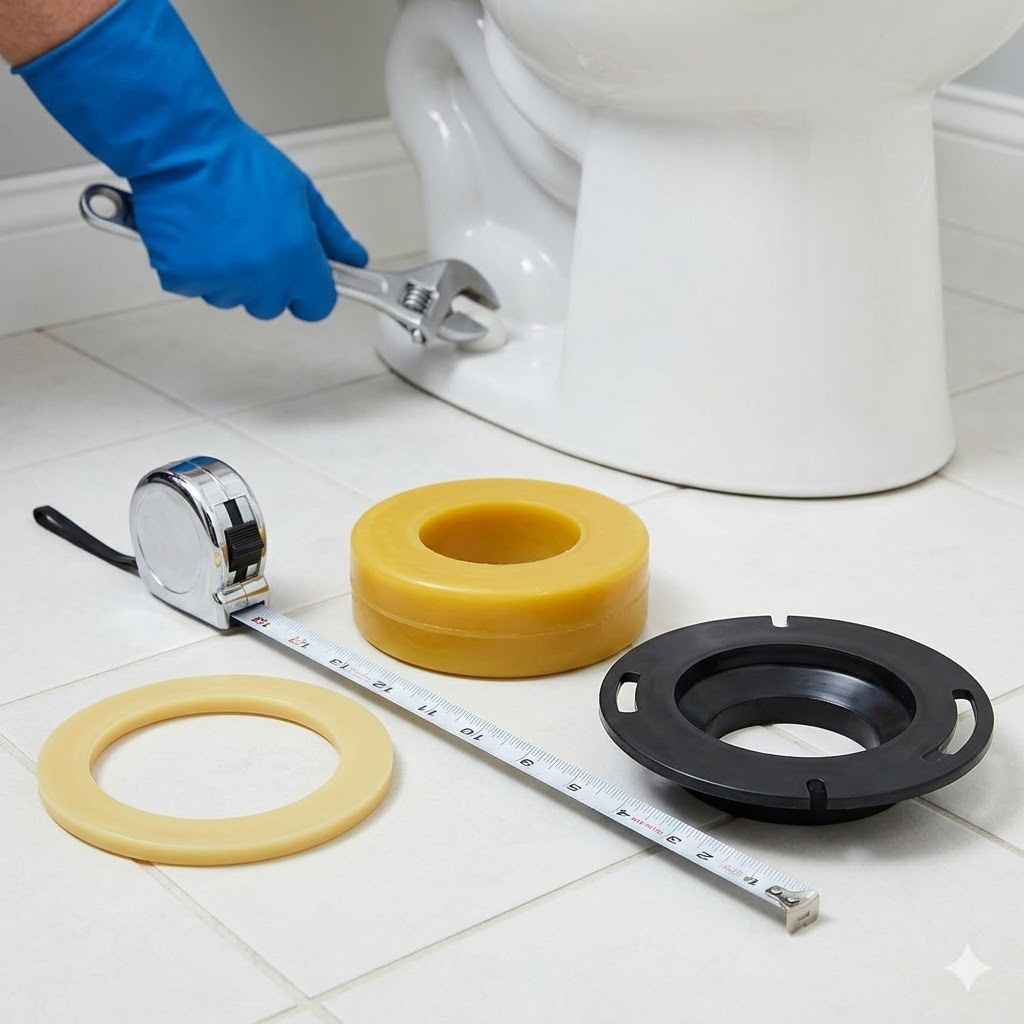
Yes, you can. As mentioned earlier, there are waxless toilet seals available. These are made from materials like rubber or foam.
They work by compression. They can be a good alternative for some people.
Some people prefer them because they are less messy than wax. They are also often easier to reposition. If you need to lift the toilet again to adjust something, a waxless seal can sometimes be reused, depending on the type and how much it compressed.
However, many professional plumbers still prefer traditional wax rings. They are proven to create a very strong, reliable seal. They adapt well to minor imperfections.
Some waxless seals might not perform as well over the long term, or in very humid conditions.
When choosing a waxless seal, look for one designed for your specific situation. Just like wax rings, they might come in different thicknesses or designs. Read the packaging carefully.
Make sure it’s rated for toilets.
Ultimately, the best choice depends on your comfort level and the specific installation. Both wax and waxless seals can work well if installed correctly. The key is proper fit and application.
Personal Experience: My First Waxless Seal Trial
I tried a waxless seal once on a rental property. I wanted to make sure it was easy for a tenant to reinstall if needed. It seemed straightforward.
I followed the instructions. The toilet sealed up fine. No leaks, no smells.
It worked. But I still felt a little uneasy.
The feeling that traditional wax provides a more robust, almost “molded” seal stuck with me. It’s hard to explain. It’s like the wax truly becomes one with the flange and the toilet base.
The waxless seal felt more like a squeezed gasket. Still functional, but maybe less forgiving long-term. For my own home, I tend to stick with wax.
Frequently Asked Questions About Toilet Wax Rings
Do I need a special wax ring for a skirted toilet?
No, typically not a special wax ring based on the skirt. Skirted toilets have an outer casing that hides the trapway. The wax ring still seals the toilet’s drain outlet to the floor flange, just like any other toilet.
The main concern remains the flange height relative to the finished floor.
Can I reuse a wax ring if I lift the toilet?
Traditional wax rings are designed for single use. Once compressed, they deform and lose their sealing ability. It’s highly recommended to use a new wax ring every time you remove and reinstall a toilet to ensure a leak-free seal.
How much wax should spread from the ring?
When the toilet is properly seated, the wax should spread out evenly around the base. You should see a consistent ring of wax visible around the toilet base. If only a small amount spreads or it’s uneven, you might have an issue with flange height or leveling.
What if the wax ring is too thick?
If the wax ring is too thick for your situation (e.g., flange is high), it might prevent the toilet from seating properly. This can create a gap or stress the porcelain. In such cases, you’d need to remove the toilet and use a standard or thinner wax ring.
Always check flange height first.
How do I know if my toilet wax ring is bad?
Signs of a bad wax ring include water pooling around the base of the toilet after flushing, persistent sewer gas odors, or a wobbly toilet that doesn’t sit firmly on the floor. These all indicate a broken seal.
Are there universal wax rings for all toilets?
Yes, the standard wax ring is considered universal for most residential toilets because it’s designed to fit common drain pipe and flange sizes. However, variations in flange height or condition might require thicker rings or those with an added horn/sleeve for an optimal seal.
Conclusion
So, to circle back to your initial question: are there different size wax rings for toilets? The answer is yes, but not in the way you might think. The basic wax ring is a standard size for common drain pipes.
The “different sizes” usually refer to the thickness or height of the wax. This is crucial when your toilet flange is not level with the floor. Always check your flange height.
Then pick a wax ring that bridges that gap. It’s a small part, but it does a big job.
Sponsored / affiliate links. As an Amazon Associate I earn from qualifying purchases. I may earn additional commission from eligible campaigns.
 Vowish Floor Gap Repair Tool, Heavy Duty Floor Gap Fixer with Strong Suction Cup and Dual-Sided Striking Surface, for Laminate, Vinyl, Wood, Tile and Composite Flooring, Includes 10 Adhesive Pads
 Extra Long Heavy Duty T-Shank Scroll Saw Blades for Wood Aluminum Fine Coarse Teeth Tight Spaces Curved Precision Cutting(1PCS)