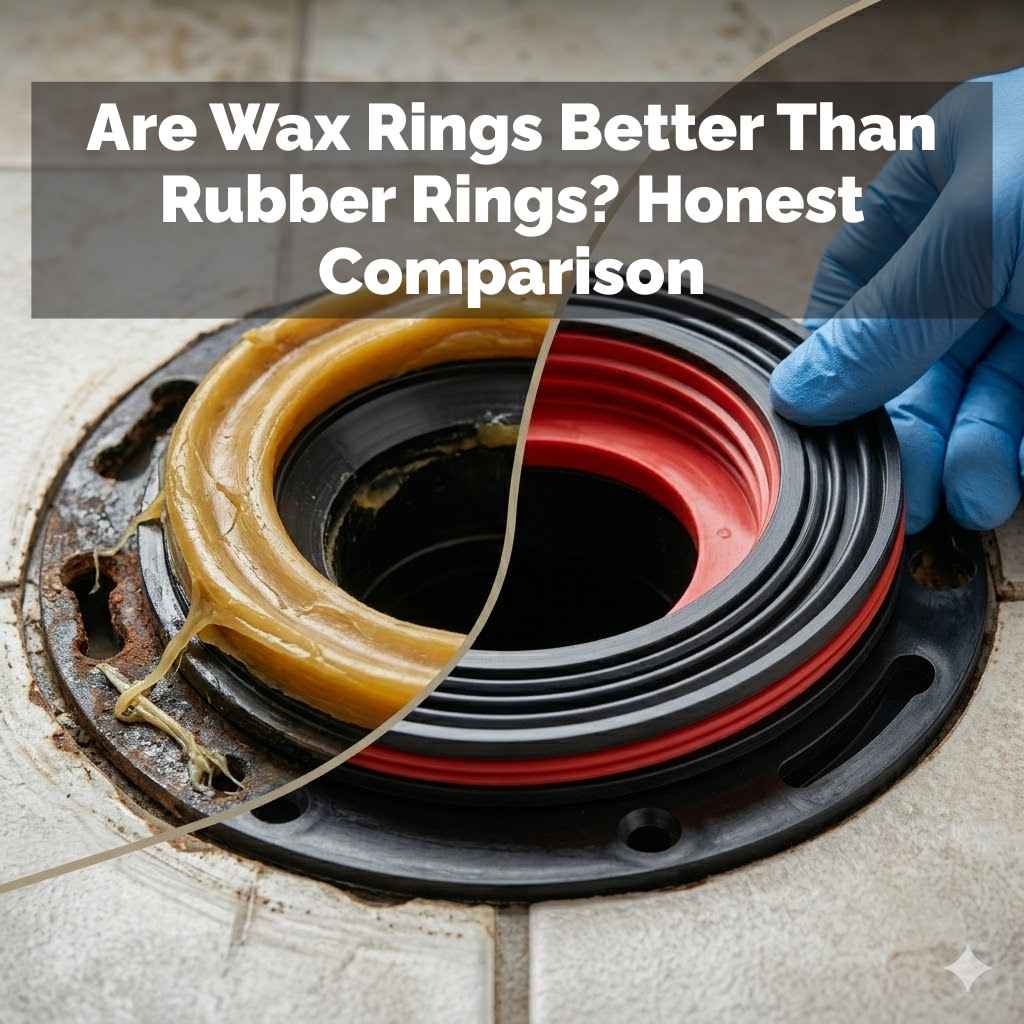
Are Wax Rings Better Than Rubber Rings? Honest Comparison
This guide will walk you through everything you need to know. We’ll break down the differences, weigh the pros and cons, and help you decide which type of ring is truly the best fit for your toilet and your situation. Let’s get to the bottom of this!
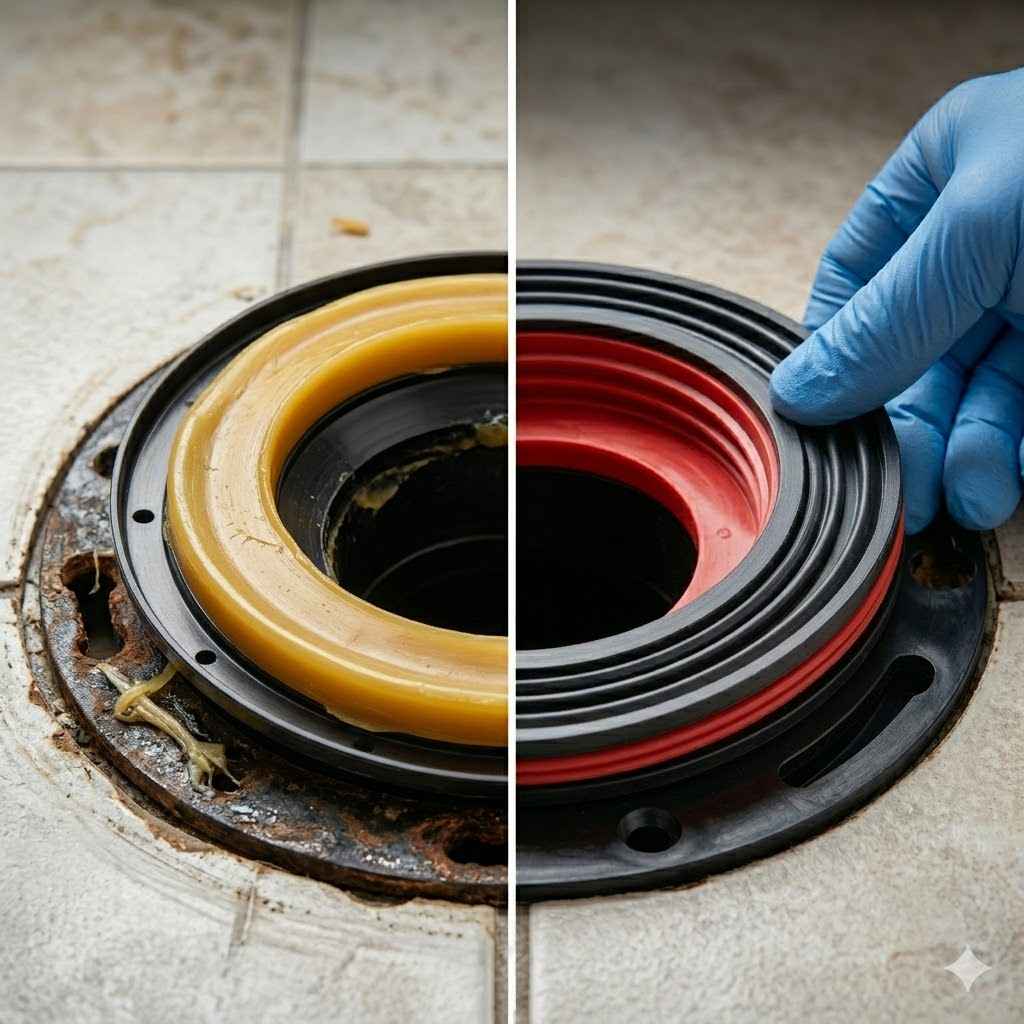
For most standard toilet installations, a wax ring offers a proven, reliable seal that has been the industry standard for decades. While rubber rings offer some advantages like easier installation and reusability, they often don’t provide the same long-term durability or resistance to subtle toilet base movements as traditional wax. The choice depends on your specific needs and comfort level with plumbing tasks.
Understanding Toilet Seals: The Core Explanation


A toilet seal is crucial. It sits between your toilet bowl and the drain pipe in your floor. This connection is called the flange.
The seal’s main job is to stop water and waste from leaking out. It also stops bad smells from coming up from the sewer pipe.
Think of it like a gasket. It creates a tight barrier. When you flush, water and waste go down the drain.
The seal keeps this contained. Without a good seal, you can have messy leaks. You might also notice unpleasant odors in your bathroom.
This is why choosing the right seal matters so much.
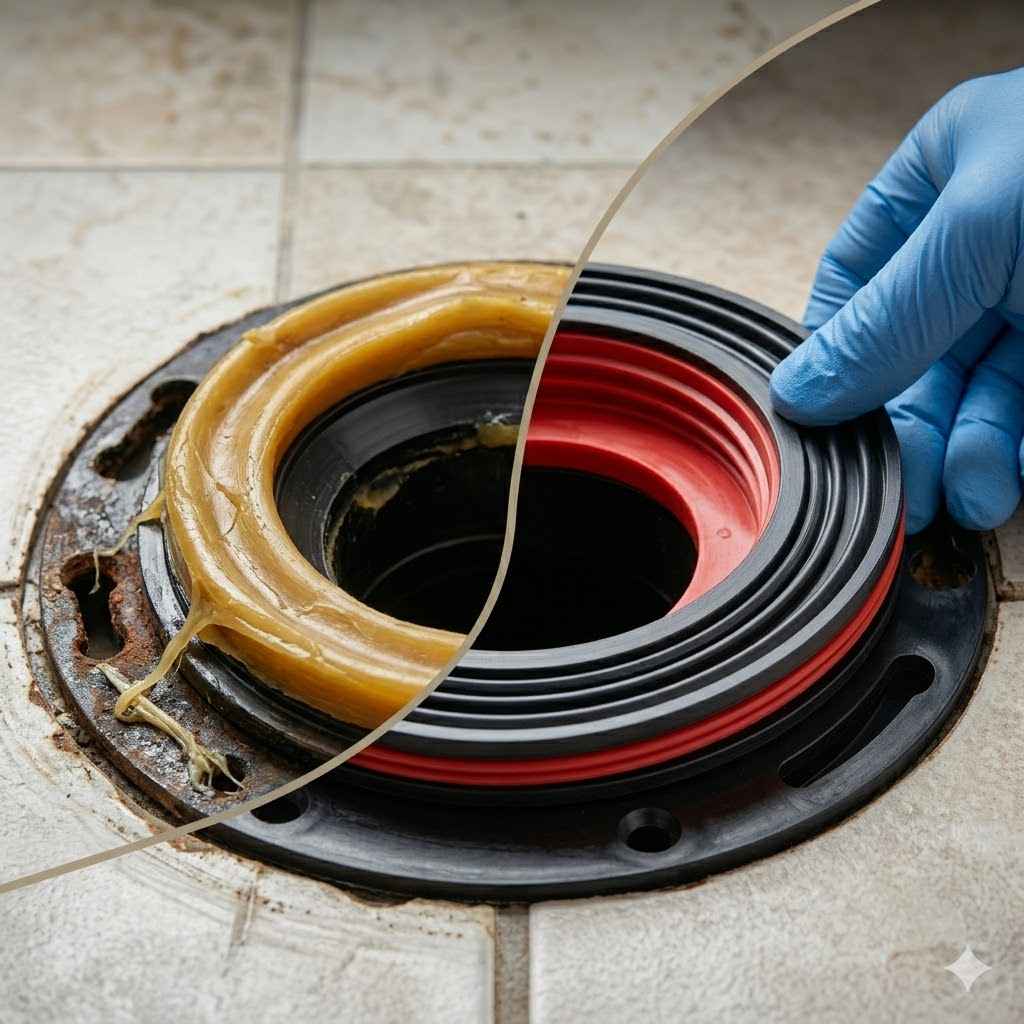
For many years, wax rings were the only real option. They are made from a dense, sticky wax. This wax is solid at room temperature.
When you install it, the weight of the toilet presses the wax. This forms a perfect seal. The wax fills any small gaps.
More recently, rubber rings have become popular. These are made from flexible rubber. They work a bit differently.
Some rubber rings use a compression fit. Others might have a flange that fits into the pipe. They aim to do the same job as wax but with different materials.
My Own Toilet Tune-Up: A Wax Ring Reality Check
I remember one particularly frustrating weekend a few years back. My upstairs toilet had started to feel a little wobbly. Not a lot, just a tiny bit.
Then came the faint, but persistent, smell of sewer gas. It wasn’t a full-blown leak, but it was enough to know something was off.
I’d tackled simple plumbing before – changing a faucet washer, unclogging a drain. So, I decided to dive in and replace the wax ring. I’d heard wax was the best.
I bought a new ring, a new wax-free option just to see, and got my tools ready. The old toilet came off, and I saw the original wax ring. It looked pretty good, but it was definitely compressed.
It had done its job.
I decided to stick with a traditional wax ring. The installation was… sticky. Literally.
The wax adhered to the flange and the toilet base. Getting the toilet set down perfectly straight was a bit nerve-wracking. You only get one shot to seat it correctly.
If you mess up, you might need a new ring. But once it was down, I tightened the bolts. The wobble was gone.
And the smell? Vanished.
It was a win. But the process made me think about that wax-free ring I’d bought. What if I’d needed to reposition the toilet?
Or what if I had struggled to get it seated right the first time? Would the wax-free one have been easier to deal with? That experience stuck with me, making me wonder about the differences.
Wax Ring: The Traditional Choice
Pros:
- Proven Reliability: Decades of use mean they work well.
- Excellent Seal: Wax molds to fill gaps perfectly.
- Cost-Effective: Usually very inexpensive.
- Resistant to Movement: Handles minor toilet shifting well.
Cons:
- Messy: Wax can be sticky and hard to clean up.
- Single Use: You must buy a new one if you lift the toilet.
- Temperature Sensitive: Can melt if the room is too hot.
- Slightly Tricky Install: Requires careful placement.
Wax Rings vs. Rubber Rings: A Deep Dive
Let’s get into the nitty-gritty. What makes these two types of seals different? It’s not just the material.
It’s how they work and what that means for your bathroom.
The biggest difference is the material. Wax is, well, wax. It’s dense and pliable when warm but solid when cool.
Rubber is flexible and can compress. This difference in material leads to different installation methods and performance over time.
Wax rings are typically made from a petroleum-based wax. They have a thick, solid consistency. When you place a toilet on top of a wax ring, the weight of the porcelain bowl presses down.
This force spreads the wax. It creates a watertight and airtight seal against the toilet flange and the bottom of the toilet bowl.
This molding action is very effective. It can fill in tiny imperfections on the flange or the toilet base. It creates a very secure connection.
That’s why plumbers have relied on them for so long. They form a robust seal that can withstand pressure and prevent smells.
Rubber rings, often called wax-free seals, are made from synthetic rubber or foam. They come in various designs. Some are shaped like a traditional wax ring.
Others might have a rubber gasket that fits directly into the drain pipe opening. They often incorporate a plastic flange or adapter.
Their sealing mechanism usually relies on compression. When the toilet is bolted down, the rubber compresses. This creates a seal.
Some advanced rubber rings have a type of flexible flange that inserts into the drain pipe itself. This can create a seal from inside the pipe. This design aims to prevent leaks even if the toilet is slightly misaligned.
The installation of rubber rings can be simpler. You don’t have the same concern about the wax melting or getting dirty. You also don’t have to worry about seating the toilet perfectly in one go.
If you need to lift the toilet again, many rubber rings can be reused. This is a big advantage for DIYers.
However, some plumbing experts voice concerns about their long-term performance. They worry that rubber might not hold up as well over time. The constant pressure and potential for small movements in the floor or toilet could cause the rubber to degrade or lose its seal.
Wax, on the other hand, is less likely to degrade in the same way.
Rubber Ring: The Modern Alternative
Pros:
- Easy Install: Less messy, often forgiving of minor mistakes.
- Reusable: Can be used again if the toilet is removed.
- No Melting: Not affected by room temperature.
- Variety of Designs: Some offer unique sealing features.
Cons:
- Long-term Durability Concerns: Some question their lifespan.
- Potential for Movement: Might not handle toilet wobble as well as wax.
- Cost: Can be more expensive than wax rings.
- Seal Quality Varies: Performance depends on the specific product.
When Does a Toilet Seal Go Bad? Real-World Context
Understanding when and why a toilet seal fails is key to preventing problems. It’s not always a sudden event. Often, it’s a slow creep of issues.
One common cause is simply age. Like any material, the wax or rubber in a seal will eventually break down. Over years, the constant presence of moisture, temperature changes, and the weight of the toilet can weaken it.
For wax rings, this might mean it starts to dry out and crack.
Another big culprit is a wobbly toilet. If your toilet isn’t secured firmly to the floor, it can move. Even a small amount of movement can break the seal.
This is where the difference between wax and rubber becomes apparent. Wax can often tolerate a little flex. But if the toilet rocks significantly, the wax seal can be disturbed, creating gaps.
Improper installation is also a frequent problem. If the wax ring isn’t placed correctly on the flange, or if the toilet isn’t seated evenly, the seal won’t be complete. You might not notice it right away.
But over time, water can find its way through.
The toilet flange itself can also be the issue. This is the plastic or metal ring that connects the toilet drain to the sewer pipe. If the flange is damaged, cracked, or not level with the floor, even a perfect wax or rubber ring will struggle to create a good seal.
You might see water pooling around the base of the toilet, or smell sewer gas.
In older homes, you might find flanges that are below the floor level. This makes sealing much harder. Modern building codes often require the flange to be at or slightly above the finished floor.
If yours is low, you might need a flange extender or a special type of seal designed for this situation.
Sometimes, clogs or blockages in the drain line can put extra pressure on the seal. If waste backs up, it can stress the seal’s connection. This might force waste and water out around the base of the toilet.
Think about the environment your toilet lives in. Bathrooms can get steamy. Extreme temperature swings, like in a summer cabin or an uninsulated basement, can affect wax.
While rubber is more stable, consistent moisture around the base can lead to other problems, like mold growth, even if the seal itself isn’t actively leaking.
Common Causes of Toilet Seal Failure
Age: Natural degradation of wax or rubber over time.
Wobbly Toilet: Movement breaks the seal’s integrity.
Poor Installation: Incorrect placement or seating of the seal.
Damaged Flange: Cracks or unevenness in the floor flange.
Low Flange: Flange sits below the finished floor level.
Drain Blockages: Pressure from backed-up waste.
Extreme Temperatures: Affects wax rings particularly.
What This Means For You: When to Worry (and When Not To)
So, what are the signs that your toilet seal might be failing? And how do you know if it’s a minor issue or something more serious?
The most obvious sign is water. If you see puddles of water around the base of your toilet, this is a big red flag. It means the seal is not holding.
It’s important to address this quickly. Water on your floor can damage subflooring and lead to mold growth.
Another common indicator is that persistent, unpleasant smell of sewer gas. If you notice this smell, especially when you use the toilet or right after flushing, it’s likely that the seal is allowing gases to escape from the drain pipe. This isn’t just annoying; sewer gases can be unhealthy.
Sometimes, the problem is more subtle. You might notice that the toilet rocks slightly when you sit on it. As we’ve discussed, this movement can compromise the seal.
Even a small wobble can lead to leaks over time.
If you hear gurgling sounds from the toilet or other drains when you flush, this could also point to a sealing issue. It suggests that air is getting into the system where it shouldn’t be.
When is it normal? Well, a perfectly functioning toilet and seal shouldn’t show any of these signs. There should be no water, no smells, and no wobbling.
The only time a seal is “working” is by remaining invisible and silent, doing its job without any noticeable effects.
When should you worry? If you see standing water around the toilet base, that’s a definite worry. If the smell of sewer gas is strong or constant, that’s a significant concern.
If the toilet is rocking badly, it needs attention. These are signs that you need to act to prevent more damage.
What can you do? First, try to gently rock the toilet. Does it move more than just a tiny bit?
If so, the bolts might be loose, or the seal might be failing. You can check the closet bolts that secure the toilet to the flange. If they are loose, tightening them might help stabilize the toilet and improve the seal, at least temporarily.
However, if the bolts are tight and the toilet still wobbles, or if you see water or smell odors, it’s time to consider replacing the seal. This is usually a straightforward DIY task if you are comfortable with basic plumbing. The key is to get a good, solid seal.
Quick Seal Check: Yes or No?
Water around the base? YES = PROBLEM.
Sewer gas smell? YES = PROBLEM.
Toilet wobbles when used? YES = POTENTIAL PROBLEM.
Gurgling sounds? YES = POTENTIAL PROBLEM.
No issues at all? NO = GOOD.
Quick Fixes & Tips for a Better Seal
If you’ve decided it’s time to replace your toilet seal, or if you’re looking to ensure the best possible outcome, here are some tips. These focus on making the process smoother and the result more reliable, whether you choose wax or a wax-free option.
Preparation is Key: Before you even touch the toilet, make sure you have everything you need. This includes a new seal (wax or rubber), a new wax ring if using one, new waxless ring if using one, new closet bolts if yours are corroded, rags, a bucket, a putty knife or scraper, and gloves. Turn off the water supply to the toilet.
Flush the toilet to empty the tank and bowl as much as possible. Then use a sponge or rags to remove any remaining water from the bowl.
Cleanliness Matters: When you remove the old toilet, scrape off all the old wax or residue from the flange and the toilet base. A clean surface is essential for a good seal. A putty knife works well for this.
If you’re using a traditional wax ring, ensure the flange and the bottom of the toilet are completely dry and clean.
The Wax Ring Technique: For traditional wax rings, place the ring onto the toilet flange. Ensure it’s centered. Some wax rings have a plastic funnel or horn that points down into the pipe.
Make sure this is facing the correct direction. Once placed, carefully lower the toilet onto the flange. Don’t twist or rock it excessively.
Once it’s in place, apply steady, even pressure to seat the toilet. You should feel it settle. Then, tighten the closet bolts gradually and evenly, alternating sides, until the toilet is snug and doesn’t wobble.
Over-tightening can crack the porcelain base.
Wax-Free Ring Installation: Follow the manufacturer’s instructions carefully. These vary greatly. Some might involve inserting a component into the drain pipe, while others rely on compression like wax.
Ensure the surfaces are clean, and follow their specific seating and tightening procedures.
Dealing with a Low Flange: If your flange is below the floor level, a standard wax ring might not be enough. You may need a thick wax ring or a flange extender kit. These kits add height to the flange, making it easier to get a good seal.
Some wax-free rings are also designed to work better with low flanges.
Testing for Leaks: After installation, turn the water supply back on. Let the tank fill. Flush the toilet.
Observe the base for any signs of water. Feel around the base with a dry paper towel. You shouldn’t find any moisture or feel any drafts of air.
Also, check for that tell-tale sewer gas smell.
When to Call a Professional: If you’re uncomfortable with any part of the process, if the flange is badly damaged, or if you’ve replaced the seal and still have leaks, it’s best to call a licensed plumber. They have the experience and tools to diagnose and fix complex issues quickly.
Installation Checklist
Tools & Supplies:
- New seal (wax or wax-free)
- New closet bolts (recommended)
- Rags and bucket
- Putty knife or scraper
- Gloves
- Adjustable wrench or socket set
- Sponge
Steps:
- Turn off water supply.
- Flush to empty tank and bowl.
- Remove remaining water from bowl.
- Disconnect water supply line.
- Remove old closet bolts.
- Lift off toilet.
- Clean flange and toilet base thoroughly.
- Install new seal onto flange or toilet.
- Carefully set toilet onto flange.
- Install and tighten closet bolts evenly.
- Reconnect water supply.
- Turn on water and test flush.
- Check for leaks and smells.
Frequently Asked Questions
Is a wax ring or rubber ring better for a toilet?
For most standard installations, a wax ring offers a proven, reliable seal. Rubber rings can be easier to install and are reusable, but their long-term durability is sometimes questioned by professionals compared to wax.
How often should you replace a toilet wax ring?
You only need to replace a wax ring if you remove the toilet for any reason, like a repair or replacement. If the toilet is stable and not leaking, the wax ring doesn’t need regular replacement.
Can a rubber toilet seal fail?
Yes, like any seal, rubber rings can degrade over time or fail if not installed correctly. Their performance can also depend on the quality of the specific product and the conditions in your bathroom.
What happens if my toilet wax ring fails?
If a wax ring fails, you’ll likely notice water around the base of the toilet or a persistent sewer gas smell. This indicates the seal is no longer preventing leaks or odors.
Can I reuse a wax ring?
No, you cannot reuse a wax ring. Once the toilet is lifted, the wax ring is compressed and deformed. It will not create a proper seal if reinstalled.
Are wax-free toilet seals worth the extra cost?
Wax-free seals can be worth it if you prioritize ease of installation, reusability, or are working in very hot conditions where wax might be problematic. However, their long-term effectiveness can vary.
How do I know if my toilet flange is damaged?
Inspect the flange for cracks, chips, or significant corrosion. If it’s loose, broken, or sits well below the floor level, it may need repair or replacement by a professional.
Conclusion: Making the Best Choice for Your Home
Choosing between a wax ring and a rubber ring comes down to your priorities. Both have their strengths. Wax offers time-tested reliability and a solid seal.
Rubber provides easier installation and reusability. For many, the classic wax ring is still the go-to. It’s affordable and dependable when installed correctly.
However, if you’re doing the work yourself and want a bit more flexibility, a good quality rubber seal could be a great option.
Sponsored / affiliate links. As an Amazon Associate I earn from qualifying purchases. I may earn additional commission from eligible campaigns.