Can You Use Interior Paint Outside? Risks You Should Know
The short answer is no, you generally cannot use interior paint outside. Interior paints are not designed to withstand the harsh elements like sun, rain, temperature changes, and moisture that exterior surfaces endure. Using them outdoors will lead to peeling, fading, cracking, and a much shorter lifespan for your paint job.
What Is Interior Paint and Why It Stays Inside
Interior paint is made for walls and ceilings inside your home. Think about it: the inside of your house has pretty stable conditions. It’s protected from harsh weather.
This kind of paint focuses on things like how it looks, how easy it is to clean, and how well it covers a surface. It usually has fewer protective chemicals than outdoor paint.
These paints are often water-based. They dry pretty fast. They also come in a huge range of colors and finishes.
But they don’t have the special stuff needed to fight off the sun’s UV rays. They also can’t handle the moisture from rain or snow. And they aren’t built for the big temperature swings we see from summer heat to winter cold.
The Big Differences: Interior vs. Exterior Paint
So, what makes exterior paint so different? It’s all about survival. Exterior paints have a tougher job.
They need to look good for years, not just months. This means they have special ingredients to help them last.
One big difference is flexibility. Outside, surfaces expand and contract a lot. This is due to heat and cold.
Exterior paint has binders that allow it to stretch and move with the surface. Interior paint is more brittle. It can crack when the surface moves.
Another key factor is UV resistance. The sun’s rays are powerful. They can break down paint.
Exterior paints have special pigments and binders that resist fading. They keep their color much longer. Interior paints aren’t built with this kind of defense.
They’ll fade quickly when exposed to direct sunlight.
Moisture is also a huge issue outdoors. Rain, snow, humidity – all these can seep into surfaces. If paint isn’t designed for this, it can trap moisture.
This leads to mold, mildew, and peeling paint. Exterior paints are formulated to be more breathable or to create a strong barrier against water. They often contain mildewcides to prevent fungal growth.
My Own “Oh No!” Moment with the Wrong Paint
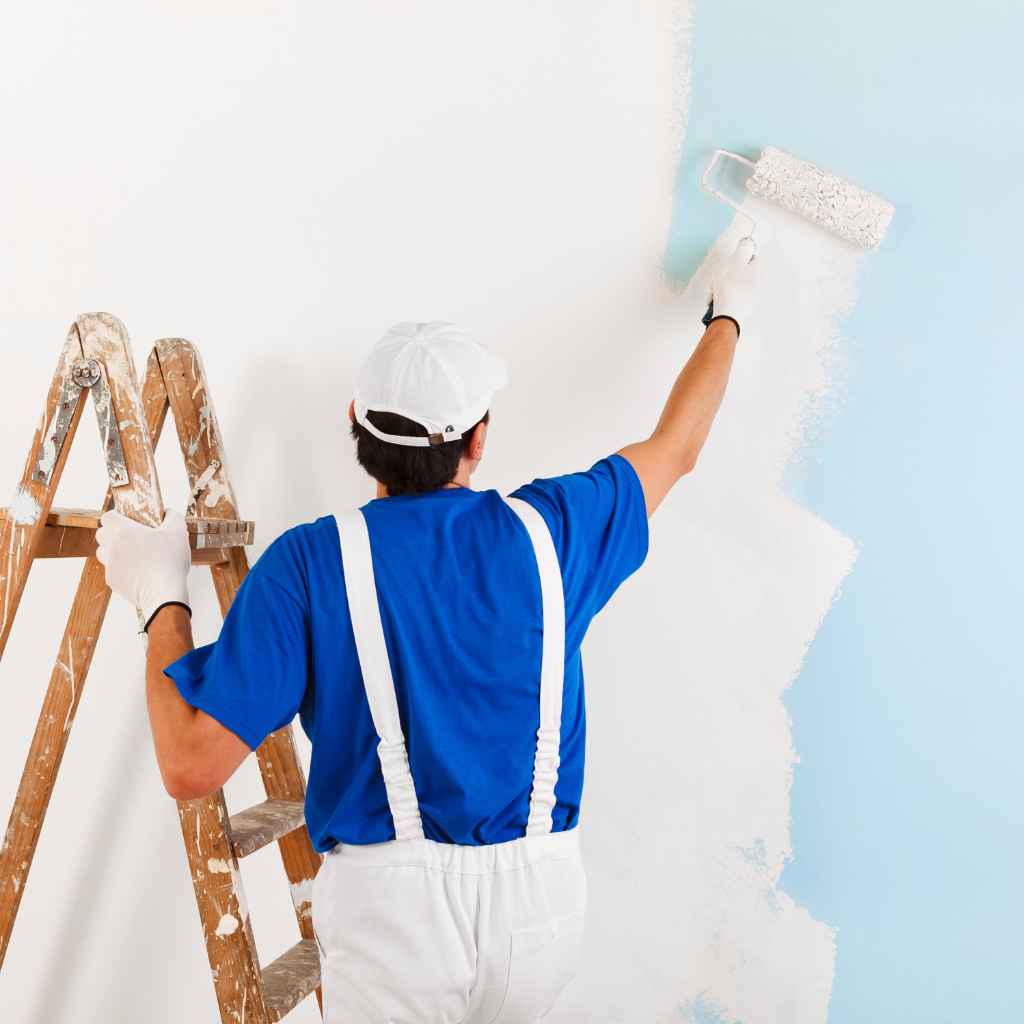
I remember one summer, I was helping a friend paint her old wooden garden shed. She had a half-used can of beautiful teal paint left over from her living room. “It’ll look so cute on the shed!” she said.
I had my doubts, but I was young and eager to help. We slapped it on. It looked fantastic for maybe two months.
Then, the August sun beat down. The teal started to look a bit chalky. By September, after a few good rain showers, we saw little white spots appearing.
By the next spring? It was a mess. The paint was peeling in large flakes, the wood underneath looked dull, and the color was washed out.
It looked worse than before we started. We ended up having to scrape and repaint the whole thing with proper exterior paint. That was a hard lesson learned about using the right tool for the job, or in this case, the right paint!
Key Differences at a Glance
Interior Paint Focus:
- Aesthetics (color, finish)
- Ease of cleaning
- Low odor
- Good coverage
Exterior Paint Focus:
- Durability against elements
- Flexibility
- UV resistance
- Moisture protection
- Mildew resistance
The Risks: What Happens When Interior Paint Meets the Outdoors
So, what exactly are the dangers of using interior paint outside? It’s not just about looking bad. It can actually damage the surface you’re trying to protect.
Peeling and Flaking: This is probably the most common problem. Interior paint isn’t flexible enough to handle the expansion and contraction of outdoor materials. When temperatures change, the surface moves.
The brittle interior paint can’t move with it. It cracks and eventually peels off. This leaves the underlying material exposed and vulnerable.
Fading and Chalking: The sun is a powerful enemy of paint. Without UV blockers, interior paint will lose its color quickly. It can turn chalky.
This chalky residue can rub off on your hands or clothes. It makes the surface look dull and old before its time.
Cracking: Extreme temperature swings can cause the paint film to become rigid. Then, when the surface expands or contracts, the paint cracks. These cracks let water and dirt get underneath the paint layer.
This leads to bigger problems.
Mold and Mildew Growth: Interior paints often don’t have the anti-fungal additives found in exterior paints. Outdoor surfaces are frequently damp. This dampness creates a perfect breeding ground for mold and mildew.
You’ll start to see dark spots and streaks, especially in shaded or moist areas.
Surface Damage: The biggest risk is that unprotected surfaces will start to rot, warp, or corrode. Wood can get waterlogged and decay. Metal can rust.
Stucco or brick can be damaged by water seeping into pores. The paint’s failure to protect the surface can lead to costly repairs.
When Might You Think It’s Okay? (Spoiler: It’s Usually Not)
Sometimes, people think a sheltered spot might be okay for interior paint. For example, a covered porch that rarely gets direct rain or sun. Or maybe a tiny touch-up on a piece of outdoor furniture that’s always stored indoors.
Even in these “protected” areas, think about humidity. Porches can still get very humid. Temperature changes are still a factor.
A covered area still experiences significant shifts from day to night, and between seasons. Also, even a little bit of moisture can encourage mold. And dust and dirt will still settle on the surface.
So, while it might last a little longer in a very sheltered spot, it’s still not a good idea. The lifespan will be dramatically shorter. And the risk of it looking bad or causing damage is still very high.
It’s like wearing a light jacket in a snowstorm. It might offer a tiny bit of protection, but it’s not what the situation calls for.
Surface Stress Test: Interior vs. Exterior
Interior Paint:
- Flexibility: Low
- UV Resistance: Poor
- Moisture Resistance: Low
- Mildew Resistance: Low
- Temperature Tolerance: Narrow
Exterior Paint:
- Flexibility: High
- UV Resistance: Excellent
- Moisture Resistance: High
- Mildew Resistance: High
- Temperature Tolerance: Wide
What’s in Exterior Paint That Makes It So Tough?
Exterior paints are formulated with specific ingredients to handle the outdoors. Let’s break down some of the key components that give them their staying power.
Binders: These are the “glue” of the paint. They hold the pigment particles together and help the paint stick to the surface. Exterior paints use flexible binders, often acrylics or silicone-modified acrylics.
These binders remain pliable even in extreme temperatures. They allow the paint to expand and contract with the surface without cracking.
Pigments: These give paint its color. Exterior pigments are specially made to resist fading from UV rays. They are also ground very finely for better coverage and durability.
Some pigments are inorganic and can withstand sunlight much better than organic ones used in interior paints.
Additives: This is where a lot of the magic happens. Exterior paints contain a cocktail of additives. These include:
- Mildewcides and Fungicides: These chemicals prevent mold and mildew from growing on the paint surface.
- UV Absorbers: These block harmful UV rays from reaching the binders and pigments, preventing degradation and fading.
- Flow and Leveling Agents: These help the paint spread smoothly and evenly, reducing brush marks and improving overall appearance.
- Water Repellents: Some paints are formulated to actively repel water, creating a protective barrier against moisture.
The specific combination and quality of these ingredients vary by paint grade and manufacturer. Higher-quality exterior paints will have more advanced binders and a wider array of protective additives. This is why a good exterior paint job can last 10-15 years or even longer.
Real-World Scenarios: Where the Wrong Paint Fails
Let’s imagine a few common outdoor painting projects and how interior paint would fail miserably.
Scenario 1: The Wooden Deck. You have a leftover can of a nice neutral paint. You decide to paint your wooden deck. Decks are under constant stress.
They get walked on, they’re exposed to sun, rain, and snow. The wood expands and contracts daily with temperature and moisture changes. Interior paint would crack within weeks.
It would wear away under foot traffic. Water would seep into the wood through the cracks, causing rot. The deck would quickly look terrible and become damaged.
Scenario 2: The Metal Garden Gate. You want to give your old metal gate a facelift with some leftover cream paint. Metal expands and contracts too, though less than wood. But the real killer here is rust.
If the interior paint cracks or fails to adhere properly, moisture will get to the metal. It will start to rust. The rust will spread under the paint, causing it to bubble and peel.
The gate will look streaky and unsightly, and the metal itself will degrade.
Scenario 3: The Vinyl Siding. Many people think vinyl siding is immune to paint problems. While it’s more durable than wood, it’s not immune. If you paint vinyl siding with interior paint, the dark color you choose might absorb too much heat.
Vinyl has a limit to how much heat it can take. Interior paint offers no UV protection. It will fade and chalk quickly.
Worse, if the paint gets too hot, it can cause the vinyl underneath to warp. This is a costly mistake to fix.
Scenario 4: The Exterior Doors. Exterior doors face direct sun, rain, and wind. They also experience rapid temperature changes. A front door painted with interior paint will fade unevenly.
It will likely start to blister or peel where it gets the most sun. Moisture can get in around the edges, leading to swelling or rot of the door frame or the door itself. This not only looks bad but can make the door hard to open and close.
Common Outdoor Surfaces and Paint Needs:
| Surface | Primary Challenges | Interior Paint Outcome | Exterior Paint Needs |
|---|---|---|---|
| Wood (siding, trim, decks) | Moisture, UV, expansion/contraction, rot | Cracks, peels, fades, rots wood | Flexible, UV-resistant, moisture-proof, mildew-resistant |
| Metal (gates, railings) | Rust, UV, expansion/contraction | Rusts, peels, fades | Corrosion-resistant primer, flexible, UV-resistant |
| Vinyl siding | UV, heat absorption, fading | Fades quickly, chalks, can warp siding | Vinyl-safe paint, UV-resistant, flexible |
| Stucco/Masonry | Moisture, UV, breathability needs | Traps moisture, cracks, fades, can damage surface | Breathable, UV-resistant, alkali-resistant |
What This Means for Your Home and Wallet
Using interior paint outside isn’t just a minor aesthetic mistake. It’s a decision that can cost you more money and effort in the long run.
Increased Costs: You’ll likely have to repaint much sooner than you would with exterior paint. This means buying more paint, and potentially hiring painters again. If the paint failure damages the underlying material (like wood rot), you’ll have even bigger repair bills.
That “savings” from using leftover interior paint quickly disappears.
Time and Effort: Repainting a failed job is a lot harder than a fresh coat. You often have to scrape off old, peeling paint. This is dusty, messy work.
You might need to sand, prime, and then reapply paint. All that extra work takes up valuable weekend time.
Property Value: A home that looks well-maintained sells for more. Peeling, faded paint on the exterior can make your home look neglected. This can negatively impact its curb appeal and perceived value.
Structural Integrity: In worst-case scenarios, using the wrong paint can lead to structural damage. Trapped moisture in wood can cause rot. This can weaken fences, decks, or even parts of your house.
These are repairs that go beyond just aesthetics.
When is Interior Paint Truly “Safe” Outside? (Very Rarely)
Honestly, there are very few situations where using interior paint outside is truly advisable. The U.S. Environmental Protection Agency (EPA) has guidelines for safe painting practices, and they always emphasize using the correct product for the job.
The only time it might be considered is for something that is indoors but also a “liminal space.” Think about a garage that is rarely exposed to direct weather. Or a sunroom that is fully enclosed and climate-controlled. Even then, moisture can be an issue.
And the slight expansion and contraction can still happen.
If you have a tiny, non-critical decorative item that is kept in a fully protected, climate-controlled space and never experiences direct moisture or extreme temperatures, perhaps. But for anything exposed to the elements, even slightly, it’s a gamble you shouldn’t take. It’s far better to invest in the right exterior paint from the start.
Interior Paint: Outdoor “Maybe” List (Use Extreme Caution!)
Consider Only If:
- The item is fully enclosed and protected from all weather. (e.g., inside a garage with no exterior door, a perfectly sealed sunroom).
- There is absolutely no direct or indirect moisture. (No humidity, no condensation).
- Temperature fluctuations are minimal and controlled. (Like a climate-controlled indoor room).
- The item is not structural and its failure would cause no damage. (e.g., a small decorative shelf, NOT a deck railing).
Recommendation: Even in these cases, using an exterior-grade paint is still the safest and most durable option.
Quick Tips for Choosing the Right Exterior Paint
When you’re ready to paint something outside, choosing the right paint makes all the difference. Here are a few pointers:
Read the Label: This sounds obvious, but it’s crucial. The paint can will clearly state if it’s for interior or exterior use. Look for terms like “exterior,” “all-weather,” or “durable finish.”
Consider the Surface: Different surfaces need different paints. Wood, metal, vinyl, and masonry all have unique needs. Some exterior paints are designed for multiple surfaces, while others are specific.
Check the label for compatibility.
Quality Matters: Higher quality paints generally offer better protection and last longer. While they might cost more upfront, they save you money and hassle in the long run. Look for brands known for their exterior paint performance.
Primer is Your Friend: For many outdoor surfaces, especially wood and metal, a good exterior primer is essential. Primer helps paint adhere better, seals the surface, and provides an extra layer of protection against moisture and corrosion.
Think About the Finish: Exterior paints come in different sheens, like flat, satin, or semi-gloss. Flat finishes hide imperfections well but can be harder to clean. Satin and semi-gloss finishes are more durable and easier to wash, making them good for high-traffic areas.
Frequently Asked Questions About Exterior Paint
Can I use leftover interior paint for a small outdoor touch-up?
It’s generally not recommended. Even small touch-ups are exposed to the elements. Interior paint will likely fail quickly, making the touch-up look worse than the original imperfection.
It’s best to get a small can of exterior paint for any outdoor repairs.
How long does exterior paint typically last?
The lifespan of exterior paint varies greatly. Factors include the quality of the paint, the surface preparation, the climate, and the amount of sun exposure. Generally, a good quality exterior paint job can last anywhere from 7 to 15 years or even longer with proper maintenance.
What’s the difference between latex and oil-based exterior paint?
Modern exterior paints are mostly water-based (latex). They are flexible, clean up easily with soap and water, and are low in VOCs (volatile organic compounds). Oil-based paints are less common now for general exterior use due to their strong fumes and harder cleanup (requiring mineral spirits), but they can offer a very hard, durable finish for certain applications like metal.
Can I paint over old exterior paint with interior paint?
No. If the old paint is exterior paint, you should use new exterior paint. If the old paint is interior paint that was mistakenly used outside, you’ll likely need to remove it completely before applying a proper exterior paint.
Trying to paint over a failing interior paint job outside will only lead to more problems.
Does the color of exterior paint affect its durability?
Yes, to some extent. Darker colors tend to absorb more heat from the sun, which can put more stress on the paint film and the underlying material. Very dark colors, especially on siding, can sometimes cause issues if the material can’t handle the heat.
Lighter colors generally reflect more sunlight, which can lead to less fading over time.
Is it okay to use interior primer on exterior surfaces?
No, it’s not recommended. Interior primers are not formulated to withstand outdoor conditions like moisture, UV rays, and temperature fluctuations. Use a primer specifically designed for exterior use to ensure proper adhesion and long-term protection.
Conclusion: Stick to the Right Paint for the Right Job
It’s tempting to use up that leftover can of interior paint for an outdoor project. But the risks far outweigh any perceived savings. Exterior paint is a specialized product designed to endure the harsh outdoor world.
Using interior paint outside is a recipe for peeling, fading, and potential damage to your home. Always choose exterior-grade paints for any project that isn’t fully climate-controlled indoors.
Sponsored / affiliate links. As an Amazon Associate I earn from qualifying purchases. I may earn additional commission from eligible campaigns.