Are Wooden Cutting Boards Antimicrobial?
So, you’re wondering, Are Wooden Cutting Boards Antimicrobial? It’s a question many folks ask when they’re choosing kitchen tools. It can seem a bit tricky to figure out what’s really going on with wood and germs. But don’t worry!
We’re going to break it down in a way that’s super easy to get. Stick around, and we’ll show you exactly what you need to know without any fuss. You’ll learn all about how wood handles bacteria and what that means for your cooking.
Are Wooden Cutting Boards Antimicrobial
The question of whether wooden cutting boards are antimicrobial is something many home cooks ponder. You want to keep your kitchen safe and your food healthy, and the surface where you chop your ingredients plays a big part in that. It’s natural to question the hygiene of wood, especially when you see plastic alternatives that seem easy to clean.
But wood has some surprising qualities that make it a great choice for your kitchen, and it’s not as complicated as it might seem at first glance.
The Science Behind Wood and Bacteria
Wood isn’t just a pretty surface; it’s a living material that interacts with the environment in fascinating ways. When we talk about antimicrobial properties, we’re referring to something’s ability to kill or inhibit the growth of microorganisms like bacteria. For a long time, many people believed that wood was a breeding ground for germs.
However, scientific studies have revealed a more complex and, in many ways, reassuring story about how wood behaves in the kitchen.
One of the key factors is the natural composition of wood itself. Wood contains compounds that can actively combat bacteria. Different types of wood have varying levels of these natural defenses.
For instance, hardwoods like maple, walnut, and cherry tend to be denser and less porous than softwoods. This density means that bacteria have a harder time penetrating the surface and finding a place to multiply. When bacteria land on a wooden surface, they can actually become trapped in the wood’s microscopic pores.
Over time, the wood’s natural properties begin to break down these bacteria, effectively killing them off.
This process is different from what happens on other surfaces. Plastic cutting boards, for example, tend to be non-porous, which can make them seem hygienic. However, they can easily develop tiny scratches and grooves from knife use.
These small nicks can become hiding places for bacteria, and because plastic doesn’t have the same natural self-sanitizing properties as wood, those bacteria can linger and multiply.
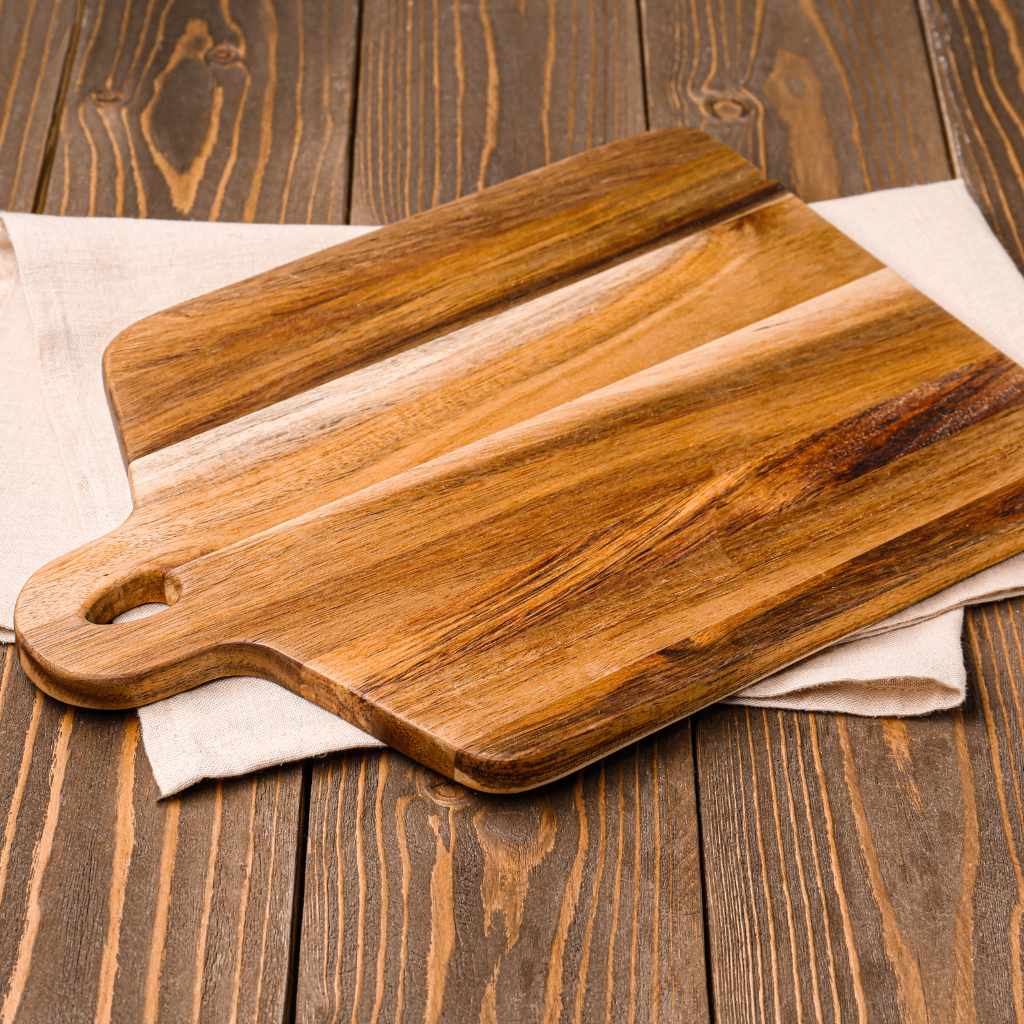
How Wood Naturally Fights Germs
The “antimicrobial” aspect of wooden cutting boards isn’t about them being sterile all the time, but rather about their ability to reduce bacterial populations naturally. This happens through a few mechanisms. Firstly, the porous nature of wood, especially hardwoods, traps bacteria.
Once trapped, the bacteria are exposed to the wood’s cellular structure and any natural antimicrobial compounds it may contain.
Secondly, and perhaps more significantly, studies have shown that when bacteria are introduced to a wooden surface, their numbers decrease over time. This isn’t instantaneous, but it’s a definite reduction. Think of it like this: wood is a natural material, and it has ways of dealing with things that try to grow on it, much like a living tree defends itself.
This natural defense mechanism is what gives wooden cutting boards their edge when it comes to hygiene.
The environment within the wood also plays a role. The moisture content and the pH of the wood can create conditions that are unfavorable for many types of bacteria to survive and reproduce. This means that even if bacteria manage to survive the initial trapping, the wood itself makes it difficult for them to thrive.
Comparing Wood to Other Cutting Board Materials
When we look at cutting boards, we often consider plastic and, sometimes, bamboo. Each has its own set of pros and cons regarding hygiene and practicality.
Plastic Cutting Boards
- Pros: Lightweight, often dishwasher safe, can be less expensive.
- Cons: Prone to deep knife marks that harbor bacteria, can warp or melt in dishwashers, may not have natural antimicrobial properties.
Bamboo Cutting Boards
Bamboo is often grouped with wood, and it shares many of its advantages. Bamboo is a grass, but it has a dense, hard structure that behaves similarly to hardwood in a kitchen setting. It’s also a sustainable resource.
- Pros: Dense and less porous than many woods, sustainable, attractive look.
- Cons: Can still show knife marks over time, can be harder on knives, may dry out if not cared for.
Wood Cutting Boards (Hardwoods)
Hardwoods like maple, walnut, and cherry are the most commonly recommended for their balance of durability and hygiene.
- Pros: Naturally antimicrobial properties, gentler on knives, can be resurfaced when worn, attractive appearance.
- Cons: Require hand washing and regular oiling, can absorb strong odors or colors if not maintained, heavier than plastic.
The key difference often comes down to how bacteria are managed. While plastic might seem easier to sanitize with high heat in a dishwasher, its tendency to scratch means bacteria can hide. Wood, with its natural ability to reduce bacterial load, offers a different kind of safety, provided it’s properly cared for.
The Role of Knife Marks and Porosity
Knife marks are inevitable on any cutting board. The depth and frequency of these marks are critical. Deeper cuts create more surface area for bacteria to hide and multiply, and they make cleaning more challenging.
This is where the difference between porous and non-porous materials becomes important.
A porous material like wood, when it gets scratched, allows bacteria to get embedded within the wood structure. The wood then works to neutralize these bacteria. A non-porous material like some plastics might seem impervious to bacteria because nothing can get through.
However, once a scratch occurs, it’s a direct pathway for bacteria to enter and stay put, with no natural mechanisms to fight them off.
Research has indicated that after a period, bacteria present on wooden boards were significantly reduced, while bacteria on plastic boards remained at high levels. This points to wood’s active role in reducing bacterial contamination, rather than just passively resisting it.
Proper Care for Your Wooden Cutting Board
The antimicrobial properties of a wooden cutting board can be enhanced and maintained through proper care. Neglecting your board can diminish its natural benefits and potentially make it less hygienic.
Washing Your Wooden Cutting Board
Always wash your wooden cutting board by hand. Use warm water and mild dish soap. Scrub gently to remove food particles.
Never soak your wooden cutting board in water or put it in the dishwasher. High heat and prolonged moisture can cause wood to warp, crack, and become more susceptible to bacterial growth.
After washing, rinse thoroughly and dry it immediately with a clean towel. It’s a good idea to let it air dry completely before storing it to ensure all moisture has evaporated.
Oiling and Conditioning
Regular oiling is essential for wooden cutting boards. It helps to seal the wood, preventing it from absorbing too much moisture or food odors and colors. It also keeps the wood from drying out and cracking.
Use food-grade mineral oil, beeswax, or a specialized cutting board conditioner. Apply a generous amount of oil to the entire surface of the board, rubbing it in with a clean cloth. Let it soak in for a few hours, or even overnight.
Wipe off any excess oil. This process should be done at least once a month, or more often if the board looks dry or feels rough.
Sanitizing (When Needed)
While wood is naturally antimicrobial, you might want to sanitize your board after cutting raw meats or poultry, or if it has been in contact with something particularly messy. A common and effective method is to use white vinegar.
- After washing and rinsing, pour undiluted white vinegar over the board.
- Let it sit for about 5-10 minutes.
- Rinse thoroughly and dry as usual.
Vinegar is acidic and has natural disinfectant properties that can help kill remaining bacteria without being too harsh on the wood.
Factors Affecting Antimicrobial Action
Several factors can influence how well a wooden cutting board performs its antimicrobial duties.
| Factor | Impact | Explanation |
|---|---|---|
| Type of Wood | High | Dense hardwoods like maple, walnut, and cherry have tighter grain structures and more natural compounds that inhibit bacteria compared to softwoods. |
| Surface Condition | High | Deep knife marks create hiding places for bacteria. A well-maintained, smooth surface is more effective. |
| Moisture Content | Medium | Wood that is too dry can crack, and wood that is too wet can encourage bacterial growth. Proper drying after washing is key. |
| Cleaning Practices | High | Regular cleaning and proper drying are crucial. Inconsistent cleaning allows bacteria to accumulate. |
| Oiling Schedule | Medium | Regular oiling maintains the wood’s integrity, preventing damage that could compromise its natural defenses. |
The type of wood is a primary determinant. For instance, research comparing different wood species found that maple and beech woods showed excellent antimicrobial activity. Walnut and cherry also performed well.
The less porous the wood, the fewer opportunities bacteria have to penetrate and thrive. This is why hardwoods are generally preferred over softwoods for cutting boards.
Debunking Common Myths
There are many ideas floating around about cutting boards, and it’s easy to get confused. Let’s clear up a few common myths about wooden cutting boards.
- Myth: Wooden cutting boards are unhygienic because they absorb liquids. While wood can absorb liquids, its natural structure helps to trap and kill bacteria within its pores over time. Proper cleaning and drying prevent significant absorption that could lead to issues.
- Myth: You should never use wood for raw meat. This is not entirely true. As long as you are diligent with cleaning and sanitizing your wooden board after use, especially after cutting raw meats, it is safe. It’s also a good practice to have separate boards for different food types if you are very concerned.
- Myth: Plastic is always more sanitary than wood. As discussed, plastic boards can develop scratches that harbor bacteria, and they lack wood’s natural self-sanitizing properties. A well-maintained wooden board can be more hygienic than a scratched plastic one.
It’s important to remember that no cutting board is perfectly sterile. The goal is to minimize the risk of cross-contamination and bacterial growth. Wooden boards, with their natural characteristics and proper care, can effectively contribute to a safe food preparation environment.
Frequently Asked Questions
Question: Are all wooden cutting boards antimicrobial?
Answer: While most hardwoods have natural antimicrobial properties, the effectiveness can vary depending on the type of wood and how well the board is maintained. Denser hardwoods tend to be more effective.
Question: Do wooden cutting boards need special cleaning?
Answer: Yes, wooden cutting boards should always be washed by hand with warm, soapy water and dried immediately. They should never go in the dishwasher.
Question: How often should I oil my wooden cutting board?
Answer: It’s recommended to oil your wooden cutting board at least once a month, or whenever the wood looks dry or feels rough. This helps keep it from cracking and absorbing stains.
Question: Can I use bleach to sanitize my wooden cutting board?
Answer: It is not recommended to use harsh chemicals like bleach on wooden cutting boards as it can damage the wood and leave behind residues. White vinegar is a safer and effective alternative for sanitizing.
Question: Is it safe to cut raw meat on a wooden cutting board?
Answer: Yes, it is safe if you clean and sanitize the board thoroughly immediately after use, especially after cutting raw meats. Ensure all food particles are removed and the board is dried completely.
Final Thoughts
When you ask, Are Wooden Cutting Boards Antimicrobial?, the answer is yes, they possess natural qualities that help reduce bacteria. This isn’t a magic shield, but rather a clever interaction between the wood’s structure and microorganisms. Hardwoods, with their dense grain, are particularly good at trapping and neutralizing bacteria over time, a benefit that plastic boards often lack due to their tendency to develop knife marks where germs can hide.
The key to unlocking these advantages lies in how you care for your board. By washing by hand, drying thoroughly, and giving it a regular oiling, you’re not just preserving its beauty; you’re helping it perform at its best in keeping your kitchen safe. Think of it as a partnership between your efforts and the wood’s natural abilities.
So, go ahead and chop with confidence, knowing that with a little attention, your wooden cutting board is a valuable and hygienic ally in your cooking space.