Are Wooden Cutting Boards Safe To Use?
When you’re starting out in the kitchen, a lot of questions pop up. One of the common ones is Are Wooden Cutting Boards Safe to Use?. It might seem tricky because you hear different things.
But don’t worry, it’s simpler than you think! We’ll walk through everything you need to know to feel confident using your wooden cutting boards. We’ll explore what makes them great and how to keep them in top shape.
Are Wooden Cutting Boards Safe To Use For Food Prep
Many cooks love wooden cutting boards. They look nice and are gentle on knives. But the big question for anyone setting up their kitchen is Are Wooden Cutting Boards Safe to Use?
When it comes to preparing food, safety is super important. We want to make sure our kitchen tools don’t accidentally make us sick.
Wooden boards have been used for ages. There’s a good reason why they stuck around. They offer some natural benefits that plastic boards don’t.
However, like anything in the kitchen, how you care for them makes a big difference in how safe they are.
The Natural Qualities Of Wood
Wood has some really interesting properties that make it a good choice for cutting boards. One of the most talked-about is its natural ability to handle bacteria. You might think that wood, being porous, would be a breeding ground for germs.
But research shows something different.
Wood has natural antimicrobial properties. This means that certain types of wood can actually reduce the number of bacteria on their surface. When bacteria land on a wooden board, they can get trapped in the wood grain.
Over time, these bacteria can die off. This is a key reason why many people find wooden boards to be safe.
How Wood Fights Bacteria
It’s not magic, it’s science. The cell structure of wood plays a role. When a knife cuts into a wooden board, it creates small grooves.
Bacteria can get into these grooves. However, the wood’s structure, combined with moisture content and pH levels, can make it hard for bacteria to survive and multiply. Different woods have different levels of these properties.
For example, hard woods like maple and walnut tend to be better at this than softer woods.
This doesn’t mean you can just forget about cleaning your wooden board. It’s an added layer of protection, not a free pass for bad hygiene. Proper cleaning is still the most important step in keeping any cutting board safe.
Comparing Wood And Plastic Cutting Boards
It’s helpful to compare wooden cutting boards with their plastic counterparts to see why people choose wood and how they stack up in terms of safety.
| Feature | Wooden Cutting Boards | Plastic Cutting Boards |
|---|---|---|
| Knife Friendliness | Excellent; gentle on knife edges | Moderate; can dull knives faster |
| Bacteria Resistance | Natural antimicrobial properties; can self-heal minor cuts | Non-porous; less prone to deep scratches, but scratches can harbor bacteria |
| Cleaning & Sanitizing | Requires specific care (hand wash, oiling) | Generally dishwasher safe; easier to sanitize at high temperatures |
| Durability | Long-lasting with proper care | Can warp or crack over time, especially in dishwashers |
| Appearance | Aesthetically pleasing, adds warmth to kitchen | Functional, available in many colors |
Plastic boards are often seen as the easy-to-clean option because many can go in the dishwasher. High heat in dishwashers can kill bacteria effectively. However, plastic can also show knife marks over time.
These grooves can become places where bacteria hide. Also, plastic can warp or crack, especially if put in the dishwasher repeatedly.
Wooden boards, on the other hand, are great for knives. The natural self-healing property of wood helps to reduce the depth of scratches. While they can’t go in the dishwasher, careful hand washing and regular oiling help them last and stay safe.
Best Practices For Using Wooden Cutting Boards Safely
The key to making sure Are Wooden Cutting Boards Safe to Use lies in how you treat them. Following a few simple steps will keep your boards clean, hygienic, and in great condition for years.
Cleaning Your Wooden Cutting Board
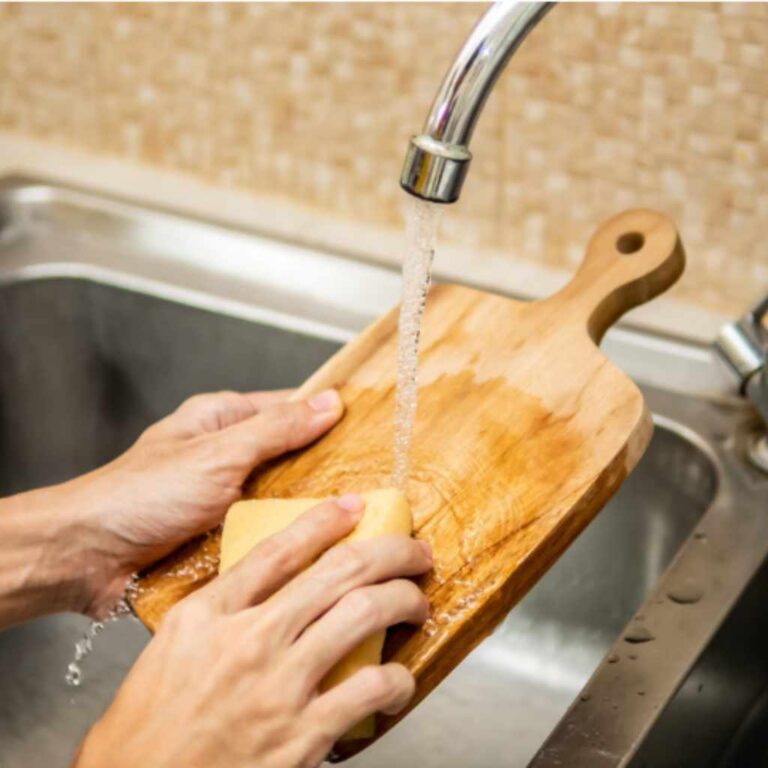
Hand washing is the golden rule for wooden cutting boards. Never put them in the dishwasher. The hot water and harsh detergents can dry out the wood, cause it to warp, crack, and can strip away its natural protective oils.
After each use, wash your board with warm water and mild soap. Use a sponge or soft brush to scrub both sides. Rinse thoroughly.
For tougher jobs or to sanitize, you can use a paste of baking soda and water. Apply it to the board, let it sit for a few minutes, then scrub and rinse. Some people also use diluted white vinegar or lemon juice for their mild disinfectant properties, but always rinse well afterward.
Drying and Storing
Proper drying is critical to prevent moisture damage and bacterial growth. After washing, wipe your wooden cutting board dry with a clean towel. Then, stand it up on its edge or place it on a drying rack so that air can circulate around all sides.
Letting it air dry completely before storing it away is important. Avoid laying it flat on a counter or in a cabinet where moisture can get trapped.
Store your clean, dry wooden cutting boards in a place with good air circulation. Avoid damp areas. Some people like to store them upright in a rack or hang them from a hook.
This not only helps them dry but also keeps them ready for use.
Oiling Your Wooden Cutting Board
Oiling is one of the most important steps in maintaining a wooden cutting board and keeping it safe. It helps to condition the wood, prevent it from drying out and cracking, and makes it more resistant to stains and odors. It also helps to repel moisture, which is good for hygiene.
Use food-grade mineral oil, beeswax conditioner, or a specialized cutting board oil. Avoid vegetable oils like olive oil or canola oil, as they can go rancid over time and give your food an unpleasant smell or taste. Apply the oil generously to all surfaces of the board.
Let it soak in for at least a few hours, or preferably overnight. Wipe off any excess oil with a clean cloth. How often you oil depends on how often you use the board and how dry it looks.
A good rule of thumb is once a month, or whenever the wood starts to look dry and dull.
Preventing Cross-Contamination
This is a general food safety tip that applies to all cutting boards, but it’s worth mentioning for wooden ones too. To minimize the risk of spreading bacteria, it’s a good idea to have separate cutting boards for different types of food. Use one board for raw meats, poultry, and seafood, and a different board for fruits, vegetables, and ready-to-eat foods.
This is especially important when Are Wooden Cutting Boards Safe to Use is a concern. If you only have one wooden board, make sure to clean and sanitize it thoroughly between tasks.
After cutting raw meat, wash and dry the board thoroughly, then apply a sanitizing solution like diluted vinegar or a mild bleach solution (1 teaspoon bleach per quart of water), rinse well, and dry completely before using it for other foods. Many people prefer to dedicate a specific board to raw meats. Color-coded plastic boards are often used for this purpose, but you can also achieve this with your wooden boards by being diligent with cleaning.
Wood Types And Their Safety
Not all wood is created equal when it comes to cutting boards. Some types are better suited for kitchen use than others. Generally, hardwoods are preferred because they are dense and less porous than softwoods.
- Maple: A very popular choice. It’s dense, durable, and has good natural resistance to bacteria. It’s also relatively gentle on knives.
- Walnut: Another excellent hardwood. It’s beautiful, durable, and has natural antimicrobial properties.
- Cherry: A good option, though slightly softer than maple. It’s attractive and resists staining well.
- Bamboo: While technically a grass, bamboo is often used like wood for cutting boards. It’s very hard and renewable. However, its hardness can dull knives faster, and it can be more prone to cracking if not maintained. Its porous nature is also debated regarding hygiene compared to dense hardwoods.
- Teak: A durable and attractive wood, often used for outdoor furniture due to its natural oils that make it water-resistant. These oils can also be beneficial for cutting boards.
Softer woods like pine or fir are generally not recommended for cutting boards. They scratch easily, creating deep grooves that are hard to clean and can harbor bacteria. The natural antimicrobial properties are also less pronounced in softer woods.
When To Replace Your Wooden Cutting Board
Even with the best care, wooden cutting boards will eventually show signs of wear and tear. Knowing when it’s time to replace your board is part of ensuring food safety. Look for deep, widespread knife marks that you can’t sand out, significant warping or cracking, or if the board has developed persistent odors that won’t wash out.
Minor scratches can often be sanded down with fine-grit sandpaper to refresh the surface. After sanding, make sure to clean the board thoroughly and re-oil it. However, if the damage is extensive, or if the board has developed deep gouges or cracks, it’s best to replace it.
These imperfections can trap food particles and bacteria, making the board unsafe.
Frequently Asked Questions
Question: Are wooden cutting boards truly hygienic
Answer: Yes, many types of wood, especially dense hardwoods like maple and walnut, have natural antimicrobial properties that can help reduce bacteria on their surface. However, proper cleaning and maintenance are essential for them to remain hygienic.
Question: Can I use bleach on my wooden cutting board
Answer: It’s generally not recommended to use harsh chemicals like bleach regularly, as it can damage the wood. For occasional sanitizing, a very diluted bleach solution (1 teaspoon bleach per quart of water) can be used, followed by thorough rinsing and drying, but gentle cleaning methods are preferred.
Question: How often should I oil my wooden cutting board
Answer: You should oil your wooden cutting board about once a month, or whenever the wood starts to look dry and dull. Frequent use and washing will determine how often it needs oiling.
Question: Is it okay to cut raw meat on a wooden cutting board
Answer: Yes, it is okay to cut raw meat on a wooden cutting board, but it’s crucial to clean and sanitize it thoroughly afterward to prevent cross-contamination. Using a separate board for raw meats is a good practice.
Question: What is the best wood for a cutting board
Answer: Dense hardwoods like maple, walnut, and cherry are considered among the best for cutting boards due to their durability, knife-friendliness, and natural hygienic qualities.
Final Thoughts
So, Are Wooden Cutting Boards Safe to Use? The answer is a resounding yes, when you know how to care for them. They offer a blend of natural benefits, knife protection, and aesthetic appeal that many home cooks love.
The key is regular, proper cleaning with mild soap and water, thorough drying, and consistent oiling with food-grade products. By following these simple steps, you ensure your wooden board remains a safe and reliable tool in your kitchen for years to come. Don’t be afraid to embrace the warmth and functionality of wood; with a little attention, it serves you well.
Consider dedicating specific boards for different food types to enhance safety, and always replace boards that are deeply damaged. Enjoy cooking with your well-maintained wooden cutting board!