Can You Mix Stain With Polyurethane?
You can mix stain with polyurethane only when both are the same base — oil-based stain with oil-based poly, or water-based with water-based — and even then the color goes on uneven unless you stir between every brush stroke. A mismatched base separates in the can instead of blending. This guide covers the compatibility rule, the ratio professionals actually use, and the pre-mixed alternative that skips the risk entirely.
Quick Answer
Yes, but only stain and polyurethane with matching bases (oil-with-oil or water-with-water) will actually combine. Most woodworkers use a 25–50% stain to 75–50% polyurethane ratio, mix a small test batch first, and stir constantly during application since the color settles out fast. If that sounds risky for a project you can’t redo, a pre-mixed product like Minwax PolyShades gives the same one-coat result without the guesswork.
Oil-Based vs. Water-Based: The Rule That Decides If Your Mix Will Work
Best One-Step Stain + Poly Pick
Minwax PolyShades Stain & Poly in 1 Step, Espresso Satin – $17.73
Skips the base-compatibility guesswork this guide covers — the stain and polyurethane are already blended at the factory, so there’s no separation risk and no constant stirring while you apply.
- Best for: refinishing over an existing stain or varnish without stripping first
- Why we picked it: factory-controlled pigment ratio means no risk of the uneven color a DIY mix can produce
- Main drawback: color sits on top of the wood rather than penetrating like a straight stain
Compare more stain + polyurethane options
 Option 1 Minwax PolyShades, Classic Oak – $18.47
|
 Option 2 REDTREE Natural Bristle Brush – $35.57
|
 Option 3 Varathane Wood Conditioner – $6.28
|
As an Amazon Associate we earn from qualifying purchases.
Base compatibility is a chemical property that determines whether two finishing products blend into one liquid or separate in the can. Oil-based stain binds with oil-based polyurethane because both use mineral spirits as a carrier. Water-based stain binds with water-based polyurethane for the same reason. Cross the two — oil-based stain into water-based poly, or the reverse — and the mixture curdles or separates within minutes instead of blending. For the full rundown on how stains, sealers, and topcoats fit together, see our wood finishing guide.
Check the product label for “oil-based,” “water-based,” or “waterborne” before opening either can. When in doubt, mix one tablespoon of each in a disposable cup first — a compatible pair stays smooth and uniform, an incompatible pair shows visible separation or clumping within 60 seconds.
What Actually Happens When You Mix Stain and Polyurethane
Mixing compatible stain and polyurethane creates a tinted topcoat that colors and seals wood in one application instead of two. The pigment stays suspended in the poly rather than soaking into the wood grain the way straight stain does, so the color sits closer to the surface and looks slightly less rich than a traditional stain-then-seal job.
| Factor | DIY Stain + Poly Mix | Pre-Mixed Product (PolyShades) |
|---|---|---|
| Application time | One coat, but requires constant stirring | One coat, no stirring needed |
| Color consistency | Can vary between brush strokes | Consistent, factory-controlled pigment |
| Base compatibility risk | You must match oil/water yourself | None — formulated as one product |
| Cost for a small project | Two full cans (stain + poly) | One can, ~$18/quart |
Does the Type of Wood Change the Result?
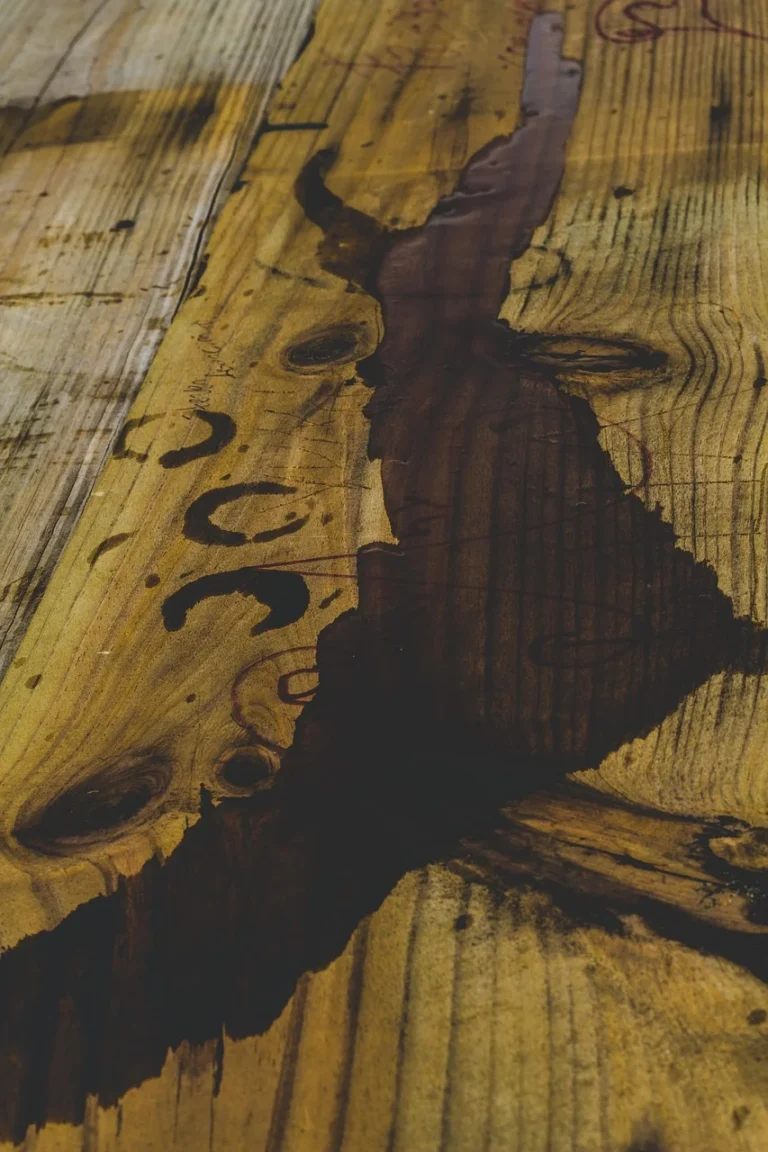
Yes — wood species and grain density change how much a stain-polyurethane mix penetrates versus sits on the surface. Oak and other open-grained hardwoods absorb the stain portion well because the mix can still reach the wood fibers around the pigment. Maple, pine, and other tight-grained or softwoods absorb unevenly and often blotch, since the topcoat starts curing on the surface before the color can soak in.
For blotch-prone softwoods, apply a pre-stain wood conditioner and let it dry fully before applying any stain-polyurethane blend. Always test the exact mix on a scrap piece of the same wood species you’re finishing, not a different one — see our gel stain vs. oil stain species chart for how absorption changes by wood type.
How Much Stain to Mix With Polyurethane (Ratio Guide)
There’s no single industry-standard ratio, but the commonly used range runs from 25% stain / 75% polyurethane up to a 50/50 split. More stain deepens the color and slightly dulls the sheen; more polyurethane keeps more gloss and durability but tints the wood less.
| Mixing Ratio | Result |
|---|---|
| 25% stain / 75% poly | Light tint, high gloss retention, most protective |
| 50% stain / 50% poly | Richer color with some gloss, most commonly used ratio |
| 75% stain / 25% poly | Strongest color, matte-leaning finish, thinner protective film |
Mix only what you’ll use in one session — the pigment settles out of suspension within an hour, and re-mixing a partially used batch rarely matches the original color.
“Because a pre-mixed stain-and-polyurethane product is essentially a tinted polyurethane, it sits on top of the previous finish rather than penetrating into the wood fibers — which is what lets you change the color of already-finished wood without stripping it first.”
Step-by-Step: How to Mix and Apply a Stain-Polyurethane Blend
- Confirm the base: check both labels for oil-based or water-based — never mix across the two.
- Sand and clean the wood: sand to 220-grit and wipe away all dust with a tack cloth.
- Test the mix on scrap: combine a small batch at your chosen ratio and brush it onto a scrap piece of the same wood species.
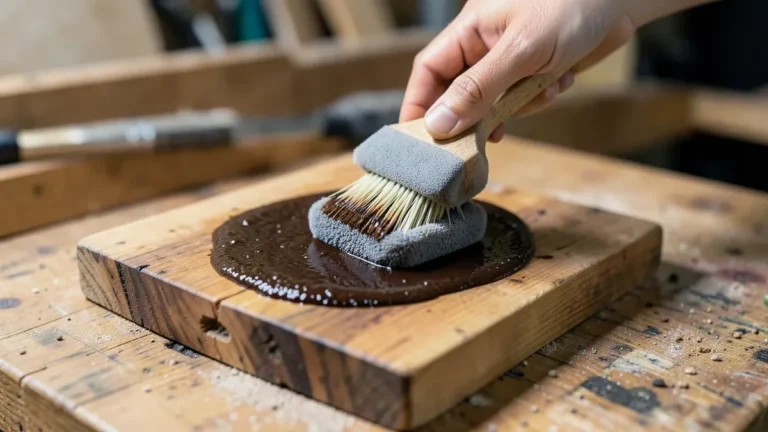
- Mix the full batch: stir the stain into the polyurethane in a separate container — never straight in either original can.
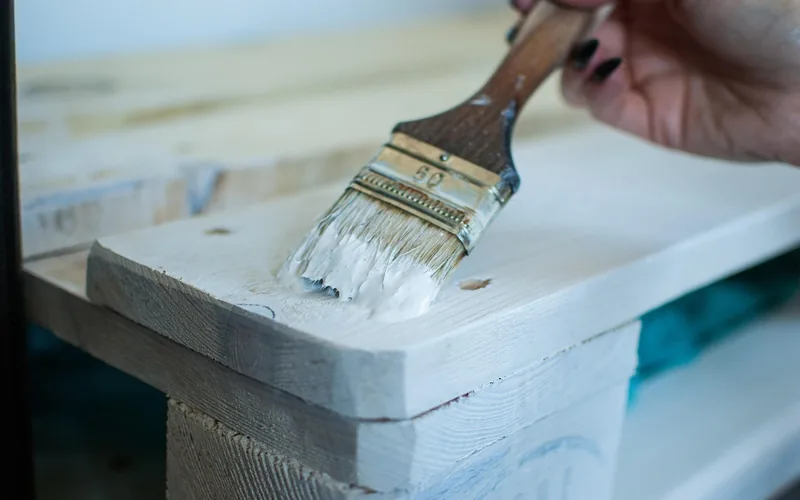
- Apply with the grain: use a natural bristle brush for oil-based mixes (synthetic for water-based), working in thin, even strokes along the grain direction.
- Stir constantly: restir the mixture every few strokes — the pigment settles fast and uneven stirring causes blotchy color.
- Wipe excess and let cure: remove any pooling with a clean cloth, then let the coat cure fully (check the label — typically 24 hours) before a second coat or use.
📊 The most commonly used DIY ratio is 25% to 50% stain mixed into polyurethane, with 50/50 producing the richest color before durability starts to drop off — Source: Hunker, wood finishing guidance
Common Mistakes to Avoid
- Skipping the base check: mixing oil-based stain into water-based poly (or the reverse) causes separation, not blending — check labels first, every time.
- Not stirring between strokes: the pigment settles within seconds, so a mix applied without restirring goes on with visibly patchy color.
- Skipping the small-batch test: the exact color only shows up once it’s dry and cured — test on scrap before committing to the full project.
- Overworking the wet edge: going back over an area more than a few minutes after applying it lifts the still-wet mix and leaves visible brush marks.
- Skipping sanding between coats: a smooth, dust-free surface between coats is what lets each layer bond instead of peeling later.
Alternative: Apply Stain and Polyurethane as Separate Coats
The traditional method — stain first, then a separate polyurethane topcoat once it’s fully dry — gives deeper, more even color because the stain penetrates the wood on its own before any poly limits absorption. It takes two application sessions instead of one, but it removes the base-compatibility and settling issues that come with mixing.
If you want the one-coat convenience without the sequential wait, a factory pre-mixed product like Minwax PolyShades is formulated to avoid both problems at once.
Frequently Asked Questions
Can you mix stain with polyurethane?
Yes, as long as both products share the same base — oil-based with oil-based, or water-based with water-based. Mixing across bases causes the two to separate instead of blending. Test a small batch first, since the final color only becomes clear once it’s dry.
What type of stain works best with polyurethane?
Oil-based stains mix reliably with oil-based polyurethane, and water-based stains mix with water-based polyurethane. Always confirm both products’ base type on the label before mixing — different binder ingredients between brands can still cause separation or poor adhesion even within the same base category.
What ratio of stain to polyurethane should I use?
Most woodworkers use between 25% stain / 75% polyurethane and a 50/50 split. More stain deepens color and dulls sheen; more polyurethane keeps gloss and durability but tints less. Mix only what you’ll use in one session, since the pigment settles out within about an hour.
Will mixing stain with polyurethane affect drying time?
Yes, drying time typically increases because of the added pigment and solvents. Humidity and temperature affect it further. Always let the label’s full cure time pass between coats — recoating too early is a common cause of a soft or tacky finish.
Is a pre-mixed product like PolyShades the same as mixing your own?
Not exactly. A pre-mixed product like Minwax PolyShades is manufactured as a single tinted polyurethane, so the pigment ratio is factory-controlled and consistent can to can. A DIY mix depends on how carefully you measure and stir, so color can vary between batches or even within the same project.
Can you apply polyurethane over stained wood?
Yes — this is the traditional sequential method. Let the stain dry completely first, then apply polyurethane in thin, even coats. This avoids the base-compatibility and settling issues of mixing and typically produces a more even final color.
Conclusion
Mixing stain with polyurethane works when the bases match, the ratio stays in the 25–50% stain range, and you stir constantly while applying. For projects where an uneven batch isn’t an option, a pre-mixed product like Minwax PolyShades delivers the same one-coat result with the compatibility risk already solved.
Sponsored / affiliate links. As an Amazon Associate I earn from qualifying purchases. I may earn additional commission from eligible campaigns.