Bellawood Flooring Reviews Is It Worth It
Picking the right floor for your home can feel a bit tricky, especially when you’re new to it. You want something that looks good and lasts a long time. Many people wonder about Bellawood Flooring and ask Bellawood Flooring Reviews: Is It Worth It? It’s a common question because there are so many choices.
Don’t worry, we’ll break it down simply for you, step by step. We’ll look at what makes Bellawood stand out and if it’s a good fit for your home. Get ready to learn what you need to know to make a smart choice for your floors.
Exploring Bellawood Flooring Options And Features
This section looks at the different types of Bellawood flooring you can find and what makes them special. We’ll cover the materials, finishes, and unique selling points that customers often talk about in reviews. Understanding these details helps you see why Bellawood is a popular choice for many homeowners.
We will go over what makes their products distinct in the flooring market.
Types Of Bellawood Flooring
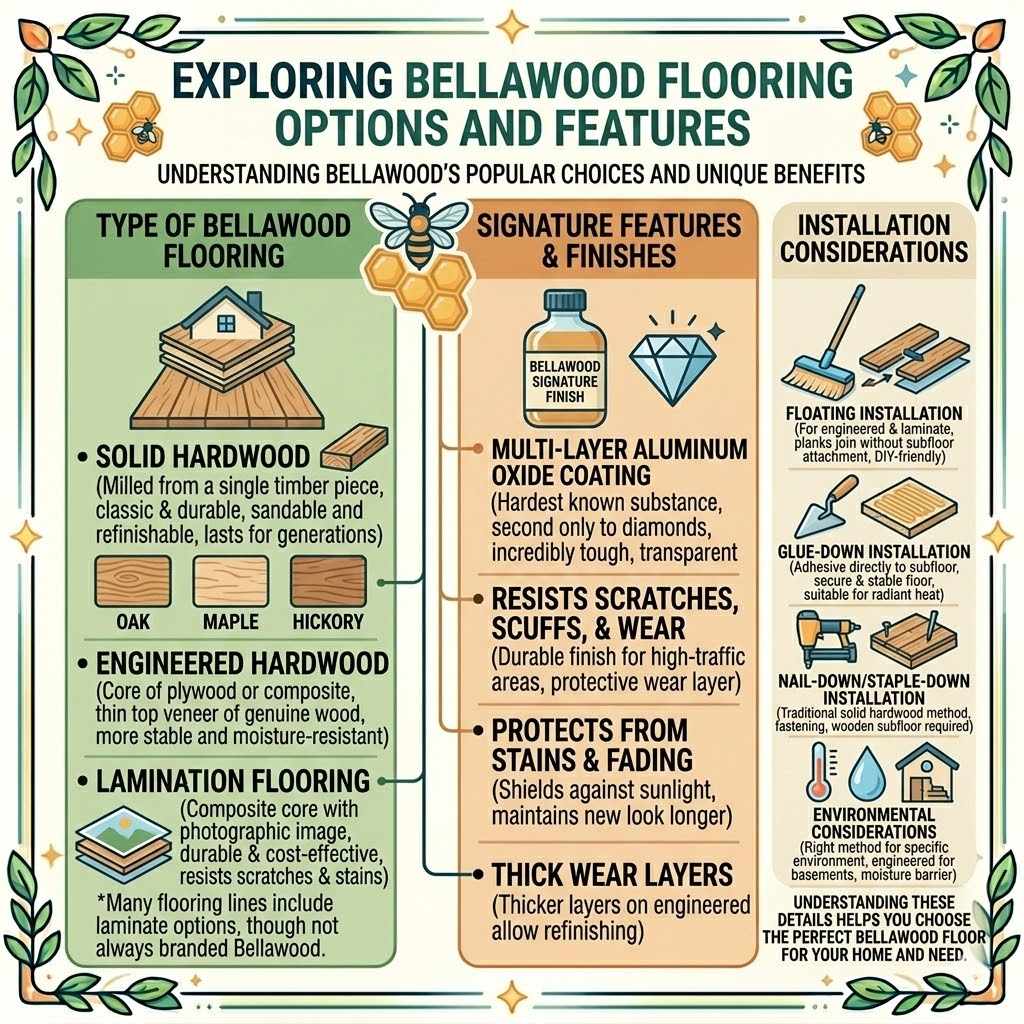
Bellawood offers a range of flooring materials, but they are most famous for their solid hardwood and engineered hardwood options. Solid hardwood is made from a single piece of wood, offering a classic and durable choice. Engineered hardwood, on the other hand, has a core of plywood or composite material with a thin layer of real hardwood on top.
This construction makes it more stable and less prone to warping from moisture changes.
- Solid Hardwood: This is the traditional choice for wood flooring. Each plank is milled from a single block of timber. It can be sanded and refinished multiple times, which means it can last for generations if cared for properly. Common wood species include oak, maple, and hickory, each offering a unique look and hardness. The natural beauty and timeless appeal of solid hardwood make it a sought-after material for many homes.
- Engineered Hardwood: This type of flooring is designed for greater stability. It consists of multiple layers of wood or composite material glued together, with a top veneer of genuine hardwood. This layered structure helps it resist expansion and contraction caused by humidity and temperature fluctuations, making it a good option for basements or areas prone to moisture. It still offers the look and feel of real wood but with improved performance in challenging environments.
- Laminate Flooring: While not always branded as Bellawood, many flooring lines include laminate options. Laminate is made from a composite wood core topped with a photographic image of wood and a clear protective layer. It’s very durable and cost-effective, mimicking the look of wood at a lower price point. It is resistant to scratches and stains, making it a practical choice for busy households.
Bellawood’s Signature Finishes And Durability
A big part of Bellawood’s appeal is its durable finish. They often use a multi-layer aluminum oxide coating. This finish is incredibly hard and resists scratches, scuffs, and wear from everyday life.
This means your floor will look newer for longer, even in high-traffic areas. The finish also helps protect the wood from stains and fading caused by sunlight.
The thickness of the wear layer on engineered hardwood is also important. A thicker wear layer means the floor can be sanded and refinished, much like solid hardwood, extending its lifespan. Bellawood often highlights the quality of their wear layers in product descriptions.
This attention to detail in the finishing process contributes significantly to the overall durability and longevity of their flooring products.
What Is Aluminum Oxide Finish
An aluminum oxide finish is a protective coating applied to the surface of hardwood and engineered wood flooring. It is one of the hardest substances known, second only to diamonds. When used in flooring finishes, it creates an incredibly tough, transparent layer that shields the wood from scratches, scuffs, and wear.
This is crucial for maintaining the floor’s appearance over time, especially in busy homes with pets or children. The application process typically involves multiple coats of aluminum oxide mixed with polyurethane or other resins. This creates a resilient surface that can withstand heavy foot traffic and resist damage from everyday use, making it a premium feature for flooring.
For instance, a typical home might see hundreds of footsteps daily, along with furniture movement and occasional spills. Without a robust finish like aluminum oxide, a beautiful hardwood floor could quickly show signs of wear, such as dulling, scratches, and dents. Floors with this type of finish tend to maintain their aesthetic appeal for much longer, reducing the need for frequent refinishing or replacement.
Many wood flooring experts agree that aluminum oxide is a top-tier protective finish for residential applications.
Installation Considerations For Bellawood Flooring
Proper installation is key for any flooring, and Bellawood is no exception. The method you choose can depend on the type of Bellawood product you select. Some engineered hardwood can be floated, glued, or nailed down.
Solid hardwood is typically nailed or stapled down. Understanding these options helps ensure your floor is installed correctly for maximum beauty and durability.
- Floating Installation: This is common for engineered hardwood and laminate. The planks are joined together, creating a single surface that “floats” over the subfloor. There’s no need to glue or nail it to the subfloor. This method is often quicker and can be a DIY-friendly option for experienced homeowners. It’s important to use a good underlayment for cushioning and moisture protection.
- Glue-Down Installation: In this method, adhesive is spread directly onto the subfloor, and the flooring planks are pressed into it. This creates a very secure and stable floor, especially for engineered hardwood. It’s a popular choice for areas where a solid feel is desired, or in rooms with radiant heating. The quality of the adhesive and the proper preparation of the subfloor are critical for a successful glue-down installation.
- Nail-Down/Staple-Down Installation: This is the traditional method for solid hardwood flooring. A specialized pneumatic nailer or stapler is used to fasten the planks to the subfloor. This method provides a very secure attachment. It requires a wooden subfloor (plywood or OSB) that is thick enough to hold the fasteners. This type of installation is not suitable for concrete subfloors unless a wooden subfloor is installed on top first.
A common scenario where installation matters greatly is in a home with a basement. Basements can experience higher humidity levels. Engineered hardwood installed with a floating or glue-down method, along with a proper moisture barrier, can perform well.
Solid hardwood is generally not recommended for basements due to its sensitivity to moisture, which could cause warping or cupping. Therefore, choosing the right Bellawood product and installation method for the specific environment is crucial.
Pros And Cons Of Bellawood Flooring
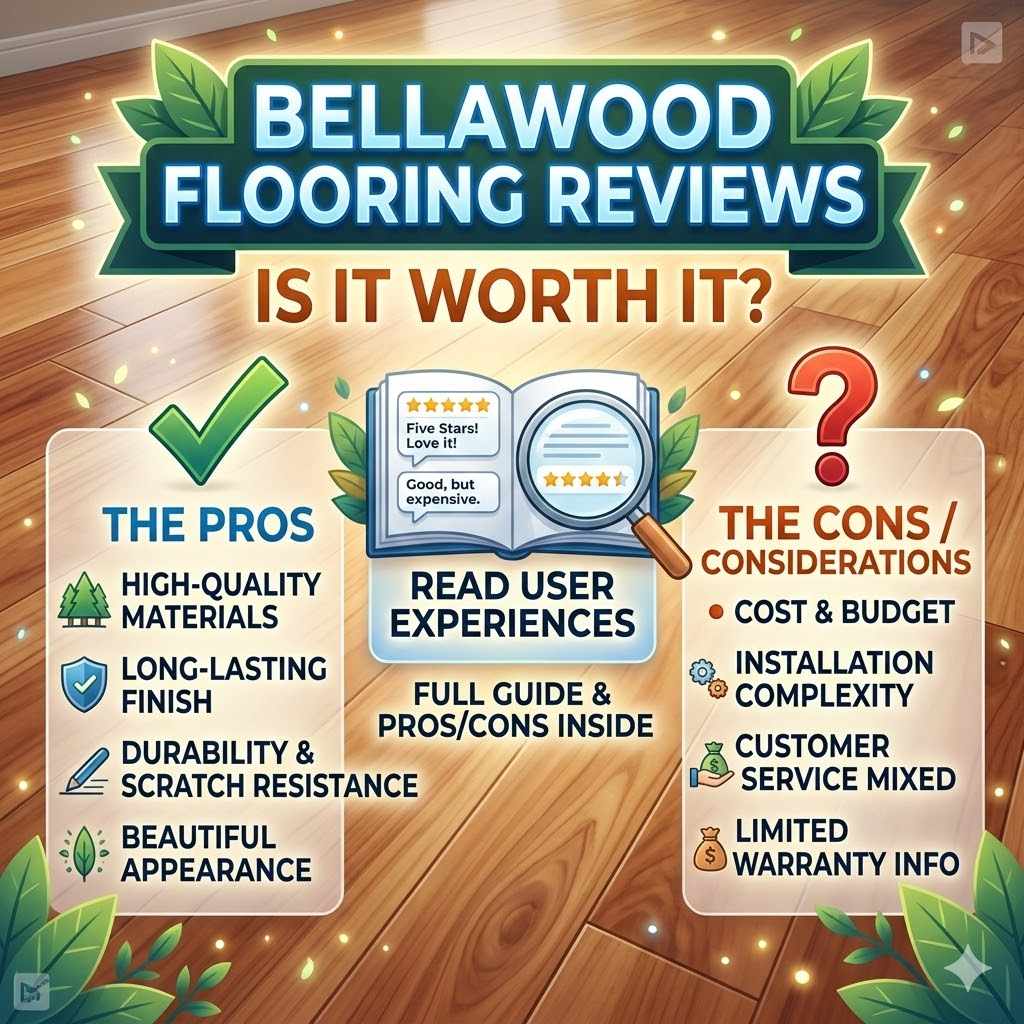
Looking at the good and the not-so-good sides of Bellawood flooring helps you make a balanced decision. Many reviews highlight its attractive appearance and strong finish, but it’s also important to consider factors like cost and potential maintenance needs. This section aims to give you a clear picture of what to expect.
Advantages Of Bellawood Flooring
Bellawood floors are frequently praised for their stunning natural beauty and wide variety of styles. Whether you prefer a light, airy look or a rich, dark tone, there’s usually an option to match your décor. The durable finish is another major plus, meaning your floor can maintain its good looks for years.
This is a significant advantage for busy families or anyone who wants a beautiful floor without constant upkeep.
- Aesthetic Appeal: Bellawood offers a vast selection of wood species, colors, and plank widths. This allows homeowners to find a look that perfectly complements their interior design. From classic oak to exotic hardwoods, the natural grain patterns and rich colors create a warm and inviting atmosphere in any room. The visual appeal is often cited as a primary reason for choosing Bellawood.
- Exceptional Durability: As mentioned, the aluminum oxide finish provides superior resistance to scratches and wear. This makes Bellawood flooring a practical choice for areas with high foot traffic, such as living rooms, hallways, and kitchens. Many users report that their floors hold up exceptionally well even with pets and children, maintaining their original shine. This durability translates to fewer worries and less frequent replacement costs over time.
- Variety Of Styles: The extensive range of Bellawood products means there’s a floor for almost any taste or budget. They offer both solid and engineered hardwood, catering to different installation needs and price points. This variety ensures that you’re not limited in your choices and can find a solution that fits your specific home and lifestyle. The availability of different finishes, from matte to high gloss, further expands the customization options.
- Increased Home Value: Installing high-quality hardwood flooring like Bellawood can significantly enhance the resale value of a home. Buyers often see hardwood floors as a desirable feature, contributing to a more attractive and potentially higher sale price. The timeless appeal and perceived luxury of wood flooring make it a worthwhile investment for homeowners looking to boost their property’s marketability.
According to a recent survey by the National Association of REALTORS®, updated kitchens and bathrooms are top home improvement projects, but flooring upgrades also ranked highly. Hardwood flooring was noted as a feature that buyers are willing to pay more for. This indicates that investing in quality flooring can be a smart financial decision for homeowners.
Potential Drawbacks To Consider
While Bellawood flooring has many positives, it’s also good to be aware of potential downsides. The cost can be a factor for some buyers, as premium hardwood flooring often comes with a higher price tag than alternatives like laminate or vinyl. Also, while durable, no wood floor is completely immune to damage, and proper care is still needed.
- Cost: Bellawood flooring is generally considered a premium product. This means it can be more expensive than other flooring options available on the market. The initial investment for materials and installation can be substantial, which might be a limiting factor for those on a tighter budget. It’s important to compare prices and consider the long-term value proposition.
- Sensitivity To Moisture: Although engineered hardwood offers better moisture resistance than solid hardwood, all wood-based flooring products can be damaged by excessive water. Spills should be cleaned up promptly, and it’s not ideal for areas that are consistently wet, like bathrooms or laundry rooms, without significant precautions. Proper humidity control in the home is also important for preserving wood floors.
- Scratching From Heavy Objects: While the finish is very tough against scuffs and everyday wear, extremely heavy furniture or sharp objects dropped on the floor can still cause dents or deep scratches. Using furniture pads and being careful with sharp items can help prevent this. It’s wise to use protective mats in high-traffic areas or under heavy furniture like pianos or large cabinets.
- Refinishing Limitations: While Bellawood’s wear layer is durable, it’s not infinite. Solid hardwood can be refinished multiple times, but engineered hardwood has a limited number of refinishes depending on the wear layer’s thickness. If the wear layer is thin, aggressive sanding might remove the real wood veneer altogether, meaning the floor would need replacement rather than refinishing.
A common scenario where moisture can be an issue is in a kitchen. While Bellawood floors can work in kitchens, spills from cooking or dropped drinks need immediate attention. A dropped pot of boiling water, for example, could cause steam damage or warping if left to sit.
This highlights the need for vigilance even with durable flooring.
Bellawood Flooring Reviews And Customer Experiences
Reading what other people say about Bellawood flooring can give you valuable insights. Customer reviews often paint a picture of real-world performance and satisfaction. This section explores common themes found in reviews, both positive and negative, to help you gauge customer sentiment.
Positive Feedback Themes
Many customers are thrilled with the beautiful appearance of their Bellawood floors. They frequently mention how the flooring transformed their homes, adding warmth and elegance. The durability is also a recurring positive point, with many users expressing surprise and satisfaction at how well the floors hold up against daily wear and tear, especially from pets.
- Stunning Visuals: A consistent theme in positive reviews is the exceptional beauty of Bellawood floors. Customers often describe the wood grain, color variations, and overall finish as superior to what they expected for the price. Many share photos of their newly installed floors, showing a significant upgrade in their home’s interior design. The floors are frequently described as looking like high-end, custom installations.
- Longevity And Resilience: Numerous reviews highlight the flooring’s ability to withstand the rigors of family life. Owners with active children and pets often report that their Bellawood floors remain scratch-free and retain their luster. This resilience means customers feel confident in their investment, knowing the floor will look good for many years to come without needing constant touch-ups or repairs.
- Ease Of Cleaning: While all hardwood requires some care, many users find Bellawood floors relatively easy to maintain. A quick sweep or a light mop with a recommended cleaner is usually sufficient to keep them looking clean. The durable finish helps repel dust and grime, making daily upkeep less of a chore. This is a significant benefit for busy individuals or families who want low-maintenance flooring.
- Value For Money: While Bellawood can be a significant investment, many satisfied customers feel it offers excellent value. They believe the quality, durability, and aesthetic appeal justify the cost, especially when compared to less expensive options that may need replacement sooner. The idea that the floor will last for decades makes it a sound long-term financial decision for many homeowners.
One homeowner shared a story in an online forum about their Golden Retriever, who used to leave scratches on their previous laminate floor. After installing Bellawood, they were amazed to find that the dog’s nails didn’t leave any visible marks, even after a year of constant activity. This is a common anecdotal piece of evidence that supports the flooring’s reputation for toughness.
Common Criticisms And Concerns
Despite the many positive reviews, some customers have shared concerns. These often relate to the installation process, slight variations in color from what was seen online, or occasional issues with product defects. It’s important to address these potential problems to get a full picture.
- Color Inconsistency: Some customers have reported that the actual color of the flooring planks can vary slightly from the samples or online images. This can be due to natural variations in wood grain and dye lots. While some variation is expected with natural wood, significant discrepancies can be disappointing for buyers who had a very specific aesthetic in mind.
- Installation Challenges: While some find Bellawood easy to install, others have reported difficulties. This can sometimes stem from the subfloor not being perfectly level, or issues with the locking mechanisms on certain plank types. While professional installation is recommended by many, DIYers sometimes run into unexpected problems. Ensuring the subfloor is prepared correctly is paramount.
- Product Defects: Like any manufactured product, there’s a small chance of encountering defective planks. These might include manufacturing flaws, damage during shipping, or issues with the finish. Most reputable retailers and manufacturers have return policies in place for such instances, but it can be a hassle to deal with.
- Customer Service Experiences: A few reviews mention less-than-ideal experiences with customer service when trying to resolve issues. This can range from slow response times to difficulties in getting problems addressed. While not a widespread complaint, it is something to be aware of if you anticipate needing support after your purchase.
Consider a scenario where a homeowner orders Bellawood flooring for their entire living space. They notice that several boxes contain planks with a visibly different shade of brown compared to the majority. If they ordered online and ordered a specific shade, this inconsistency could disrupt their design plan and lead to frustration.
This is why checking all planks upon arrival and contacting the seller immediately if issues are found is important.
Bellawood Flooring Pricing And Value Proposition
When asking Bellawood Flooring Reviews: Is It Worth It? price is a major factor. Bellawood flooring generally falls into the mid-to-high price range for hardwood and engineered wood flooring. However, many customers find that the longevity and quality offered by Bellawood justify the investment.
The durable finish and variety of styles contribute to its perceived value.
For example, you might find that a square foot of Bellawood engineered hardwood costs between $4 to $8, depending on the specific product line, species, and where you purchase it. This is comparable to or slightly higher than many other reputable brands offering similar quality engineered wood. When comparing it to very cheap laminate or vinyl, it is more expensive.
However, when compared to other premium hardwood brands, it often provides a strong balance of features and cost.
| Flooring Type | Estimated Price Per Square Foot (Material Only) | Typical Lifespan | Key Benefit |
|---|---|---|---|
| Bellawood Engineered Hardwood | $4 – $8 | 25+ years (with care) | Durable finish, moisture resistance |
| Basic Laminate Flooring | $1 – $3 | 10 – 15 years | Cost-effective, scratch-resistant |
| Luxury Vinyl Plank (LVP) | $2 – $5 | 20 – 30 years | Waterproof, durable, versatile styles |
| Premium Solid Hardwood | $7 – $15 | 50+ years (refinishable) | Timeless appeal, highly refinishable |
As the table shows, Bellawood’s engineered hardwood sits in a competitive price bracket. Its lifespan and durability, particularly the strong finish, position it as a good value for those seeking real wood aesthetics with enhanced resilience. The ability to refinish engineered wood (depending on wear layer) also adds to its long-term value, differentiating it from less durable options.
Installation And Maintenance Of Bellawood Floors
Once you’ve decided on Bellawood flooring, the next important steps are installation and ongoing care. Doing these things correctly will ensure your floor looks beautiful and lasts for a very long time. This section covers what you need to know to get your floors installed right and keep them in top shape.
Professional Installation Versus DIY
Deciding whether to install Bellawood flooring yourself or hire a professional is a big choice. For solid hardwood and complex engineered wood installations, professional help is often recommended. This ensures the floor is laid correctly, the subfloor is properly prepared, and any potential issues are handled by experienced hands.
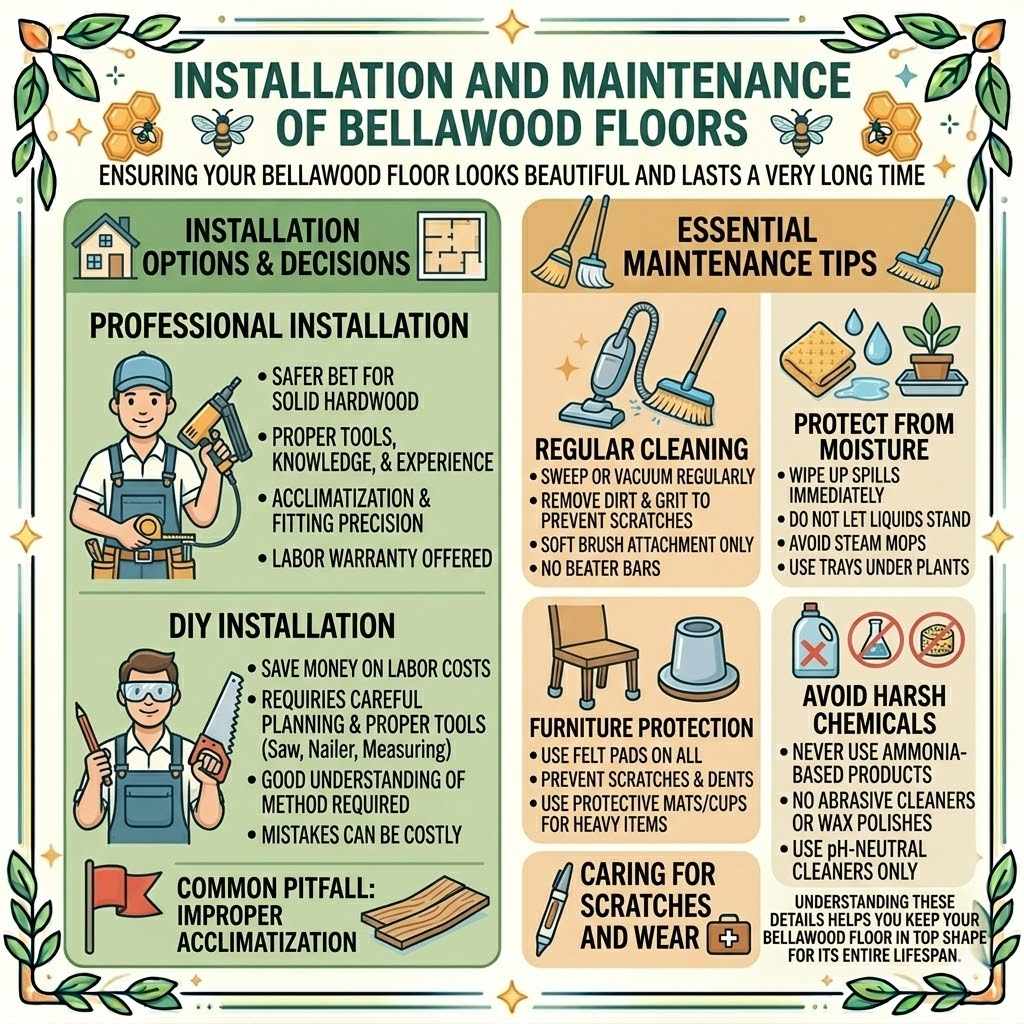
- Professional Installation: This is usually the safest bet, especially for solid hardwood. Professionals have the right tools, knowledge, and experience to handle subfloor preparation, acclimatization of the wood, and precise fitting of planks. They can identify and fix any unexpected issues that might arise. Hiring a pro also typically comes with a warranty on the labor, offering peace of mind.
- DIY Installation: If you have previous flooring installation experience, especially with engineered wood or laminate, a DIY approach might be feasible. It can save money on labor costs. However, it requires careful planning, proper tools (like a miter saw, floor nailer/stapler if applicable, and measuring tools), and a good understanding of the installation method. Mistakes can be costly to fix.
A common DIY pitfall is not properly acclimatizing the flooring. Wood expands and contracts with changes in temperature and humidity. If planks aren’t allowed to sit in the room where they’ll be installed for a few days to adjust, they can warp or gap after installation.
Professionals always factor in this crucial step.
Essential Maintenance Tips
Keeping your Bellawood floors looking great involves simple, regular maintenance. The most important thing is to protect the finish and the wood underneath. Avoid using excessive water and clean up spills quickly.
- Regular Cleaning: Sweep or vacuum your floors regularly to remove dirt and grit, which can scratch the finish over time. Use a vacuum cleaner with a soft brush attachment, and avoid using beater bars that can damage the wood. A damp mop with a floor cleaner specifically designed for hardwood floors is usually sufficient for deeper cleaning.
- Protect From Moisture: Wipe up spills immediately with a soft, absorbent cloth. Do not let liquids stand on the floor. Avoid steam mops, as the steam can penetrate the wood and cause damage or warping. Ensure that any plants or vases are placed on trays to catch drips.
- Furniture Protection: Use felt pads on the bottom of all furniture legs, including chairs, tables, and sofas. This prevents scratches and dents when furniture is moved. For heavy items like pianos or large appliances, consider using protective mats or cups.
- Avoid Harsh Chemicals: Never use abrasive cleaners, ammonia-based products, or wax-based polishes on your Bellawood floors. These can dull the finish, leave a residue, or even damage the protective coating. Always stick to pH-neutral cleaners recommended by the flooring manufacturer.
Imagine a scenario where a pet track mud into the house after a rainy day. If left uncleaned, this mud can act like sandpaper underfoot, dulling the floor’s finish. Promptly cleaning it up with a dry or slightly damp mop prevents this damage and keeps the floor looking its best.
Caring For Scratches And Wear
While Bellawood floors are durable, minor scratches or wear can happen. For light scratches, a touch-up pen or repair kit designed for wood floors can often help. For deeper scratches or dents, especially on solid hardwood, refinishing might be an option.
Engineered hardwood can be refinished a limited number of times, depending on the wear layer thickness.
It’s important to assess the damage carefully. A small scuff mark might be buffed out or covered with a color-matched repair product. A deep gouge, however, might require filling or, in severe cases, replacing the plank.
Always test any repair product in an inconspicuous area first to ensure it matches the floor’s color and finish.
Frequently Asked Questions
Question: Is Bellawood flooring good for kitchens
Answer: Bellawood engineered hardwood can be a good choice for kitchens if spills are cleaned up promptly. Its durable finish offers some protection, but it’s not waterproof. Avoid excessive moisture and standing water.
Question: Can Bellawood floors be refinished
Answer: Solid hardwood can be refinished multiple times. Engineered hardwood can be refinished, but the number of times depends on the thickness of the wear layer. A thicker wear layer allows for more refinishing opportunities.
Question: Is Bellawood flooring noisy
Answer: Like most hard surface floors, Bellawood can produce some noise. Using a good quality underlayment during installation and wearing soft-soled shoes can help reduce noise. The subfloor’s condition also plays a role.
Question: Where can I buy Bellawood flooring
Answer: Bellawood flooring is primarily sold through Home Depot stores and their website. You can also find some Bellawood products through other flooring retailers, though Home Depot is their main distribution channel.
Question: How does Bellawood compare to other brands
Answer: Bellawood is known for its very durable aluminum oxide finish and a wide selection of styles. It generally competes well with other mid-to-high-end engineered and solid hardwood brands in terms of durability and aesthetics, often at a competitive price point within that category.
Summary
After looking at the details, Bellawood flooring offers beautiful styles and a tough finish that stands up to daily life. Many users love its looks and how long it lasts, even with pets. While the cost is a bit higher, its durability and aesthetic appeal often make it a worthwhile investment for many homes.
Make sure to consider installation and proper care for the best results.