Best Way to Clean Fake Wood: Effortless Guide
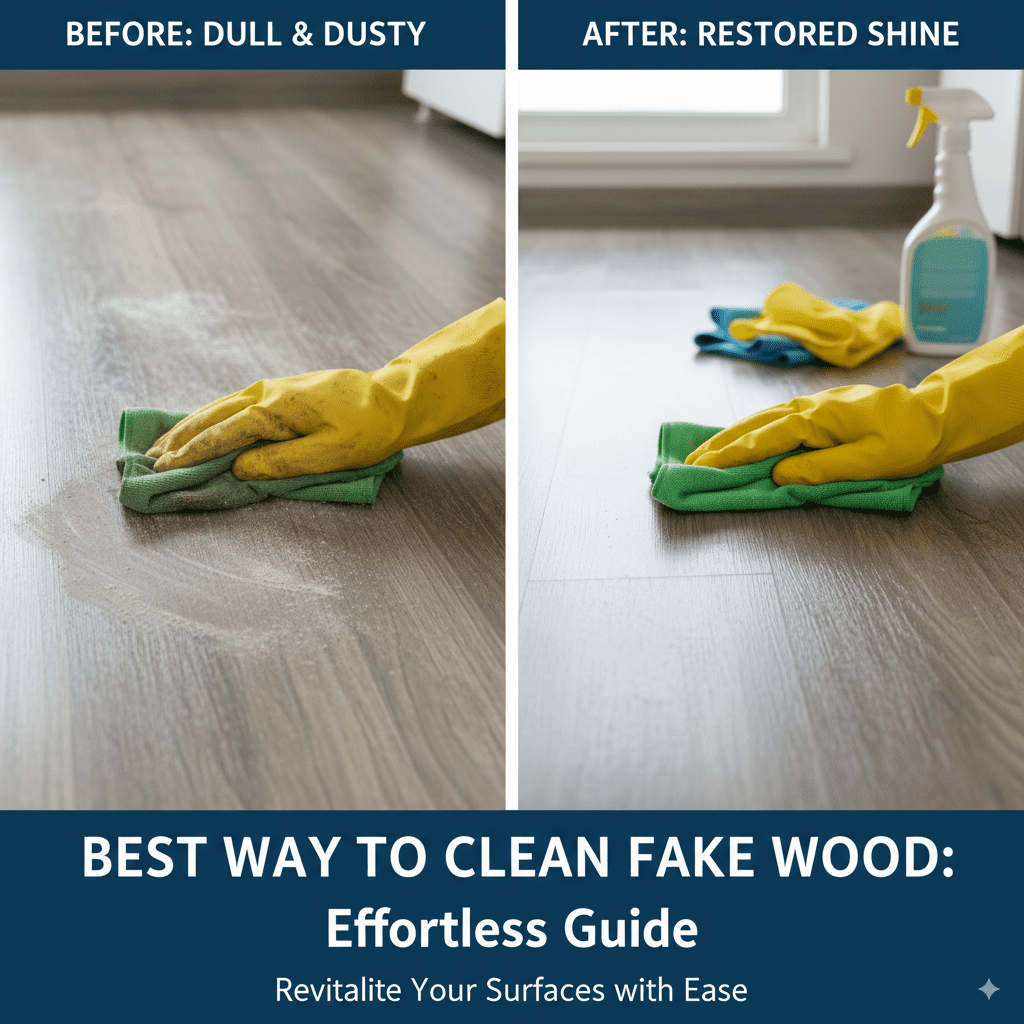
The best way to clean fake wood furniture is to use a soft, damp cloth with a mild soap solution. Gently wipe down the surface, avoiding harsh chemicals or excessive moisture. For stubborn marks, a non-abrasive cleaner can be effective. Regular dusting and spot cleaning will keep your fake wood looking great for years.
So, you’ve got some fantastic furniture that looks like real wood but is actually a bit more low-maintenance. That’s the magic of fake wood, also known as laminate or composite wood! It’s durable, often more affordable, and can withstand daily life with grace. However, when it comes to keeping it looking its best, sometimes a simple wipe-down just doesn’t cut it. You might find yourself wondering, “What’s the safest and most effective way to clean this stuff without ruining it?” It’s a common worry, but I’m here to tell you that keeping your fake wood furniture sparkling is totally achievable. Forget the stress; we’re going to walk through the best ways to clean it, step-by-step, so you can enjoy its beauty for a long time.
Why Fake Wood Needs Special Care
Fake wood, often made from composite materials like particleboard or MDF (Medium-Density Fiberboard) with a printed laminate or veneer layer, offers a convincing wood look. This outer layer is usually durable and resists scratches better than some real woods, but it’s not indestructible. The biggest challenge is moisture. Unlike solid wood, excessive water can seep into the seams or edges of laminate, causing swelling, warping, or peeling. Harsh chemicals designed for tougher surfaces can also strip away the decorative finish or cause discoloration. So, while it’s great for everyday living, a little thoughtful care goes a long way to maintain its appearance and integrity.
Gathering Your Cleaning Supplies
Before we dive into cleaning, let’s make sure you have everything you need. Having the right tools ready means the job will be quicker and much easier.
Here’s what you’ll want to have on hand:
- Soft cloths: Microfiber cloths are ideal. They are gentle and excellent at picking up dust and dirt without scratching. Have at least two on hand – one for washing and one for drying.
- Mild dish soap: A gentle, pH-neutral dish soap is perfect for everyday cleaning.
- Warm water: This is the base for your cleaning solution.
- (Optional) Wood-specific laminate cleaner: For tougher jobs, a cleaner formulated specifically for laminate furniture surfaces can be a good option. Always test in an inconspicuous spot first.
- (Optional) Rubbing alcohol (Isopropyl Alcohol): Useful for tackling stubborn spots like ink or crayon marks, but use sparingly and dilute it.
- (Optional) Small, soft-bristled brush: For getting into crevices or around hardware.
- (Optional) Vacuum cleaner with a brush attachment: Great for initial dust removal, especially from decorative grooves.
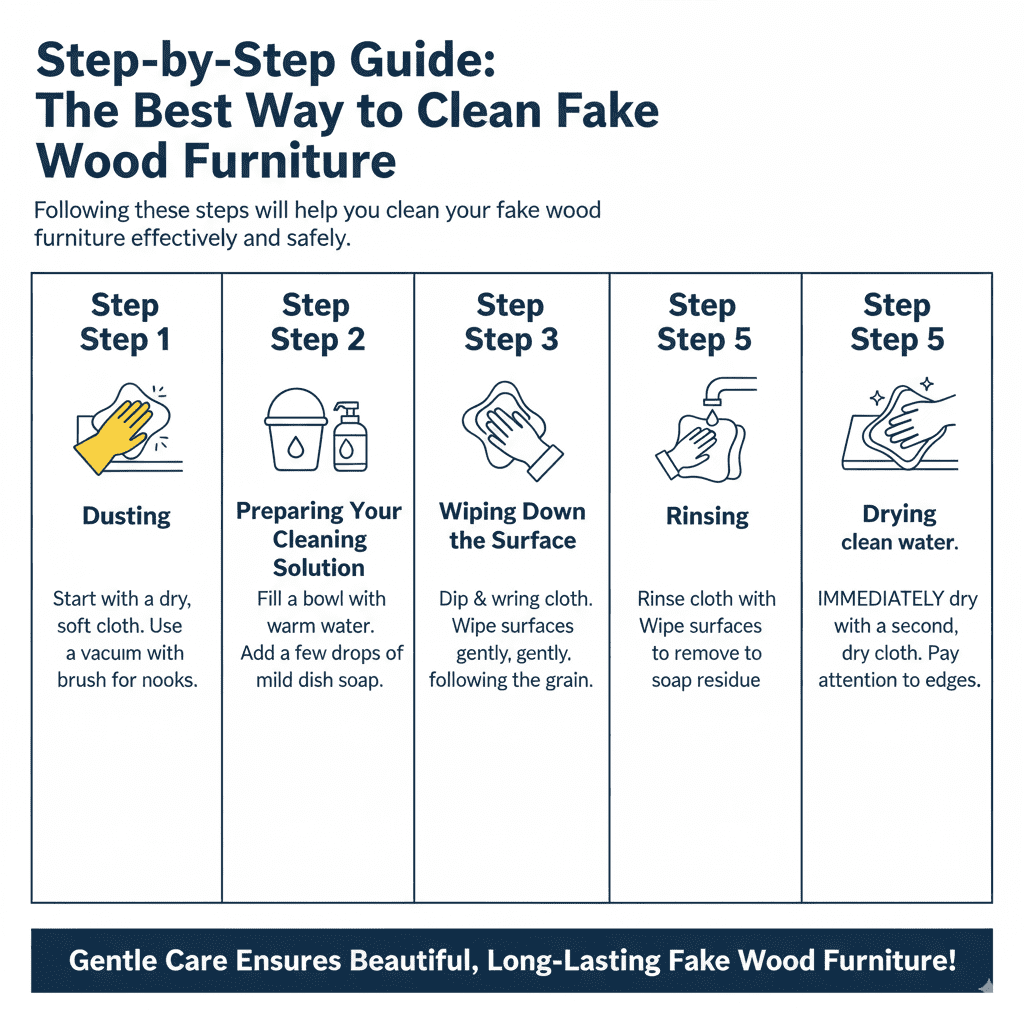
Step-by-Step Guide: The Best Way to Clean Fake Wood Furniture
Following these steps will help you clean your fake wood furniture effectively and safely.
Step 1: Dusting – The Foundation of Cleanliness
This might seem simple, but it’s crucial! Dust can create a slight abrasive layer that can make wiping harder.
- Start with a dry, soft cloth, preferably microfiber.
- Gently wipe down all surfaces of the furniture. Work with the “grain” of the fake wood pattern if it’s visible.
- For furniture with nooks, crannies, or textured surfaces, use a vacuum cleaner with a soft brush attachment on a low setting. This will lift dust from hard-to-reach areas.
Step 2: Preparing Your Cleaning Solution
For most everyday dirt and grime, a simple soap and water solution is all you need.
- Fill a small bowl or bucket with warm water.
- Add just a few drops of mild dish soap. You want suds, but not an overwhelming amount of soap. Too much soap can leave a residue.
- Stir gently to mix.
Step 3: Wiping Down the Surface
This is where the gentle cleaning happens. The key is to use a damp, not wet, cloth.
- Dip your clean microfiber cloth into the soapy water.
- Wring it out thoroughly. The cloth should be damp, not dripping. Excess water is the enemy of fake wood.
- Gently wipe down the surfaces of your furniture. Again, try to follow the direction of the printed wood grain for the best look.
- For dirtier areas, you might need to go over them a couple of times, but avoid scrubbing aggressively.
Step 4: Rinsing (Wiping with Clean Water)
After using soap, it’s important to remove any residue.
- Rinse your microfiber cloth thoroughly with clean, cool water.
- Wring it out until it’s just damp, similar to the previous step.
- Wipe down all the surfaces you cleaned with the soapy solution. This step removes any lingering soap residue that could attract more dirt or leave a dull film.
Step 5: Drying – Absolutely Essential!
This is perhaps the most critical step to prevent damage.
- Immediately after wiping with the damp rinsing cloth, take a second, dry microfiber cloth.
- Gently dry all the surfaces. Buffing slightly can help restore shine.
- Pay close attention to edges, corners, and any areas where moisture might collect.
Tackling Stubborn Stains and Marks
Sometimes, a regular cleaning just won’t do. Here’s how to deal with tougher challenges.
For Sticky Residue (like Price Tag Goo or Food Splatters)
- Try gently scraping off as much as possible with your fingernail or a plastic scraper.
- Dampen a cloth with plain warm water and try to loosen it further.
- If that doesn’t work, try a tiny amount of rubbing alcohol (isopropyl alcohol) on a cloth. Dab it onto the residue, let it sit for 30 seconds, then gently wipe. Rubbing alcohol evaporates quickly, minimizing moisture exposure. Always test this in a hidden spot first!
For Ink, Crayon, or Marker Stains
- Rubbing alcohol is usually your best bet here. Apply a small amount to a cotton ball or the corner of a cloth.
- Gently dab the stain. Work from the outside of the stain inward to avoid spreading it.
- Once the stain is lifted, wipe the area with a clean, damp cloth, and then dry thoroughly.
For Grease or Oil Stains
- Blot up as much of the grease as possible with a dry paper towel.
- Mix a small amount of baking soda with water to create a paste.
- Apply the paste to the greasy spot and let it sit for about 10-15 minutes to absorb the oil.
- Gently wipe away the paste with a damp cloth, rinse, and dry thoroughly.
For Water Rings or Heat Marks
Unfortunately, deep water rings or heat marks can sometimes be permanent damage to the laminate layer. However, for very mild ones:
- Try to gently buff the area with a clean, dry cloth.
- If that doesn’t help, a laminate cleaner (test first) might offer a slight improvement.
- For significant damage, you might consider furniture repair markers or touch-up pens that mimic wood grain.
What to Avoid When Cleaning Fake Wood
Just as important as knowing what to do is knowing what not to do. These are common mistakes that can damage your furniture.
Common Cleaning Mistakes to Skip:
- Harsh Chemicals: Avoid ammonia-based cleaners, abrasive powders, bleach, and general all-purpose cleaners that are not specifically designed for laminate. They can damage the finish.
- Excessive Water: Never soak fake wood furniture. Always use a well-wrung-out cloth. Standing water is a major cause of swelling and delamination.
- Abrasive Scrubbers: Steel wool, scouring pads, and stiff-bristled brushes will scratch the surface and dull the finish.
- Steam Cleaners: The heat and moisture from steam cleaners can cause laminate to bubble, lift, or warp.
- Direct Sunlight: Prolonged exposure to direct sunlight can fade the color and degrade the laminate over time, much like real wood.
Choosing the Right Cleaners: A Quick Comparison
Not all cleaning products are created equal, especially for delicate surfaces like fake wood. Here’s a simple comparison of what to use and what to be cautious about.
| Cleaning Agent | Best For | Caution/Notes |
|---|---|---|
| Microfiber Cloth (Dry) | Daily dusting, buffing | Essential for all cleaning steps. |
| Mild Dish Soap & Warm Water | Everyday grime, light spills, general cleaning | Use sparingly, rinse and dry immediately. |
| Wood-Specific Laminate Cleaner | Slightly tougher grime, occasional deep cleaning | Always test in an inconspicuous area first. Follow product instructions. |
| Rubbing Alcohol (Isopropyl) | Ink, marker, stubborn sticky residue | Use sparingly, dilute if possible, dab don’t rub, test first, and rinse/dry. |
| Baking Soda Paste | Grease and oil stains | Gentle abrasion. Wipe clean thoroughly and dry. |
| Ammonia-Based Cleaners | None | Can damage finish, cause discoloration. Avoid. |
| Abrasive Powders/Scrubbers | None | Will scratch and dull the surface. Avoid. |
| Bleach | None | Can discolor or damage the laminate. Avoid. |
Maintaining Your Fake Wood Furniture
Regular maintenance is key to keeping your fake wood looking great. It’s much easier to prevent dirt buildup than to tackle deep cleaning later.
Pro Tips for Long-Term Care:
- Regular Dusting: A quick wipe with a dry microfiber cloth every few days will make a huge difference.
- Immediate Spill Cleanup: Wipe up any spills as soon as they happen, especially liquids.
- Use Coasters and Placemats: This is a simple but effective way to protect surfaces from moisture rings and scratches, even on durable fake wood.
- Avoid Extreme Temperatures: Don’t place hot items directly on the surface or expose furniture to drastic temperature fluctuations.
- Protect from Direct Sunlight: Use curtains or blinds to prevent fading.
When to Call a Professional or Consider Replacement
While fake wood is durable, it’s not immune to significant damage. If you encounter issues like severe peeling, delamination, significant swelling from water damage, or deep scratches that cannot be buffed out, it might be time to consider professional repair or replacement. For minor cosmetic issues, furniture repair markers or touch-up kits designed for laminate can sometimes work wonders. Always assess the damage and decide if a repair is worth the effort and cost compared to a new piece.
Frequently Asked Questions About Cleaning Fake Wood
Here are some common questions beginners have about cleaning their fake wood furniture:
Q1: Can I use furniture polish on fake wood?
A1: Generally, it’s best to avoid most furniture polishes. Many contain oils or waxes that can leave a residue on laminate surfaces, making them look dull or greasy. A simple damp cloth and drying is usually enough to restore shine.
Q2: Is it safe to use baby wipes to clean fake wood?
A2: Most baby wipes are safe for occasional, quick cleanups on fake wood. However, be sure they don’t contain harsh chemicals or excessive moisture. Always follow up by wiping the area with a dry cloth to remove any lingering moisture.
Q3: My fake wood table has a sticky spot. What’s the best way to remove it?
A3: For sticky spots, start with a damp cloth. If that doesn’t work, try a dab of rubbing alcohol on a cloth and gently rub the spot. Afterward, wipe with a clean damp cloth and dry thoroughly.
Q4: Can I use vinegar to clean fake wood?
A4: While vinegar is a natural cleaner, its acidity can potentially dull or damage the laminate finish over time. It’s safer to stick with a mild dish soap and water solution for general cleaning. If you do decide to try vinegar, dilute it heavily with water, test in an inconspicuous spot first, and rinse and dry immediately.
Q5: What should I do if the laminate on my fake wood furniture starts to peel?
A5: If the peeling is minor, you might be able to carefully glue it back down with wood glue or a strong adhesive designed for laminate. Press it firmly and weigh it down as it dries. For significant peeling or damage, it might be difficult to repair seamlessly, and you may need to consider professional help or replacement.
Q6: How often should I deep clean my fake wood furniture?
A6: Deep cleaning isn’t usually necessary for fake wood. Regular dusting and spot cleaning after spills are sufficient. A gentle wash with soap and water can be done every few months or when the furniture looks visibly dirty.
Q7: My fake wood bookshelf has scuff marks. How can I remove them?
A7: Mild scuff marks can often be removed with a clean, dry microfiber cloth. For tougher marks, try a pencil eraser. If that doesn’t work, a small amount of non-gel toothpaste on a cloth can act as a mild abrasive. Gently rub the scuff mark, then wipe the area clean with a damp cloth and dry thoroughly.
Conclusion: Enjoy Your Beautiful, Clean Furniture!
Keeping your fake wood furniture looking its best doesn’t require a lot of effort or special skills. By using simple, gentle methods – like regular dusting, a mild soap and water solution for cleaning, and especially thorough drying – you can easily maintain its attractive finish. Remember, the key is consistency and avoiding harsh treatments that can cause more harm than good. With these easy-to-follow steps, your tables, cabinets, and shelves will stay clean, beautiful, and a proud part of your home for years to come. So go ahead, tackle that cleaning with confidence, and enjoy the effortless beauty of your well-cared-for fake wood furniture!