How to Maintain Wood Furniture
Dust wood furniture weekly, clean with the mildest product the finish allows, and add humidity control when indoor air drops below about 35% RH; use UV-safe protection outdoors. Strong cleaners can cloud finishes, swell joints, and leave dry wood split or brittle. This guide shows how to match care to finish type, indoor climate, and whether a piece stays inside or outside.
What you’ll need


- Soft, lint-free microfiber cloths for dry dusting and buffing
- Mild pH-neutral soap or castile soap
- Warm water for a lightly damp cleaning cloth
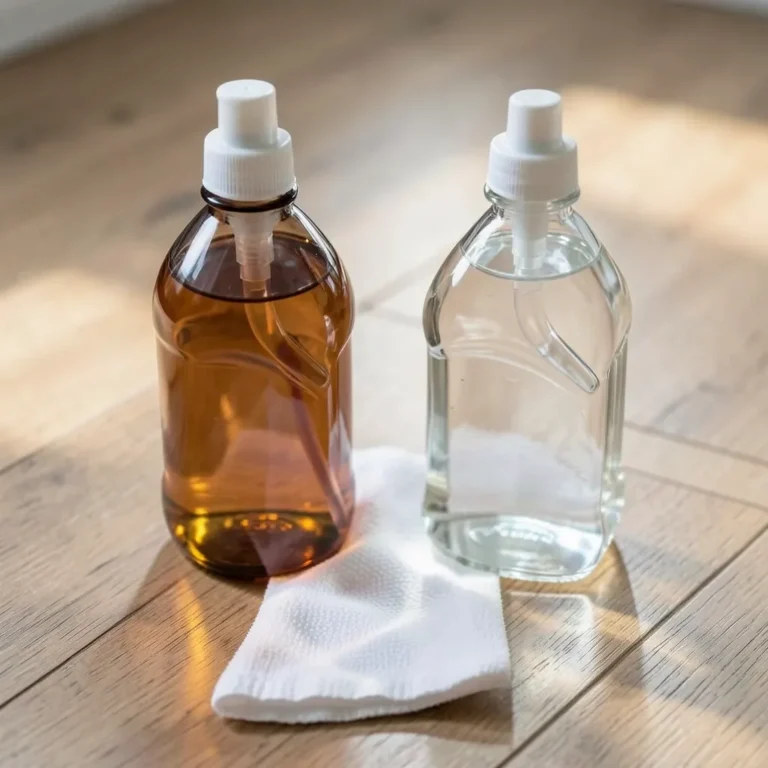
- White vinegar for diluted cleaning mixes, used on the cloth only
- Wood polish matched to the finish type
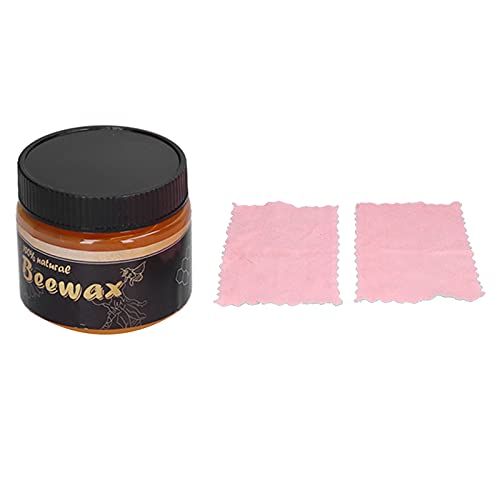
- Furniture wax for finished wood when the label allows it
- Paste wax for antiques and oil-rubbed wood
- Teak oil for outdoor teak only
- Humidifier for heated rooms with dry winter air
- Coasters, placemats, and trivets
Why winter changes wood care
Cold weather dries indoor air and strains wood finishes. Heat vents, radiators, and fireplaces can speed moisture loss, while condensation on cold windows or tabletops can leave rings and hazing. Wood can shrink, joints can loosen, and a finish can look dull or cloudy before the season is over.
Dry air and shrinking wood
Wood moves with humidity. When indoor air stays dry for long stretches, boards and joints can contract, and that can show up as small gaps, squeaks, or sticky drawers. Humidity control helps prevent warping or mold growth, and a humidifier is the simplest winter tool for heated rooms.
Heat vents, radiators, and fast moisture loss
Keep furniture away from direct scorching heat. A table beside a vent or radiator dries unevenly, so one edge can lose moisture faster than the rest. That uneven drying is when finish haze, checking, and joint strain become more likely.
What winter damage looks like
Look for dull patches, white rings, rough spots, loose joints, and cracks at end grain. Very cold objects can leave dents and marks on wood surfaces. Coasters, placemats, and trivets help reduce heat marks, moisture rings, and finish damage.
Should you clean by finish type first?
Yes. Identify the finish before you clean, because finished wood, oil-finished wood, antique wood, and outdoor teak all tolerate different products. A cleaner that works on one surface can cloud another, strip oils, or leave residues that attract more dust.
- Check the finish in good light. Look for a glossy topcoat, an open-pored oil finish, or a waxed antique surface.
- Decide whether the piece stays indoors or outside. Outdoor teak gets different care from indoor furniture.
- Match the cleaner to both finish and season. For example, use mild soap on finished wood, paste wax on antiques, and teak oil only on outdoor teak after it dries.
What to use before you wipe
A microfiber cloth is often a good first tool for most pieces. It is soft, lint-free, and useful for dry dusting and buffing, so grit does not scratch the surface. For cleaning, mild pH-neutral soap or castile soap mixed with warm water is safe for finished wood when used sparingly on a damp cloth.
How do you clean finished wood safely?
Dust finished wood first, then wipe it with a lightly damp cloth and a mild soap mix. Dry the surface immediately, then add polish or wax that matches the finish. Avoid soaking, spraying directly onto the furniture, or using abrasive pads, because those habits do more damage in winter.
- Dust with a microfiber cloth once a week.
- Mix a few drops of mild pH-neutral soap or castile soap into warm water.
- Wring the cloth until it is only damp, not wet.
- Wipe with the grain, then follow with a dry microfiber cloth.
- Add wood polish or furniture wax only if the finish type calls for it.
How to clean wood furniture with vinegar
Use a diluted white vinegar solution only on the cloth, never directly on the furniture. Vinegar can help with some light grime, but it is not a universal cleaner for modern finishes. Keep it in a diluted cloth wipe, not a soak or spray, and not as a daily cleaner on sealed surfaces.
Suppose a sealed dining table looks streaky after a candlelit dinner and the finish is intact. A lightly damp microfiber cloth with mild soap is the better first move. Vinegar is the fallback for light residue on a cloth, not the default answer for every wood finish.
How do you care for oil-finished, antique, and outdoor wood?
Use specific products for specific surfaces. Oil-finished wood can take paste wax when it needs added protection. Antique wood needs a gentler hand and less water. Outdoor teak should be cleaned, fully dried, and then treated with teak oil if the goal is to maintain color and nourishment.
Oil-finished wood
Use paste wax when the surface looks dry or lightly worn. Paste wax suits antiques and oil-rubbed wood, and it can help fill minor scratches while adding durable protection. Do not treat it like a modern sealed finish; wax belongs on the right surface, not every piece in the room.
Antique wood
Clean antiques with the least moisture possible. Avoid over-wetting joints, veneer edges, and carved details. Paste wax is the better protective choice here, especially on oil-rubbed or unlacquered wood, because it adds a protective layer without flooding the surface.
Outdoor teak
Teak is naturally rich in oils and silica, and it is remarkably resistant to moisture, insects, and dimensional changes. Even so, outdoor teak needs care. Avoid a pressure washer because it opens the wood grain. If mildew is present, a vinegar and warm water mix is a common cleaning option for the cloth. Let the piece dry fully before applying teak oil.
Wood furniture maintenance matrix
| Furniture type | Finish type | Safe cleaner | Winter protection step | Do-not-use mistakes |
|---|---|---|---|---|
| Finished wood | Sealed or topcoated | Mild pH-neutral soap or castile soap with warm water on a damp cloth | Dust weekly, use coasters and trivets, and add polish or wax only if the finish supports it | Soaking, abrasive pads, harsh degreasers, direct spray |
| Oil-finished wood | Oil-finished or oil-rubbed | Dry microfiber dusting, then a lightly damp cloth if needed | Apply paste wax when the surface looks dry or scratched; recheck joints in heated rooms | Ammonia-heavy cleaners, bleach, rough pads, standing water |
| Antique wood | Waxed, oil-rubbed, or unlacquered | Dry dusting; minimal damp wiping only when necessary | Use paste wax for added protection and minor scratch filling; keep humidity steady | Over-wetting, silicone-heavy products, heavy all-purpose cleaners |
| Outdoor teak | Exterior teak | Light cloth cleaning; diluted vinegar and warm water for mildew on the cloth | After cleaning and full drying, apply teak oil 2–3 times per year as needed | Pressure washer, soaking, indoor furniture polish, abrasive pads |
How often should you repeat winter care?
Weekly dusting is the baseline. Dusting helps keep wood from looking dull, and one guide recommends a weekly dusting routine. Reapply polish, wax, or oil every few months only when the finish type needs it, and check humidity whenever heated rooms feel especially dry.
Frequency by task
- Dusting: weekly, or more often in rooms with active heating
- Cleaning: as needed, using the mildest finish-safe method
- Polish or wax: every few months if the finish calls for it
- Teak oil: 2–3 times per year for outdoor teak, after cleaning and drying
- Humidity checks: whenever indoor air feels dry, especially near heat sources
Picture a walnut sideboard in a living room with forced-air heat. If the top looks hazy and the drawer sticks after a cold snap, the first move is not more cleaner. It is a quick dust, a humidity check, and a look for direct heat or condensation nearby.
Common mistakes
The biggest errors are usually too much liquid, the wrong product for the finish, and neglecting winter conditions. Avoid spraying cleaner straight onto wood, because liquid can seep into seams and edges. Avoid abrasive pads, harsh degreasers, and baking soda paste, since they can scratch or cloud the finish.
What goes wrong
- Too much water swells edges and leaves cloudy spots
- Vinegar mixtures used too often can be hard on some modern finishes
- Wrong oil or wax leaves sticky residue instead of protection
- Dry-room air keeps joints under stress
- Cold glasses and mugs can dent or mark the surface
Use coasters, placemats, and trivets every time the surface may meet heat, moisture, or a cold object. That simple habit reduces rings, dents, and finish damage.
Frequently asked questions
How to clean wood furniture without damaging the finish
Start with a microfiber cloth, then use a lightly damp cloth with mild pH-neutral soap if the finish is sealed. Dry the surface right away. If the finish looks dull after cleaning, add only the product that matches that finish type, not a universal polish.
How to clean antique wood furniture without damaging the finish
Use dry dusting first, then the gentlest possible wipe only when needed. Avoid soaking joints, veneer edges, and carved details. Paste wax is the usual protective choice for antiques and oil-rubbed wood when the surface needs a little more protection.
How to protect wood furniture for outdoor use
Use furniture made for exterior exposure, and keep it out of standing water and severe weather when possible. For teak, clean first, let it dry completely, then apply teak oil if needed. Avoid pressure washing, which opens the wood grain.
How often should I oil wood furniture?
Only oil furniture when the finish type calls for it. Outdoor teak is often oiled 2–3 times per year, while indoor finished furniture may need polish or wax every few months instead. Oil and wax are not interchangeable, so match the product to the surface.
How to clean wood furniture with vinegar and baking soda
Skip the baking soda paste, since it can be abrasive on many finishes. It is abrasive and can scratch or dull many finishes. If vinegar is used at all, keep it diluted and apply it to the cloth rather than directly to the furniture. For most finished wood, mild soap is the safer cleaner.
Sponsored / affiliate links. As an Amazon Associate I earn from qualifying purchases. I may earn additional commission from eligible campaigns.