Best Wood Accent Walls for Small Rooms (2026): We Compared
For a small living room, a common choice for a wood accent wall is thin vertical slats or paint-grade plywood battens in light stains: they can make ceilings read higher, usually cost less than solid planks, and are often reported to run about $8–$25 per sq. ft. installed. Pick the wrong pattern or a dark, busy finish and the room can feel tighter, heavier, and more expensive to fix later. This guide ranks small-room wood accent wall styles by scale effect, then compares installed cost and material complexity.
Quick comparison
| Product | Badge | Best for | Price | ||
|---|---|---|---|---|---|
 |
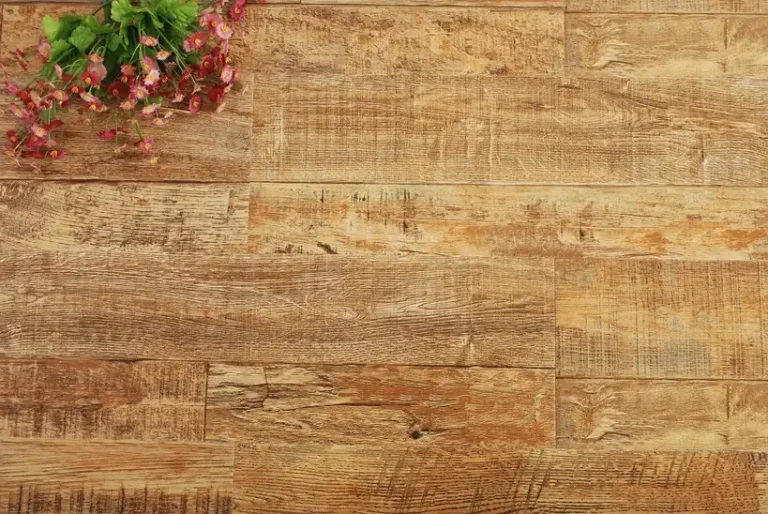
Rockin’ Wood Real Wood Peel & Stick Rustic ReclaimedRockin’ Wood | Our pick | 104 sq ft · peel-and-stick · reclaimed rustic | $699.00
Price as of 27 Oct 2026
|
View |
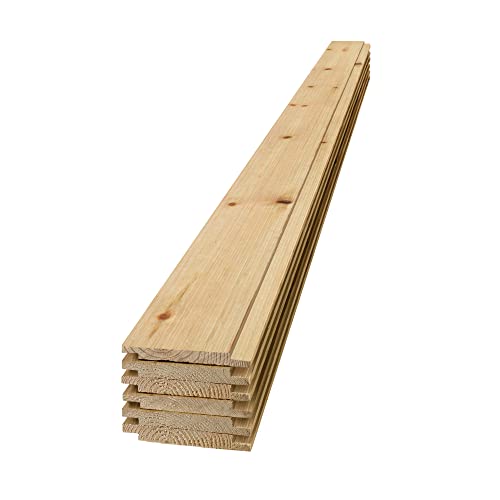 |
Edge 1 in. x 8 in. x 6 ft. Rustic Shiplap Pine BoardUFP-Edge | Budget pick | 6-pack · shiplap boards · rustic pine | $99.99
Price as of 27 Oct 2026
|
View |
 |
ZETY HOME Acoustic Wood Wall Panels, Slat 4-Pack, 48 x 24ZETY HOME | Also great | 4 panels · acoustic slats · walnut | $149.99
Price as of 27 Oct 2026
|
View |
 |
Luxdecor Reclaimed Wood Shiplap Wall Planks, 6" Wide | 10Luxdecor | Also great | 10-pack · shiplap planks · weathered wood | $116.37
Price as of 27 Oct 2026
|
View |
 |
WVH Luxury American Oak Acoustic Slat Wood Wall Panels,WVH | Upgrade pick | 2 panels · acoustic slats · oak | $254.99
Price as of 27 Oct 2026
|
View |
This quick comparison puts the most common wood wall styles side by side for compact living rooms. The main tradeoff is simple: the more a layout changes direction, uses premium species, or needs careful layout work, the more it tends to cost and the more likely it is to read as busy in a small room.
Vertical slats and light shiplap usually give the strongest space-making effect. Herringbone, chevron, and dark walnut look more deliberate, but they ask more from the room’s light, ceiling height, and budget.
How we chose
The rankings below focus on four things: how the wall may change perceived height and width, how much the material typically costs before labor, how hard it is to install cleanly, and how well it fits a small living room without making the space feel closed in.
Light exposure matters because dark finishes absorb more visual space. Ceiling height matters because strong vertical lines help low rooms more than horizontal ones. A compact room with weak daylight usually needs a lighter tone or a less dense pattern.
Material cost is separated from installed cost where possible. Installed cost can rise quickly once you add trim, fasteners, adhesive, backing prep, waste, and finish. That gap matters more in small rooms, where a few extra boards or a more complex layout can swing the budget fast.
Wood slat wall: best for height
Choose this style if you want the strongest height effect in a small room. Vertical lines pull the eye upward, and narrow gaps around 20mm create a clean look without turning the wall into a heavy stripe pattern. Oak works well when you want a light, modern tone, while walnut suits rooms that can handle a darker finish.
This is the best all-around choice for many small living rooms because it can feel tailored without looking bulky. Vertical wood slats are also one of the most popular accent wall treatments in the last three years, and the format can help with acoustics as a side benefit when paired with a felt backing.
The drawback is that slats can still feel busy if the spacing is too wide, the finish is too dark, or the room already has a lot of visual noise. In a low-light living room, a walnut slat wall needs more caution than an oak or light-wash version.
Shiplap and board and batten: best for simpler builds
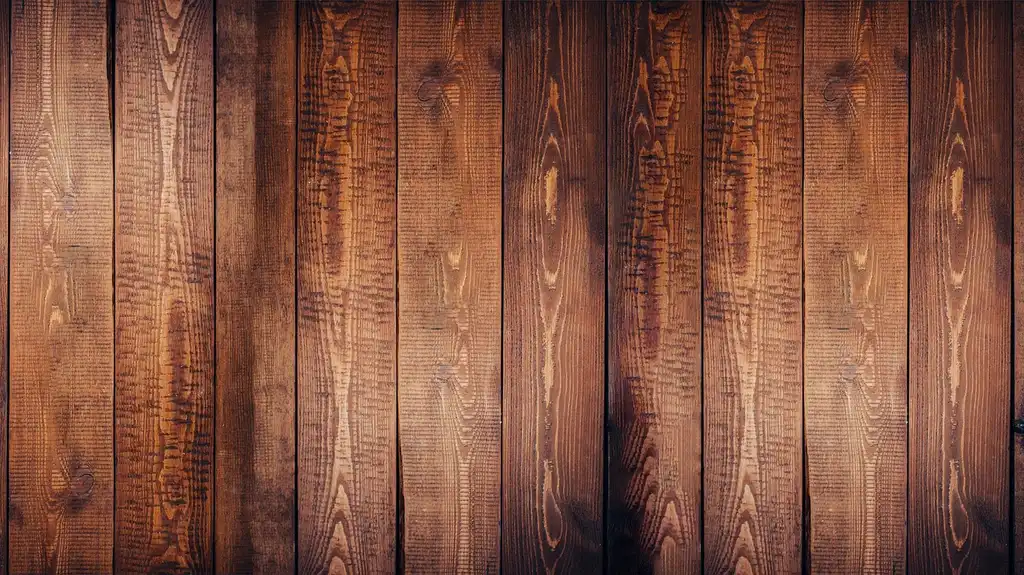
These are the easiest wood-look directions to manage when you want structure without a full carpentry project. Shiplap can run horizontal or vertical, and lighter tones can open up a room. Board and batten adds architecture without covering the wall in dense pattern, especially when the battens stay spaced between twelve and sixteen inches apart and the whole wall is painted one color.
Shiplap
Pick shiplap if you want a straightforward DIY wall that still reads as intentional. Horizontal boards can make a narrow living room feel a little wider, while vertical shiplap can help low ceilings feel taller. The UFP-Edge boards are lightweight, kiln dried to help minimize warp, and simpler to cut than many solid-wood options.
The weakness is dust management. The grooves collect dust, so the cleaner the profile and the lighter the finish, the easier it is to live with in a small room. Dark rustic shiplap can also make the wall feel busier than a smooth painted treatment.
Board and batten
Board and batten is the best pick when you want a clear wall pattern without covering every square inch in wood. The trim-based layout works well in a small living room because it adds rhythm and depth, but the open wall surface between battens still gives the room room to breathe.
This option is often DIY-friendly for homeowners who can measure carefully and keep the spacing even. The drawback is that wide battens or overly tall panels can fight a short ceiling, so keep the proportions modest in rooms that already feel compressed.
Wood paneling and engineered wood: best for coverage
Use full-height or modular paneling when you want the most complete wall coverage without jumping to a highly patterned layout. Wood paneling can use white oak, walnut, ash, maple, birch plywood, or teak, with finishes that range from natural to stained, matte, or glossy. It also works for accent walls and partitions, which gives you more layout options than a simple plank wall.
Wood paneling
Paneling is useful when a small living room needs a clean, continuous surface rather than a strong graphic pattern. That makes it a good fit for walls behind a sofa or media unit, especially if you want the wall to feel ordered instead of busy. Light species such as ash, maple, birch plywood, or white oak usually feel safer in tight rooms than darker walnut or teak.
The drawback is that paneling can flatten a room if the grain is too plain or the finish is too dark. Large dark panels in weak light can make the wall read heavier, not calmer.
Engineered wood accent wall
Engineered wood is the steadier mid-range choice when you want a real wood look with more stability than some solid wood applications. It is often a good fit for living rooms and kitchens, and a grey wash can soften the visual weight in a compact space. That makes it easier to balance with modern furniture and lighter walls.
The tradeoff is that engineered wood can look ordinary if the surface finish is too flat or too uniform. It is a practical choice, not the most expressive one.
Herringbone, chevron, and walnut veneer: best for statement walls
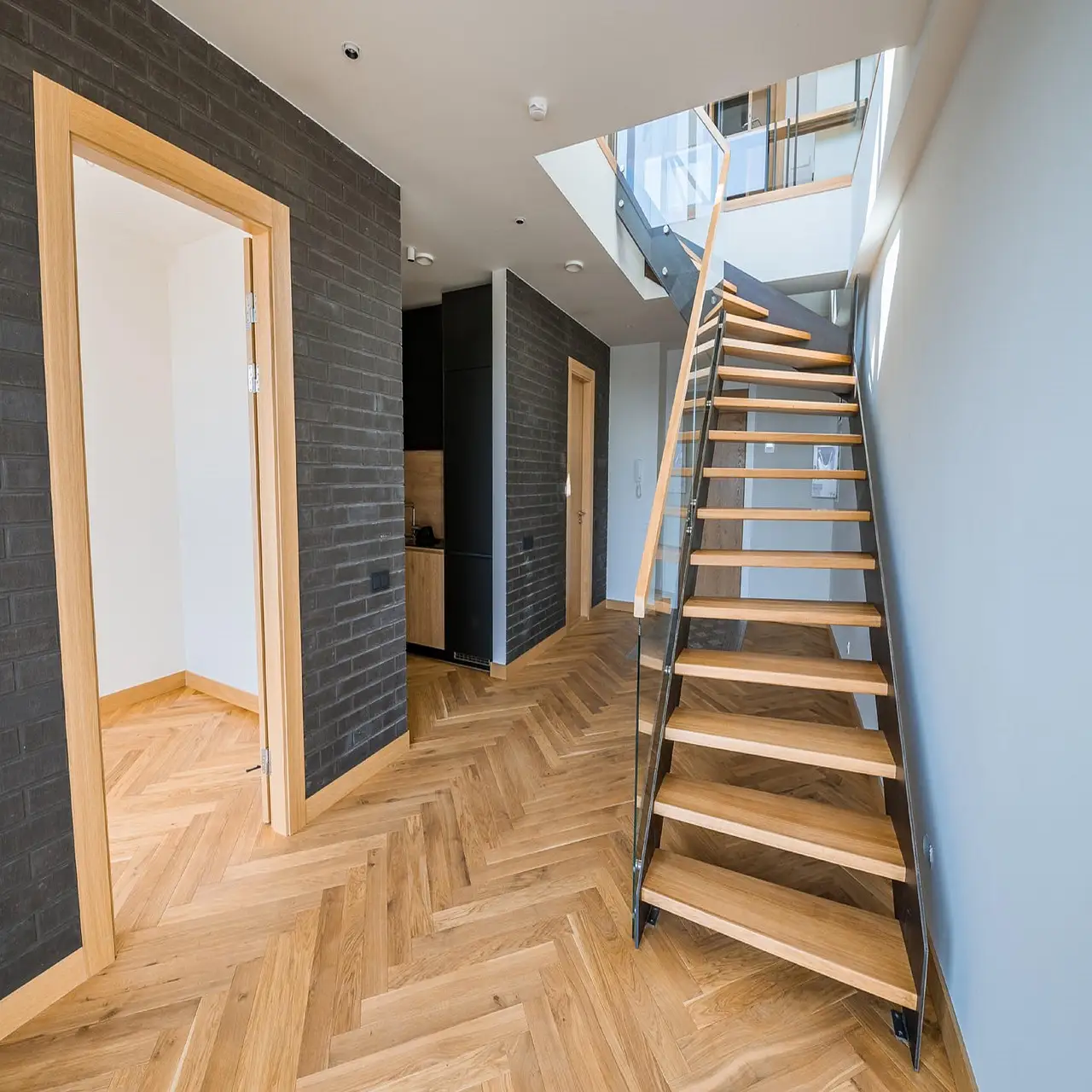
These styles are for rooms that can support stronger visual movement or a premium finish. They work best when the wall is the main focal point and the rest of the room stays calm. In a small living room, that usually means better light, restrained furniture, and a careful material choice.
Herringbone
Herringbone creates visual movement with a V-shaped pattern that can work on walls as well as floors. It brings more interest than straight planks, but it asks for more layout care and more cutting, so the install is harder than a plain slat or shiplap wall. Pine or reclaimed oak are common examples when the goal is texture rather than a highly polished finish.
The drawback is simple: the pattern can feel busy in a very small, dark room. If the room already has a lot happening, herringbone may compete with the furniture instead of framing it.
Chevron
Chevron is the sharper, more graphic cousin of herringbone. The zigzag reads as a statement wall, which can work well in a compact room that needs one bold surface and otherwise quiet surroundings. It usually demands more layout precision and labor than straight plank formats.
The drawback is that the pattern can dominate a small living room fast. If the ceiling is low or the light is weak, chevron is more likely to feel compressed than expansive.
Walnut veneer wall
Walnut veneer is the premium finish tier here, especially when you want a dark, rich appearance with the option for bookmatched panels. High-gloss or matte finishes are both common, but either one should be used with caution in a small room that lacks daylight. The look is polished and deliberate, not casual.
The drawback is cost. Walnut veneer generally sits above basic pine or MDF, and the darker tone can make a small living room feel tighter if the rest of the room is already heavy.
Wood accent wall decision matrix

| Option | Visual effect in small spaces | Estimated material cost per sq ft | Installation difficulty | Best-use scenario |
|---|---|---|---|---|
| Vertical wood slat wall | Makes the room feel taller; best when gaps stay narrow | $6–$18 | Moderate | Small rooms with average to good light and a low ceiling |
| Shiplap accent wall | Horizontal layout can widen; vertical layout can add height | $4–$12 | Easy to moderate | DIY-friendly walls that need a cleaner, simpler look |
| Board and batten | Adds structure without full coverage | $3–$10 | Easy | Small rooms that need architecture more than texture |
| Wood paneling | Calmer, more continuous surface; can flatten if too dark | $8–$20 | Moderate | Accent walls or partial partitions with a clean finish |
| Engineered wood accent wall | Controlled, stable look; less visually heavy than some solid wood builds | $7–$16 | Moderate | Mid-range living rooms that need a durable, consistent surface |
| Herringbone wood wall | More movement; can feel busy in tight rooms | $10–$24 | Hard | Statement walls with enough light and visual breathing room |
| Chevron wood wall | Boldest graphic effect; most likely to dominate a small room | $12–$28 | Hard | High-design focal walls with careful layout control |
| Walnut veneer wall | Deep, premium look; can darken a compact room | $14–$30 | Moderate to hard | Upscale rooms with strong natural light and restrained furnishings |
Measurement checklist before you choose
- Measure wall width from corner to corner, then subtract door and window openings.
- Measure ceiling height at more than one point if the room is older or the floor is uneven.
- Note how much direct daylight hits the wall during the brightest part of the day.
- Check whether the wall already holds a TV, sofa, fireplace, or shelving that will change the visual load.
- Decide whether you need a rental-friendly option, a removable panel system, or a full carpentry build.
Say your living room is 11 feet by 13 feet with an 8-foot ceiling and a single north-facing window. A vertical slat wall in a light oak finish will usually read taller and calmer than a dark chevron layout, because the room needs help with height and light, not more pattern density.
Suppose the same room has strong afternoon sun and a plain drywall wall behind the sofa. In that case, walnut veneer or a richer shiplap finish becomes more workable, because the stronger light can support a darker tone without flattening the room.
Which one should you buy?
If your budget is tight, start with board and batten or a simple shiplap build. If you want the best small-room balance of height, style, and cost, choose vertical slats with narrow gaps around 20mm in oak or another light finish. If the room is very dark, avoid heavy walnut unless the rest of the room stays light.
If the ceiling is low, vertical layouts are the safer pick. If the room is narrow, horizontal shiplap can help widen the read. If you rent, look for peel-and-stick panels or removable battens rather than full nail-up construction. If your DIY skill is basic, board and batten is usually the least demanding of the wood options.
For strong natural light and a more polished look, walnut veneer or chevron can work, but only if the room can carry the visual weight. In most small living rooms, the cleanest path is still a light vertical slat wall or a simple painted batten layout.
Frequently asked questions
What are the best wood accent wall ideas for a small living room?
The best options are vertical slats, light shiplap, and board and batten. They add structure without overwhelming the room. Vertical slats are strongest for height, shiplap can widen or lift depending on direction, and board and batten gives a clear architectural read with less material coverage.
How much does a wood accent wall cost per square foot?
Material cost varies by wood, backing, trim, fasteners, and finish, but a simple build can stay in the low single digits per square foot for materials, while premium veneer or patterned layouts rise quickly. Installed cost is much higher once labor and prep are included, which is why the material-only number rarely tells the full story.
Which wood wall style makes a small living room look bigger?
Vertical slats usually do the best job because they draw the eye upward. Lighter shiplap can also help, especially in a room that needs a wider or taller read. Dark finishes, wide battens, and dense geometric patterns are more likely to make the space feel smaller.
What wood species work best for living room accent walls?
Oak is a strong all-around pick because it fits modern rooms and takes stain well. Walnut suits premium finishes, ash and maple can read lighter and cleaner, birch plywood is budget-friendly, teak leans richer, and pine is common for simpler or rustic builds. Reclaimed oak gives character, but it can look busier.
Is a slat wood accent wall good for a small space?
Yes, especially when the slats run vertically and the gaps stay narrow, around 20mm. That layout helps a small room feel taller and more ordered. The finish matters too: light oak is safer in low light, while walnut can work only when the room already has enough brightness.
How do I choose between shiplap, slats, and panels for an accent wall?
Choose slats if height is the goal, shiplap if you want a simple linear wall, and panels if you want broader coverage with less pattern. Slats are the most visually active, shiplap is the easiest to read, and paneling is best when you want a calm surface that still feels finished.
What is the cheapest wood accent wall option for a living room?
Board and batten is often the cheapest wood-based option because it uses less material than full paneling or patterned plank work. Painted finishes also reduce cost compared with stained hardwoods. For a very tight budget, paint remains cheaper than wood, but it will not give the same grain or texture.
Can I use herringbone or chevron on a wood accent wall?
Yes, but treat them as statement choices rather than default small-room solutions. Herringbone has more movement and moderate complexity. Chevron is sharper and more demanding to lay out. Both can work when the room has enough light and the rest of the decor stays simple.
Sponsored / affiliate links. As an Amazon Associate I earn from qualifying purchases. I may earn additional commission from eligible campaigns.