What Is the Best Wood to Burn in a Wood Stove? Guide
A good choice for a wood stove is seasoned hardwood at roughly 15% to 20% moisture content; many people use denser hardwoods for longer heat and drier kindling for startup. Wood with higher moisture content tends to burn less efficiently, smoke more, and increase creosote and chimney-fire risk. This guide shows which species burn best for overnight heat, easy lighting, and cleaner daily use.
This guide is part of our Wood burning guide: tools, techniques, and safety series.
what is the best wood to burn in a wood stove?


The best wood depends on the stove job you need done. For long heat, choose dense hardwoods such as oak, hickory, or maple. For fast ignition, use ash or a small amount of softwood kindling. For the cleanest burn, keep moisture below 20% and stay out of the stove with anything above 25% moisture.
Why species alone does not decide the best choice
Species matters, but moisture content often matters just as much. A dry ash split can outperform a wet oak split in real use because dry wood burns hotter, cleaner, and with less smoke. EPA 2020-certified stoves also rely on hot, clean combustion, and wetter or lower-energy wood can suppress secondary combustion.
That is why “best” should mean best for the job. A long winter night needs a different split than a quick fire on a cold morning.
📊 A cord of wood is 128 cubic feet of stacked wood. Source: Almanac.
Which wood is best for overnight heat?
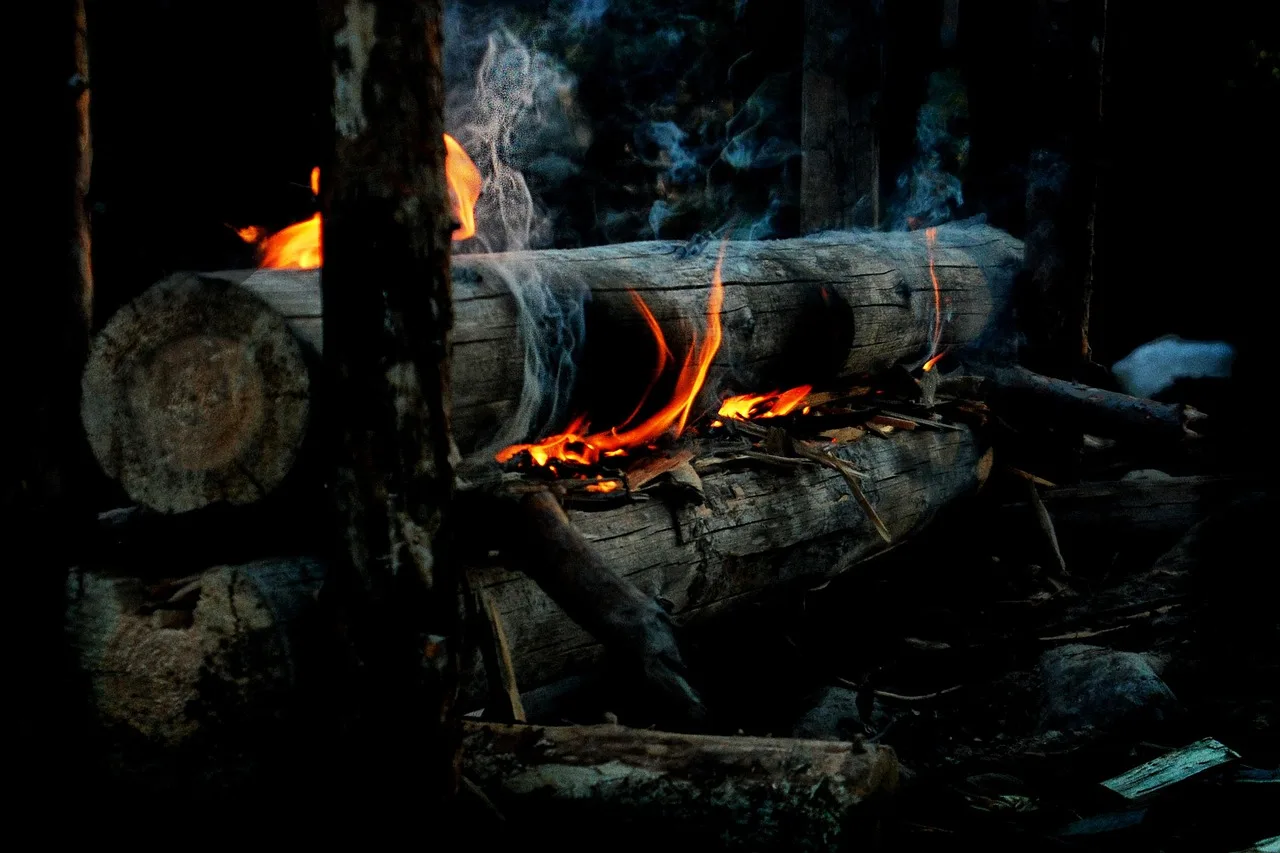
For overnight heat, oak is the safest starting point because it is a high-density hardwood with a long burn time and a strong coal bed. Hickory is also an excellent choice when you want very high heat output. Use larger, dry splits only if your stove box can handle them without choking the fire.
Oak for long burn time and a strong coal bed
Oak is one of the top firewood choices for extended burns. The Wood Stove Hub lists oak at 26–29 million BTUs, and one source notes oak can burn for up to 8 hours in a well-insulated stove. It also leaves a coal bed that helps the next load catch.
Seasoning matters here. Oak may take around 1 to 2 years to dry well, and a split that still feels heavy may not be ready even if the ends look cracked.
Hickory for very high heat output
Hickory is one of the highest-heat woods, cited at 27.7 million BTU per cord. It suits cold snaps and long burns when you want intense output. It is hard to split, so many buyers reserve it for situations where top-tier heat matters more than convenience.
Use hickory when the stove needs sustained heat, not when you want a fast, easy reload.
How split size affects burn length
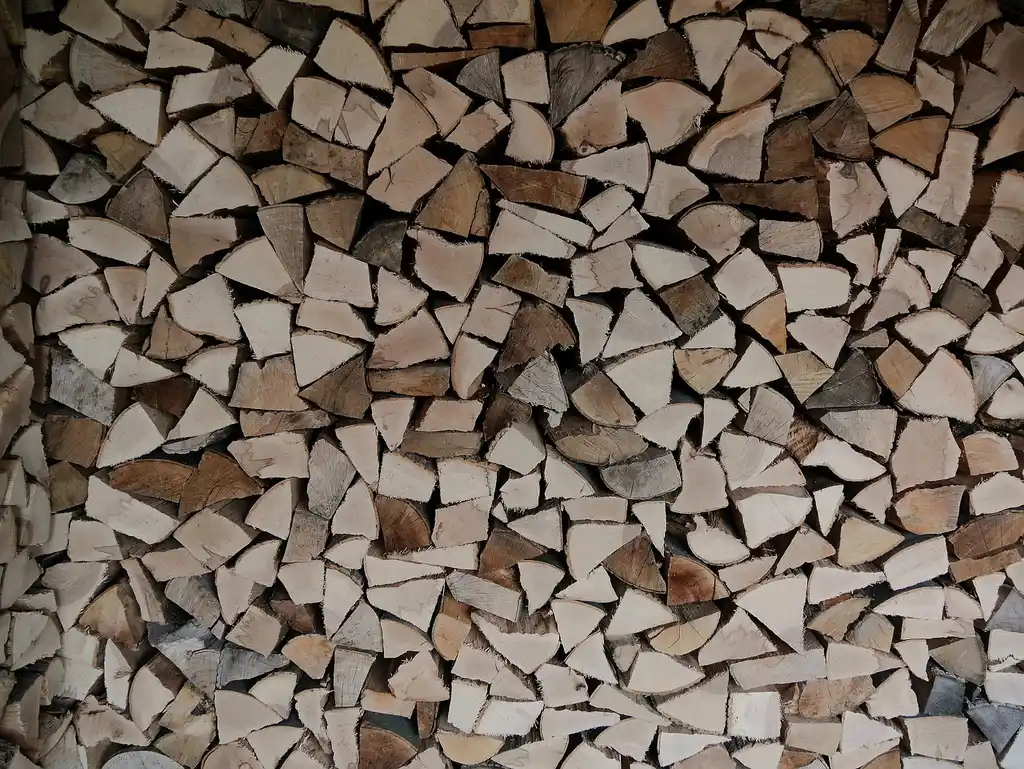
Larger splits burn longer, but oversized pieces can smolder if they are too big for the firebox or too damp. Many stoves fit consistent 16-inch pieces well. That size is easier to load evenly, stack in the firebox, and reload without blocking airflow.
Suppose you load three thick, damp oak splits into a compact stove at bedtime. The fire may slide into a smoky, lazy burn instead of building the hot coal bed you wanted.
Which wood is best for easy startup and quick heat?
For easy startup and quick heat, ash is a practical all-around choice. It lights easier than oak, seasons quickly, and gives dependable heat without much fuss. Softwood can help with ignition, but it is better used as kindling or for short fires than as the main fuel load.
Ash as a practical all-around starter
Ash is a workhorse species. It is easy to split, it dries faster than many hardwoods, and it is often the wood people buy when they are behind on firewood prep. For everyday stove use, ash gives steady heat without the long wait that oak can require.
That makes ash a strong answer when you want one wood that behaves well in more than one role.
Softwood as kindling or for short fires
Softwoods light quickly, which makes them useful for kindling and quick fires. They also tend to produce more creosote than dry hardwoods, so they are not the best choice for long, smoky burns. White pine is often listed in the low-heat category, which fits its role better as starter fuel.
Use softwood to get the fire going, then transition to dry hardwood for the main burn.
When kiln-dried wood is worth buying
Kiln-dried firewood is worth considering when convenience matters more than price. It is often sold at a low moisture level, so it is typically ready to burn right away. Once kiln-dried and naturally seasoned wood are both below 20% moisture, they perform the same.
That means the premium is about time and certainty, not magic. If you need reliable burn-ready wood for an event, backup supply, or a tight season, kiln-dried wood can make sense.
How does the proof matrix help you choose wood?
A goal-based matrix helps you match species, split size, and moisture target to the job. It is more useful than a simple “best wood” list because it separates overnight heat, quick ignition, low creosote risk, and value. That is the decision most stove owners actually make.
| Stove goal | Best wood choice | Split size | Moisture target | Why it fits |
|---|---|---|---|---|
| Overnight heat | Oak or hickory | Medium to large, about 16 inches where the stove allows | Below 20% | Dense wood burns longer and builds a coal bed |
| Fastest startup | Ash with softwood kindling | Smaller splits and kindling | Below 20% | Lights quickly and reaches useful heat sooner |
| Lowest creosote risk | Dry ash, maple, or oak | Moderate, not oversized | Below 20%; keep wet wood out | Cleaner burn means less smoke and fewer deposits |
| Best value | Whatever dry hardwood is most available locally, often ash or maple | Consistent 16-inch pieces where possible | Below 20% | Local supply often beats a premium species that is hard to source |
Overnight heat vs fastest startup
Overnight heat favors dense wood and a strong coal bed. Fast startup favors smaller, drier splits that catch quickly. Oak and hickory win the first job. Ash and kindling help with the second. A stove owner who mixes both gets better control than someone who buys only one species.
Lowest creosote risk vs best value
The lowest creosote risk comes from dry wood burned hot enough to stay clean. Best value depends on local supply, not a universal species ranking. In some areas ash is the practical buy; in others, maple or mixed hardwood is the better deal if it is properly seasoned.
How dry should firewood be for a wood stove?
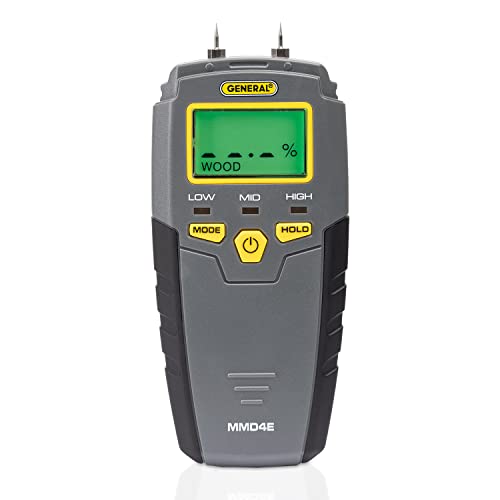
Firewood should be below 20% moisture for best stove performance, and anything above 25% moisture should never be burned in a fireplace or wood stove. Well-seasoned firewood generally needs several months to about a year to dry to a usable moisture level, though denser species often need longer. A moisture meter is the most reliable check.
Why wood above 25% moisture should stay out of the stove
Wet wood gives up heat to boil off water before it burns. That steals output, creates more smoke, and raises creosote risk. Creosote is a sticky, flammable chimney deposit formed by wet or smoky fires, and it increases chimney-fire danger. Wet fuel is a poor trade in any stove.
How to check the center of a freshly split piece
Split a piece open and test the center face, not the weathered outside. The shell can look dry while the core still holds too much water. A meter reading from the middle gives a more honest result. Use that reading to decide whether the load belongs in the stove.
Seasoned firewood vs kiln-dried firewood
Seasoned firewood usually means air-dried fuel with darkened ends, visible cracks or splits, a lighter feel, and a sharp clink when pieces strike together. Kiln-dried wood is dried faster and often sold at 8% to 15% moisture. Both work well once they are below 20% moisture.
Choose kiln-dried wood for immediate use and certainty. Choose seasoned wood when you have time to store and verify it.
What wood should you avoid or use sparingly?
Avoid wet or green wood, oversized splits that smolder, and smoky loads that force the stove into a lazy burn. These choices waste heat and raise creosote risk. Softwood is not forbidden, but it belongs in the kindling basket or in short, controlled fires rather than as the main fuel for long burns.
Wet or green wood
Green wood is not ready for the stove. It burns poorly, smokes heavily, and can leave the chimney dirty fast. If the seller says the wood is seasoned but the meter says otherwise, trust the meter.
Oversized splits that smolder
Big splits are not automatically better. If a piece is too large for the firebox, it may smolder instead of burning cleanly. That is especially risky in smaller stoves or during shoulder-season fires when you need more control and less smoke.
Smoky loads that raise creosote risk
Creosote builds when a fire runs cool and smoky. That can happen with wet wood, too-large splits, or an air setting that chokes the fire before it is established. The fix is dry fuel, appropriate split size, and enough airflow to keep the burn active.
A common first-timer mistake is loading three heavy splits and closing the air too soon. The stove looks full, but the fire burns lazy and the glass turns dirty fast.
How do you tell if firewood is seasoned enough?
Seasoned firewood usually shows darkened ends, cracks, split-checks, and a lighter feel than green wood. A sharp clink when two pieces hit together is another clue. None of those signs is perfect on its own, so a moisture meter remains the best proof before the wood goes into the stove.
Visible signs of seasoning
Look for ends that have darkened from exposure, splits that open slightly at the grain, and pieces that feel light for their size. Bark that loosens or falls away can also point to drying, though some species hold bark longer than others. These are clues, not guarantees.
Using a moisture meter
Use a moisture meter on a freshly split face, ideally at the center. That is where trapped moisture hides longest. Reading the outside of an old split can hide a wetter core, which is how “seasoned” stacks fool buyers and new stove owners alike.
What kiln-dried wood changes and what it does not
Kiln-dried wood changes the timing, not the basics of combustion. It is dry enough to burn right away and usually gives cleaner startup and less smoke. It does not remove the need for a proper split size, enough stove airflow, or careful loading.
Frequently asked questions
what can you burn in a wood stove
You can burn dry hardwoods such as oak, hickory, ash, and maple, plus softwood kindling for startup. The key is moisture content and split size. Dry, properly sized fuel burns cleaner and safer than any specific species that is still too wet or too large.
what wood not to burn in a wood stove
Do not burn wood above 25% moisture, and avoid green wood, smoky loads, and oversized splits that smolder. Softwoods are not banned, but they are better kept for kindling or quick fires. Wet fuel is the biggest problem because it drives smoke and creosote.
is ash good wood to burn in a wood stove
Yes. Ash is one of the best practical choices because it lights easier than oak, splits easily, and dries quickly. It is a good all-around firewood when you want dependable heat without waiting through a long seasoning period. It works especially well for everyday stove use.
what wood burns hottest in a wood stove
Hickory is among the hottest-burning woods, and oak is also listed in the high-heat group. For real-world heat, though, dry fuel matters as much as species. A dry ash split can outheat a wet hickory split because the wet piece loses energy to boiling off water.
Sponsored / affiliate links. As an Amazon Associate I earn from qualifying purchases. I may earn additional commission from eligible campaigns.