Birch Vs White Oak: Ultimate Guide to Choosing the Best Wood
Choosing the right wood for your project can feel overwhelming. You want something strong, beautiful, and long-lasting.
When it comes to birch and white oak, both have unique qualities that could make a big difference in your final result. If you’re unsure which one fits your needs best, this guide will help you decide. By the end, you’ll understand the key differences and be confident in making the perfect choice for your home or furniture.
Keep reading to discover which wood matches your style and practical needs.
Wood Characteristics
Wood has unique traits that affect its use and look. Birch and white oak are popular choices. Each has special characteristics. These features help decide which wood fits best for projects.
Below, learn about grain patterns, color changes, and hardness. These points show how birch and white oak differ.
Grain Patterns
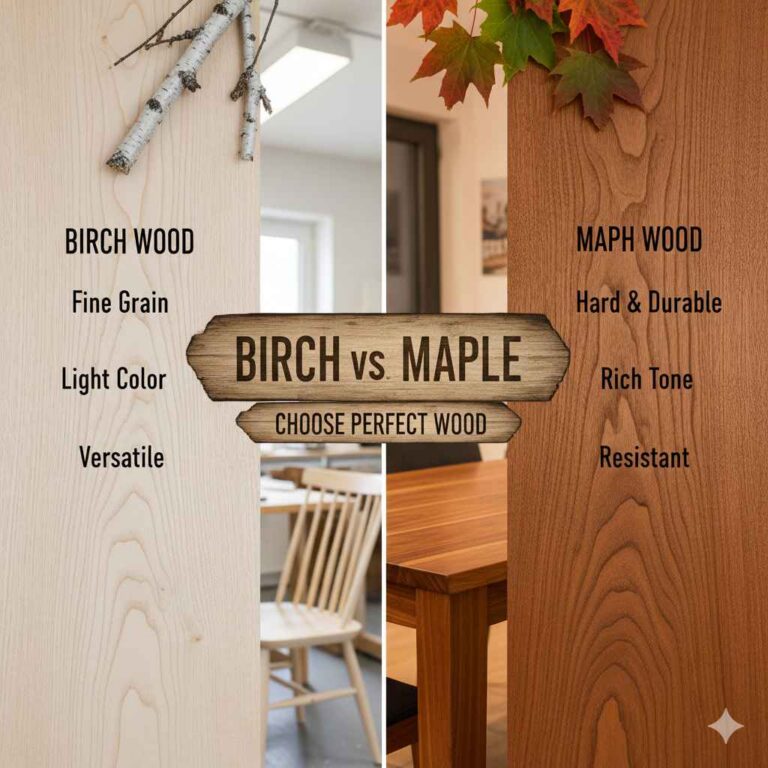
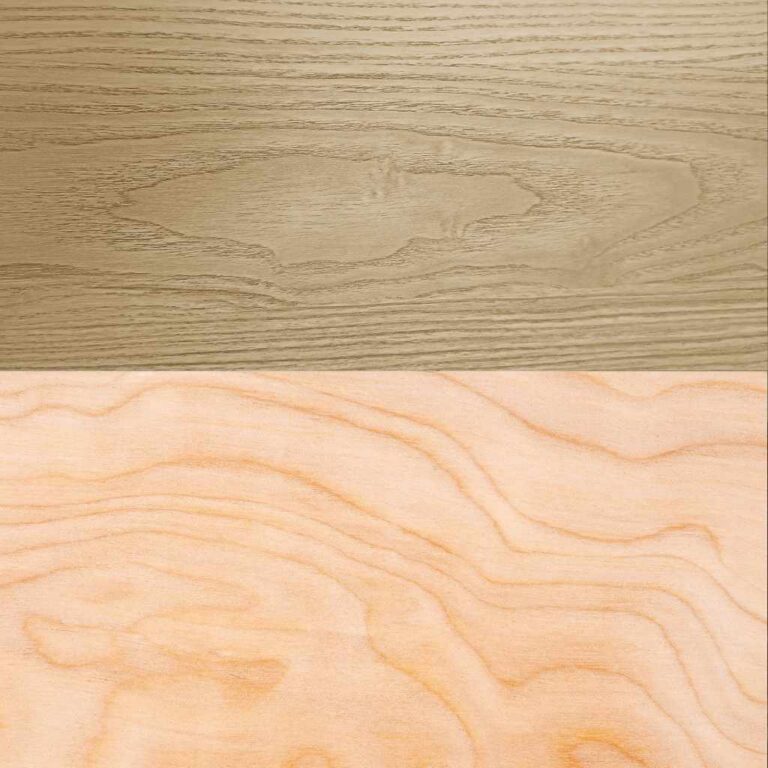
Birch wood usually has a fine, even grain. It looks smooth and simple. The pattern is often straight, but may have slight waves. This gives birch a clean and soft look.
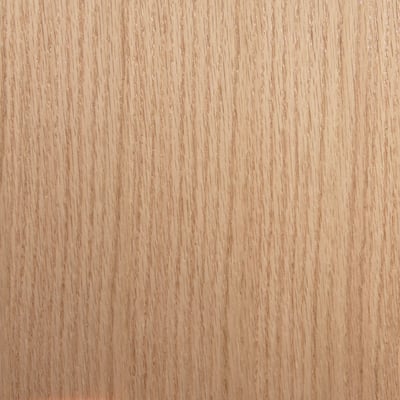
White oak has a stronger, more noticeable grain. It often shows long, wavy lines and unique rays. This pattern adds texture and character to the wood.
Color Variations
Birch wood has light colors. Its shade ranges from pale cream to light brown. The color stays quite uniform across the wood.
White oak shows more color change. It can range from light tan to medium brown. Sometimes, it has a slight gray or green tint. These tones give white oak a warm, natural feel.
Hardness And Durability
Birch is moderately hard. It works well for furniture and cabinets. It wears well but can dent more easily than oak.
White oak is harder and more durable. It resists dents and scratches better. This makes it a good choice for floors and heavy-use items.
Appearance And Aesthetics
Choosing between birch and white oak often depends on their appearance and aesthetics. Each wood has a unique look that fits different styles and tastes. Understanding these differences helps in making the right choice for your project.
Natural Look
Birch has a smooth, fine grain that appears light and even. Its color ranges from pale cream to light brown. This wood gives a clean and soft look to furniture or floors.
White oak features a stronger grain pattern with more texture. It has a warm, golden to medium brown tone. This wood adds a classic and rich feel to any space.
Staining And Finishing Options
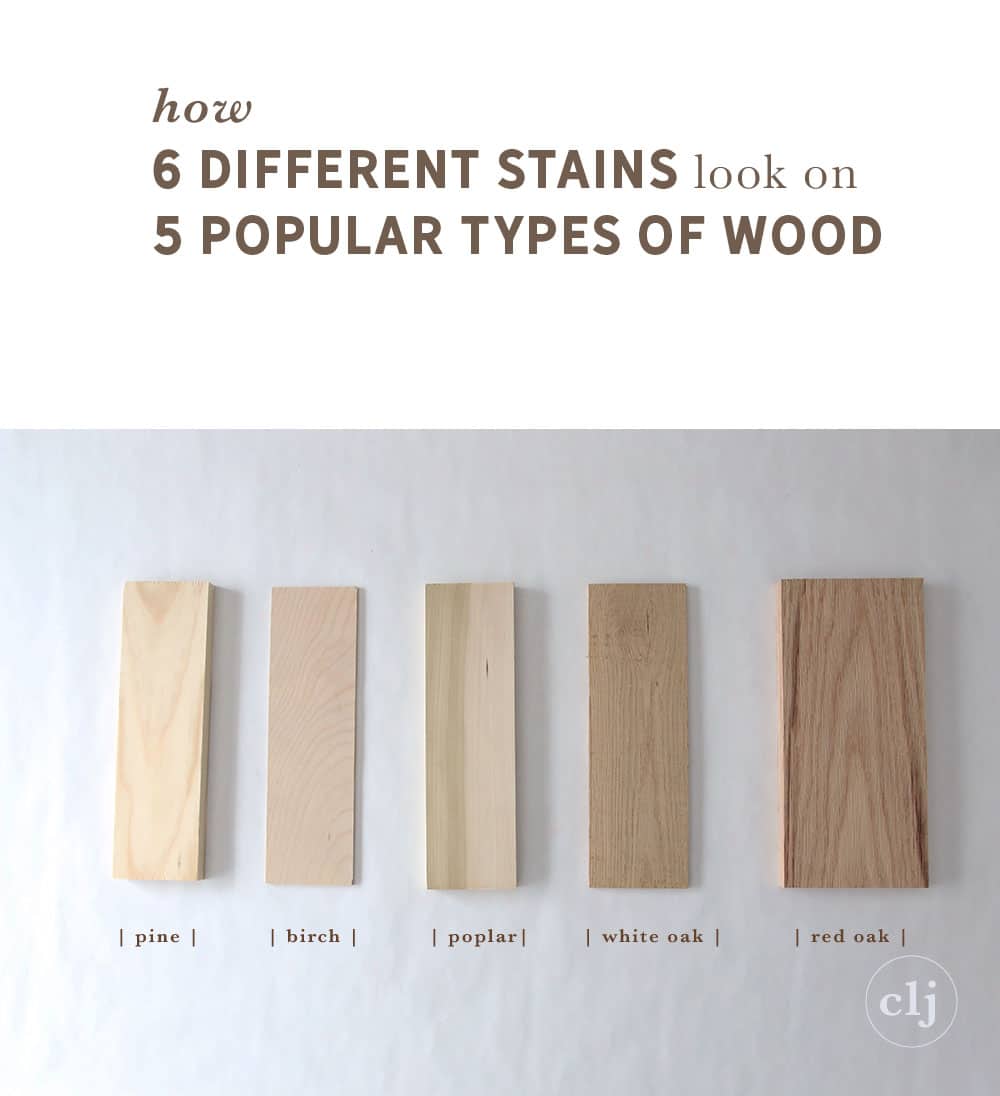
Birch accepts stain well but can become blotchy if not sealed properly. It works best with lighter stains that enhance its natural color. Finishing birch with a clear coat keeps its bright and fresh look.
White oak stains evenly and holds color well. It suits dark or natural tones, highlighting its grain beautifully. Finishing with oil or varnish brings out the wood’s depth and richness.
Workability
Workability is key when choosing wood for projects. It affects how easy the wood is to cut, shape, and finish. Birch and white oak are popular choices, but their workability differs. Understanding these differences helps pick the right wood for your needs.
Ease Of Cutting And Shaping
Birch is a soft hardwood, making it easier to cut. It responds well to saws and routers, with less wear on tools. White oak is harder and denser, requiring sharper blades. It can dull tools faster and needs more effort to shape. Birch suits detailed work and quick projects better.
Sanding And Polishing
Birch sands smoothly with little effort. It takes polish evenly, giving a clean finish. White oak has a more open grain, so sanding needs care. It may require more sanding to get a smooth surface. Polishing white oak highlights its grain and adds depth to the wood.
Credit: chrislovesjulia.com
Applications
Birch and white oak are popular hardwoods used in many projects. Each wood has its own strengths. Understanding their common uses helps in choosing the right one for your needs.
Both woods offer durability and beauty, but their grain, color, and hardness vary. These differences affect their best applications in furniture, flooring, and cabinetry.
Furniture Making
Birch is favored for its smooth texture and light color. It shapes well and holds paint nicely. White oak is tougher and more resistant to dents. It shows a unique grain pattern that adds character. Use birch for painted or simple designs. White oak suits rustic or classic furniture styles.
Flooring
White oak stands out for flooring due to its hardness. It handles heavy foot traffic without much wear. Birch flooring is softer but still strong. It offers a lighter, brighter look for rooms. Choose white oak for long-lasting, durable floors. Birch works well in low-traffic areas or where a pale floor is desired.
Cabinetry
Cabinets need wood that is stable and attractive. Birch’s smooth surface is perfect for painted cabinets. It also sands easily for refinishing. White oak brings a rich, warm tone to kitchen or bathroom cabinets. Its water resistance adds extra protection in moist spaces. Both woods provide solid options depending on style and finish preference.
Cost And Availability
Cost and availability are key factors to consider when choosing between birch and white oak. Both woods offer unique benefits, but their price and supply can affect your decision. Understanding these aspects helps you pick the right wood for your project and budget.
Price Comparison
Birch is usually less expensive than white oak. Its fast growth means lower costs for suppliers. White oak costs more due to its strength and durability. The price difference can be significant, especially for large projects. Birch fits well in budgets with tight limits. White oak suits projects needing long-lasting wood.
Sourcing And Supply
Birch trees grow widely in North America and Europe. This makes birch easier to find in many places. White oak grows mainly in the eastern United States. Its availability depends on local forests and logging rules. White oak can be harder to source in some regions. Birch often has a steady supply from many mills. White oak supply may vary with demand and forest management.
Maintenance And Longevity
Choosing between birch and white oak means thinking about how long the wood lasts. It also means knowing how much care each type needs. Both woods have their strengths in maintenance and durability. Understanding these can help keep your wood looking great for years.
Resistance To Wear
White oak is harder and stands up better to scratches and dents. It handles heavy use well, making it a strong choice for floors and furniture. Birch is softer and can show signs of wear faster. It suits areas with less traffic. Both woods can last a long time but white oak often stays newer longer.
Care Tips
Keep birch and white oak clean by dusting regularly. Use a soft cloth to avoid scratches. Avoid water spills as they can damage the wood surface. Apply wood polish or oil to keep the wood hydrated. For white oak, less frequent oiling is needed than birch. Protect the wood from direct sunlight to prevent fading.
Environmental Impact
The environmental impact of choosing wood types matters for nature and future resources. Birch and white oak are popular woods but differ in how they affect the environment. Understanding these differences helps make smarter, eco-friendly choices for homes and projects.
Sustainability
Birch trees grow quickly and can be harvested more often. This fast growth means less strain on forests. White oak grows slower and takes more time to replace. This slower rate can lead to more forest loss if not managed well. Choosing wood from well-managed forests helps keep ecosystems healthy. Sustainable harvesting protects wildlife and soil from damage.
Eco-friendly Practices
Many suppliers use eco-friendly methods to harvest birch and white oak. They avoid clear-cutting and leave parts of forests untouched. This helps preserve natural habitats and water quality. Using local wood reduces pollution from transport. Some companies also plant new trees after harvesting. These practices lower the carbon footprint of wood products. Checking for certifications like FSC ensures responsible sourcing.
Choosing The Right Wood
Choosing the right wood is key for any project. Birch and white oak each have unique qualities. Selecting the right one depends on your needs and taste.
Project Requirements
Think about the purpose of your project. Birch is soft and easy to work with. It suits indoor furniture and light use. White oak is hard and durable. It handles heavy use and outdoor conditions well.
Consider moisture and wear factors. White oak resists water better. Birch may warp or stain with moisture. Choose white oak for floors or outdoor items. Birch fits well for cabinets or decorative pieces.
Personal Preferences
Look at the color and grain of each wood. Birch has a light, creamy tone with a smooth grain. White oak shows a warm, golden color with a strong grain pattern. Birch creates a clean, modern look. White oak offers a classic, rustic feel.
Think about the finish you want. Birch accepts paint and stain easily. White oak highlights natural beauty with oil or clear finishes. Your style will guide the best choice between the two.
Frequently Asked Questions
What Are The Main Differences Between Birch And White Oak?
Birch has a fine, uniform texture and a lighter color. White oak is more durable, with a coarser grain and richer tones. Birch is easier to stain, while white oak offers better resistance to moisture and wear.
Which Wood Is Better For Furniture: Birch Or White Oak?
White oak is preferred for furniture due to its strength and durability. Birch is softer and better suited for light-use items. White oak’s natural resistance to damage makes it ideal for long-lasting furniture pieces.
How Do Birch And White Oak Compare In Cost?
Birch is generally more affordable than white oak. White oak’s higher cost reflects its durability and premium quality. Pricing varies by region, but birch is a budget-friendly option for many woodworking projects.
Is Birch Or White Oak More Durable For Flooring?
White oak is more durable and moisture-resistant than birch, making it better for flooring. Birch floors may dent and wear faster under heavy traffic. White oak’s hardness ensures long-lasting performance in high-traffic areas.
Conclusion
Both birch and white oak offer strong, beautiful wood choices. Birch has a light color and smooth grain, perfect for modern spaces. White oak is harder, with a rich, warm tone that lasts long. Think about your style, budget, and use before deciding.
Each wood has unique qualities that fit different needs. Choose the one that feels right for your project. Quality wood always adds value and charm to any home.