Hardwood Floor Refinishing: Cost & Can You Refinish Engineered Wood
Refinishing solid hardwood floors typically costs $3 to $8 per square foot professionally installed — about $2,000 to $5,000 for a 1,000 sq ft space. Most engineered wood floors can also be refinished, but only if the veneer (wear layer) is at least 2mm thick, and usually just 1-3 times before the veneer runs out. Below is a full cost breakdown plus how to check whether your specific floor — solid or engineered — can be refinished at all.
What Drives the Cost of Refinishing
Four things move the price up or down: wood type, damage severity, finish choice, and who does the work.
- Wood type: hardwoods like oak and maple cost more to refinish than softer species like pine, which scratch more easily and often need extra prep work.
- Damage severity: light surface scuffs can often be handled with a quick screen-and-recoat. Deep scratches, gouges, or water stains need a full sand-down, which means more labor and more cost.
- Finish choice: oil-based polyurethane is durable and inexpensive; water-based finishes dry faster but often cost more per gallon; natural oil finishes (like Danish oil) give a warmer look but need more frequent reapplication.
- Labor structure: some contractors charge by the square foot, others quote a flat project price. More experienced crews often charge more but finish faster and with fewer callbacks.
Average Cost Breakdown
| Item | Typical Cost | Notes |
|---|---|---|
| Professional labor | $3–$8 per sq ft | Varies by region, wood species, and finish; get 2-3 local quotes |
| Sandpaper (materials) | $10–$50 | Multiple grits needed for a full sand |
| Stain | $20–$100 | Price scales with quality and coverage area |
| Sealant/finish | $30–$200 | Oil-based, water-based, and natural oil options price differently |
| Furniture moving | $20–$50 | Often billed separately from the refinishing quote |
| Minor floor repairs | $50–$100+ | Buckled boards or deep gouges add to the base quote |
| 1,000 sq ft total (professional) | $2,000–$5,000 | Includes labor and materials; larger jobs often have a lower per-sq-ft rate |
| 2,000 sq ft new hardwood installation (for comparison) | $8,000–$20,000 | Only relevant if you’re deciding between refinishing and full replacement |
DIY vs. Professional Refinishing
DIY refinishing can cut the cost significantly — you’re paying only for materials and equipment rental (drum sander rental typically runs $60-$100/day) instead of $3-$8/sq ft labor. The tradeoff is real: sanding too aggressively in one spot can gouge the wood or, on engineered floors, sand straight through the veneer into the plywood core — a mistake that isn’t fixable. If you’ve never operated a drum sander, a small, low-traffic room is a safer place to practice than a large open-plan living area. For most first-time DIYers, a professional screen-and-recoat (no aggressive sanding) is a lower-risk middle ground than a full DIY sand-and-refinish.

Cost-Saving Strategies
- Screen and recoat instead of a full sand: if the floor is just dull rather than deeply damaged, a screen-and-recoat (light buffing plus a new topcoat) costs a fraction of a full refinish.
- Get multiple local quotes: local contractors who don’t need to travel far often price more competitively than larger regional companies.
- Time it for the off-season: winter months are typically slower for flooring contractors, and some offer lower rates to fill their schedule.
- Bundle rooms: refinishing several rooms in one visit usually costs less per square foot than scheduling them separately.
Can Engineered Wood Floors Be Refinished?
Quick Answer
Yes, if the wear layer (the real-hardwood veneer on top) is at least 2mm thick — most engineered floors can be refinished 1-3 times. Anything thinner than 2mm is too risky to sand; a screen-and-recoat is the safer option instead. Check your floor’s spec sheet or pull up a plank in a closet to measure the top layer before deciding.
Engineered wood floors are built with a thin layer of real hardwood (the wear layer or veneer) bonded to a plywood or fiberboard core. That construction is what makes them more stable in humidity than solid wood — but it also means there’s a hard limit on how many times they can be sanded before the veneer runs out entirely and the core is exposed.
| Wear Layer Thickness | Typical Refinishing Times | Best For |
|---|---|---|
| Less than 2mm | 0-1 (risky) | Light use; screen-and-recoat only, no sanding |
| 2-3mm | 1-2 times | Moderate-traffic homes |
| 3-4mm | 2-3 times | Active households |
| 5-6mm | 3+ times (up to ~10) | High-traffic areas; near solid-wood lifespan |
Each pass with a drum sander typically removes about 0.5-1mm of material, so a 2mm veneer has almost no margin for error — one uneven pass can sand through to the core. For comparison, solid hardwood (a full 3/4″ of wood all the way through) can usually be refinished 5-10+ times over its lifetime.
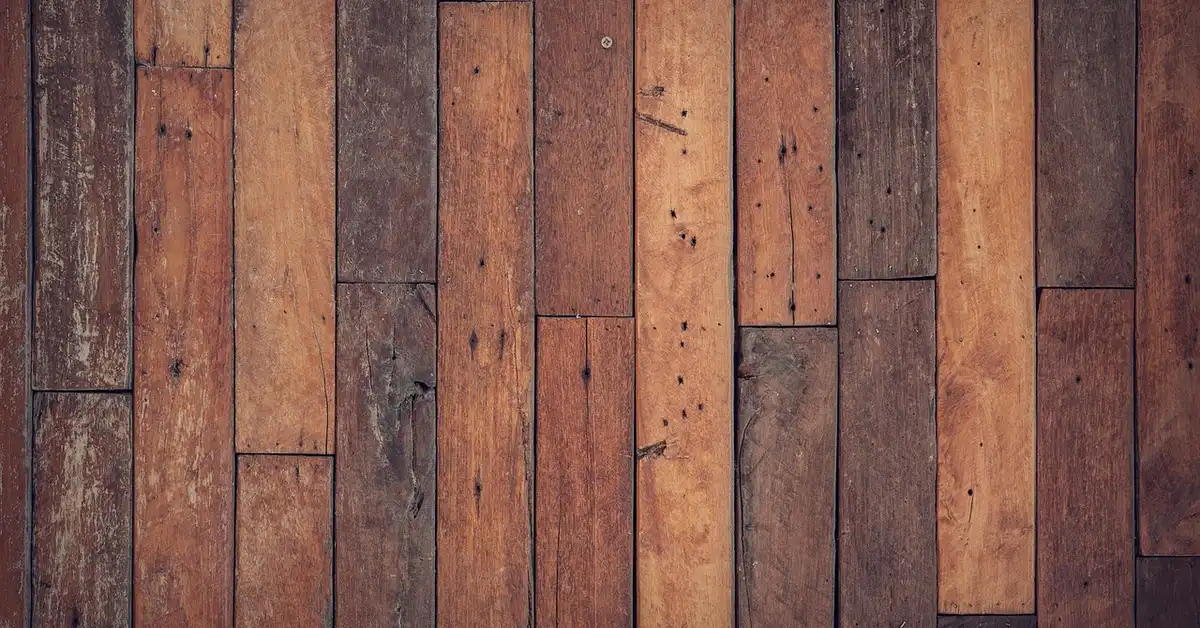
How to Check If Your Engineered Floor Can Be Refinished
- Find your floor’s model or product name (often printed on the box, or check the closet/leftover-box if you have it).
- Search the manufacturer’s spec sheet for “wear layer” or “veneer thickness.”
- If you can’t find the specs, pull up one plank in a closet or under an appliance and measure the top hardwood layer with a ruler.
- When in doubt, call a flooring pro before sanding — guessing wrong is a mistake you can’t undo.
Screening vs. Full Refinishing for Engineered Floors
If your floor is just dull rather than deeply scratched, screening (a light buff plus a fresh topcoat, no sanding into the wood) is the safer and cheaper option — and it doesn’t use up any of your limited refinishing passes. Reserve a full sand-down for deep scratches, water stains, or gray discoloration that a screen-and-recoat won’t fix.

Long-Term Value of Refinishing
Refinishing costs meaningfully less than replacement in almost every case: $3-$8/sq ft to refinish versus $6-$15+/sq ft to tear out and install new solid hardwood. A fresh refinish also adds a protective topcoat that resists scratches and stains going forward, and it’s consistently cited by real estate agents as one of the higher-ROI cosmetic upgrades before selling a home — buyers respond well to floors that look new even when the rest of the house doesn’t.
Frequently Asked Questions
Is it cheaper to refinish hardwood floors or replace them?
Refinishing is almost always cheaper. It typically runs $3-$8 per square foot, versus $6-$15+ per square foot to remove old flooring and install new solid hardwood. Refinishing makes sense whenever the existing floor’s structure is sound and the damage is cosmetic (scratches, dullness, minor stains).
How much does it cost to refinish 1,000 sq ft of hardwood floors?
Typically $2,000 to $5,000 professionally, depending on location, wood condition, and finish choice. Get quotes from a few local contractors for an accurate number — regional labor rates vary quite a bit.
How long does refinishing 1,000 square feet take?
About 3-5 days including sanding, staining, and drying time between coats. Add a day or two of buffer for unexpected repairs or humidity-related drying delays.
Can all engineered wood floors be refinished?
No — only if the wear layer is thick enough, generally 2mm or more. Thinner veneers are too risky to sand and are better served by a screen-and-recoat instead of a full refinish.
How many times can engineered floors be refinished?
Most engineered floors with a 2-4mm wear layer can be refinished 1-3 times. Premium floors with a 5-6mm veneer can sometimes handle 3 or more refinishes, approaching solid-wood territory.
Is refinishing engineered floors safe to DIY?
It’s possible but riskier than refinishing solid hardwood, since there’s very little margin before you sand through the veneer. Hiring a pro is the safer route for a full sand; a DIY screening (no deep sanding) is a lower-risk option for surface dullness.
Conclusion
Budget $3-$8 per square foot for professional hardwood refinishing ($2,000-$5,000 for a 1,000 sq ft space), and expect a lower cost if a screen-and-recoat will do the job instead of a full sand. If your floors are engineered rather than solid, check the wear-layer thickness before booking anything — 2mm or more means refinishing is realistic, thinner than that means screening is your safer and often only option.
Sponsored / affiliate links. As an Amazon Associate I earn from qualifying purchases. I may earn additional commission from eligible campaigns.