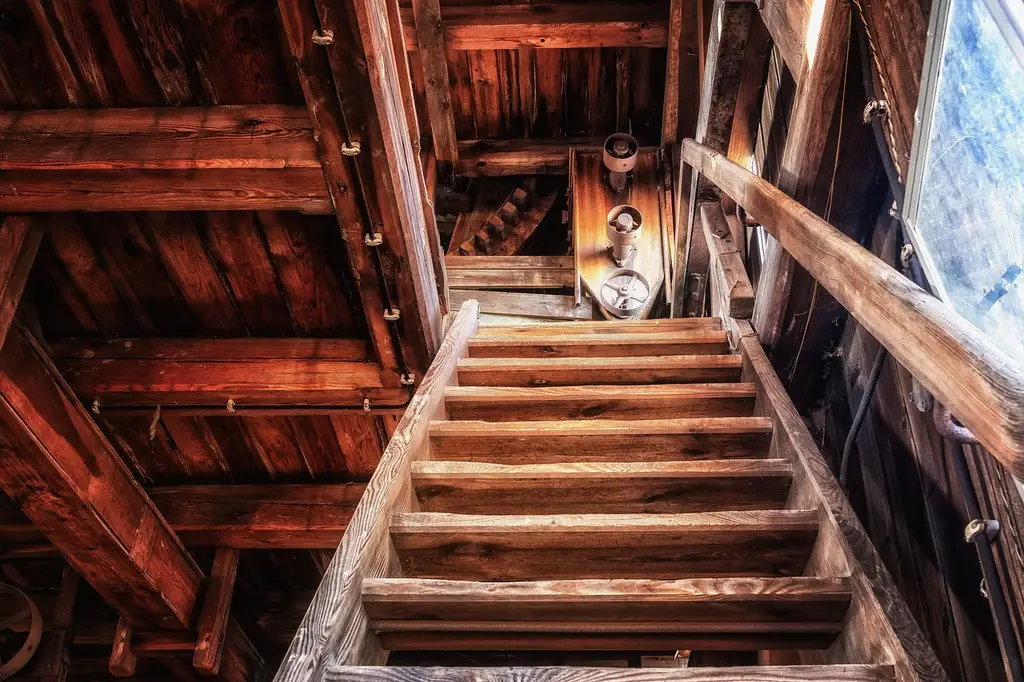
Best Woods for Statement Staircases (2026): We Compared
Choose white oak for architectural calm, walnut for dark luxury, and hickory or character-grade oak for a rustic statement with visible grain. Match the species to the finish system and traffic level, not looks alone. Pick badly, and the staircase can dent fast, read busy, or lose its premium look under wear. This guide compares the best wood species for each mood, then pairs each with durability and finish limits that keep it looking high-end.
White oak is the strongest all-around choice for a premium stair run because it balances a neutral look, strong wear performance, and better movement control than many options. Walnut works when the goal is a darker, more formal read. Hickory is the better answer when impact resistance matters more than a soft visual field.
Quick comparison
| Product | Badge | Best for | Price | ||
|---|---|---|---|---|---|
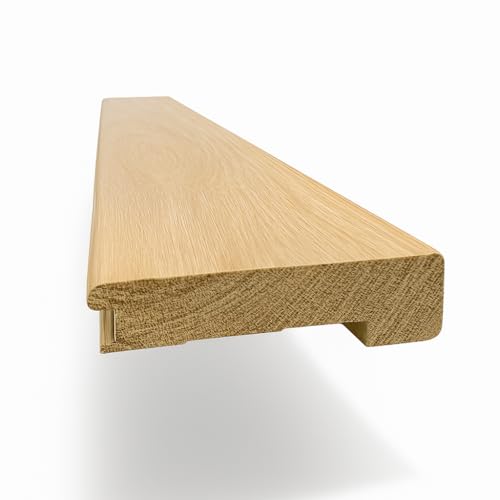 |
15-Pack of American White Oak Stair Nosing for 3/4"Summitt Forest Products | Our pick | White Oak · 15-Pack · Square Front | $347.24
Price as of 25 Oct 2026
|
View |
 |
Pack of 4, Black Walnut Lumber Boards – 3/4" x 2", BestExotic Wood Zone | Also great | Black Walnut · 4-Pack · Hardwood Lumber | $59.90
Price as of 25 Oct 2026
|
View |
The table below compares statement-worthy stair woods by visual effect, dent resistance, stain behavior, dimensional stability, maintenance risk, and finish fit. Use it to separate the species that look good in a sample from the species that still look good after years of traffic.
How we chose
This comparison centers on stair treads, which take the most wear and should prioritize hardness and stability. It also accounts for how each species behaves across risers, handrails, and stringers, because those parts read as one visual system from the main floor and the landing.
Four filters guided the selection: dent resistance, movement in humidity swings, stain consistency, and the final visual effect. For staircases, those four factors matter more than a simple hardwood-versus-softwood split.
- Hardness and dent resistance: the Janka hardness scale measures resistance to denting; higher numbers indicate harder wood for stair treads.
- Dimensional stability: resistance to warping matters in homes with seasonal humidity changes and near exterior doors.
- Finish response: stain and clear coats can make the same species read refined or messy, depending on absorption.
- Visual system: treads, risers, handrails, and stringers need to work together as one composition.
- Start with the stair mood you want: calm, luxury, rustic, or minimalist.
- Check traffic level and whether kids, pets, or frequent guests will use the stairs.
- Match the species to the finish you want, not the other way around.
- Choose a cut style that supports the design, especially for white oak.
White oak: best for architectural calm
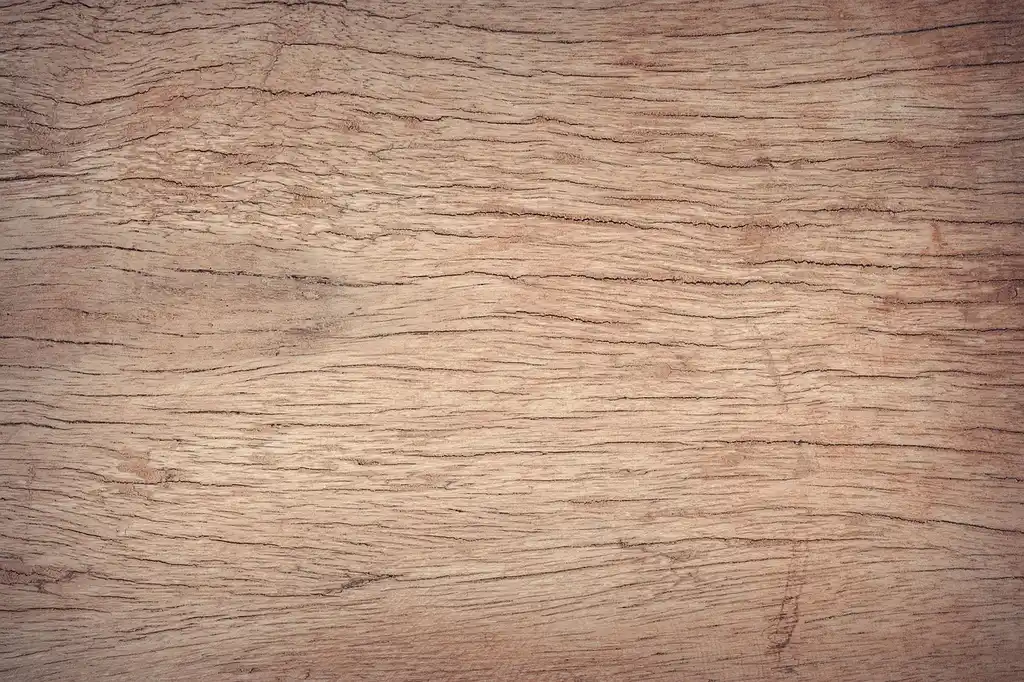
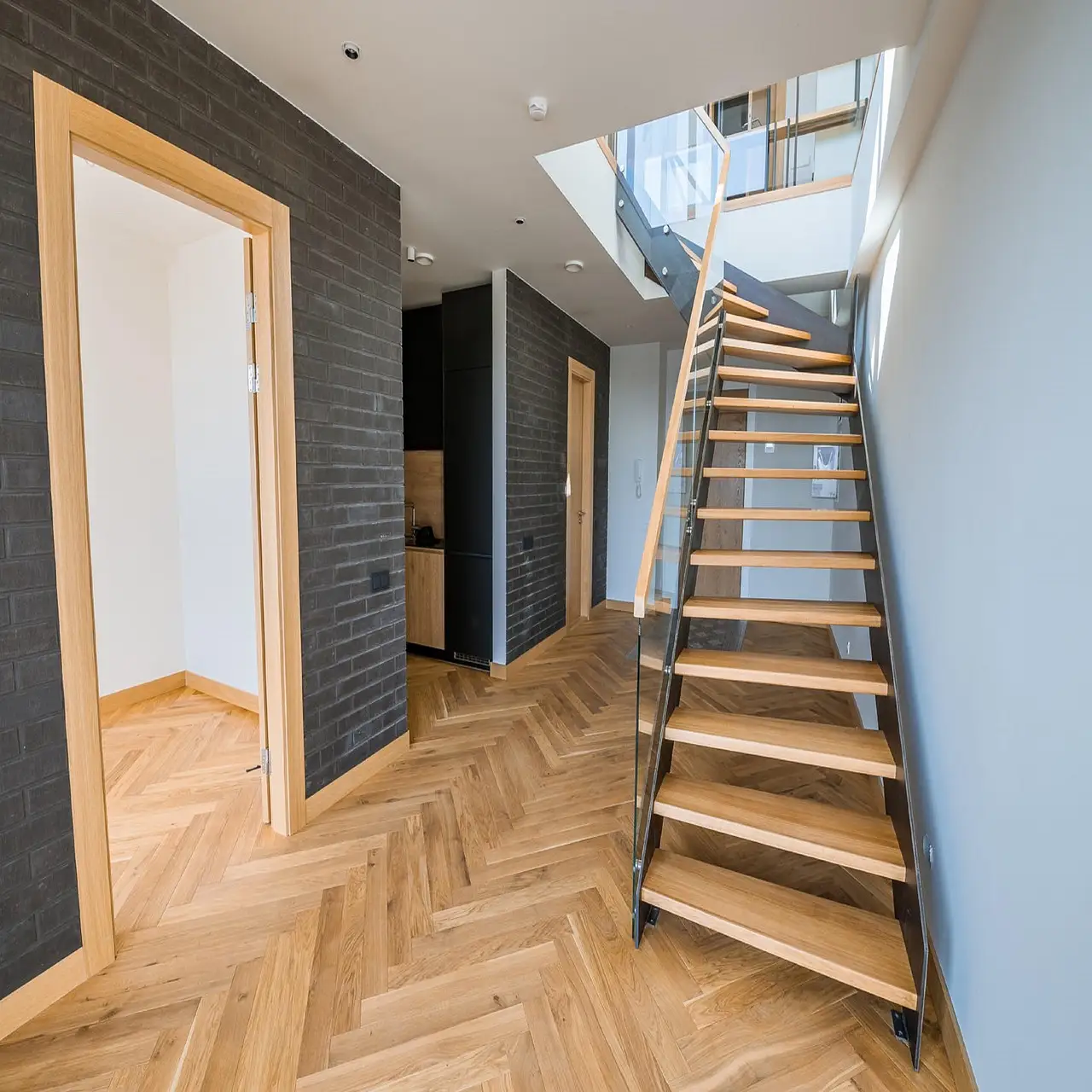
White oak is the best wide-use choice when you want a staircase that feels quiet, precise, and expensive without looking flashy. It is described as the “premier architectural choice” for stair treads, has a Janka hardness of 1,360 lbf, and is often preferred in premium staircases because of its neutral tone and high dimensional stability.
Rift-sawn or quarter-sawn white oak is the cleaner premium choice. Those cuts reduce visual movement in the grain and are recommended for higher stability, which matters when you want long tread lines, crisp nosings, and fewer seasonal surprises.
White oak also fits a natural matte finish especially well. Its neutral modern grain can read warm or cool depending on the rest of the interior, so it works in pale plaster spaces, dark metal-framed stair rails, and restrained contemporary homes.
The tradeoff is price. Standard white oak treads typically cost between $120 and $300 each, and custom three-inch-thick white oak slabs can exceed $450 per tread. That premium is often justified when the staircase is a visible focal point rather than a hidden utility run.
This unfinished white oak stair nosing is for projects that need a custom finish match, especially when the staircase is part of a larger architectural package. Based on the published product details, the unfinished surface gives you control over color, sheen, and contrast, and the cut-to-length approach can reduce waste on irregular runs.
The drawback is the same thing that makes it useful: unfinished white oak demands careful finishing. If the stain system is inconsistent, the tread line can look blotchy or too flat, so the final result depends on sanding, sealing, and color matching to the rest of the stair parts.
Hard maple: best for clean minimalism
Hard maple suits contemporary stairs that need a pale, crisp surface with little visual noise. It has a Janka hardness of 1,450 lbf, making it a very dense, scratch-resistant choice for stair treads and landings. That hardness helps when the staircase takes daily traffic and the design needs a restrained finish.
Its strength does not make finishing easier. Hard maple can be harder to stain evenly, so a dark stain or heavy tone shift can reveal uneven absorption and patchy color if the prep is poor. For that reason, maple is usually at its best with a light natural finish, a clear coat, or a very controlled stain schedule.
For a modern staircase, hard maple works best when the goal is a clean field rather than dramatic grain. It is a good fit for white walls, black balusters, floating stair forms, and interiors that need the stairs to recede visually.
Use maple when you want the toughest pale domestic look available. Use something else when you want visible movement in the grain or a stain that can swing darker without risk.
Walnut: best for dark luxury
Walnut creates the strongest dark-luxury read of the common domestic options, especially when the stair becomes a visual anchor in an otherwise light room. Black walnut measures around 1,010 lbf, so it is softer than oak and maple, and that lower hardness means finish quality and traffic level matter more.
That softer profile does not disqualify walnut. It makes walnut better for lower-impact staircases, carefully finished treads, or homes where the stair is seen more often than it is abused. The color is the attraction: deep, elegant, and naturally premium without needing a heavy stain.
This black walnut lumber fits custom stair parts where the design goal is a darker, more formal statement. Based on the manufacturer’s specs and published details, the kiln-dried stock and stable grain are useful for custom work, and the price point is lower than many finished stair components.
The drawback is its lower hardness. Walnut can show wear sooner on the leading edge of treads in heavy-use homes, so it benefits from a careful finish schedule, a sensible sheen level, and a traffic pattern that does not punish one step more than the rest.
What wood works best for a modern staircase?
White oak is usually the best modern staircase wood because it offers a neutral tone, a calm grain, and strong wear performance without looking cold. Hard maple is the other strong candidate when you want the lightest, cleanest surface possible. Ash sits between them when you want visible grain with a lighter, Scandinavian feel.
For pale interiors, white oak and ash are the best starting points. White oak gives a more architectural, premium read. Ash gives more grain movement and a brighter look, which can be useful when the staircase needs to feel lighter than the surrounding millwork.
Suppose a 14-step stair in a new-build home needs to connect a white oak floor, black steel railing, and matte paint. White oak treads with quarter-sawn grain and painted risers will usually read calmer than a stained red oak alternative, because the grain stays cleaner and the tone stays more neutral.
Ash, red oak, hickory, and pine: best for specific needs
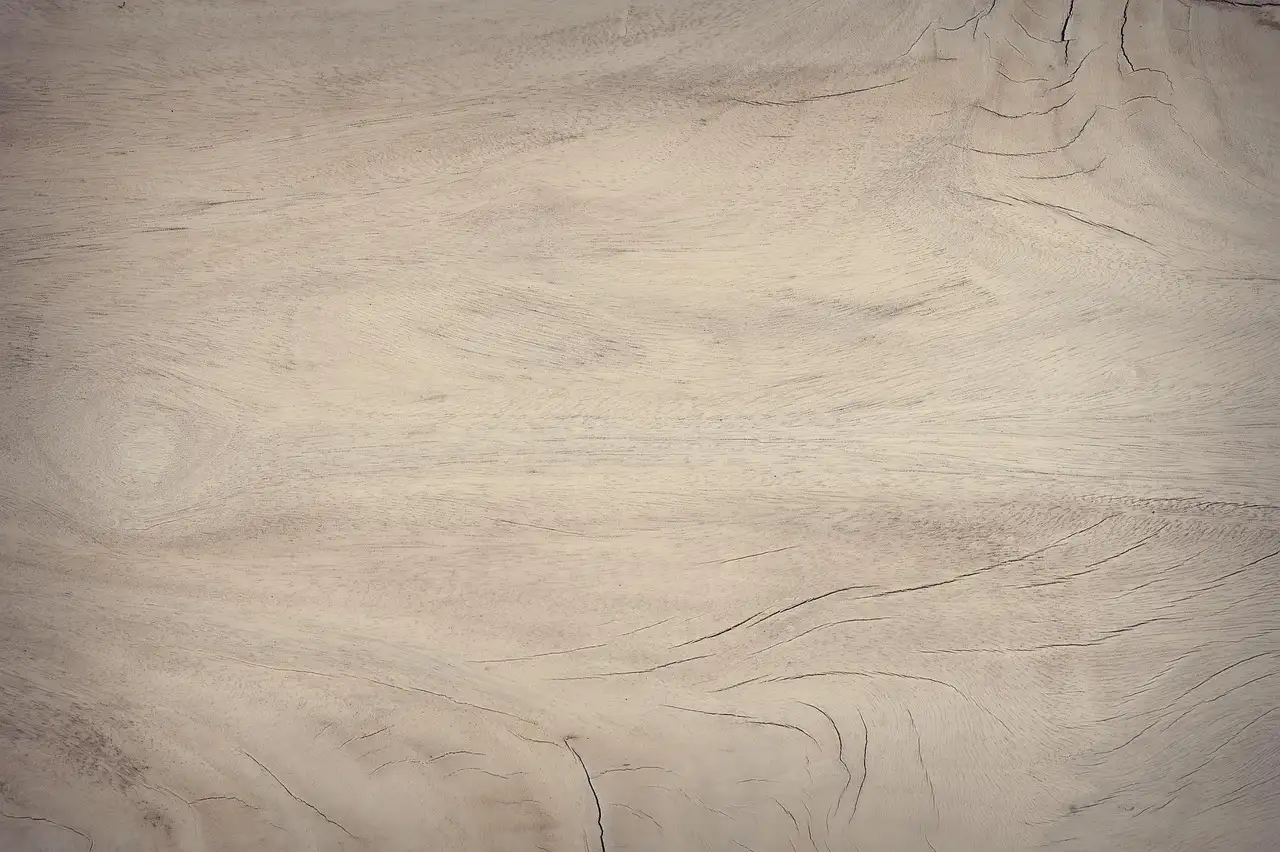
Ash has a light tone, attractive grain, and good wear resistance. It suits contemporary or Scandinavian interiors and stains and polishes well, though the final result depends on the exact finish and the quality of preparation. Use it when you want more grain than maple but less color weight than walnut.
Red oak has a Janka hardness of 1,290 lbf, warm reddish tones, and a long record as a staircase material. It takes stain well and remains a practical traditional choice when you want a familiar grain pattern and a finish that accepts medium-to-dark color more predictably than maple.
Hickory is the heavy-duty choice. It is very hard, has high-contrast grain, and offers extreme impact resistance, which makes it ideal for high-use staircases and a bold rustic look. The tradeoff is visual busyness; in a minimalist interior, its grain can dominate the space.
Pine is the budget softwood option. It is easier to work with and lower cost, but less durable than hardwoods. Eastern White Pine is listed at 380 lbf, which is a reminder that pine treads need more caution in busy homes, especially on the leading edge and stair corners.
Red oak and pine are often chosen for price and availability, but the finish plan must match the species. A stain that reads even on red oak can look blotchy on pine, and a finish that looks elegant on hickory can look too busy if the rest of the staircase is already visually loud.
| Species | Visual effect | Janka hardness | Stain behavior | Dimensional stability | Maintenance risk | Best finish |
|---|---|---|---|---|---|---|
| White oak | Neutral, architectural, premium | 1,360 lbf | Usually predictable; good for natural or medium stain | High | Low to moderate | Natural matte, clear coat, light smoke |
| Hard maple | Clean, pale, minimalist | 1,450 lbf | Can stain unevenly if prep is weak | Moderate to high | Moderate | Clear coat, pale tone, controlled stain |
| Red oak | Warm, familiar, traditional | 1,290 lbf | Takes stain well | Moderate | Moderate | Stained satin or matte |
| Walnut | Dark, formal, luxury-forward | around 1,010 lbf | Often finished clear; stain is usually unnecessary | Moderate | Moderate to higher in busy homes | Clear satin, low-sheen matte |
| Ash | Light, open grain, contemporary | 1,320 lbf | Stains and polishes well | Moderate | Moderate | Natural matte, light stain, satin |
| Hickory | Bold, rustic, high contrast | Very high domestic hardness | Can look lively under stain; grain stays prominent | Moderate | Low for dents, moderate for appearance changes | Clear coat, light stain, durable topcoat |
| Pine | Simple, casual, budget-minded | 380 lbf for Eastern White Pine | Can blotch without careful prep | Lower than hardwoods | Higher in heavy traffic | Paint, opaque finish, careful seal coat |
Here is the short version. White oak suits modern luxury and most premium staircases. Hard maple suits pale, clean interiors. Walnut fits dark, formal rooms. Red oak is the stain-ready traditional option. Hickory is the hard-use rustic pick. Pine is the budget answer when wear is not the main concern.
Which one should you buy?
If the stairs see heavy daily use, kids, or pets, white oak is the safest premium choice because it combines strong wear performance with better dimensional stability and fewer finish surprises than many alternatives. Hickory is the better choice if impact resistance matters more than a calm grain pattern.
If the staircase is mainly a design feature and you want the lowest-maintenance premium look, choose white oak with a matte or natural finish. That combination usually hides minor dust and wear better than a dark, glossy surface, and it avoids the stain-matching problems that can follow maple.
If your main goal is strong budget control, red oak gives the best balance of cost, availability, and stain response for a traditional staircase. Pine is the cheapest path, but it belongs in lower-wear areas or in builds where paint and touch-ups are part of the plan.
A common first-timer mistake is choosing walnut for a high-traffic family stair because the color looks luxurious in a sample board. On a 13-step run, the leading edge of the treads can start to show wear sooner than expected if the finish is thin or the staircase gets heavy use.
Should stair treads and risers match?
They do not have to match, and in many premium staircases they should not. Matching treads and risers creates a quieter visual field and works well with white oak, ash, or walnut when the goal is a calm, unified staircase. Contrasting them can make the stair read more graphic and tailored.
Use matching wood when the stair is meant to feel architectural and restrained. Use contrast when you want the risers to lighten the stair or make the treads read as a strong horizontal element. White risers with white oak or walnut treads are common because the contrast keeps the stair from feeling heavy.
Keep the handrails and stringers consistent with the same logic. If the treads are rift-sawn white oak, a loud, knotty stringer can break the design. If the stair uses walnut treads, a mismatched rail species can make the whole assembly look patched together instead of planned.
Picture a 10-foot staircase with walnut treads, painted risers, and oak handrails. That can work well if the oak is intentionally chosen as a bridge between the dark treads and the surrounding trim. It fails when each part is chosen in isolation and the finishes fight each other.
Frequently asked questions
What is the best wood species for a statement staircase?
White oak is the best all-purpose statement staircase wood because it balances visual calm, wear resistance, and dimensional stability. Walnut is the better choice when the statement is meant to feel darker and more luxurious. Hickory fits a stronger rustic statement where grain and impact resistance matter more than subtlety.
Is white oak better than walnut for stair treads?
For most premium staircases, yes. White oak is harder at 1,360 lbf, more stable, and usually easier to live with in busy homes. Walnut can look more dramatic, but it is softer at around 1,010 lbf, so tread edges and finish quality matter more if traffic is heavy.
What wood is most durable for interior stairs?
Among the species covered here, hickory is the toughest for impact resistance, while hard maple is also very dense at 1,450 lbf. White oak remains the best durable choice for many interior stairs because it combines strong wear performance with a more forgiving visual profile and better movement control.
Which wood species stains best for a staircase?
Red oak is the most straightforward stain-ready choice because it takes stain well and gives a familiar traditional look. Ash also stains and polishes well. Hard maple can be harder to stain evenly, so it often performs best with a clear or lightly toned finish rather than a dark stain.
What wood works best for a modern staircase design?
White oak usually wins for modern stairs because its neutral grain reads clean and architectural. Hard maple is the best second choice when you want a pale, minimalist surface. Ash works well when you want more grain activity without moving into the darker, heavier look of walnut.
What is the best budget wood for stairs?
Pine is the lowest-cost option, but it is less durable than hardwoods and needs a more careful finish plan. If the budget can stretch, red oak is often the better value because it offers stronger wear performance, easier stain response, and a more durable result for a small step up in material quality.
Sponsored / affiliate links. As an Amazon Associate I earn from qualifying purchases. I may earn additional commission from eligible campaigns.