Can Glass Be Glued: Proven Essential Guide
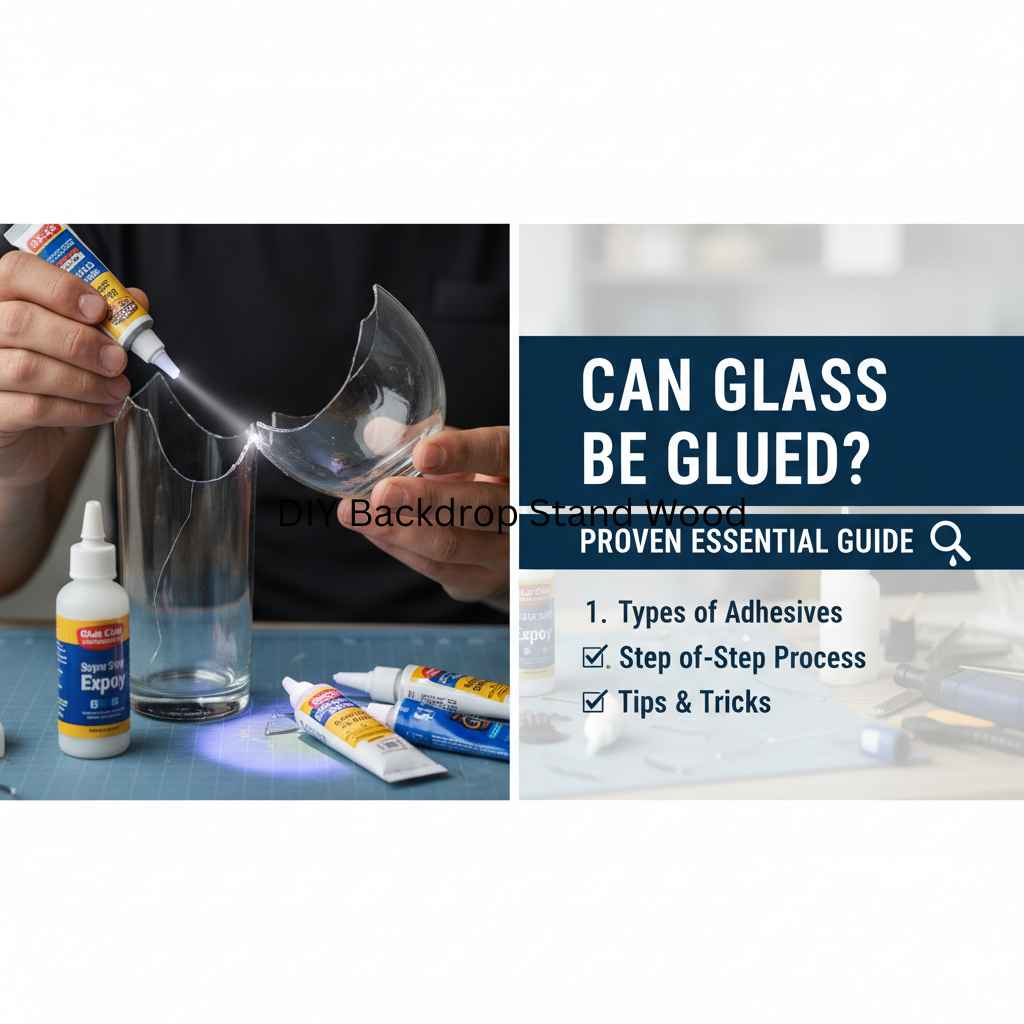
Yes, glass can definitely be glued! With the right adhesive and technique, you can reliably repair broken glass items or attach glass to other materials. This guide will show you how to choose the best glue and apply it for strong, invisible repairs, making your DIY projects achievable and durable.
Ever dropped a favorite glass vase or a beloved picture frame and thought it was lost forever? It’s a common, frustrating moment. The good news is, with the right approach, cracked or broken glass doesn’t always mean the end of the line. You can often bring those treasured items back to life, or even incorporate glass into your DIY projects, with a little help from powerful adhesives.
This guide is here to make gluing glass simple and successful, even if you’re new to DIY. We’ll walk through everything you need to know, step-by-step, so you can repair with confidence.
Why Is Gluing Glass Tricky (But Totally Doable!)
Glass is a fascinating material, but its smoothness and non-porous nature can make it a bit shy when it comes to sticking to things. Unlike wood, which has tiny pores for glue to grip, glass presents a very slick surface. This is why many common glues just slide right off.
The key to a successful glass-to-glass bond, or even glass-to-other-materials, is using an adhesive specifically designed for glass. These glues create a strong, often flexible, bond that can withstand the stresses of everyday use. They dry clear, so your repairs can be virtually invisible, preserving the beauty of your items.
Key Concepts for Gluing Glass
Before we dive into the how-to, let’s cover a few important points that make all the difference:
Surface Preparation is Crucial: For any glue to hold strong, the surfaces must be clean. This means no dust, no grease, and no old glue residue. Because glass is so smooth, even the tiniest speck of dirt can weaken the bond.
Patience is a Virtue: Glass glues often require a bit of drying or curing time. Trying to move or use the item too soon is the fastest way to undo your hard work. Always follow the manufacturer’s instructions for drying times.
Choosing the Right Glue Matters: Not all glues are created equal. Some are brilliant for glass, while others will just disappoint. We’ll explore the best options for different situations.
Safety First, Always: Even though we’re working with glue and glass, safety is paramount. Wearing gloves and eye protection is always a good idea.
Understanding Different Types of Glass Adhesives
The world of adhesives can seem a little overwhelming, but when it comes to glass, a few stand out. Each has its own strengths and is best suited for different tasks.
1. Cyanoacrylate Adhesives (Super Glue)
These are the fast-acting glues you probably have in your drawer. For glass, look for formulations specifically designed for glass or for bonding difficult surfaces.
Pros: Dries very quickly, strong initial bond, readily available.
Cons: Can be brittle once cured, may not be ideal for large repairs or areas that experience a lot of flexing, fumes can be irritating.
Best for: Small, clean breaks or chips where precise alignment is easy, quick fixes.
2. Epoxy Adhesives
Epoxy is a two-part adhesive (resin and hardener) that creates an incredibly strong and durable bond. It’s like a super-powered super glue.
Pros: Very strong, durable, water-resistant, can fill small gaps, can bond glass to metal, wood, and plastic.
Cons: Requires mixing two parts, has a longer working time (which can be good or bad), can be messy if not handled carefully, some may yellow over time.
Best for: Sturdier repairs, bonding glass to other materials, items that might be handled frequently.
3. UV (Ultraviolet) Adhesives
These glues cure only when exposed to UV light, typically from a special UV flashlight. They offer a crystal-clear, strong, and fast cure.
Pros: Extremely clear, very strong bond, fast cure time under UV light, doesn’t typically set until exposed to UV, giving you plenty of working time.
Cons: Requires a UV light source, usually only bonds glass to glass (not ideal for glass to other materials), can be more expensive.
Best for: Invisible repairs on glass-to-glass bonds where clarity is essential, decorative glass items, artistic projects.
4. Silicone Adhesives/Sealants
While often used as sealants, some silicones are also good adhesives for glass, especially when flexibility is needed.
Pros: Flexible, waterproof, good for sealing gaps, can bond glass to many surfaces.
Cons: The bond may not be as rigid or as strong as epoxy or UV glue, can take a long time to cure fully, often available in colors, so choose clear!
Best for: Applications where a flexible, waterproof bond is needed, like around aquarium glass or in bathrooms, attaching glass to frames where slight movement might occur.
5. Specialized Glass Glues
Many brands offer glues specifically marketed for glass repair or for creating decorative glass projects. These often combine features of the above types. Always check the product description to ensure it’s suitable for your specific glass type and intended use.
Pros: Formulated for glass, often clear and durable.
Cons: Performance can vary by brand.
Best for: Following product recommendations for specific glass types or projects.
How to Glue Glass: A Step-by-Step Guide
Let’s get down to business! Whether you’re fixing a cherished memento or starting a new craft, these steps will guide you through the process.
Essential Tools and Materials
Gathering your supplies beforehand makes the process much smoother, like setting up a tidy workbench!
Your Chosen Adhesive: (Super Glue for glass, Epoxy, UV Glue, or Silicone)
Gloves: To protect your hands from glue and glass shards. Nitrile gloves are a good choice.
Safety Glasses: To protect your eyes from any unexpected chips or splashes.
Rubbing Alcohol (Isopropyl Alcohol): For thorough cleaning of surfaces.
Lint-Free Cloths or Paper Towels: For applying alcohol and wiping away excess.
Masking Tape or Painter’s Tape: To hold pieces in place while the glue dries and to keep the work area clean.
Razor Blade Scraper or Craft Knife: For carefully removing excess dried glue.
Tweezers: For precise placement of small items or holding tiny pieces.
UV Light Source: (If using UV adhesive)
Mixing Surface and Tool: (If using a two-part epoxy) – A sturdy piece of cardboard or plastic and a toothpick or craft stick work well.
Step 1: Assess the Damage and Plan Your Repair
Take a close look at the broken piece.
For broken items: If a piece has broken off, try to fit it back into place like a puzzle. Ensure all edges meet cleanly.
For chips: A chip might not need a full adhesive bond, but if it’s sharp or you want to prevent further cracking, you might apply a clear sealant.
For attaching glass: Think about how the pieces will be positioned and if they need to be supported during curing.
Step 2: Clean the Glass Surfaces THOROUGHLY
This is arguably the most important step for a strong bond.
1. Remove Debris: Carefully brush or blow away any loose dust or glass fragments. If pieces are sharp, wear your gloves!
2. Wash (Optional but Recommended): For very dirty items, a gentle wash with warm, soapy water followed by a thorough rinse and air dry (or gentle pat with a lint-free cloth) can be beneficial. Ensure it’s completely dry before proceeding.
3. Degrease with Alcohol: Dampen a lint-free cloth with rubbing alcohol (90% isopropyl alcohol is best). Carefully wipe down both surfaces that will be glued. Rubbing alcohol evaporates quickly and leaves no residue, which is essential for a strong bond.
4. Let it Dry: Ensure the alcohol has fully evaporated before applying any glue.
Step 3: Apply the Adhesive
How you apply the glue depends on the type you’re using:
For Super Glue (Cyanoacrylate) for Glass:
1. Apply a thin, even layer to one of the surfaces. Too much glue will squeeze out and make a mess, and it doesn’t add strength.
2. If the break is clean, a tiny bead along the edge is often sufficient.
For Epoxy (Two-Part):
1. Follow the manufacturer’s instructions precisely regarding the mix ratio (usually 1:1).
2. Dispense equal amounts of the resin and hardener onto your mixing surface.
3. Mix them thoroughly with your tool until a uniform color and consistency are achieved. Be careful not to whip air into the mixture.
4. Apply the mixed epoxy to one of the surfaces using the mixing tool or a toothpick.
For UV Adhesive:
1. Apply a bead of the UV adhesive to one of the surfaces.
2. Bring the pieces together and align them.
3. Ensure the UV light can reach the adhesive once things are clamped or held in place.
For Silicone Adhesive:
1. Apply a bead of clear silicone to one of the surfaces. If adhering glass to another material, apply it to the non-glass side.
2. If you’re sealing a crack, a very fine bead along the crack might suffice.
Step 4: Join the Glass Pieces and Hold Them
This is where precision and patience come in.
1. Careful Alignment: Gently but firmly press the glued surfaces together. Align them as perfectly as possible. Glass glue often has limited repositioning time, especially super glue and UV glue.
2. Hold in Place:
For Super Glue/Epoxy: Use masking tape or painter’s tape to hold the pieces securely together. Apply the tape in a way that doesn’t put stress on the glued joint but keeps it from shifting. For angled breaks, you might need to prop up the item.
For UV Glue: Hold the pieces firmly in place, ensuring perfect alignment. Then, use your UV light source to cure the glue, following the light manufacturer’s directions. Once partially cured, you can often release it and finish curing with more light. You might still use tape for extra security or to hold alignment while you apply the UV light.
For Silicone: Apply tape or weights to hold the pieces in position until the silicone begins to skin over.
Step 5: Allow for Full Curing
This is the waiting game. Do not rush this step!
Check the Adhesive Packaging: Each glue has a different recommended curing time. Super glue might set in minutes, but full strength can take hours. Epoxy can take 24-72 hours for maximum strength, even if it feels hard sooner. UV glue cures in minutes under the light but continues to harden over time. Silicone can take 24 hours or more to fully cure.
Keep it Undisturbed: Resist the urge to touch, move, or use the item until the curing time is complete.
Step 6: Clean Up Any Excess Glue
Once fully cured, you’ll likely have some dried glue sticking out.
1. Carefully Scrape: Use a razor blade scraper or a sharp craft knife to carefully shave away any excess dried glue. Hold the blade at a low angle to avoid scratching the glass.
2. Rubbing Alcohol: For any stubborn residue, a bit of rubbing alcohol on a cloth can sometimes help loosen it.
Table: Adhesive Comparison for Glass Projects
Here’s a quick look at how these adhesives stack up for common glass repair and crafting needs:
| Adhesive Type | Best For | Strength | Durability | Clarity | Ease of Use | Curing Time | Bonding to Other Materials? |
| :——————— | :—————————————————- | :—————– | :——— | :—— | :———- | :———— | :————————– |
| Super Glue (Glass) | Small, precise breaks; quick fixes | Good initial | Moderate | Excellent | Very Easy | Minutes (set), Hours (full) | Limited |
| Epoxy (2-Part) | Sturdy repairs, glass to glass/other materials | Excellent | Excellent | Good | Moderate | 24-72 Hours | Yes |
| UV Adhesive | Invisible glass-to-glass bonds, decorative projects | Excellent | Excellent | Superior | Moderate | Minutes (under UV) | No (typically) |
| Silicone | Flexible, waterproof bonds; sealing | Moderate | Good | Good | Easy | 24+ Hours | Yes |
Can You Glue Stained Glass?
Yes, you absolutely can glue stained glass! Stained glass repairs often require a very strong, permanent bond that also looks good.
For cracks in a single piece of glass: UV adhesive is often preferred here because it cures crystal clear and is incredibly strong, preserving the look of the stained glass. Epoxy is also a great option, especially for repairing the lead or copper foil came that holds the pieces together if that has pulled away.
For reattaching pieces that have come loose: A strong epoxy formulated for glass or an aquarium-safe silicone can work well to secure the glass pieces to their frame or support.
Always ensure the area is clean and dry, and consider using masking tape to hold pieces gently in place while the adhesive cures for stained glass projects.
Can You Glue Different Types of Glass Together?
Generally, yes, you can glue different types of glass together, but there are nuances:
Smoothness: The key is that both surfaces are clean and smooth. Different glass types (e.g., soda-lime, borosilicate) often have similar surface properties that allow adhesives to bond well.
Thermal Expansion: This is more of a concern for extreme applications. If one piece of glass will experience significant temperature changes and the other won’t, the differing expansion rates could eventually stress the bond. For most household items, this isn’t a major issue. Adhesives like epoxy and UV glue are often quite tolerant.
Specialty Glass: Very specialized glass like optical lenses or tempered glass might have coatings or treatments that affect adhesion. Always check the adhesive’s compatibility notes if working with such materials. For typical decorative or functional glass, standard glass glues will work fine.
For dependable guidance on glass materials and their properties, you can explore resources like those provided by the National Institute of Standards and Technology (NIST), which often delves into material science.
Gluing Glass to Other Materials
This is where many DIY projects take flight! A strong adhesive can help you create beautiful combinations of glass with wood, metal, or even ceramics.
Epoxy is your best friend here. Its robust nature and ability to form a strong bond with a variety of materials make it ideal. Clean both surfaces thoroughly – the glass with alcohol and the other material according to best practices for that material (e.g., lightly sanding wood for better grip).
Silicone is excellent if you need a bond that remains flexible or is in a wet environment, like attaching glass to tile in a bathroom.
Super Glue can work for very small, lightweight attachments if the surfaces are perfectly mated and there’s no stress on the joint.
When in doubt, test your adhesive on scrap pieces of both materials first to ensure a good bond.
Common Mistakes to Avoid
Even with the best intentions, a few slip-ups can happen. Here are some common pitfalls and how to sidestep them:
Not Cleaning Properly: The biggest mistake! Always clean with alcohol.
Using Too Much Glue: It seems like more ought to be stronger, but it just makes a mess and can weaken the bond if it prevents surfaces from meeting closely.
Rushing the Cure Time: Patience is key. Move the item only after the recommended full cure.
Choosing the Wrong Glue: Using craft glue or wood glue on glass is unlikely to work. Always use a specific glass adhesive.
Not Securing Pieces: Letting pieces shift while drying is a recipe for a weak or misaligned joint.
* Touching with Bare Hands: Oils from your skin can interfere with the bond. Wear gloves!
By being aware of these, you’re already ahead of the game!
Frequently Asked Questions
Q1: Can any super glue be used on glass?
A1: Not necessarily. While some “super glues” (cyanoacrylates) work well on glass, others might be formulated for different materials. Look for a cyanoacrylate specifically labeled for glass or for bonding non-porous surfaces.
Q2: How long does it take for glass glue to dry?
A2: It varies greatly by the type of adhesive. Some super glues set in seconds and are fully cured in hours. Epoxy glues can take 24-72 hours for maximum strength, and silicones often require 24 hours or more to cure. UV adhesives cure in minutes under UV light but continue to harden over time. Always check the product packaging for specific times.
Q3: My glued glass piece broke again. What did I do wrong?
A3: Common reasons include improper cleaning of the surfaces, not allowing the glue to cure fully before use, or applying too much stress to the repaired joint before it reached maximum strength. Ensure you’ve followed all the steps, especially thorough cleaning and adequate curing time.