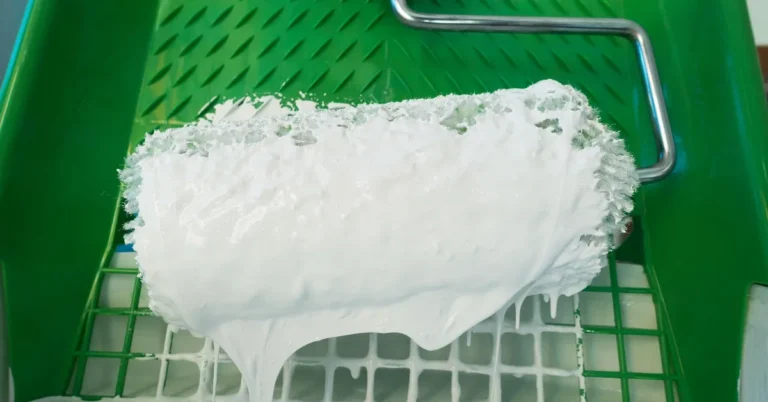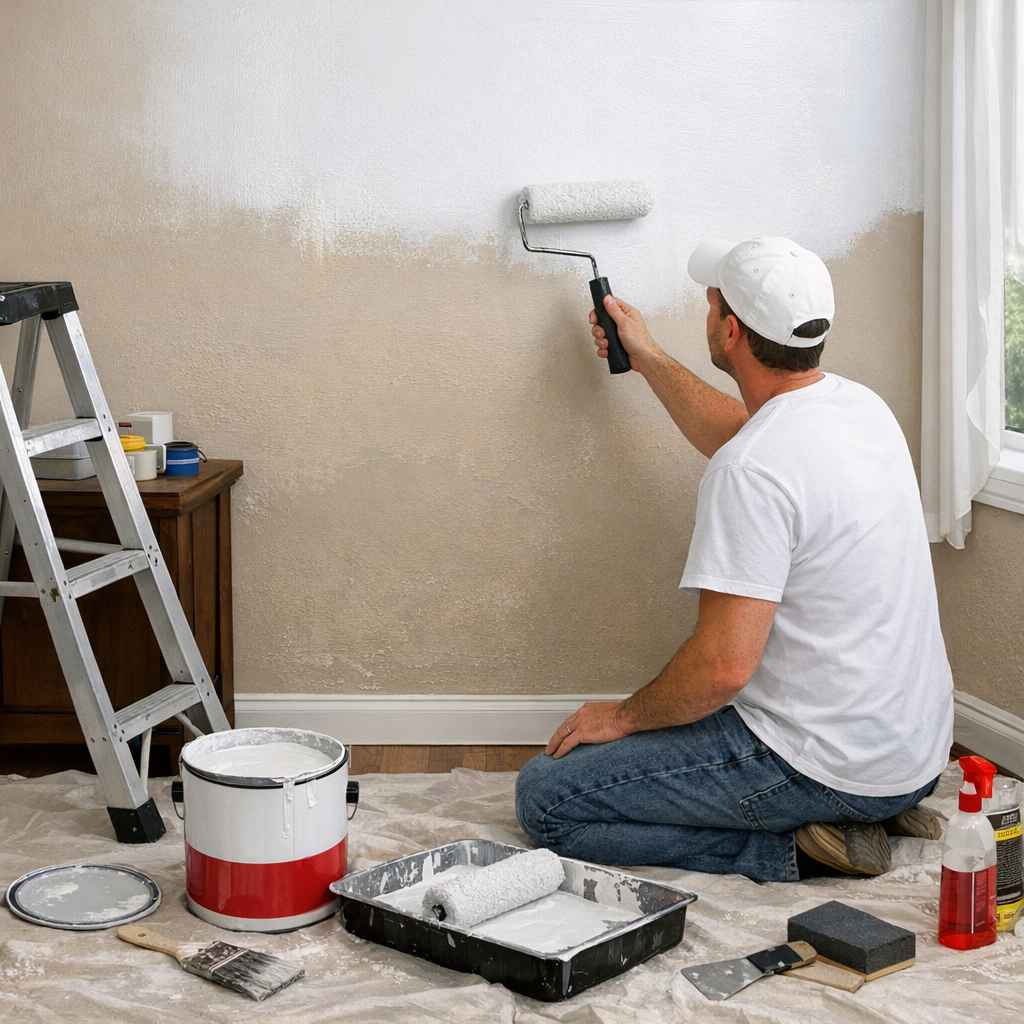
Can Kilz Be Used as Paint? Local Expert Priming Secrets
Many people wonder, Can Kilz Be Used as Paint? Local Expert Priming Secrets, and it’s a common question for DIYers starting a project. It can be tricky because Kilz is a primer, not usually a topcoat.
This can confuse beginners who want to save time. But don’t worry! We’ll break it down super simply, step-by-step, so you know exactly what to do.
Get ready to learn the easy way to handle Kilz.
Exploring Kilz as Paint Local Expert Priming Secrets
This section talks about why people ask if Kilz can be used like regular paint. We’ll look at what Kilz is designed for and why it’s great for getting surfaces ready. You’ll learn about its special features that make it different from just paint.
We’ll also cover when it might seem like paint and when it’s best to use it the way it’s intended.
What Is Kilz Exactly
Kilz is a brand that makes many types of primers. Primers are like a special base coat. Their main job is to prepare a surface before you put on your final paint color.
They help paint stick better, cover up stains, and make the final color look smoother and more even. Think of it like preparing a canvas before an artist paints a masterpiece.
There are different kinds of Kilz primers. Some are for blocking stains, like water marks or smoke damage. Others are for sealing odors or covering dark colors.
Some are even made for specific materials like wood or metal. Each type has a unique purpose to help your painting project turn out better.
- Stain Blocking: This is a primary function. Kilz primers are excellent at covering up tough stains that might bleed through regular paint. This means you won’t see those old water rings or crayon marks after you paint.
- Odor Sealing: Some Kilz products can trap strong odors, like from smoke or pets. This is a lifesaver for refreshing old rooms that smell musty or smoky.
- Surface Preparation: Kilz creates a smooth, uniform surface. This allows your topcoat of paint to adhere properly, preventing peeling and chipping later.
The Difference Between Primer and Paint
Paint is what gives your walls their color and finish. It’s designed to be the final layer you see. Paint has pigments for color, binders to hold it together, and solvents or water to make it spreadable.
It comes in many finishes like matte, eggshell, satin, or glossy.
Primer, on the other hand, is a preparatory coating. It has different ingredients. Its main goal isn’t beauty; it’s function.
It helps paint stick, covers imperfections, and evens out the surface. While some primers might have a slight color, their main purpose is to create a good foundation for your paint. Using primer can save you paint and effort in the long run by ensuring your topcoat looks great and lasts longer.
- Adhesion: Primer helps the topcoat of paint stick to surfaces that might be slick or difficult to paint on, like glossy surfaces or bare wood.
- Coverage: It can help cover dark colors or stains more effectively than a single coat of paint. This means you might need fewer coats of your final paint color.
- Surface Uniformity: Primer seals porous surfaces and fills in minor imperfections, creating a smooth canvas for your paint.
One key difference is how they are formulated. Paint focuses on color payoff and durability as a finished product. Primer focuses on bonding to the substrate and providing a uniform surface for paint.
Some primers, like certain Kilz products, have some pigment, which helps with hiding. But they lack the color intensity and variety that regular paint offers.
Can Kilz Be Used as Paint? Expert Insights
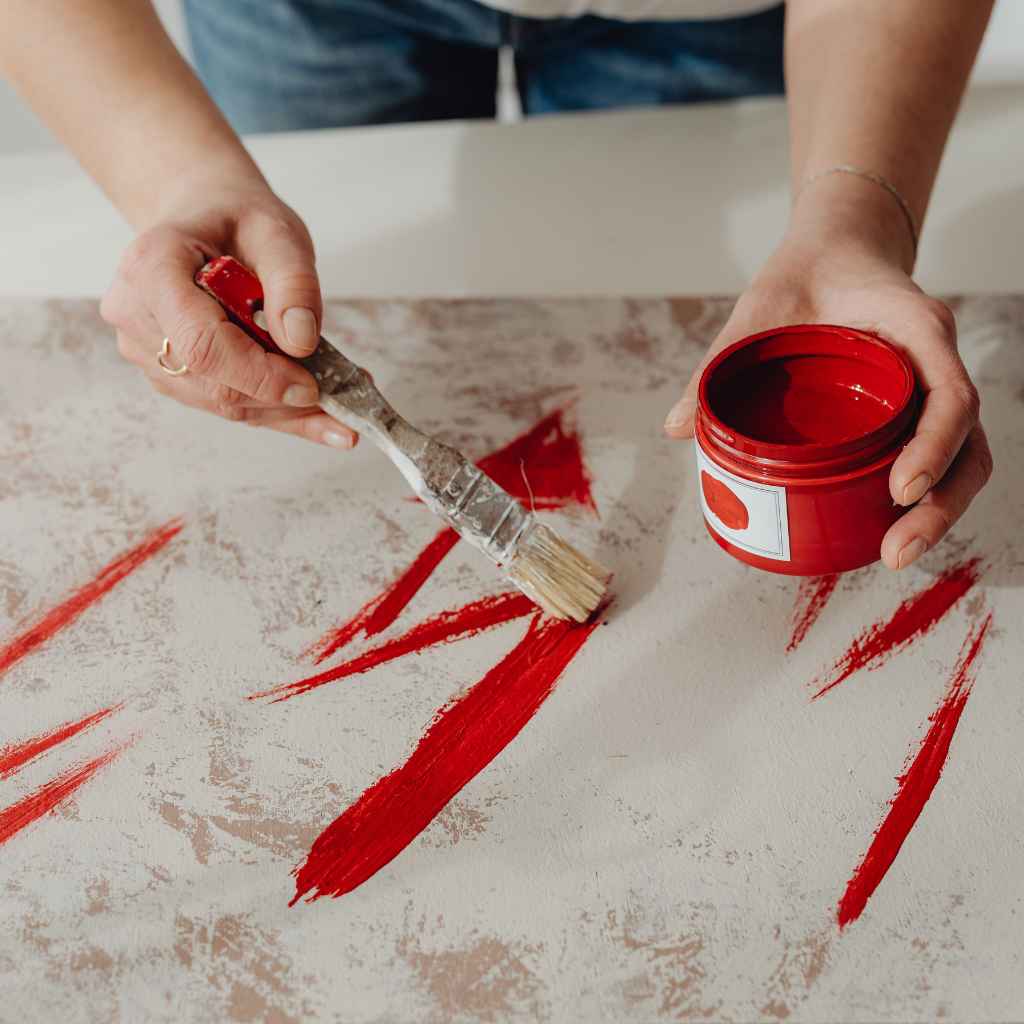
This section directly addresses the core question: Can Kilz be used as paint? We will explore the circumstances where this might be considered and the potential outcomes. You’ll hear expert opinions on why it’s generally not recommended as a primary painting solution and what happens if you try.
When People Might Think Kilz Is Paint
Sometimes, Kilz primers come in colors like white, off-white, or even light gray. Because they have color, people might think they can just use them instead of buying separate paint. If you’re painting something simple, like a closet or a basement wall that isn’t a main living area, you might consider it.
It could seem like a shortcut to get a basic color down quickly.
Also, some Kilz products are formulated to be “paint and primer in one.” However, these are usually specific paint products, not the traditional Kilz primers designed for stain blocking or sealing. It’s important to read the product label carefully to know what you’re actually using.
- Color Variety: While some Kilz primers are colored, they offer a very limited range. You won’t find the vast palette of colors available in standard interior or exterior paints.
- Sheen Options: Standard primers typically have a flat or matte finish. Most paints come in a range of sheens like eggshell, satin, or semi-gloss, which offer different levels of durability and washability.
- Durability as a Finish: Primers are not formulated to withstand the wear and tear that a finished paint job experiences. They can be more prone to scuffing and marking.
The Consequences of Using Primer as Paint
If you use a Kilz primer as your final coat of paint on a large, visible area, you might run into problems. The color might not be exactly what you want, and it probably won’t have the right sheen for a finished look. More importantly, it might not be as durable as actual paint.
For example, imagine painting your living room walls with just a white Kilz primer. It might look okay at first glance, but it won’t be as washable as an eggshell or satin paint. Spills or smudges might be harder to clean.
Over time, the surface might show scuffs and marks more easily than a properly painted wall.
Here’s a scenario:
- A homeowner wants to quickly refresh a garage. They have a can of Kilz 2 Original and decide to use it on the walls.
- The walls are now a dull white, which seems fine for a garage.
- A few months later, the homeowner leans a ladder against the wall, leaving a noticeable scuff mark that’s difficult to wipe away without damaging the surface.
- If they had used a standard interior paint with a satin finish, the scuff would likely have wiped off easily.
Expert Advice on Kilz Use
Painting professionals will tell you that while Kilz is amazing at what it does, its strength lies in preparation. It’s a foundational product. Using it as a finished coat misses out on the aesthetic and protective qualities of dedicated paint.
Think of it like using a strong building foundation as the exterior siding of a house; it’s strong but not designed for the elements or appearance.
An experienced painter, Sarah, from “Sarah’s Painting Services,” shared her view: “Kilz is a workhorse for priming. It seals, it blocks, it adheres. But it’s not meant to be the final show.
For a beautiful, long-lasting finish, you need to follow up with a quality topcoat of paint. The sheen, the color depth, the washability – that all comes from the paint.”
She added that using Kilz as paint might be a tempting shortcut, but it often leads to disappointment. “You might save a few dollars upfront, but you could end up redoing the job sooner because the finish isn’t durable enough,” Sarah explained.
Statistics show the importance of proper preparation. According to a study by the National Association of Home Builders, proper surface preparation can increase the lifespan of a paint job by up to 50%. This highlights how critical primer’s role is, not as the final look, but as the crucial first step.
Local Expert Priming Secrets for Best Results
Now that we understand what Kilz is for, let’s explore some expert secrets for using it effectively as a primer. This section will offer practical tips and tricks that local pros use to get the best out of Kilz products. You’ll learn how to apply it correctly and what surfaces benefit the most from it.
Choosing the Right Kilz Product
Kilz has many different types of primers. Knowing which one to use is key. For example, Kilz 2 Original is a good all-purpose primer.
It works on many surfaces and blocks many stains. Kilz 3 Premium is for tougher jobs, like heavy stains and odors.
If you have wood that might have tannins bleeding through (like redwood or cedar), you’d want a primer designed for that. If you are painting over wallpaper or glossy surfaces, there are specific Kilz formulas for those too. Always check the can’s label to make sure it’s right for your project.
- Kilz 2 Original: A water-based option. It’s good for blocking medium stains and covering water, rust, and nicotine stains. It also seals chalking paint and odors.
- Kilz 3 Premium: A heavier-duty oil-based primer. It’s great for blocking severe stains and odors. It also seals bleeding from wood tannins and is excellent for covering dark or vibrant colors.
- Kilz Adhesion: This is a water-based primer designed for slick surfaces like laminate, tile, and glossy paint. It promotes superior adhesion.
Application Techniques for Priming
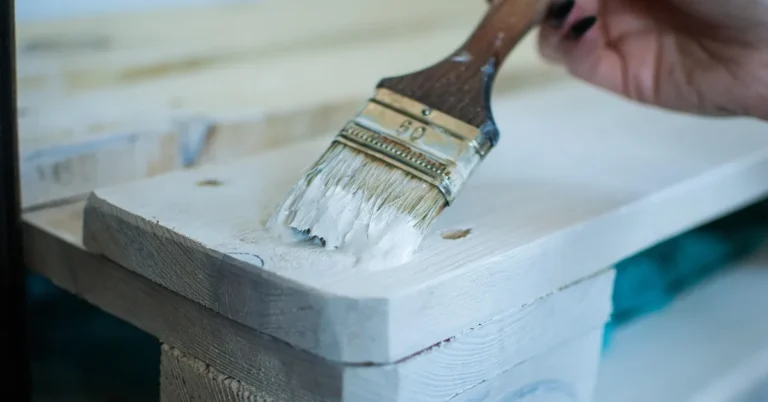
When you apply Kilz, treat it like you would any other paint, but with a focus on coverage. Use a good quality brush for edges and corners and a roller for larger areas. Make sure the surface is clean and dry before you start.
Dust and dirt can prevent the primer from sticking properly.
Apply an even coat. You don’t want to apply it too thick, as this can lead to drips and an uneven finish. If you are covering a dark color or a tough stain, you might need two thin coats of primer rather than one thick one.
Let each coat dry completely according to the product instructions before applying another or your topcoat.
A professional painter’s tip is to work in sections. This ensures you maintain a wet edge, meaning you blend the new primer into the area you just finished while it’s still wet. This prevents lap marks, which are visible lines where one section of primer ends and another begins.
For a smooth finish, this is very important.
Surfaces That Benefit Most from Kilz
Kilz primers are fantastic for a variety of surfaces. Bare wood is a prime candidate. Primer seals the wood grain and prevents resins from bleeding into your paint.
It’s also excellent for covering up old, dark colors or bright, bold statements that you don’t want to show through your new, lighter paint color.
Water-stained ceilings or walls are another area where Kilz shines. It effectively hides those unsightly yellow or brown marks, giving you a clean slate for painting. If you have smoke damage or lingering odors from pets, a good Kilz primer can trap these smells, making your room smell fresh again.
Consider these surfaces:
- Bare Drywall: Kilz seals the paper and joint compound, creating a uniform surface that absorbs paint evenly. This prevents the patched areas from looking different from the rest of the wall.
- Previously Painted Surfaces: Especially if the old paint is glossy or has imperfections, Kilz helps create a better surface for the new paint to adhere to and cover effectively.
- Wood Paneling and Trim: Kilz can seal knots in wood, preventing them from showing through paint, and it helps paint adhere to the wood’s surface.
- Masonry and Stucco: Certain Kilz primers can be used on these surfaces to seal them and prepare them for paint, helping to ensure an even finish.
One case study involved a homeowner with a kitchen that had been painted a very dark red. They wanted to repaint it a light cream color. Without primer, they would have needed at least three coats of paint, and even then, the red might have shown through in places.
After applying two coats of Kilz 3 Premium, the dark red was completely hidden. They then only needed two coats of the cream paint, saving time and paint.
Common Mistakes to Avoid
One common mistake is not cleaning the surface properly before priming. Dust, grease, or old, peeling paint can all interfere with adhesion. Another error is not letting the primer dry completely.
Rushing this step can lead to problems with the topcoat. Also, using the wrong type of Kilz for the job can cause issues. For instance, using a water-based primer over oil-based paint without proper prep could lead to peeling.
Here’s a quick checklist of what NOT to do:
- Don’t skip cleaning the surface. Wash down walls to remove dirt and grease.
- Don’t apply primer too thickly. Thin, even coats are better.
- Don’t paint over a primer that is still wet. Allow proper drying time between coats and before applying paint.
- Don’t assume all Kilz products are the same. Choose the right one for your specific surface and problem.
Another error people make is not checking the compatibility of the primer with their intended topcoat. While most water-based primers work well with water-based paints, and oil-based primers with oil-based paints, it’s always wise to check product data sheets or the manufacturer’s recommendations.
Can Kilz Be Used as Paint? The Verdict and Best Practices
This section brings everything together to give a clear answer and provide the best practices for using Kilz. We’ll summarize why it’s not a substitute for paint and reiterate its true value as a powerful primer. You’ll leave with confidence in how to use Kilz correctly for a professional-looking finish.
When is Kilz the Right Choice
Kilz is the right choice when you need to prepare a surface for painting. It’s perfect for covering stubborn stains, blocking odors, and creating a smooth, even base for your topcoat. If you’re painting over a dark color, tackling water damage, or painting new drywall, Kilz is your best friend.
It excels at providing a uniform surface that helps your actual paint colors look true and vibrant. Think of it as the essential underlayer that makes your final paint job successful. It ensures better adhesion and longer-lasting results, which is what every homeowner wants.
- Problem Surfaces: When walls have stains, water marks, smoke damage, or strong odors.
- Color Changes: To transition from dark, vibrant colors to lighter shades efficiently.
- New Drywall: To seal the paper and joint compound, preventing uneven paint absorption.
- Glossy Surfaces: To create a surface that paint can better adhere to, preventing chipping or peeling.
Why Using Paint is Better for the Finish
Actual paint is designed to be the final layer. It comes in a wide array of colors, sheens, and finishes that primers don’t offer. The durability, washability, and aesthetic appeal you get from paint are unmatched by primers.
When you want a specific look for your room, from a soft matte to a high-gloss shine, you need paint.
Paint pigments are formulated for color depth and vibrancy. Binders in paint are engineered for resilience against daily wear and tear. Primers, while strong in their function, lack these aesthetic and protective qualities as a finished product.
Therefore, for the visual appeal and long-term protection of your walls, paint is always the superior choice for the final coat.
A painter in Atlanta, Mark, notes, “I’ve seen people try to get away with just primer, especially in a utility room. But the first time they try to scrub off a smudge, they realize their mistake. Paint is made for that kind of use.
Primer is made to help paint do its job.”
Here’s a quick comparison of what paint offers that primer generally does not:
| Feature | Paint | Primer |
|---|---|---|
| Color Options | Extensive range of colors and custom matching | Limited colors, mostly white, off-white, or gray |
| Sheen Variety | Matte, eggshell, satin, semi-gloss, gloss | Typically flat or matte |
| Durability for Finish | Formulated for washability and scuff resistance | Less durable, more prone to scuffing and marking |
| Aesthetic Appeal | Provides final color, depth, and finish | A preparatory layer, not a finished look |
For instance, if you’re painting a bathroom or kitchen, you’ll want a paint with a satin or semi-gloss finish. These finishes are moisture-resistant and easy to clean, which are essential for high-humidity and high-traffic areas. A primer, even if it has some color, won’t provide this level of performance as a final coat.
Summary of Local Expert Priming Secrets
You’ve learned that Kilz is a fantastic primer, not a paint substitute. Its strength lies in preparing surfaces for a perfect finish. Choose the right Kilz product for your specific needs, clean your surfaces well, and apply evenly.
Always follow up with a quality topcoat of paint to achieve the desired color, sheen, and durability. This approach ensures your projects look great and last longer.
Frequently Asked Questions
Question: Can I use Kilz primer on wood furniture?
Answer: Yes, Kilz primers can be an excellent choice for preparing wood furniture before painting. They help seal the wood, block stains and odors, and provide a smooth surface for your topcoat to adhere to. Just ensure you choose the right type of Kilz for your specific furniture project and follow the application instructions.
Question: How long should I wait between Kilz primer coats?
Answer: Always check the specific product instructions on the Kilz can, as drying times can vary. Generally, you should allow at least 2-4 hours for water-based primers to dry before applying a second coat or your topcoat. Oil-based primers may require longer drying times.
Question: Will Kilz cover dark paint colors?
Answer: Yes, Kilz primers are very effective at covering dark paint colors. Products like Kilz 3 Premium are specifically formulated to block heavy stains and cover dark or vibrant colors, often reducing the number of topcoats of paint you’ll need.
Question: Is Kilz primer safe to use indoors?
Answer: Yes, many Kilz primers are safe to use indoors. However, it’s important to ensure good ventilation when you are applying any primer or paint. Check the product’s safety data sheet for specific ventilation recommendations and any personal protective equipment that might be needed.
Question: Can I paint over Kilz primer with any type of paint?
Answer: In most cases, yes. Kilz primers are designed to be compatible with most latex (water-based) and oil-based paints. However, it’s always best to consult the product label or the manufacturer’s website for specific compatibility recommendations to ensure the best results for your project.
Wrap Up
Kilz is not paint but a superior primer. It prepares surfaces by blocking stains and ensuring paint adhesion. Always use a quality paint as your topcoat for color and durability.
Choosing the right Kilz product and applying it correctly will give you a professional finish that lasts. Get ready to achieve beautiful results on your next project.
Sponsored / affiliate links. As an Amazon Associate I earn from qualifying purchases. I may earn additional commission from eligible campaigns.