Can Kilz Be Used Outside? Which Formula to Pick + How to Apply It
Kilz can be used outside, but only the cans labeled “Interior/Exterior.” Those include KILZ Original Interior/Exterior, KILZ 2, KILZ 3 Premium and KILZ Complete. Interior-only cans, such as KILZ Restoration, belong indoors. Even the exterior-rated ones are primers, so they need a topcoat of exterior paint to do the weatherproofing.
The mistakes that cause peeling are predictable: grabbing an interior-only can, priming bare wood that has weathered for weeks, or picking a light-duty primer for a heavy tannin stain. This guide covers which KILZ is right for which outdoor surface, the label check that takes ten seconds, and the application limits KILZ publishes. Everything product-specific below comes from KILZ product pages and data sheet listings on kilz.com, not from our own lab testing.
Which Kilz Primers Are Rated for Outdoor Use?
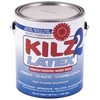 |
Best KILZ for Fences & Trim KILZ 2 Latex Water-Based Primer, 1 Gallon
|
As an Amazon Associate we earn from qualifying purchases.
KILZ sells many cans with similar labels, so check the front panel for the words “Interior | Exterior” before you buy. Based on the product pages on kilz.com, these are the lines relevant to outdoor wood:
| KILZ product | Base | Stain-blocking level (per KILZ) | Recoat time (per KILZ) |
|---|---|---|---|
| KILZ Original Interior/Exterior | Oil-based | Severe stains: tannin bleed, water, smoke, graffiti | 1 to 2 hours, depending on the VOC version of the can |
| KILZ 2 All-Purpose Interior/Exterior | Water-based latex | Light to medium stains | 1 hour |
| KILZ 3 Premium Interior/Exterior | Water-based | Medium to heavy stains; mildew resistant film | 1 hour |
| KILZ Complete Interior/Exterior | Oil-based | Graffiti, tannin, water and smoke stains | 2 hours |
Two more KILZ lines carry the Interior/Exterior label on kilz.com: KILZ Mold & Mildew and KILZ Adhesion. On the other side, KILZ Restoration is listed as an interior primer, and the KILZ Original aerosol data sheet is titled for interior use. The word “Original” on a can does not guarantee it is exterior-rated, which is the easiest mistake to make in the paint aisle. We could not confirm the exterior status of KILZ Original Low Odor from KILZ pages, so treat it as interior unless the can says otherwise.
What “Interior/Exterior” Does and Does Not Mean
The label means the primer is formulated to stick to and seal surfaces outdoors. It does not turn the primer into a finish. KILZ describes its Original Interior/Exterior primer as an undercoat for paint, and KILZ 2 and KILZ 3 Premium can be topcoated with latex or oil-based paint. That is why a primed fence left unpainted through a rainy season is a bad plan: nothing in these product descriptions promises weatherproofing for the bare primer film.
“Mildew resistant” is also narrower than it sounds. KILZ describes KILZ 3 Premium as giving a mildew resistant coating, which means the dried primer film resists growth. It does not mean the primer cleans or kills mold already on the board. Clean and dry the surface first, then prime. For choosing the topcoat itself, see our guide on what kind of paint to use on wood.
Pick the Right Kilz by Surface
| Outdoor surface | Better pick | Why |
|---|---|---|
| Bare cedar or redwood siding, trim or fence | KILZ Original Interior/Exterior or KILZ 3 Premium | Tannin bleed is a heavy stain; KILZ rates KILZ 2 for light to medium stains only. See our cedar painting guide. |
| Previously painted fence or trim, light stains | KILZ 2 | Water cleanup and a one-hour recoat make it the easy option, and KILZ lists it for exterior wood. |
| Shaded, humid or damp-prone areas (north walls, fences near sprinklers) | KILZ 3 Premium | KILZ highlights its mildew resistant film for moisture-prone areas. |
| Brick, stucco or masonry | Any of the three lines above | KILZ lists masonry, brick and stucco on the KILZ 2, KILZ 3 Premium and Original Interior/Exterior pages. |
| Galvanized metal, aluminum, vinyl | KILZ 2 or KILZ 3 Premium | Both product pages list galvanized or painted metal, aluminum and plastics among approved surfaces. |
| Old varnished or glossy wood | Sand first, then use an Interior/Exterior line | KILZ calls for “properly prepared” glossy surfaces. See our guide on painting over varnish. |
Prep: The 2 to 4 Week Rule Most Guides Skip
KILZ states in its product literature that unpainted exterior wood exposed to sun or moisture for longer than 2 to 4 weeks must be cleaned and sanded before priming. This matters because bare lumber begins to degrade on its surface within weeks, and primer applied over that weathered layer bonds to loose fibers instead of sound wood. If your new fence boards or trim have been sitting outside since last month, sand them before you open the can.
- Wash the surface with a mild detergent and water, scrub with a soft brush, rinse and let it dry fully.
- Scrape flaking paint and sand edges so old paint does not leave a ridge.
- Fill cracks and nail holes with an exterior-rated filler, let it cure, then sand smooth.
- Remove sanding dust with a damp cloth and let the surface dry again.
- Tape off glass, hardware and masonry edges.

How to Apply Kilz Outside
KILZ lists an application window of 50 to 90 °F for air, surface and product temperature on its KILZ Original Interior/Exterior and KILZ Complete data sheets. Use that as your planning range for any KILZ can, and check the can itself for the exact limits. Cooler temperatures and higher humidity lengthen dry times according to KILZ, so a damp morning is a poor time to prime.
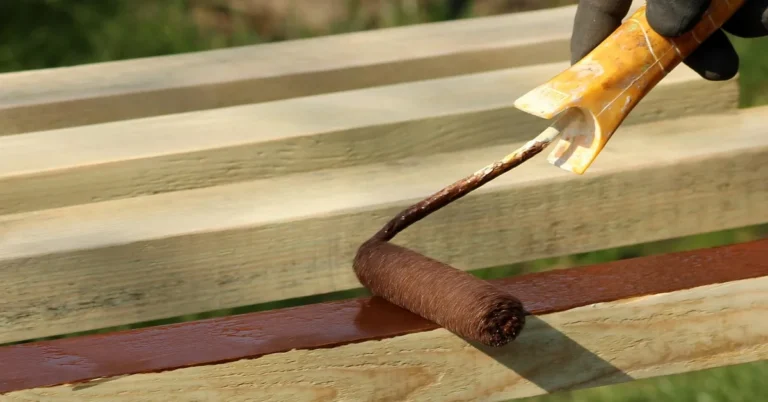
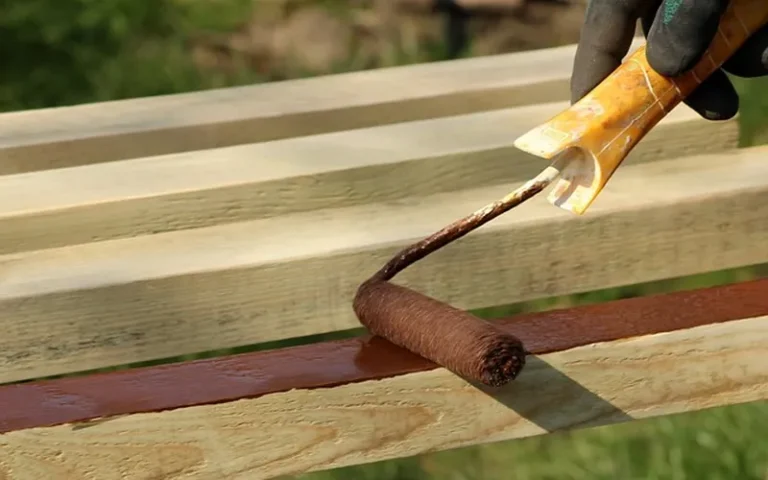
- Tools: a nylon/polyester brush for edges and a 3/8 to 1/2 inch nap roller for flat areas, which is what KILZ specifies for Original.
- Do not thin it. The Original data sheet says it is formulated for use at package consistency only.
- Coverage: KILZ lists 300 to 400 square feet per gallon for Original and KILZ 3 Premium, depending on how porous the surface is. Rough, thirsty wood sits at the low end.
- Work in thin, even coats from the top down, and brush into end grain and joints, where moisture enters first.
Drying, Recoating and Topcoating
| Product | Dry to touch | Recoat or topcoat |
|---|---|---|
| KILZ 2 and KILZ 3 Premium | 30 minutes | 1 hour, with latex or oil-based paint |
| KILZ Original Interior/Exterior (450 VOC) | 30 minutes | 1 hour |
| KILZ Original Interior/Exterior (350 VOC) | 90 minutes | 2 hours |
| KILZ Complete | Not stated in our sources | 2 hours |
KILZ quotes the KILZ 2 and KILZ Complete times at 77 °F and 50 percent relative humidity, so allow longer on a cool or humid day. Paint within a reasonable window instead of leaving the primer exposed, since the primer is the undercoat and not the final film. After that, add the finish coat and see our wood finishing guide for how primer fits into the full seal-and-paint process.
Common Mistakes to Avoid
- Using an interior-only can outside. Look for “Interior | Exterior” on the front of the can, not just the brand or the word Original.
- Priming weathered bare wood without sanding after more than 2 to 4 weeks of exposure.
- Choosing KILZ 2 for a heavy tannin stain. KILZ itself points heavy stains to KILZ Original, KILZ 3 Premium or KILZ Restoration instead.
- Treating primer as a finish. If you are tempted to skip the topcoat, read whether Kilz can be used as paint first.
- Priming damp or moldy wood. Clean it and let it dry; a mildew-resistant film is not a mold treatment.
For touch-ups years later, check our breakdown of using Kilz primer as a standalone paint. Inspect the finish each year, fix chips early, and repaint before the topcoat wears through to the primer.

Frequently Asked Questions
Can Kilz Primer Be Used Outdoors?
Yes, but only the formulas labeled Interior/Exterior, such as KILZ Original Interior/Exterior, KILZ 2, KILZ 3 Premium and KILZ Complete. Interior-only cans such as KILZ Restoration should stay indoors. Whichever you use outside, the primer needs a topcoat of exterior paint.
Is Kilz Waterproof or Just Moisture-Resistant?
Kilz primers are not waterproof. KILZ describes KILZ 3 Premium as forming a mildew resistant coating for moisture-prone areas, but protection against rain and standing water comes from the exterior topcoat applied over the primer.
Can I Use Kilz On Exterior Wood?
Yes. KILZ lists wood among the surfaces for its Interior/Exterior primers. Unpainted exterior wood that has been exposed to sun or moisture for more than 2 to 4 weeks must be cleaned and sanded before priming, and bare cedar or redwood that bleeds tannin calls for an oil-based primer or KILZ 3 Premium rather than KILZ 2.
How Long Does Kilz Last Outside?
KILZ does not publish a lifespan for the primer on its own, because it is meant to sit under a topcoat. How long the finished system lasts depends on prep, sun and moisture exposure and the exterior paint you choose, so inspect it every year and touch up chips early.
Can I Use Kilz Over Damp or Moldy Wood?
No. Wood should be dry before priming, and mold or mildew should be cleaned off first. A mildew-resistant primer film helps prevent regrowth on the coating, but it is not a substitute for cleaning and drying the surface.
Conclusion
Kilz works outside when you match the can to the job: read the Interior/Exterior label, use an oil-based KILZ Original or KILZ 3 Premium for tannin-heavy wood, KILZ 2 for light-stain fences and trim, and sand weathered bare wood first. Then finish with a real exterior topcoat, because the primer is only the foundation.
Sources: product pages and data sheet listings on kilz.com for KILZ Original Interior/Exterior, KILZ 2, KILZ 3 Premium and KILZ Complete. Always follow the label on the can you buy, since formulas and VOC versions change.
Sponsored / affiliate links. As an Amazon Associate I earn from qualifying purchases. I may earn additional commission from eligible campaigns.