Can Kilz Primer Be Used as Paint? Professional Local Guide
Many people wonder, “Can Kilz Primer Be Used as Paint? Professional Local Guide” can seem like a tricky question when you first start thinking about painting projects. It’s easy to get confused about what primer is for and what paint is for.
This guide is here to make things super simple for you. We’ll walk through it step by step so you know exactly what to do. Let’s clear up any confusion and get your painting job done right.
Kilz Primer As Paint Can You Use It Pros Cons
This section helps you understand if using Kilz Paint Primer Waterproof? Discover the Truth Here” href=”https://woodworkingadvisor.com/is-paint-primer-waterproof/” target=”_blank” rel=”noopener” data-wpil-monitor-id=”20166″>primer as a paint is a good idea. We will look at what makes primer different from paint and when you might consider this option. You will learn about the good things and the not-so-good things that can happen if you try to use primer instead of paint.
What Is Kilz Primer
Kilz is a brand name for a type of primer. Primers are special coatings that go on surfaces before you apply your final coat of paint. Their main job is to help the paint stick better.
They also cover up stains and make the surface smooth. Kilz offers many different kinds of primers, each designed for specific jobs.
Some Kilz primers are made to block tough stains like water marks or smoke damage. Others are great for sealing in odors. They create a solid base that makes your topcoat of paint look more even and vibrant.
Think of it like preparing a canvas before an artist paints a masterpiece. The primer is that essential first layer.
Kilz primers are known for their strong sealing and blocking power. This is why they are so popular for remodeling or fixing up older homes. They can handle tricky surfaces that might otherwise cause problems for regular paint.
The Difference Between Primer and Paint
Primer and paint are both liquids you put on walls, but they do different jobs. Paint gives your walls color and a finished look. It comes in many finishes like flat, satin, or gloss.
Primer, on the other hand, is all about preparation. It doesn’t have much color or any of the fancy finishes paint does.
Primer’s main role is adhesion. It creates a surface that paint can grab onto. This is especially important for surfaces that are slick, like metal, or porous, like unpainted drywall.
Without primer, paint might peel or chip off easily.
Primers also help with coverage. If you are painting a dark color over a light one, or vice-versa, primer can make it so you need fewer coats of paint. Some primers are made to cover up dark colors, stains, or even graffiti.
They have special ingredients that stop these marks from showing through the paint.
Paint has pigments for color and binders to make it stick and form a film. It also has additives for things like washability or sheen. Primer has binders and other ingredients focused on sealing and gripping, not on color or a decorative finish.
Can Kilz Primer Be Used As Paint Pros And Cons
You might be wondering if you can skip the paint and just use Kilz primer. The short answer is sometimes, but it’s usually not the best idea for a finished look.
Pros:
- Good Coverage: Some Kilz primers, especially the Kilz 2 All-Purpose or Kilz 3 Premium, can cover surfaces quite well. If you need to cover a dark color or stains quickly, they can do a decent job of hiding imperfections. This might save you a coat of paint in some cases.
- Durability: Kilz primers are made to be tough. They offer a hard, protective layer that can resist scuffs and marks better than some standard paints. This might be appealing if you need a very durable surface for a high-traffic area.
- Cost Savings (Sometimes): If you already have a can of Kilz primer and the surface doesn’t need a specific color or finish, you might think about using it as a single coat. This could save you the cost of buying paint for a very basic job.
Cons:
- Limited Color Options: Kilz primers usually come in white, gray, or sometimes a light tint. They are not meant to provide the wide range of colors and decorative finishes that paints offer. If you want a specific color for your room, primer alone won’t give it to you.
- No Decorative Finish: Paints have sheens like matte, satin, semi-gloss, and gloss. These finishes affect how light reflects and how the wall looks. Primers are typically flat and can look chalky or dull. This doesn’t give your room the finished, appealing look you want.
- Not Designed for Topcoats: While some Kilz primers can hide things well, they aren’t formulated for the wear and tear that a finished paint job endures. They might not be as washable or as resistant to fading as a good quality paint. This can lead to a less attractive appearance over time.
- Potential for Uneven Appearance: Even with good coverage, the flat finish of primer might show brush strokes or roller marks more prominently than a paint with a slight sheen. This can make the walls look unfinished or unprofessional.

When To Use Kilz Primer And When To Use Paint
Understanding the specific purpose of primer versus paint is key to a successful painting project. This section clarifies the best uses for each product so you can make informed decisions for your home.
Ideal Uses For Kilz Primer
Kilz primer shines when you need to prepare a surface for painting or when you need to solve a specific problem before applying your topcoat. Its blocking and sealing properties are its main strengths.
Covering Stains and Odors: Kilz is excellent for sealing stains from water damage, smoke, soot, or even crayon marks. If a wall has a musty smell, certain Kilz primers can lock that in so it doesn’t come through your paint. For example, after a flood or a small kitchen fire, Kilz primer is often the first step before repainting.
Sealing Porous Surfaces: New drywall, unpainted wood, or plaster can soak up paint like a sponge. Primer creates a barrier. This means your paint will go on more evenly, and you won’t need as many coats.
It also prevents the surface from absorbing paint unevenly, which can lead to a patchy look.
Improving Paint Adhesion: When painting over glossy surfaces like old varnish or laminate, paint might not stick well. Primer provides a grippy surface for the paint to adhere to. This prevents peeling and makes the paint job last much longer.
It’s crucial for projects like painting old cabinets or furniture.
Transitioning Colors: If you are painting a very dark color over a light one, or a light color over a very dark one, primer can help. It provides a neutral base, reducing the number of paint coats you need. Some Kilz primers are specifically tinted to help cover dark colors.
When Paint Is The Clear Choice
Paint is what you use when your main goal is color and a finished look. It’s the decorative layer that makes your rooms beautiful and protects your walls from daily life.
Achieving Desired Color and Sheen: This is the most obvious reason to use paint. If you want a specific color, from soft pastels to deep jewel tones, you need paint. The sheen of paint – from matte to high-gloss – also impacts the mood and light reflection in a room.
Primer typically offers only a flat, dull finish.
Durability and Washability: Paints are formulated to withstand washing, scrubbing, and general wear and tear. Quality paints often have better resistance to stains and are easier to clean without damaging the finish. Primers are not designed for this kind of direct exposure and cleaning.
Aesthetic Appeal: The rich colors and varied sheens of paint are what create the aesthetic appeal of a room. They contribute to the style and atmosphere you want to achieve. Relying solely on primer means settling for a basic, often chalky, appearance that lacks visual interest.
Protection Against Elements: For exterior painting, or even for high-moisture areas like bathrooms and kitchens, paint offers a protective barrier against moisture, mildew, and UV rays. While some primers offer some protection, the final coat of paint is the primary defense.
A Real-Life Scenario
Consider Sarah, who had a guest bedroom with a very dark, navy blue wall. She wanted to paint it a light, airy beige. She wondered if she could just use a white Kilz primer and call it a day.
She tried it on one wall. The primer covered the navy blue okay, but the wall looked flat and unfinished, almost chalky. It didn’t feel like a welcoming guest room.
She then realized that while the primer hid the color, it didn’t provide the warm, inviting finish she wanted. So, she ended up applying two coats of her chosen beige paint over the primed wall. The beige paint gave the room the color, warmth, and finished look it needed.
The primer did its job of covering the dark color efficiently, but the paint completed the transformation.
Understanding Kilz Product Lines For Your Project
Kilz offers a variety of primers, and knowing which one to choose can make a big difference in your project’s success. This part helps you pick the right Kilz product for your needs, whether you’re dealing with a tough stain or just need a good all-purpose primer.
Kilz 2 All-Purpose Primer
This is a popular, water-based primer that is good for many common painting jobs. It’s designed to work on surfaces like drywall, plaster, wood, and masonry.
Key Features:
- Versatile: It can be used indoors and outdoors on a variety of surfaces. This makes it a great choice for general home improvement projects. It adheres well to surfaces like previously painted wood, siding, and fences.
- Blocks Mild Stains: Kilz 2 can help block or hide light to medium stains, water spots, and tannins. It’s not for heavy-duty stains, but it’s good for minor issues. For instance, it can cover minor scuffs or old pencil marks.
- Seals and Primes: It creates a good surface for paint to stick to. It also helps seal chalky surfaces, making them ready for a new coat of paint. This reduces the chance of the old paint flaking off.
- Fast Drying: It dries relatively quickly, allowing you to apply your topcoat of paint in a few hours. This helps speed up your project timeline.
- Low VOC: It has low volatile organic compounds (VOCs), which means it has less odor and is better for indoor air quality.
When to Use: Use Kilz 2 when you need a good all-around primer for general interior and exterior surfaces. It’s ideal for painting over previously painted surfaces, covering minor stains, or preparing new drywall for paint. It’s a good choice if you are painting a room a lighter color from a darker one.
Kilz 3 Premium Primer
This is a heavier-duty, water-based primer that offers more powerful stain blocking and sealing capabilities than Kilz 2. It’s a good option for more challenging projects.
Key Features:
- Superior Stain Blocking: Kilz 3 is designed to block tough stains like heavy water damage, smoke, rust, and even some inks and graffiti. It’s often recommended for severe stain problems. It provides a reliable barrier against stubborn discolorations.
- Odor Sealing: It effectively seals in strong odors from smoke, pet stains, and mildew. This is crucial for rooms that have had significant odor issues. The sealing prevents these smells from returning after painting.
- Excellent Hiding Power: It provides excellent coverage, hiding dark colors and uneven surfaces very well. This can significantly reduce the number of paint coats needed. It creates a more uniform base for your final paint color.
- Durable Finish: It dries to a hard, durable finish that enhances paint adhesion and provides a good protective layer. This makes it suitable for high-traffic areas.
- Low VOC: Like Kilz 2, it is also low in VOCs, making it a safer choice for indoor use.
When to Use: Choose Kilz 3 Premium when you are dealing with significant stains, strong odors, or when you need a very robust primer for difficult surfaces. It’s a great choice for fire or water damage restoration, or when painting over dark or vivid colors. It provides a higher level of performance for demanding situations.
Other Kilz Primers
Kilz offers many other specialized primers for specific needs:
- Kilz Original Oil-Based Primer: This is a classic, powerful primer for blocking tough stains like rust, tar, and asphalt. It also seals in strong odors. It’s great for wood, drywall, and masonry but has a stronger odor that takes longer to clear and a longer drying time due to its oil-based nature.
- Kilz Adhesion Primer: This water-based primer is specifically designed to stick to tough, slick surfaces like laminate, tile, and glossy paint. It’s perfect for projects where paint might not normally adhere well, such as painting kitchen cabinets or furniture with a glossy finish.
- Kilz Restoration Primer: This high-hiding, low-VOC primer is excellent for sealing in severe stains and odors. It’s ideal for fire and smoke damage restoration and also works well for covering dark colors.
Each type of Kilz primer has its own set of advantages. Understanding these differences helps you select the best product for your specific project, ensuring better results and a longer-lasting finish. Always check the product label for the most accurate application and use instructions.
Choosing The Right Kilz Primer For Your Project
When deciding which Kilz primer to use, ask yourself a few key questions:
1. What surface am I painting? Is it drywall, wood, metal, glossy paint, or something else?
2. What is the condition of the surface? Does it have stains, odors, or is it chalky?
3. What is my goal? Am I trying to cover a dark color, block a tough stain, or just improve paint adhesion?
For example, if you are painting a living room with a few minor water spots on the ceiling, Kilz 2 All-Purpose Primer would likely be sufficient. However, if you are restoring a kitchen that has smoke damage from a fire, Kilz 3 Premium or Kilz Restoration Primer would be a much better choice due to their superior stain and odor blocking capabilities.
If you’re painting old, glossy kitchen cabinets and want to ensure the paint sticks, Kilz Adhesion Primer is the specialized product you need. For truly tough, persistent stains that water-based primers can’t handle, the Kilz Original Oil-Based Primer might be the best solution.
How To Apply Kilz Primer And Paint Effectively
Applying primer and paint correctly ensures a smooth, durable, and professional-looking finish. This section provides a step-by-step guide to help you achieve the best results, whether you are using primer as a base or a topcoat.
Surface Preparation Is Key
Before you apply any primer or paint, preparing your surface is the most important step. A clean, smooth surface will make the primer and paint adhere better and look much nicer.
Clean the Surface: Wash walls with a mild soap and water solution to remove dirt, grease, and grime. For kitchens or bathrooms, a degreaser might be necessary. Rinse thoroughly and let the surface dry completely.
Any dust or residue will prevent the primer from sticking properly. Imagine trying to stick a sticker onto a dusty surface; it won’t hold well.
Repair Imperfections: Fill any holes or cracks with spackling paste or joint compound. Let it dry, then sand it smooth. Sand down any rough patches or old paint drips.
A smooth surface is essential for a good paint job. This might involve using a putty knife and sandpaper. Ensure all repairs are flush with the surrounding wall.
Sand Glossy Surfaces: If you are painting over a glossy surface, lightly sand it with fine-grit sandpaper to create a dull, matte finish. This “etching” helps the primer or paint to grip the surface. Wipe away all the sanding dust with a damp cloth or tack cloth.
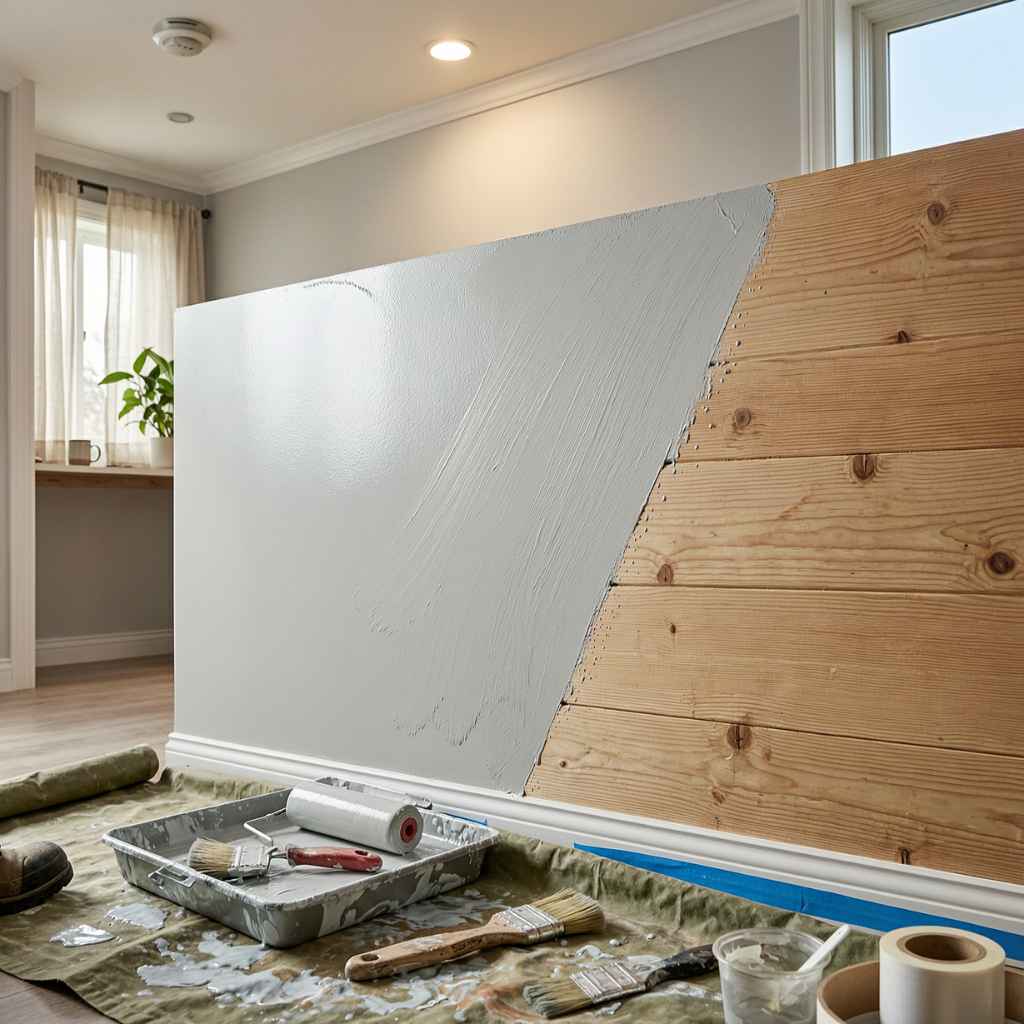
Protect Your Area: Cover floors, furniture, and trim with drop cloths or plastic sheeting. Use painter’s tape to protect edges and areas you don’t want to paint, like window frames or baseboards. This saves you a lot of cleanup time later.
Applying Kilz Primer
Once your surface is ready, you can apply the Kilz primer.
Stir the Primer: Always stir the primer thoroughly before and during use. This ensures all the ingredients are mixed evenly. If the primer has been sitting, the pigments might have settled to the bottom.
Use the Right Tools: Use a high-quality brush for cutting in edges and corners, and a roller with the appropriate nap for larger areas. A medium nap roller is usually good for most walls. For very smooth surfaces, a fine nap roller might be best.
Apply Even Coats: Apply the primer in even coats, working in sections. If you’re using a roller, use a consistent back-and-forth motion. For brushwork, use smooth, overlapping strokes.
Avoid applying it too thick, as this can lead to drips and an uneven finish. If you are using it to cover stains, make sure the entire stained area is covered.
Drying Time: Allow the primer to dry completely according to the manufacturer’s instructions before applying your topcoat of paint. Drying times can vary depending on humidity and temperature. Rushing this step can compromise the final finish.
Applying Your Topcoat Of Paint
After the primer has dried, you can apply your paint.
Stir Your Paint: Stir your paint thoroughly, just as you did with the primer. This is especially important if you are using paint that has settled or has been tinted.
Apply in Sections: Apply the paint in sections, working from top to bottom. Use your brush to cut in the edges and corners first. Then, use your roller to fill in the main areas of the wall.
Overlap your roller strokes to ensure a uniform finish and avoid lap marks.
Multiple Coats Might Be Needed: Depending on the paint color, the surface, and the number of coats applied, you might need two or more coats of paint for full coverage. Allow each coat to dry completely before applying the next. Lightly sanding between coats can create an even smoother finish.
Remove Painter’s Tape: Remove the painter’s tape while the last coat of paint is still slightly wet. Pull the tape away slowly at a 45-degree angle. If you wait until the paint is completely dry, it might peel away with the tape, leaving jagged edges.
A Case Study: Kitchen Cabinet Makeover
John wanted to update his old, dark wood kitchen cabinets. They had a glossy finish, and he wanted to paint them a crisp white. He chose Kilz Adhesion Primer because it’s made for slick surfaces.
He started by cleaning the cabinets thoroughly and then lightly sanding all the surfaces. He applied one thin, even coat of Kilz Adhesion Primer. It dried to a dull finish that felt slightly rough, perfect for paint to stick to.
After the primer dried, he applied two coats of a durable satin white paint. The result was a stunning transformation. The primer ensured the paint adhered perfectly to the glossy wood, and the cabinets now look brand new.
He avoided any peeling or chipping, which is a common problem when painting cabinets without a proper primer.
Sample Scenario: Covering Dark Walls
Imagine you have a room painted a deep, vibrant red, and you want to change it to a light cream color. Here’s how you would approach it:
- Preparation: Clean the walls, fill any holes, and protect the surrounding areas with drop cloths and tape.
- Primer Application: Apply a coat of Kilz 3 Premium Primer. This primer is excellent for hiding dark colors and provides a uniform base. Make sure to cover the entire red surface evenly.
- Drying Time: Let the Kilz 3 primer dry completely. You should see the red color significantly muted or completely hidden.
- First Coat of Paint: Apply your first coat of light cream paint. You will likely notice that the red is much easier to cover now.
- Second Coat of Paint: After the first coat of paint has dried, apply a second coat. This will likely give you the solid, even cream color you desire.
By using Kilz primer, you reduce the number of paint coats needed, saving time and money, and ensuring a more even final color. If you tried to paint the cream directly over the red, you would probably need three or even four coats of paint to achieve the same result.
Frequently Asked Questions
Question: Can I use Kilz primer as a single coat of paint if I want a white or off-white look?
Answer: While some Kilz primers offer decent coverage and can hide surfaces well, they are not designed as a finished paint. They typically have a flat, chalky finish that isn’t aesthetically pleasing or as durable as paint. For a true finished look, even if it’s white, you should apply at least one coat of actual paint over the primer.
Question: Will Kilz primer cover up water stains completely so they don’t show through my paint?
Answer: Yes, many Kilz primers, especially Kilz 3 Premium and Kilz Restoration, are specifically formulated to block water stains. However, for severe or old stains, you might need two coats of primer to ensure they are completely sealed before painting.
Question: How long should I wait for Kilz primer to dry before painting?
Answer: Drying times vary depending on the specific Kilz product and environmental conditions. Generally, most water-based Kilz primers are dry to the touch in about an hour and ready for a topcoat in 2-4 hours. Always check the product label for the most accurate drying times.
Question: Is Kilz primer safe to use indoors?
Answer: Yes, most Kilz primers are low in VOCs and safe for indoor use when used with proper ventilation. Always ensure the area is well-ventilated by opening windows or using fans. Read the product label for specific safety and ventilation recommendations.
Question: Can I paint over Kilz primer with any type of paint?
Answer: Generally, yes. Kilz primers are designed to be compatible with most latex (water-based) and oil-based paints. However, it’s always a good idea to check the primer’s product label and the paint manufacturer’s recommendations to ensure compatibility.
Final Thoughts
So, can Kilz primer be used as paint? While it can cover and seal, it’s not a substitute for real paint. Primer is for prep work, making your final paint job look better and last longer.
Use the right Kilz product for stains or surfaces, then apply your chosen paint for color and finish. Your walls will thank you.
Sponsored / affiliate links. As an Amazon Associate I earn from qualifying purchases. I may earn additional commission from eligible campaigns.