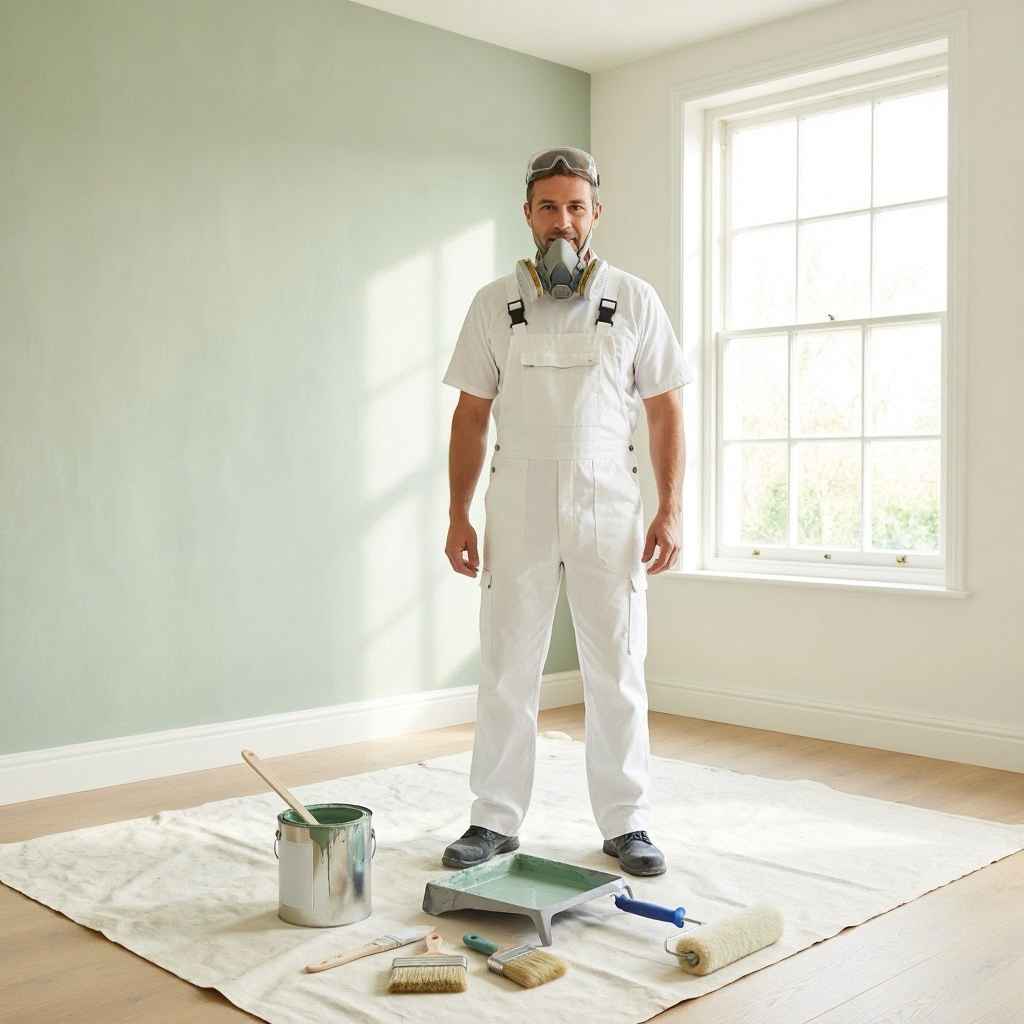
Can I Use Outdoor Paint Inside Expert Guide
Many people wonder, Can I Use Outdoor Paint Inside? Local Expert Safety Guide. This is a common question, especially for DIYers.
It seems like a good way to save money or use up leftover paint. But is it safe? The good news is, it’s not as complicated as it sounds.
We will walk you through everything you need to know to make an informed decision. This guide will make it super simple.
Can I Use Outdoor Paint Inside Safety First
This section explores the core safety concerns when considering the use of outdoor paint for indoor projects. It breaks down the reasons why using paint designed for exterior application inside your home can pose risks and offers clear, actionable advice to ensure a safe and healthy living environment. We will look at what makes outdoor paint different and why that matters for your walls and air quality.
Understanding Paint Composition
Paint is made up of several key ingredients. These include binders, pigments, solvents, and additives. Binders hold the pigment together and help the paint stick to surfaces.
Pigments give paint its color. Solvents are liquids that dissolve other components and help with application, drying, and flow. Additives are used to improve performance, like preventing mildew or adding texture.
The type and amount of these ingredients vary greatly between indoor and outdoor paints.
Outdoor paints often contain stronger solvents and more durable binders to withstand harsh weather. This durability comes at a cost to indoor air quality. They are formulated to resist UV rays, moisture, and temperature changes.
This makes them tougher, but also means they might release more volatile organic compounds, or VOCs, into the air you breathe inside your home. VOCs are chemicals that can cause health problems.
Indoor paints are made with lower VOC levels. They are designed to be safe for enclosed spaces where ventilation might be limited. They focus on aesthetics and easy cleanup rather than extreme weather resistance.
Understanding these differences is the first step in deciding if outdoor paint is a good or bad choice for your indoor project. It helps you see why caution is advised.
Volatile Organic Compounds VOCs Explained
Volatile Organic Compounds, or VOCs, are carbon-containing chemicals that have a high vapor pressure at ordinary room temperature. This means they can easily become gases or vapors and release into the air. Many common household products contain VOCs, including paints, varnishes, cleaning supplies, and air fresheners.
When you paint a room, the solvents in the paint evaporate, releasing VOCs into the air. This process is called off-gassing.
Some VOCs are harmless, but many can be harmful to human health. Short-term exposure can cause symptoms like headaches, dizziness, nausea, and irritation to the eyes, nose, and throat. Long-term exposure to certain VOCs has been linked to more serious health issues, including damage to the liver, kidneys, and central nervous system.
Some VOCs are also suspected carcinogens, meaning they can cause cancer.
The concentration of VOCs in indoor air can be much higher than outdoors, especially in poorly ventilated areas. This is why using low-VOC or zero-VOC paints for indoor projects is so important. It helps to minimize exposure to these harmful chemicals and create a healthier living environment for everyone in your home.
Always check the label for VOC content.
Choosing low-VOC or zero-VOC paints is a key factor in maintaining good indoor air quality. Look for labels that certify low emissions. This is especially important for nurseries, bedrooms, or spaces where people spend a lot of time.
It’s a small detail that makes a big difference for your well-being.
Health Risks of Indoor Paint Use
Using outdoor paint inside can expose you and your family to various health risks. The primary concern is the higher concentration of VOCs that outdoor paints typically emit. These compounds can lead to immediate discomfort and long-term health problems.
Even if the smell dissipates, the VOCs can linger in your home’s air.
Symptoms of VOC exposure can range from mild headaches and dizziness to more severe reactions like respiratory issues and allergic responses. Children, the elderly, and individuals with pre-existing respiratory conditions are particularly vulnerable to these effects. It’s crucial to prioritize the health and safety of your household when choosing any paint product.
Beyond VOCs, outdoor paints might contain mildewcides or other biocides. These are added to prevent mold and algae growth outdoors. While beneficial in a damp exterior environment, these chemicals might not be intended for indoor use and could potentially cause irritation or other adverse reactions when inhaled or touched indoors.
This is an often-overlooked aspect of the Can I Use Outdoor Paint Inside? Local Expert Safety Guide.
Proper ventilation is key when painting, but it might not be enough to completely mitigate the risks associated with outdoor paint fumes indoors. The goal is to create a safe and healthy space, and using the right products is the first step. Think about the long-term impact on your home environment.
Specific Health Concerns Detailed
Short-term health effects from inhaling VOCs from outdoor paint can include eye, nose, and throat irritation. You might also experience headaches, dizziness, or nausea. Some people develop allergic reactions, such as skin rashes or asthma-like symptoms.
These reactions can occur even with brief exposure, especially for sensitive individuals.
Long-term exposure is a more serious concern. Some VOCs are known or suspected carcinogens, meaning they can increase the risk of developing cancer over time. Other VOCs can damage the liver, kidneys, and central nervous system.
Children are especially at risk because their developing bodies are more susceptible to the toxic effects of chemicals.
Furthermore, the biocides found in some exterior paints, while effective against outdoor mold, can be irritants when used indoors. They might cause skin reactions or respiratory problems upon prolonged contact or inhalation. It’s essential to consider all potential chemical exposures when making paint choices for your living spaces.
Safety should always come first.
The cumulative effect of repeated exposure to low levels of VOCs over years can also be a concern. This is why choosing paints specifically designed for indoor use, with low or zero VOCs, is the most responsible approach for maintaining a healthy home environment. It’s a simple preventative measure.
Environmental Impact Considerations
While the focus is often on personal health, the environmental impact of paint choices is also important. Outdoor paints, with their more robust formulations, can have a larger environmental footprint. Their manufacturing processes might involve more energy-intensive steps, and their components can be less biodegradable.
When outdoor paint is used indoors, the VOCs it releases contribute to indoor air pollution. These VOCs can also escape your home and contribute to outdoor air pollution, particularly smog formation in urban areas. Even though indoor use is a different context, the chemical makeup of the paint still matters for the wider environment.
Disposing of leftover outdoor paint also presents challenges. Because of its stronger chemical composition, it may require specialized disposal methods to prevent contamination of soil and water. This is different from the more eco-friendly disposal options often available for indoor paints, which are typically formulated with less harsh chemicals.
Making informed choices about paint not only protects your health but also contributes to a healthier planet. Opting for eco-friendly indoor paints whenever possible is a responsible decision. It aligns personal well-being with environmental stewardship.
Sustainable Paint Practices
Choosing paints with low or zero VOCs is a significant step towards sustainable painting. These paints have a lesser impact on indoor air quality and the environment. Many manufacturers now offer a wide range of eco-friendly options that perform just as well as traditional paints.
Another sustainable practice is to buy only the amount of paint you need. This reduces waste. If you have leftovers, store them properly in sealed containers.
Consider donating usable leftover paint to community groups, schools, or theater departments. These organizations can often find creative uses for it.
Recycling paint cans is also important. Many municipalities offer paint can recycling programs. If you can’t recycle them, clean them thoroughly before discarding them to minimize hazardous waste.
Proper cleanup of brushes and rollers with water instead of harsh solvents also contributes to a greener approach.
When choosing finishes, consider the lifespan of the paint. A more durable, high-quality indoor paint might last longer, meaning you won’t need to repaint as often. This saves resources in the long run.
It’s a thoughtful approach to home improvement.
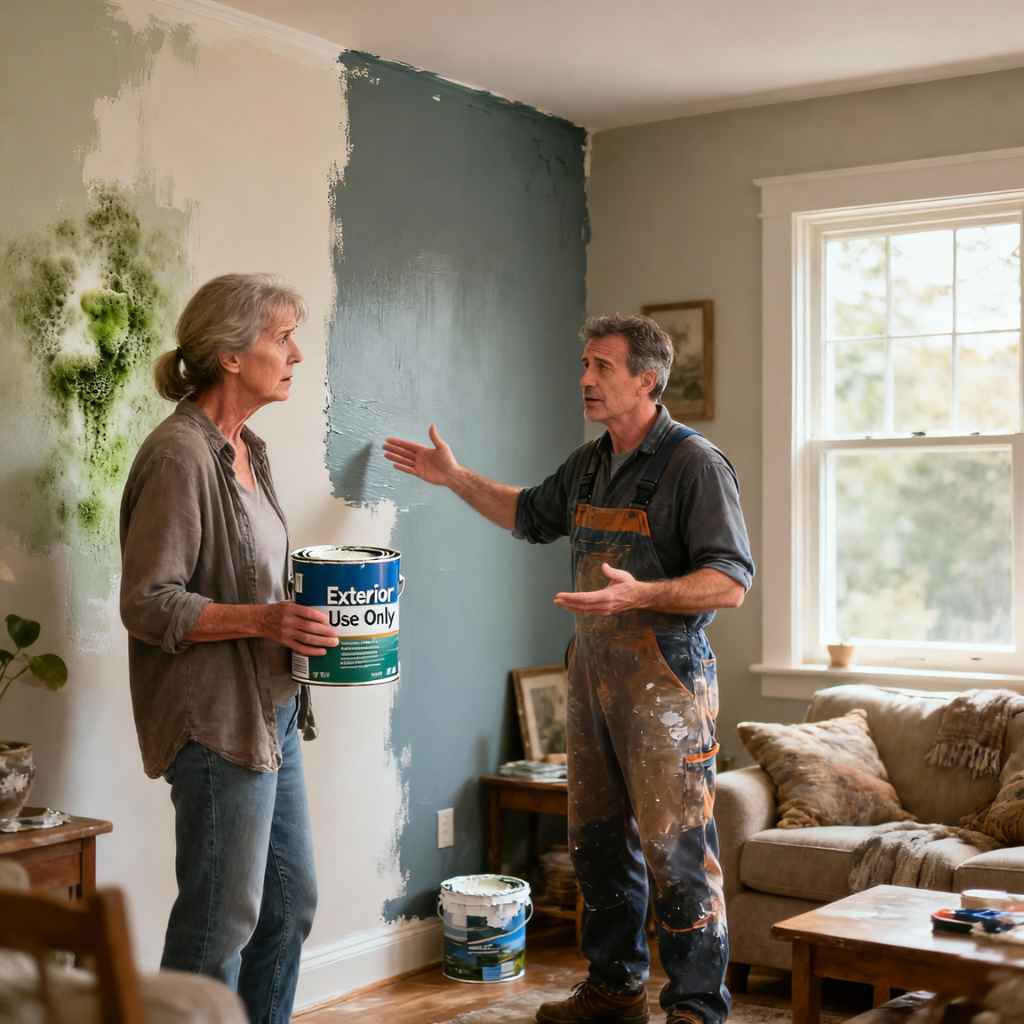
Can I Use Outdoor Paint Inside Pros and Cons
This section weighs the potential advantages against the significant disadvantages of using outdoor paint indoors. It offers a balanced perspective, helping readers understand why, in most cases, the drawbacks far outweigh any perceived benefits. We will look at why someone might consider it and then explain why it’s generally not the best idea.
Perceived Benefits of Outdoor Paint Indoors
One common reason people consider using outdoor paint inside is cost savings. If you have leftover outdoor paint from a previous project, it might seem economical to use it rather than buying new indoor paint. This can be particularly tempting for small touch-up jobs or areas that aren’t highly visible.
Another perceived benefit is durability. Outdoor paints are designed to be tough. They can resist scuffs, scratches, and stains better than some standard indoor paints.
For high-traffic areas like entryways or kids’ playrooms, some homeowners might think this extra toughness is a good thing, even if the paint isn’t meant for indoor use.
Availability can also play a role. Sometimes, people have a specific color in mind, and they might find it readily available in an exterior formulation, especially if it’s a discontinued or custom color from a previous project. This convenience factor can sometimes lead to considering indoor use.
However, it’s important to remember that these are often short-sighted advantages. The long-term consequences for health and the home environment usually make these benefits disappear quickly.
Durability Versus Safety Trade-off
The enhanced durability of outdoor paint comes from its resilient binders and protective additives. These are formulated to withstand UV radiation, moisture, and temperature fluctuations. This makes them great for siding or decks but introduces chemicals not intended for breathing inside.
While a wall painted with outdoor paint might resist a scuff better initially, the trade-off is the potential release of harmful VOCs and other chemicals. These can negatively impact your health and the air quality in your home over time. Is a slightly tougher wall worth the risk?
Indoor paints are formulated differently. They achieve durability through specific binders and finishes designed for interior conditions. They are also tested for indoor air quality standards.
They provide adequate protection for walls without compromising health.
Ultimately, the perceived durability of outdoor paint indoors is a misleading advantage. The health and safety concerns it introduces are far more significant than any minor improvement in surface resilience.
Significant Drawbacks and Risks
The most substantial drawback is the health risk associated with VOCs. Outdoor paints generally have much higher VOC content than indoor paints. These volatile compounds off-gas into your home’s air, leading to potential respiratory problems, headaches, and other health issues.
This is a critical point in the Can I Use Outdoor Paint Inside? Local Expert Safety Guide.
Another significant issue is the odor. Outdoor paints can have a strong, persistent chemical smell that may not dissipate quickly, even with ventilation. This unpleasant odor can make your home uncomfortable to live in, especially in the short to medium term after painting.
The finish might also be a problem. Outdoor paints are designed for exterior surfaces and can have a different sheen or texture compared to indoor paints. They might be too glossy or too matte for interior walls, leading to an undesirable aesthetic.
The paint might also not adhere as well to interior wall materials over time.
Furthermore, if you ever need to repaint the area with indoor paint, you might encounter adhesion problems or require extensive surface preparation to cover the outdoor paint. This can create future headaches for renovations.
Adhesion and Finish Issues
Outdoor paints are formulated to bond with materials like wood, metal, and stucco that are exposed to the elements. While they can stick to drywall, the long-term adhesion might not be as robust as with paints specifically designed for interior wall surfaces. Temperature fluctuations and humidity levels indoors are different from outdoors.
The finish of outdoor paint might also be less desirable for interior aesthetics. Exterior paints often have a higher gloss level for weather resistance, which can highlight imperfections on interior walls. Alternatively, some exterior finishes are designed for a more matte look that might not be ideal for indoor spaces where a slight sheen can make cleaning easier.
If you decide to paint over outdoor paint with indoor paint later, you may need to use a special primer to ensure proper adhesion. This adds extra steps and cost to future projects. It’s like creating a hidden problem for your future self.
The way outdoor paint ages indoors can also be unpredictable. It might yellow, chalk, or peel differently than it would outdoors, leading to an uneven and unattractive appearance over time. Indoor paints are formulated to age gracefully within controlled environments.
When Might It Be Considered (with extreme caution)
There are very rare, specific circumstances where someone might consider using outdoor paint inside, but always with significant caveats and a deep understanding of the risks. These situations are usually driven by necessity or a unique application.
One such instance might be painting a basement wall that is prone to extreme dampness or even minor water seepage. Some exterior paints offer superior moisture resistance and mildew prevention. However, even in this case, a high-quality interior moisture-resistant paint is almost always a better and safer choice.
Another fringe case could be painting a functional area like a workbench in a garage or a utility shed attached to the house where extreme durability is prioritized over aesthetics and air quality. Again, specialized coatings might be available that are safer.
It is absolutely critical to emphasize that for any living space, including bedrooms, living rooms, kitchens, or bathrooms, using outdoor paint indoors is strongly discouraged due to health and safety concerns. The potential downsides almost always outweigh any perceived benefits.
Specific Niche Applications
Consider a detached, unheated shed used purely for storage. If you want to protect the interior wood from moisture and pests and have leftover exterior paint, this might be a place where the risks are minimized due to lack of occupancy. However, it’s still not ideal.
Another scenario might be the interior of a boat or an RV that is primarily used outdoors. Here, the environmental conditions are closer to exterior applications, and durability against moisture and UV exposure is paramount. But even then, specific marine or RV paints are usually recommended.
A highly specialized artistic project, like a mural on a surface that will be exposed to some weather, might also lead someone to use exterior paint. But this is not a typical home improvement scenario. The artist would need to be aware of the VOCs involved.
In almost all typical home scenarios, there are better, safer, and more appropriate products available for indoor use. Stick to paints designed for your living spaces.
How to Safely Use Paint Indoors Expert Tips
This section provides practical, expert advice on how to safely and effectively paint the interior of your home. It emphasizes choosing the right products and employing proper techniques to ensure a healthy and beautiful finish. This is where we give you the best practices for all your indoor painting needs.
Choosing the Right Interior Paint
The most important step is selecting paint specifically formulated for interior use. Look for paints labeled “Interior” on the can. These paints are designed with indoor air quality in mind, meaning they have lower VOC content compared to exterior paints.
When choosing an interior paint, consider the sheen. Flat or matte finishes are good for low-traffic areas like ceilings and bedrooms, as they hide imperfections well. Eggshell or satin finishes offer a bit more washability and are suitable for living rooms and hallways.
Semi-gloss and high-gloss finishes are very durable and easy to clean, making them ideal for kitchens, bathrooms, and trim.
For added benefits, consider paints with specific features like mildew resistance for bathrooms or low-odor formulas. Many brands now offer “low-VOC” or “zero-VOC” options, which are excellent choices for creating a healthier home environment. Always read the paint can label carefully to understand its properties and intended use.
Think about the surface you are painting. Different paints are designed for different materials like drywall, wood, or plaster. Using the correct paint for the surface ensures better adhesion and a longer-lasting finish.
Understanding VOC Levels
VOC stands for Volatile Organic Compound. These are chemicals released into the air as paint dries. Interior paints are categorized by their VOC content:
- Zero-VOC paints contain virtually no VOCs. These are the healthiest option for indoor air quality.
- Low-VOC paints have a reduced amount of VOCs, typically less than 50 grams per liter. They are a good compromise between performance and health.
- Standard interior paints may have higher VOC levels, though still generally much lower than exterior paints. Always check the label.
The term “zero-VOC” can sometimes be misleading. A paint might be zero-VOC in its base form but develop low VOCs once colorants are added. Look for certifications from reputable organizations that test and verify low-VOC claims.
Reducing VOC exposure is crucial for everyone, but especially for children, pregnant women, and individuals with asthma or allergies. Choosing low or zero-VOC paints significantly improves the air you breathe inside your home.
When painting, even with low-VOC paints, good ventilation is still recommended to help dissipate any fumes quickly. This ensures the best possible air quality throughout the drying process and beyond.
Proper Ventilation Techniques
Good ventilation is absolutely essential when painting indoors, regardless of the type of paint used. It helps to remove paint fumes and VOCs from the air, reducing your exposure and speeding up the drying process.
The best approach is to create cross-ventilation. Open windows and doors on opposite sides of the room or house. This allows fresh air to enter and push stale air out, effectively circulating the air and carrying away fumes.
If opening windows isn’t feasible due to weather or security concerns, use fans. Place a fan facing outwards in a window to exhaust air from the room. You can also use fans to direct fresh air into the room from another part of the house.
Consider using an air purifier with a HEPA filter and activated carbon filter. These can help capture VOCs and other airborne particles, further improving air quality during and after painting.
Keep the area well-ventilated for at least 24 to 48 hours after painting, or even longer if possible. This ensures that most of the VOCs have dissipated. The longer you can keep the air circulating, the better.
Even with the best ventilation, it’s wise to limit time spent in the freshly painted room, especially for vulnerable individuals. Give the paint ample time to cure fully before occupying the space for extended periods.
Ventilation Strategies for Different Spaces
For small rooms like bathrooms or closets, opening the door and a nearby window is usually sufficient. You might also place a small fan near the window to help push air out.
In larger rooms like living rooms or bedrooms, maximizing window and door openings is key. If you have multiple windows, open them all. Using a box fan set to exhaust mode in one window can dramatically improve air exchange.
For basements or areas without windows, you’ll rely more heavily on fans to move air from the basement to other parts of the house where you can vent it outside. Portable exhaust fans designed for construction sites can be very effective.
When painting in cold weather, you might need to balance ventilation with keeping the house warm. You can open windows for short periods, several times a day, rather than leaving them open constantly. Electric heaters can help maintain temperature.
Always ensure that any fans you use are placed safely and are not a tripping hazard. Keep children and pets away from the immediate painting area and ensure they don’t come into contact with wet paint.
Preparation and Application Best Practices
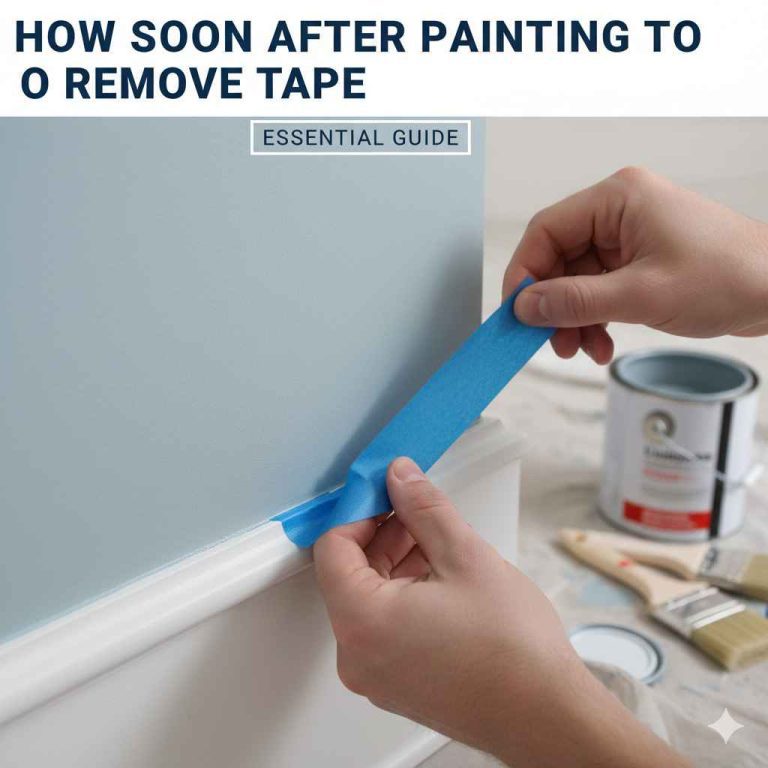
Proper preparation is just as crucial as the paint itself. Begin by clearing the room of furniture and covering anything you can’t remove with drop cloths. Use painter’s tape to protect trim, windows, and any other areas you don’t want to paint.
Clean the walls thoroughly. Remove any dirt, dust, grease, or cobwebs. For glossy surfaces, a light sanding might be necessary to help the new paint adhere properly.
Use a damp cloth to wipe away sanding dust.
If your walls have stains or are a dark color, consider using a primer. A good quality primer can help the new paint cover the old color evenly and improve adhesion, especially if you’re switching from a dark shade to a lighter one.
When applying the paint, stir it well before and during use. Use a roller for large surfaces and a brush for cutting in edges and corners. Apply paint in thin, even coats.
Two thin coats are usually better than one thick coat for a smoother finish and better durability.
Allow adequate drying time between coats as recommended by the paint manufacturer. Rushing this step can lead to peeling or an uneven finish. Clean your brushes and rollers immediately after use.
Proper application ensures that your paint job looks professional and lasts longer. It’s about taking the time to do it right from the start.
Surface Preparation Steps
The first step is to protect your belongings and floors. Use plastic sheeting or drop cloths to cover furniture and floors. Secure painter’s tape along edges of trim, windows, and doors.
Remove outlet and switch plate covers.
Next, clean the walls. A solution of mild detergent and water is usually sufficient for most dirt and grime. For greasy areas, a degreaser might be needed.
Rinse the walls thoroughly with clean water and allow them to dry completely.
Inspect the walls for any imperfections like holes or cracks. Fill these with spackling paste or joint compound. Let it dry, then sand it smooth.
Wipe away any sanding dust with a damp cloth.
If you are painting over a glossy finish, lightly sand the surface with fine-grit sandpaper. This “de-glossing” helps the new paint adhere better. Clean off all the sanding dust afterwards.
A primer might be necessary depending on the condition of your walls and the color you are using. A stain-blocking primer is useful for covering water stains or nicotine marks. A high-hiding primer can help if you are going from a dark color to a light one.
These preparation steps ensure that your paint has a clean, smooth surface to adhere to, leading to a much better and longer-lasting result.
When to Call a Professional
If you’re undertaking a large or complex painting project, or if you lack the time or confidence, hiring a professional painter is a wise decision. Professionals have the experience, tools, and knowledge to complete the job efficiently and to a high standard.
This is especially true if your walls have significant damage, like extensive water damage, mold, or peeling paint that requires specialized repair. Professionals can assess the situation and perform the necessary remediation before painting.
For very high ceilings, intricate architectural details, or if you need specialized finishes, a professional can handle these challenges safely and effectively. They also have access to premium paints and tools that might not be readily available to the average consumer.
Furthermore, if you are concerned about indoor air quality and health risks, a professional painter can advise you on the best low-VOC or zero-VOC paint options and ensure proper ventilation during the process. They understand the safety protocols required for painting in occupied spaces.
Ultimately, calling a professional saves you time, effort, and potential stress, while ensuring a beautiful and safe finish for your home. It’s an investment in quality and peace of mind.
Benefits of Professional Painting
Professional painters bring a level of expertise that is hard to match. They understand surface preparation, proper application techniques, and the nuances of different paint types and finishes.
They have access to high-quality tools, such as professional-grade sprayers, rollers, and brushes, which can lead to a smoother and more uniform finish. They also have the equipment to safely reach high areas or work on complex structures.
Professionals are efficient. They can complete a job much faster than an amateur, minimizing disruption to your household. They also manage the entire process, from setup and protection to cleanup and disposal.
Hiring a professional painter provides a guarantee of quality. Most reputable painters offer warranties on their work, giving you peace of mind. If any issues arise, they will return to fix them.
Finally, professionals are knowledgeable about safety regulations and best practices for handling paints and materials. They can ensure that the job is done not only beautifully but also safely for your home and its occupants. This is especially important when dealing with fumes and VOCs.
Can I Use Outdoor Paint Inside Final Verdict
The question of Can I Use Outdoor Paint Inside? Local Expert Safety Guide leads to a clear answer. While technically possible in extremely limited scenarios, it is overwhelmingly not recommended for typical home interiors due to significant health and safety risks.
Stick to paints designed for indoor use to protect your family and home.

Frequently Asked Questions
Question: Is it safe to paint an interior closet with outdoor paint
Answer: No, it is not recommended. Even though a closet might not be occupied for long periods, it is still an enclosed space where VOCs can build up. It is always safer to use interior-grade paint.
Question: Can I use leftover exterior house paint for a small touch-up on an interior wall
Answer: While tempting for a quick fix, it is still best to avoid it. Exterior paints release higher levels of VOCs. It’s better to buy a small can of interior paint for touch-ups to ensure air quality.
Question: What if the outdoor paint is labeled low VOC
Answer: Even low-VOC exterior paints may contain compounds not suitable for indoor air. Interior paints are specifically tested and regulated for indoor environments. It is still safer to use interior paint.
Question: Will the smell of outdoor paint indoors eventually go away
Answer: The strong smell may lessen over time, but the VOCs can remain in the air and on surfaces for much longer, potentially impacting air quality and health.
Question: What are the best alternatives to using outdoor paint inside
Answer: Always use paints specifically labeled for interior use. Look for low-VOC or zero-VOC options and choose the appropriate sheen for the room’s function.
Wrap Up
For your home’s safety, always choose interior paint for indoor projects. Outdoor paint is made for harsh conditions outside and can release harmful fumes inside. Using interior paint ensures better air quality and a healthier environment for your family.
Select the right interior paint for a beautiful, safe finish.