Will Paint Freeze in a Garage? Local Winter Storage Guide
Many people wonder, Will Paint Freeze in a Garage? Local Winter Storage Guide can seem like a puzzle when winter arrives. It’s a common question for those storing items.
Knowing how cold can affect your paint is important. Don’t worry, this guide makes it easy to learn. We’ll walk through everything step-by-step.
Paint Freeze Risks in Garages
Garages can get very cold in winter. This cold can harm many things, especially paint. Paint is mostly water.
When water freezes, it expands. This can ruin the paint. It might separate, get chunky, or just not work right when you want to use it again.
This section talks about why this happens and what you can do.
What Happens to Paint When It Freezes
Paint is made of many parts. Pigments give it color. Binders hold it all together.
Solvents, often water in latex paints, help it flow. When temperatures drop below freezing, the water in the paint can turn to ice. This ice expands.
It pushes the pigment and binder particles apart. This breaks the paint’s structure. It’s like cracking glass.
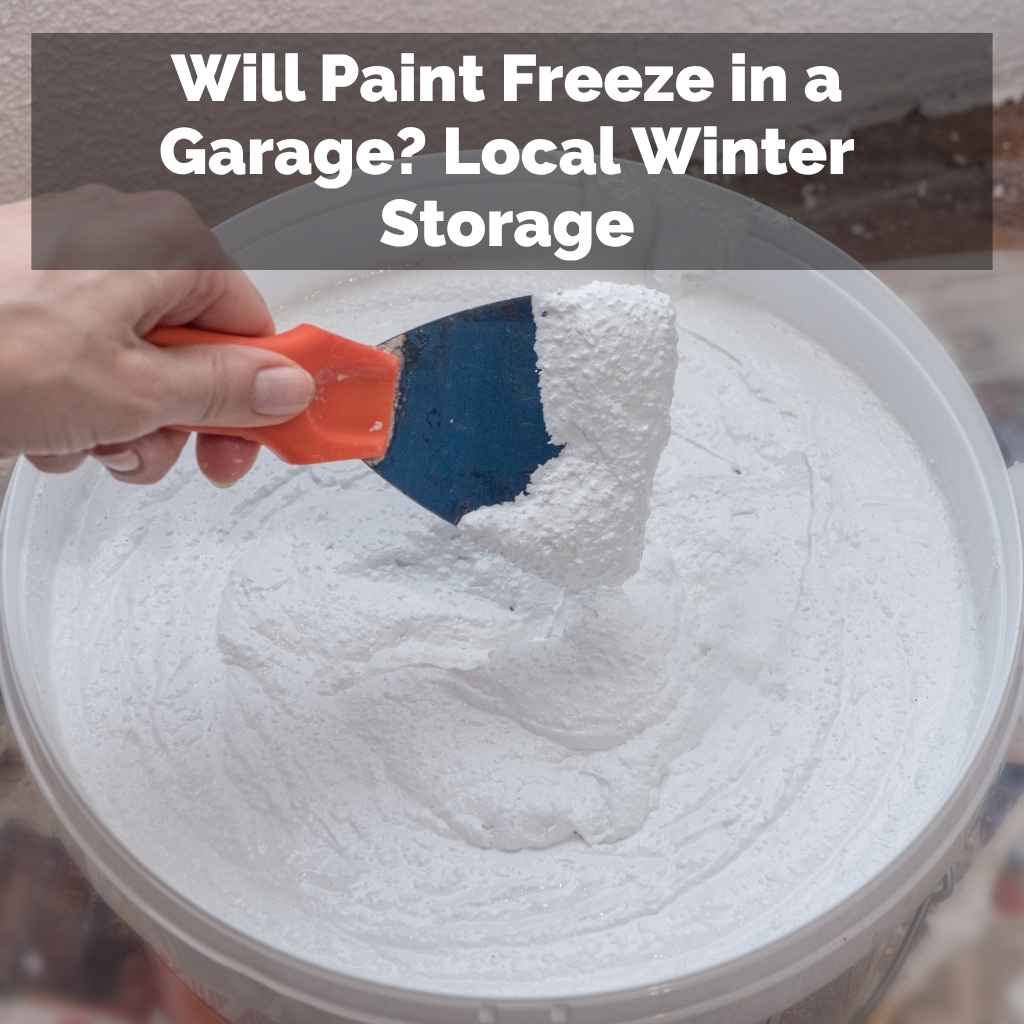
Once the water freezes and then thaws, the paint may look curdled or lumpy. You might see oily streaks. This is because the binders and pigments can no longer mix properly.
They have been permanently damaged by the ice crystals.
Some paints are more sensitive to freezing than others. Latex and water-based paints are very prone to damage. Oil-based paints are generally more resistant.
This is because they don’t have much water. However, even they can be affected by extreme cold over long periods.
Latex Paint vs. Oil-Based Paint Freezing
Latex paint, also called water-based paint, is extremely vulnerable. It relies on water as its primary solvent. When this water freezes, it expands and ruptures the paint’s emulsion.
The tiny droplets of binder, which are supposed to form a smooth film when the paint dries, are broken apart. This damage is usually irreversible.
Oil-based paints use mineral spirits or other petroleum distillates as their solvent. These liquids have much lower freezing points than water. Therefore, oil-based paints are much less likely to freeze and be damaged by typical winter garage temperatures.
However, extreme cold can still affect their consistency, though the structural damage seen in latex paints is less common.
It’s important to check the manufacturer’s label. It often states if the paint is freeze-thaw resistant. This indicates it can withstand a few freeze-thaw cycles without permanent damage.
But even these paints have limits. Prolonged exposure to deep cold is never ideal.
Signs of Damaged Frozen Paint
You can usually tell if paint has frozen by looking at it and trying to stir it. If it’s lumpy, curdled, or separated, it has likely frozen. Sometimes, you might see a gritty texture even after stirring.
The color might also look duller than usual.
Another sign is a loss of smoothness. When you try to apply it, it might go on unevenly. It could also feel chalky.
Frozen paint loses its ability to form a uniform, durable coating. The binder is no longer able to properly adhere to the surface. This leads to poor coverage and a weak finish.
If you’re unsure, try a small test patch. Paint a small area on a scrap piece of cardboard. If it applies smoothly and dries to an even finish, it might be okay.
If it looks rough, streaky, or peels easily, it’s probably ruined.
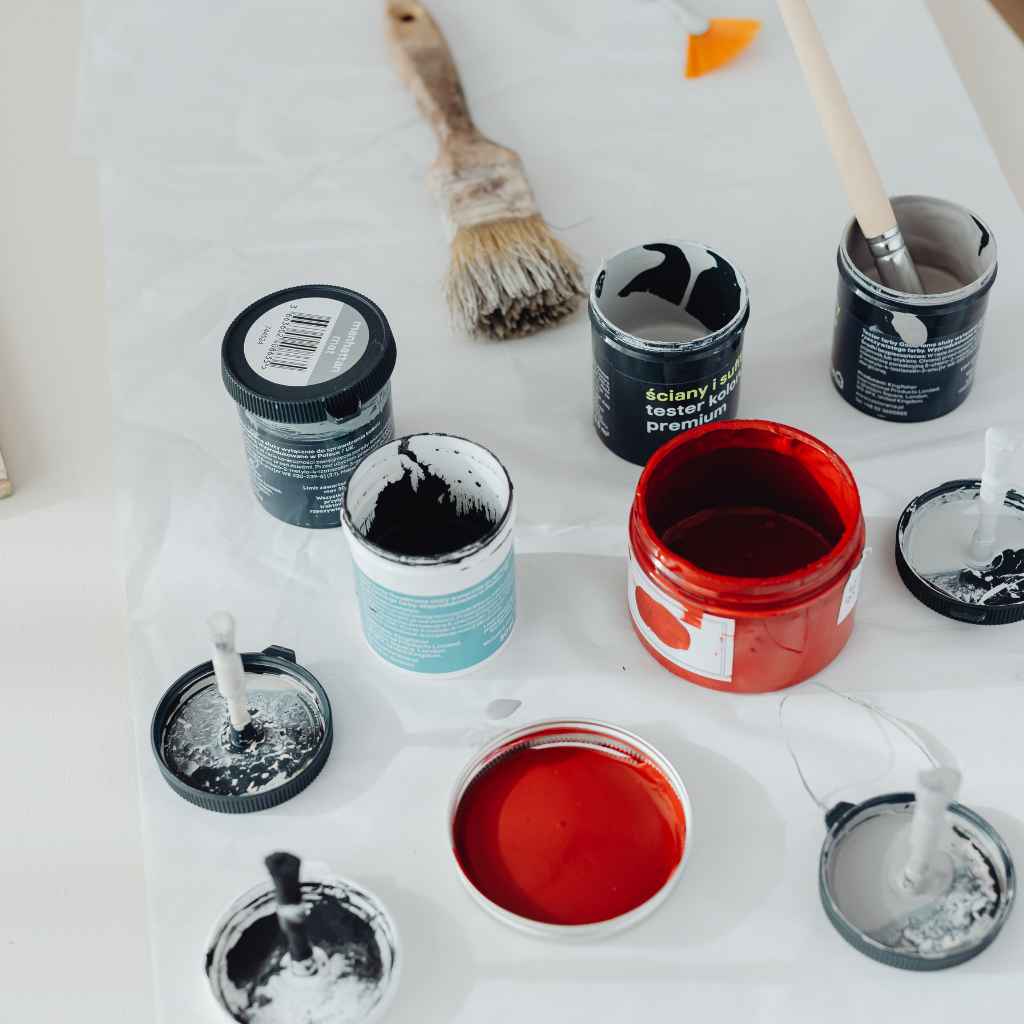
Best Practices for Storing Paint in a Garage
Keeping paint safe from freezing is key. Garages are not always the best place. But if you must store it there, take steps to protect it.
This means finding warmer spots or using insulation. We will look at the best ways to keep your paint from freezing.
Choosing the Right Location within the Garage
Not all parts of a garage are equally cold. The warmest spots are usually near the house, especially if the garage is attached. Walls that share a heated room with your house will be warmer than exterior walls.
The ceiling can also be warmer than the floor. Storing paint on shelves, especially higher up, can be better than leaving it on the concrete floor.
Avoid storing paint near the garage door. This area experiences significant temperature fluctuations every time the door is opened. The concrete floor itself can also radiate cold, especially if it’s not insulated.
If you have a workbench inside the garage, the space underneath it might offer some protection from drafts.
Consider any windows or vents in your garage. Areas far from these openings will generally be more stable in temperature. If you have a separate utility room attached to your garage, that might be a better storage location than the main garage space.
Using Insulation and Containers
You can create a warmer microclimate for your paint. Wrap cans in blankets or bubble wrap. Place them inside large plastic storage bins.
These bins act as a buffer against the cold air. You can even add insulating materials like Styrofoam to the bin.
For extra protection, store the insulated bins in the warmest part of the garage. Consider using a small electric heater designed for garages, but only if it’s safe and you can monitor it. Never leave heaters unattended.
For long-term storage, especially if you live in a very cold climate, it might be best to store paint in a climate-controlled space outside the garage.
You can also create a “paint hotel” inside the garage. This involves building a simple insulated box. Line a large wooden crate or plastic bin with thick foam insulation.
Place your paint cans inside. Seal the lid to trap the warmth. This creates a mini-environment that resists freezing.
Temperature Monitoring
To know for sure if your garage is too cold, use a thermometer. Place a simple outdoor thermometer in the garage. Check it regularly during cold spells.
If the temperature drops below 32 degrees Fahrenheit (0 degrees Celsius), your paint is at risk.
Digital thermometers can offer more features, like recording minimum and maximum temperatures. This helps you see how cold it actually gets. You can also get smart thermometers that send alerts to your phone if the temperature drops too low.
This is very useful if you can’t check the thermometer often.
Knowing the actual temperature helps you decide if your storage methods are working. It also tells you if you need to move the paint to a warmer location. This simple step can save you from ruined paint.
It’s an easy way to be proactive about protecting your supplies.
Alternative Storage Solutions for Paint
If your garage is just too cold, don’t despair. There are other places to keep your paint safe. These options might cost a little more or require a bit more effort.
But they ensure your paint stays usable for your next project.
Storing Paint Indoors
The best place to store paint is inside your house. Closets are often ideal. They are temperature-controlled and dark.
The temperature inside your home rarely drops to freezing. This is the safest bet for preventing paint damage.
If a closet is full, a basement or crawl space might also work. Basements are usually warmer than garages. Ensure the space is dry to prevent rust on metal cans.
Avoid storing paint in areas that get very hot, like near a furnace. Consistent, moderate temperatures are best.
When storing paint indoors, make sure the cans are sealed tightly. This prevents spills and keeps the paint fresh. Wipe any drips from the rim before closing the lid.
Consider placing the cans in a plastic bin even when storing them inside. This adds an extra layer of protection against accidental spills.
Using Self-Storage Units
If you don’t have space inside your home, consider a climate-controlled self-storage unit. These units maintain a steady temperature year-round. They protect your paint from freezing.
They also keep it from getting too hot. This is a great option for long-term storage.
Climate-controlled units cost more than standard units. However, the cost might be worth it to preserve valuable paint supplies. When choosing a unit, ask about the temperature range they maintain.
Ensure it stays above freezing throughout the winter months.
When using a storage unit, group your paint cans together. This helps maintain a more stable temperature for the group. You can use insulated containers for added protection.
Label the bins clearly so you can easily find your paint when you need it.
Donating or Disposing of Unwanted Paint
If you have old paint that you no longer need, consider donating it. Many community centers, schools, or theater groups accept leftover paint. Check local recycling centers or hazardous waste disposal sites.
They can guide you on proper disposal methods for paint.
Freezing can make paint unusable. If your paint has frozen and is damaged, it’s often best to dispose of it. Pouring liquid paint down the drain is harmful to the environment.
It can clog pipes and contaminate water sources. Instead, find a designated paint recycling or disposal facility.
Some communities have paint round-up events. These events make it easy to get rid of old paint responsibly. Properly disposing of or donating paint is a responsible choice.
It helps keep hazardous materials out of landfills and waterways. It also ensures that usable paint finds a good home.
How to Tell if Paint is Still Good After Freezing
So, you think your paint might have frozen. What now? Don’t toss it right away.
Sometimes, paint can be saved. You need to check it carefully. This guide shows you what to look for.
It’s all about seeing if the paint is still usable.
The Thawing Process
If paint has frozen, the first step is to let it thaw slowly. Take the can out of the freezing environment. Place it in a room that is at a moderate temperature, ideally around 60-70 degrees Fahrenheit (15-21 degrees Celsius).
Do not try to speed up thawing with heat sources like microwaves or direct heat. This can damage the paint further.
Allow the paint to reach room temperature completely. This can take 24 to 48 hours for a gallon can. Stirring it too soon will not help if the ice is still present.
Patience is important here. The goal is to let the internal structure of the paint return to its liquid state as gently as possible.
As it thaws, you might notice some separation. This is normal. The real test comes after it has fully thawed and you begin to stir it.
Observe how the paint behaves during this thawing period. Look for any unusual signs.
Stirring and Consistency Check
Once the paint is fully thawed, open the can. Use a clean stirrer or paint stick to mix it thoroughly. Start from the bottom and work your way up.
If the paint is still good, it should mix into a smooth, uniform consistency. It should not feel gritty, lumpy, or oily.
If you encounter lumps that don’t break down, or if the paint looks curdled, it has likely been damaged by freezing. A smooth, creamy texture is what you’re aiming for. The color should be consistent throughout the can after stirring.
If you see oily separation that doesn’t mix back in, it’s a bad sign.
Compare the consistency to how it looked before. Fresh paint is usually smooth. If it’s significantly different, it’s a good indicator of freeze damage.
Some minor separation is okay for older paints, but severe clumping is not.
Testing on a Scrap Surface
The ultimate test is to apply a small amount of the paint. Use a piece of cardboard, scrap wood, or drywall. Paint a small section.
Let it dry completely. Observe how it applies and how the dried finish looks. Good paint will go on smoothly.
It will create an even color. The finish should be uniform.
If the paint applies unevenly, streaky, or chalky, it’s probably not good. If it peels or flakes easily after drying, it’s definitely ruined. Frozen paint loses its ability to bind properly.
This means it won’t adhere well or form a durable coating.
Look for any signs of cracking or a powdery residue after it dries. These are clear signs of freeze damage. If the test patch looks good, you might be able to use the paint for a less critical project.
For important jobs, it’s best to buy fresh paint.
| Paint Type | Freeze Vulnerability | Signs of Damage | Likelihood of Salvage |
|---|---|---|---|
| Latex/Water-Based | Very High | Lumpy, curdled, gritty, oily separation, poor adhesion | Low (often irreversible) |
| Oil-Based | Low to Moderate | Thickened consistency, possible separation (less common) | Medium to High (if not severely frozen) |
Will Paint Freeze in a Garage? Local Winter Storage Guide Summary
Understanding Will Paint Freeze in a Garage? Local Winter Storage Guide is crucial for protecting your supplies. Your paint can freeze in a cold garage, especially water-based types.
Damage happens when water expands into ice. This breaks down the paint’s structure. Check for lumps, grittiness, or oily separation after thawing.
Storing paint indoors or in a climate-controlled unit is safest. Simple steps can save your paint from winter’s chill.

Frequently Asked Questions
Question: Can I store spray paint cans in my garage?
Answer: Spray paint cans can also be affected by freezing. The propellant inside might not work correctly in extreme cold. It’s best to store them indoors or in a warmer part of the garage, insulated from the coldest temperatures.
Question: What if my paint has frozen and looks okay? Can I still use it?
Answer: Even if paint looks okay after thawing, its performance might be compromised. It’s best to test it on a scrap surface first. For important projects, consider buying new paint to ensure a good finish.
Question: How long does paint last if stored properly?
Answer: Unopened, properly stored paint can last for several years. Factors like storage temperature and how well the lid is sealed affect its lifespan. Ideal storage is in a cool, dry place indoors.
Question: Is it safe to paint when it’s cold outside?
Answer: Painting in very cold temperatures is generally not recommended, even with paint that is freeze-thaw resistant. The paint needs to cure properly, and extreme cold can prevent this, leading to a poor finish and reduced durability.
Question: Should I store paint cans upside down?
Answer: Storing paint cans upside down can help create a better seal, preventing air from entering and drying out the paint. However, ensure the lid is on tightly first, and be prepared for some paint to drip when you open it.
Sponsored / affiliate links. As an Amazon Associate I earn from qualifying purchases. I may earn additional commission from eligible campaigns.