Cost to Replace a Rotted Wood Post vs Repair It
Repairing a rotted wood post often costs about $300 to $1,500 if only the damaged section can be sistered or patched, while full replacement commonly runs about $1,000 to $4,500+ per post when jacking, temporary support, and finish work are included. Prices vary with local labor rates, access, and how much hidden damage has to be opened up. If rot has reached the fibers that carry load, a cheap repair can fail and lead to sagging, settlement, or water-damaged framing. This guide compares cosmetic repair, structural repair, and full replacement so you can judge whether two quotes are really offering the same scope.
| Decision factor | Cost to Replace a Rotted Wood Post | Repair It | Winner |
|---|---|---|---|
| Typical scope | Remove the damaged post, shore the load, install a matching new post, then check adjacent framing and connections. | Remove only loose rot, consolidate or fill sound remaining wood, and patch the affected area. | Repair It |
| Typical cost range | $1,000-$4,500+ for many post replacements, with access and support needs pushing higher. | $150-$500 for minor epoxy or hardener work; $500-$1,500 for limited structural repair. | Repair It |
| Risk if the quote is incomplete | Lower risk if the bid includes shoring, permit or inspection work, and finish repair. | Higher risk if the post is load-bearing, the moisture source remains, or hidden decay is not opened up. | Cost to Replace a Rotted Wood Post |
| Best fit | Load-bearing posts, widespread decay, hidden damage, or posts where the connection and bearing points are compromised. | Noncritical posts, shallow surface decay, and cases where sound wood remains after probing. | Tie |
How far the decay has spread changes the repair bill?
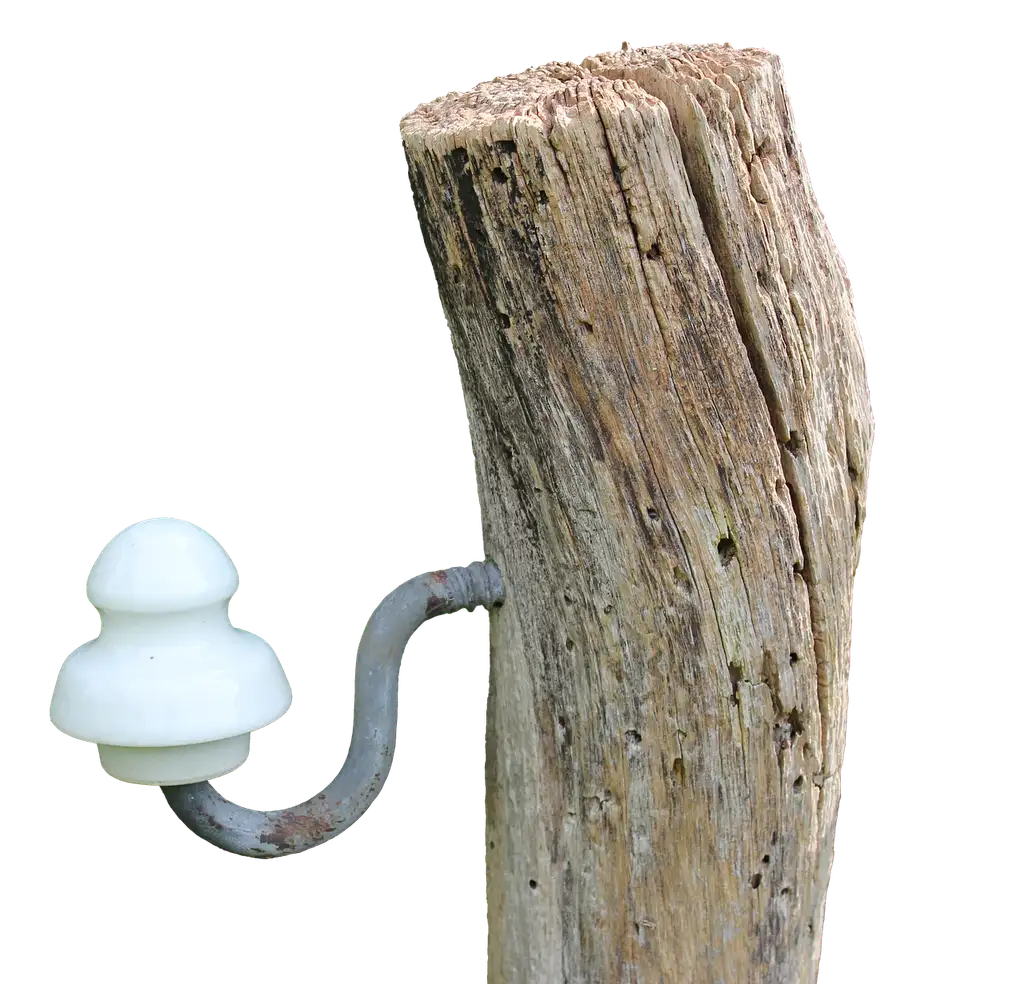
Wood rot is fungal decay fed by moisture. Your repair choice depends on how far that decay has moved below the surface. A visible soft spot may be only skin deep, or it may mean the post has already lost strength where it actually carries load. That difference changes the bill fast.
Surface discoloration, a musty smell, fungal growth, and soft or crumbly wood are warning signs, but they do not show the full extent of the loss. A screwdriver that sinks easily is treated as a sign of rot. If the post has been wet long enough, the hidden damage can be larger than the stain you see.
Once the post is suspected of carrying load, a structural evaluation by a deck contractor, carpenter, or structural engineer is the right next step before anyone promises a cheap fix. That assessment looks at remaining section loss, connections, bearing points, and hidden decay.
Load-bearing posts cost more to address
A load-bearing post changes the job because the post is part of the load path, not a trim piece. Once it supports a deck, porch roof, sill area, or other framing, a structural assessment is the right next step before anyone promises a cheap fix. That assessment looks at remaining section loss, connections, bearing points, and hidden decay.
Why moisture source repairs change the total
If water keeps reaching the post, a small patch can become repeat work, and ignored damage can turn into a multi-thousand-dollar rebuild. Wet wood rot and dry rot both need moisture to continue, and both are corrected by removing affected material and stopping the water entry point. In an emergency, a compromised load-bearing post may need temporary stabilization or shoring before leak or drainage repairs can be completed.
When can a rotted post be repaired instead of replaced?
A rotted post can be repaired instead of replaced when the decay is shallow, the remaining wood is sound, and the post is not showing structural loss at its connections or bearing points. That usually means the screwdriver probe finds firm fibers after the surface rot is removed, the moisture source can be corrected, and the post still has enough section left to do its job safely.
Sound wood left after probing
The probe test is useful because it tells you whether the post is only cosmetically damaged or soft all the way into the load path. If a screwdriver stops after scraping away surface rot, repair may be possible. If it sinks easily, the post has likely lost strength and needs a fuller structural review.
Noncritical or limited decay
Repair makes the most sense on limited decay in a noncritical post, such as a lightly loaded fence or trim-style support where the load is low and the damaged zone is contained. Deck repairs are most sensible when the structure is still sound and damage is limited. Replacement becomes more attractive when defects are spread across the deck or safety is in question.
Epoxy only when the system still makes sense
Epoxy is not a universal structural fix. Use it only when the remaining wood is sound enough to accept a consolidant or filler, the wood can be dried, and the repair instructions allow it. Cure time matters because a patch applied too soon over damp wood can trap moisture and fail again.
Quote comparison table: repair versus replacement
Use this scope check before you compare bids. A lower number is only cheaper if it includes the same work that the other quote includes, and many post quotes are not equivalent once shoring, access, and hidden damage are counted.
| Quote scenario | Included work | Excluded work | Hidden cost drivers | False-economy red flags |
|---|---|---|---|---|
| Repairable surface decay | Drying the area, removing loose rot, applying wood hardener or epoxy, filling voids, sanding, and repainting or sealing the patch. | Shoring, post removal, full replacement, and major framing inspection. | Discovery of deeper rot, need to open up finish materials, and moisture-source correction outside the post. | The quote skips moisture correction, ignores probing beyond the surface, or claims epoxy alone will fix a load-bearing post. |
| Partial structural repair | Temporary support if needed, partial cut-out, sistering or splice work, limited replacement of damaged wood, and reattachment at the base or connection. | Full post swap, major finish reconstruction, and broad adjacent framing replacement unless damage is found. | Access difficulty, permit or inspection requirements, and uncovering decay at the bearing point or connection. | The quote does not mention temporary support, leaves out adjacent framing inspection, or assumes the post is sound without evaluation. |
| Full replacement | Shoring the load, removing the failed post, matching the new size and material, installing the replacement, and checking nearby framing and connections. | Major redesign or unrelated framing upgrades unless they are needed after inspection. | Permit and inspection fees, finish carpentry, hidden damage to adjacent framing, and difficult access. | The bid omits jacking or temporary support, does not mention inspection, or prices a replacement like a cosmetic patch. |
What makes replacement more expensive
Replacement costs more because the job often includes safety support before the old post comes out. Structural beam rot may require shoring, permits, and replacement, and the same logic applies to a heavily loaded post. A main beam fix can exceed $10,000, which is a reminder that support work can become expensive once the structure is opened.
Shoring and temporary support
If the post carries load, the contractor has to hold that load somewhere else before removal. That temporary support adds labor, time, and risk control that a surface repair does not need. It is one of the biggest reasons replacement quotes look high compared with patch work.
Access, finish work, and matching materials
Posts tucked under decks, at porch corners, or inside finished assemblies cost more because workers need access before they can cut, jack, and reinstall. The new post also has to match the size and material of the old one, and that can mean extra carpentry or paint work after the structural job is done. A sill-related post can be especially expensive because late-stage sill plate replacement can cost $1,000-$5,000+ when rot reaches that area.
Permit, inspection, and adjacent framing checks
Local rules vary, but structural posts often trigger permit or inspection considerations. That is especially important when the post supports a deck or porch roof. The surrounding framing should also be inspected, because rot often spreads where moisture has been present for a while.
Is epoxy repair ever enough for a load-bearing post?
Epoxy can be enough only for limited decay where the remaining wood is still sound, dryable, and structurally adequate after the damaged material is removed. It is a consolidant-and-filler repair, not a universal structural fix. If the post is carrying major load or the probe test shows deep softness, epoxy alone is not the right answer.
Consolidant versus filler
A consolidant hardens weakened fibers, while a filler rebuilds the missing shape. That sounds structural, but the product is only working on the wood that remains. It does not restore a post that has already lost too much of its load path.
Limits of epoxy on structural members
Epoxy repairs are best viewed as targeted repairs, not permission to ignore section loss. If the post is load-bearing, the remaining wood must still be able to carry the load after repair, and that is where a professional structural judgment matters. A cheap patch can look complete while the underlying support is still unsafe.
Manufacturer cure time and dry-wood requirements
Most products require the wood to be dry enough for adhesion and proper cure, and the label instructions control the timing. If the moisture source is still active, the patch can fail or decay can restart under the repair. Early rot can sometimes be handled with a wood hardener for about $50, but that is material-only for limited decay, not a compromised post.
How do you know rot has spread beyond the visible damage?
Rot has likely spread beyond the visible area when the screwdriver probe keeps sinking, the soft zone extends past the stain, or nearby connections and bearing points show movement, staining, or deterioration. Because hidden damage can be worse than what is visible, load-bearing posts deserve a closer look than a surface patch allows.
Screwdriver probe test
The screwdriver probe is a simple check: if the tool sinks easily, the wood is compromised. That does not tell you the full structural rating, but it does confirm that the visible damage is not just cosmetic. If you can gouge deep with little effort, assume the rot is more serious until proven otherwise.
Connections and bearing points to inspect
Check where the post meets the base, cap, beam, sill, or ledger connection. Rot often shows up first where water collects, and that is where hidden section loss can undermine the load path. If the connection area is soft, stained, or separated, the repair is no longer just a patching job.
Signs the damage has spread
Discoloration that runs beyond the surface patch, a musty odor, fungal growth, or wood that crumbles instead of cuts cleanly all point to a broader problem. If the post is near a leak, drainage issue, or missing flashing, the surrounding framing should be checked too. A small visible defect can hide a much larger wet area behind it.
Choose Cost to Replace a Rotted Wood Post if… / Choose Repair It if…
Choose Cost to Replace a Rotted Wood Post if the post is load-bearing, the screwdriver probe sinks deeply, the damage reaches a connection or bearing point, or the moisture problem has likely spread beyond the visible area. Choose Repair It if the decay is shallow, the remaining wood is sound, the post is noncritical, and the moisture source can be fixed without opening up major structure.
A common first-timer mistake is accepting the lower bid without checking whether it includes shoring, inspection, and moisture-source repair. If one quote is for patching a face while the other covers a true structural swap, they are not competing jobs. The right choice is the one that matches the post’s load, damage depth, and access requirements.
Frequently asked questions
How much does it cost to replace a rotted wood post?
Full replacement commonly runs about $1,000 to $4,500+ per post, and many jobs can land in a somewhat higher range once shoring, access difficulty, and finish work are included. If the post is tied to a sill or major support line, the total can climb faster because adjacent framing may need inspection or repair.
How much does it cost to repair a rotted wood post?
Minor repair can cost about $150 to $500 when the damage is shallow and a wood hardener or epoxy patch is enough. Limited structural repair often lands around $500-$1,500 when part of the post needs to be cut out, sistered, or partially rebuilt. The price rises if hidden rot is found.
Is a rotted load-bearing post ever repairable with epoxy?
Sometimes, but only when the remaining wood is still structurally sound enough after the decay is removed and the repair product is applied exactly as directed. Epoxy can consolidate and fill, but it does not make up for major section loss. Load-bearing posts need a structural evaluation by a deck contractor, carpenter, or structural engineer before that call is made.
What signs mean a wood post is too far gone to repair?
If a screwdriver sinks easily, the wood crumbles deep below the surface, the connection point is soft, or the rot extends into adjacent framing, the post is usually beyond simple repair. Widespread discoloration, fungal growth, and repeated moisture exposure are also warning signs that the damage is no longer local.
Should the moisture source be fixed before replacing the post?
No single sequence is universally safe. Fix the moisture source, and if the post is compromised or load-bearing, temporary stabilization or shoring may need to happen first. If a leak, drainage issue, or flashing problem remains, the new post can rot again. Fixing the source is part of the repair cost, not an optional add-on.
How do I know if rot has spread beyond the visible damage?
Use the screwdriver probe on the edge of the soft area and around the connection points, then look for soft fibers, staining, odor, or fungal growth beyond the obvious spot. If the probe keeps sinking or the damage reaches the bearing area, the visible defect is likely only part of the problem.
Sponsored / affiliate links. As an Amazon Associate I earn from qualifying purchases. I may earn additional commission from eligible campaigns.