Can You BBQ With Oak Wood? Flavor Guide for Delicious Results
Thinking about grilling and wondering, Can You BBQ With Oak Wood? Flavor Guide? It’s a popular question, especially for those just starting out. Figuring out different wood types and their flavors can seem a little tricky at first. But don’t worry! This guide breaks down everything you need to know in a simple, step-by-step way. We’ll explore the best ways to use oak for your barbecue, ensuring great taste and awesome results. Let’s get grilling!
Oak Wood 101: A Grilling Essential
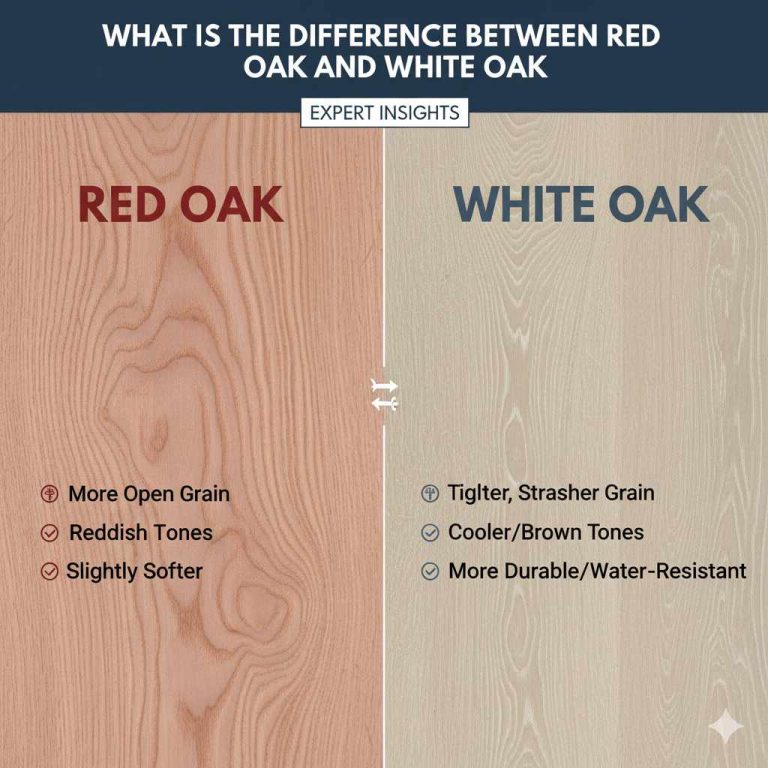
Oak is a fantastic wood for barbecue, but there’s more to know than just throwing it on the grill. Different types of oak offer distinct flavors, affecting the taste of your food. Learning about these variations, from the subtle nuances of white oak to the bolder character of red oak, allows you to pick the ideal wood for the dish you’re creating. This knowledge helps you become a better griller, experimenting with different wood types to find your preferred flavors. The right choice can drastically improve your grilling experience, transforming a simple meal into something extraordinary.
Types of Oak for BBQ
There are several types of oak used in barbecue, each offering a unique flavor profile. The most common ones include white oak, red oak, and post oak. These varieties contribute different aromas and tastes to your food, giving you a wider variety of experiences to choose from. Whether you’re aiming for a strong, smoky taste or a more mellow flavor, selecting the right oak species is vital.
White Oak: This wood has a medium-strength flavor and is great for many kinds of meats. It burns well and provides consistent heat.
White oak’s slightly milder character makes it a good all-around choice. It pairs well with beef, pork, and chicken, providing a balanced smokiness that doesn’t overwhelm the natural flavors of the meat. Because it burns cleanly, it is a consistent heat source, important for steady grilling temperatures, and it allows for a more even cooking process. Many consider it the standard for barbecue flavor.
Red Oak: Often preferred for its robust, smoky taste, red oak is a favorite in many regions. It is an excellent choice for a variety of barbecue meats, adding a deep and rich flavor profile to the dishes you make.
Red oak’s bold flavor means it works best with foods that can stand up to a strong smoky taste, like brisket or ribs. When using red oak, you might notice a slightly more aggressive aroma, which adds another dimension to the overall taste of your meal. Its assertive character also helps to produce a classic barbecue taste. However, if used in excess, red oak can make the food taste too bitter or smoky, so moderation is key.
Post Oak: Known as the Texas BBQ standard, post oak gives a clean, moderate smoke flavor. It’s also long-lasting.
Post oak is a reliable option for many barbecue dishes, especially beef, because it delivers a balanced smokiness without too much intensity. Its flavor blends well with many meat cuts, providing a great depth of taste without overpowering the natural flavors. It’s also a durable wood, which means it burns longer, giving you consistent heat during a longer cooking time. This makes it an ideal choice for slow-cooked barbecue.
Selecting and Preparing Oak Wood
Choosing and preparing your oak wood correctly is as important as choosing the species. Quality matters. Look for seasoned wood—wood that has dried properly. Proper preparation ensures your barbecue provides the best flavor possible, and it also impacts how the wood burns and how long your cooking session will last.
Seasoning: Seasoned oak has a low moisture content.
Seasoning is key to ensuring your oak wood burns efficiently and produces a better flavor. Properly seasoned wood will burn cleanly and produce less smoke compared to green, unseasoned wood. You can tell if wood is seasoned if it makes a hollow sound when you tap two pieces together, and if it has visible cracks on the ends. Proper seasoning ensures a cleaner, more efficient burn, and it helps to enhance the flavor of the food.
Size and Shape: The size and shape of the wood matter.
For grilling, you will need to cut the wood into manageable sizes. The size and shape of the wood influence how it burns, how long the fire lasts, and how much smoke you get. Choose pieces that fit easily in your grill or smoker, and ensure they are of a uniform size to maintain a consistent heat. For smaller grills or shorter cooking times, you might choose smaller wood pieces. Larger pieces are more suitable for larger smokers and longer cooking times.
Storing Oak Wood: Proper storage preserves the wood’s quality.
Store your oak wood in a dry place, away from the elements. Keeping the wood dry prevents it from absorbing moisture, which would make it hard to ignite and cause excess smoke. Protect the wood from rain, snow, or damp ground by storing it in a shed, covered area, or under a tarp. Adequate storage keeps your wood in top condition, ready to use whenever you’re in the mood to grill.
Flavor Profiles and Oak Wood Pairings
Different types of meat pair well with different oak wood flavors. Getting the flavor profile just right can make or break your grilling efforts. Experimenting with different wood and meat combinations unlocks a world of taste options. This part of the process is where you can find the best match for your particular taste preferences. By knowing which wood types enhance various types of food, you can boost your barbecue skills.
Beef and Oak Wood
Beef, with its rich flavor, responds wonderfully to oak. Oak wood’s smoky profile enhances the natural tastes of beef, bringing a depth that is unmatched. The right oak variety can intensify your beef dishes, turning a standard meal into a culinary treat. Choosing the right oak wood is all about balancing strength with the type of beef you are cooking.
Brisket: Red and post oak are the go-to choices for this cut.
Brisket is a popular choice for oak wood, as the wood smoke adds a deep, savory layer to the beef. Red oak’s robust character can really stand out and give the brisket a fantastic smoky taste. Post oak, on the other hand, delivers a balanced smoke that won’t overpower the brisket’s natural flavor. Choosing between them often comes down to personal taste.
Ribs: White oak offers a nice, light touch.
White oak’s medium-strength flavor is a great fit for beef ribs, which have their own rich taste. The gentle smokiness it offers does not compete with the natural flavors of the ribs, but enhances them. This combination means you get an excellent balance of flavor and smokiness, perfect for a barbecue experience.
Steaks: Consider a mix of oak with a lighter wood.
Combining oak with a wood like cherry or apple can give your steaks a nuanced taste. Oak provides the necessary smokiness, while the other woods add a sweet or fruity note. This mixed approach results in a taste experience that is rich and interesting. Use a smaller amount of oak to ensure you don’t overdo the smokiness.
Pork and Oak Wood
Pork, with its lighter flavor, works with various oak types. Oak adds depth to pork dishes, making them richer and more interesting. Knowing the right pairings ensures your pork dishes stand out. Selecting the proper oak wood will lift the taste of your pork, leaving a lasting impression on anyone who tries it.
Ribs: Post oak is frequently used for pork ribs.
Post oak is a reliable choice for pork ribs, providing a medium smoke level that balances well with the meat. This wood doesn’t overpower the ribs but enhances their natural flavors. It also contributes to a tender, tasty experience, making it a great pick for those aiming for that classic barbecue taste.
Pulled Pork: White oak is a great fit.
White oak’s medium flavor works nicely with pulled pork, as the smoke helps to add depth. It doesn’t overpower the dish but adds a smokiness that compliments the pork’s taste. The wood enhances the overall experience by adding a subtle smoky flavor that is very pleasing. This makes it an ideal option for creating great pulled pork.
Sausage: Experiment with red oak.
Red oak’s strong flavor can provide a bold taste to sausage, giving it a smoky kick. Red oak stands up well to the rich, often heavily seasoned, flavor profile of sausage. It can highlight the spices used in the sausage, giving a deep taste. Use it sparingly to ensure the sausage’s natural flavors are enhanced without being overpowered.
Chicken and Oak Wood
Chicken, with its gentle taste, benefits from oak wood’s subtle flavors. Oak wood brings a smoky element that makes chicken more exciting. Knowing how to pair oak with chicken means you can improve your cooking and the flavors you create. The right wood choice turns a simple chicken dinner into something special. It’s all about balancing the smokiness with the natural taste of the chicken.
Whole Chicken: White oak brings a delicate touch.
White oak’s medium-strength flavor is ideal for the whole chicken because it does not make the chicken taste too smoky. It gives the chicken a balanced taste, complementing the flavor of the meat. The outcome is a tender, moist chicken with a gentle smokiness that tastes delicious.
Chicken Wings: Red oak adds a kick.
For chicken wings, red oak can bring a more aggressive, smoky taste. This bold taste enhances the chicken wings, making them more flavorful. It is particularly great when you want a rich smoky flavor. However, use it carefully because too much can lead to an overwhelming flavor.
Chicken Thighs: Use post oak for great results.
Post oak is a solid choice for chicken thighs, providing a moderate smoky taste that enriches the meat. This ensures the chicken retains its natural flavor, while a hint of smokiness improves the overall eating experience. The result is flavorful, tender chicken thighs that are a pleasure to eat.
Grilling Methods and Oak Wood
The way you grill with oak matters just as much as the wood you choose. Understanding how heat and smoke impact the flavor is essential. Different methods of grilling—like direct heat, indirect heat, and smoking—each offer a different cooking experience. Picking the right grilling method can affect the final taste, tenderness, and smokiness of the food. It’s all about making the most of the oak wood flavor.
Direct Heat Grilling with Oak
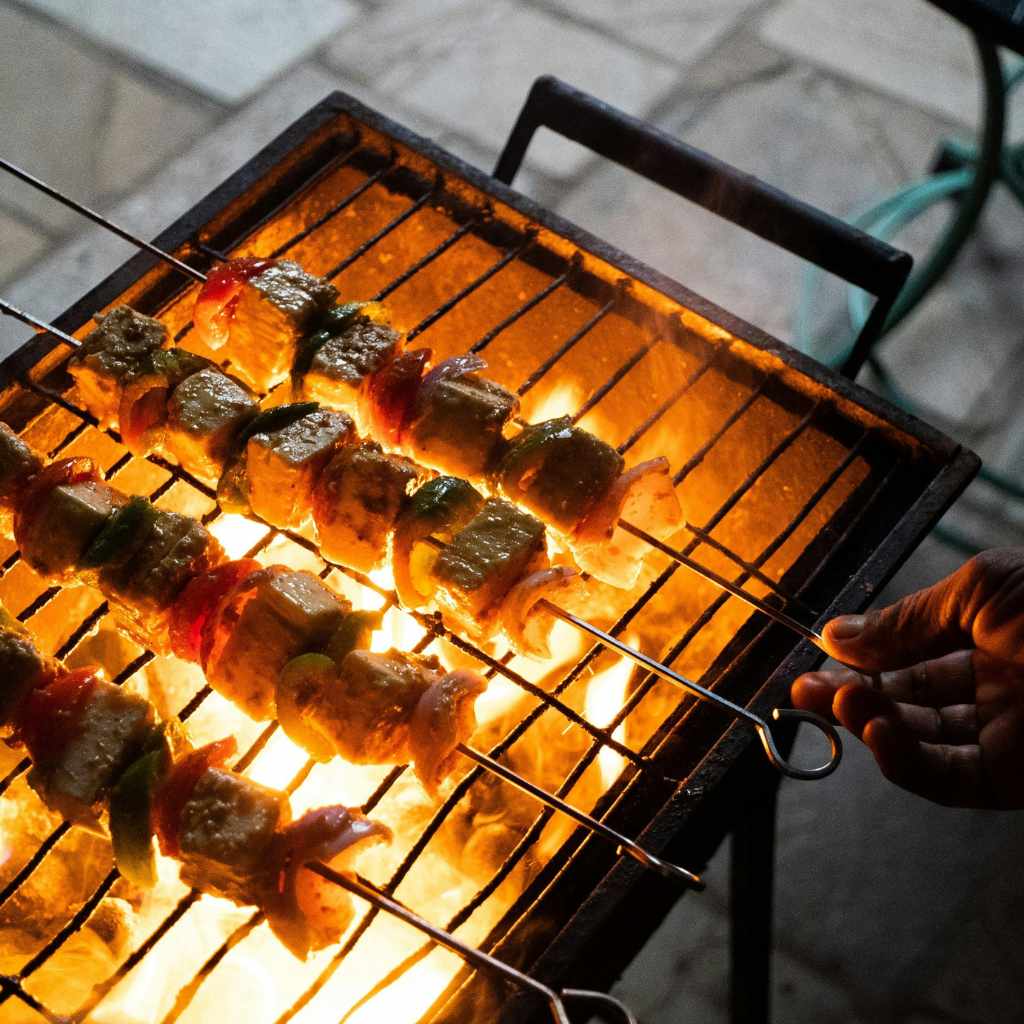
Direct heat grilling is all about high heat and fast cooking. This method is great for quickly searing and browning the outside of your food. Knowing how to use oak with direct heat involves controlling the heat level and selecting the right wood pieces. This method is ideal for foods that benefit from a quick sear and a smoky taste.
Wood Placement: Place the oak wood directly on the heat source.
For direct heat grilling, put your oak wood straight on the hot coals or the flame. This allows the food to directly meet the smoke from the oak wood, which gives your food a smoky flavor. Ensure your grill has enough airflow so the wood burns steadily without too much flare-up. This method suits items like steaks or burgers, which cook quickly and need high heat.
Temperature Control: Manage the grill’s temperature.
Regulating the grill’s temperature is key when using oak and direct heat. Maintain a steady high heat for searing, and adjust the vents to control the air and, therefore, the intensity of the smoke. High heat ensures a good sear, while controlled smoke adds the smoky taste. The goal is to get a perfect outside with a tender inside, all while infusing the food with that delicious smoky taste.
Food Selection: Choose suitable foods for this method.
Direct heat grilling with oak is great for foods that cook fast, such as steaks, burgers, and chicken breasts. These meats cook quickly over high heat, taking in the oak flavor. This method gives you a smoky taste, great texture, and that grilled appeal, all in a short time. Choose the right cut of meat and get ready for a flavorful meal.
Indirect Heat Grilling with Oak
Indirect heat grilling cooks food slowly and evenly by setting the heat source to one side and cooking the food on the other. This method is great for bigger cuts of meat that need more time. Understanding how to use oak in this cooking style helps you achieve the best results.
Heat Setup: Position coals or burners on one side.
When using indirect heat, organize your coals or burners on one side of the grill. Place your food on the opposite side of the grill, away from the direct heat. This allows the food to cook gently and evenly, using the heat that bounces around the grill. The oak wood is placed over the coals, which fills the grill with smoke, adding a great smoky flavor to the dish. This setup is great for cooking meats like roasts and whole chickens, which require a gentle, consistent heat.
Smoke Control: Regulate smoke levels to avoid over-smoking.
Manage the amount of smoke to stop the food from becoming too smoky. Add small amounts of oak wood at a time to the coals, allowing the food to absorb the smoke slowly. You can soak the wood in water for a little while before adding it to the heat source; this causes it to smolder, which releases smoke slowly. This approach gives you the right balance of smoke flavor. The goal is to add a delicious smoky taste to the food without overpowering its natural flavor.
Food Choice: Cook larger cuts of meat or dishes.
Indirect heat grilling with oak is ideal for larger cuts of meat, like ribs, briskets, and pork shoulders. These meats need slow cooking to become tender. This method lets the food cook thoroughly and take in the smoky taste gradually. This results in tender, flavorful food that is ideal for entertaining guests or enjoying a special meal.
Smoking with Oak Wood
Smoking is a slow-cooking process that uses low heat and smoke. This method is all about making the food tender and flavorful. Using oak wood for smoking gives a deeper taste, which goes wonderfully with the meat. Knowing the details of this process improves your barbecue experience.
Smoker Preparation: Set up your smoker for low and slow.
Before you begin, prepare your smoker for a low-heat, long cooking session. This involves getting the smoker to the right temperature (usually between 225°F and 275°F). Place the oak wood so it produces steady, gentle smoke. Controlling the temperature is important to ensuring even cooking, and constant smoke brings out the oak’s smoky flavor. This setup creates the ideal environment for slow-cooked barbecue, where the food takes on a rich taste and becomes exceptionally tender.
Wood Selection: Select oak pieces for long burn times.
Choose oak wood pieces that will burn for a long period without needing to be added frequently. These larger, well-seasoned chunks or logs are perfect for a long smoke. Their consistent burn makes sure that the food is exposed to a steady stream of smoke, creating a deep smoky flavor. Picking the right wood helps you control the temperature and gives you the best outcomes.
Cooking Time: Cook foods for extended periods, carefully monitoring.
Smoking is all about time. It means cooking your food for hours, even all day. It’s crucial to frequently watch the internal temperature of the food and the smoker. Ensure the smoker stays at the correct temperature and adds wood to keep the smoke going. The slow cooking lets the meat become incredibly tender while absorbing the smoky flavor. This long, careful process is what makes the food so delicious.
Safety and Best Practices
Grilling safely is essential, no matter what wood you use. Following these tips helps to ensure a safe and fun experience. The right grilling safety is something you can build on, which means the safety precautions will become a normal part of your process. Being cautious in all you do will help protect you, your family, and your guests.
Grill Safety Basics
Before you get started, review these essential safety rules. These practices help avoid accidents and keep your grilling experience a good one. It’s important to build these practices into your grilling habit. Proper safety makes grilling not only fun but also free from incidents.
Grill Placement: Place the grill on a stable surface, away from flammable materials.
Always place your grill on a level, stable surface like concrete or brick. Keep it away from things like wood decks, overhanging trees, and anything that can easily catch fire. Making sure your grill is in a safe spot helps prevent fires and other grill-related accidents. Careful placement is the start of safe grilling.
Equipment Check: Inspect the grill for damage before use.
Before you use your grill, inspect it to ensure it’s in good working order. Check for gas leaks if you have a gas grill, and ensure all parts are firmly attached. Clean out any debris from the grill. Regular checks help to avoid safety issues and ensure your grill works well. A grill that is in good shape is safer to use and makes it easier to cook delicious food.
Fire Safety: Keep a fire extinguisher or water source nearby.
Always keep a fire extinguisher or a bucket of water near your grill. This gives you a way to put out flames fast if a fire starts. Knowing what to do in case of a fire can keep everyone safe. Being ready for a fire is a key part of grilling responsibly and with peace of mind. Ensure everyone knows how to use the equipment.
Oak Wood Handling
Handling oak wood correctly is key for safety and efficiency. Using it right is about more than just the taste; it’s also about preventing problems. Handling oak wood with care will keep everyone safe.
Wood Storage: Store wood away from ignition sources.
Always store your oak wood in a safe place, far from anything that could cause a fire. Keep it away from any open flames, sparks, or anything that could start a fire. This storage practice helps prevent fires and keeps your wood ready for your grilling needs. Safe storage of wood is a small but important part of grilling responsibly.
Wood Preparation: Wear gloves and eye protection when cutting wood.
When you prepare your oak wood for grilling, wear the proper safety gear. Put on gloves to guard your hands from splinters and other injuries. Wear eye protection to stop any wood pieces or debris from getting into your eyes. These simple steps can make sure your wood preparation goes safely. Wearing the correct safety gear reduces the risk of injuries and promotes safety.
Ash Disposal: Allow ashes to cool completely before disposal.
Always let the ashes cool down entirely before you get rid of them. Hot ashes can cause a fire if they are not handled carefully. You can put the ashes in a metal container and wait until they have cooled down completely before throwing them away. Safe ash disposal prevents unwanted fire incidents. Make sure you treat ashes with the respect they deserve.
Grilling Best Practices
Following these best practices will not only improve your grilling experience but also keep everyone safe. Good practices include regular cleaning, knowing how to safely add wood, and never leaving the grill unattended. Applying these methods consistently helps make grilling a fun and safe activity.
Grill Cleaning: Clean the grill before and after each use.
Cleaning your grill before and after use can stop food from sticking and improve the taste of your dishes. Use a grill brush to get rid of food residue and grease. This practice is part of the regular grilling habit. A clean grill is safer and gives you better-tasting food every time. Regular cleaning is a small action with a big impact.
Wood Addition: Add wood carefully to avoid flare-ups.
When adding oak wood, add it slowly and carefully. If you are using a gas grill, make sure the burners are off and the grill has cooled before adding wood. If you’re using charcoal, control the amount of wood you use. This helps to prevent big flare-ups that can be dangerous. Slow and cautious wood addition is key to safe grilling.
Grill Monitoring: Never leave the grill unattended while in use.
Never leave your grill alone when it’s in use. Keep an eye on it to ensure nothing goes wrong. Always be present to control the temperature and make sure your food is cooking correctly. Keeping an eye on your grill helps avoid potential accidents and gives you the chance to react promptly. Being present ensures your food cooks perfectly and that everyone stays safe.
Real-Life Examples
- Texas BBQ Joint: A successful Texas BBQ restaurant uses post oak for all its meats. They say the wood’s clean taste provides the classic, authentic flavor customers expect, making it a key part of their recipe. They’ve perfected their technique over many years. They carefully source and season the wood to make sure the meat is tender and delicious. They use the indirect heat method to smoke their food, which creates a low, slow heat that produces the best results.
- Backyard Grill Master: A home griller in Kansas started using white oak for his pork ribs, which he had struggled to cook. The oak’s medium taste helped him get the best taste without overpowering the meat. He tried different cooking methods and discovered indirect heat worked best, letting the meat cook slowly and evenly. The positive feedback from family and friends motivated him to improve his skills and experiment with different flavor combinations, turning his backyard grilling hobby into a passion for barbecue.
Sample Scenarios
- You’re cooking a brisket. Based on your knowledge, you would choose red or post oak to give it a strong smoky taste. You would use the indirect heat method to smoke it slowly.
- You want to prepare chicken wings. You will use red oak for a bold, smoky flavor. You’ll use the direct heat method to sear the wings.
| Oak Wood Type | Flavor Profile | Best Meats |
|---|---|---|
| White Oak | Medium | Chicken, Pork, Beef Ribs |
| Red Oak | Robust | Brisket, Sausage, Chicken Wings |
| Post Oak | Moderate | Brisket, Pork Ribs, Chicken Thighs |
Frequently Asked Questions
Question: Can I mix different oak wood types?
Answer: Yes, you can mix different types of oak to achieve a custom flavor profile, though it is often best to understand the characteristics of each type individually first.
Question: How do I know if my oak wood is seasoned?
Answer: Seasoned oak will have visible cracks and a hollow sound when struck together. It should also be lighter and drier than unseasoned wood.
Question: Is oak wood safe for all types of grills?
Answer: Yes, oak wood is generally safe for all types of grills, but ensure the grill can handle wood and smoke safely.
Question: How much oak wood should I use?
Answer: Start with small amounts and add more as needed. The amount depends on the size of your grill, the cooking time, and your taste.
Question: Can I use oak wood chips instead of chunks?
Answer: Yes, you can use oak wood chips, particularly on gas grills. Soak the chips in water before adding to the grill for a slower, smoky taste.
Final Thoughts
Can You BBQ With Oak Wood? Flavor Guide helps you improve your grilling skills. Learning about the different types of oak, from the light smokiness of white oak to the rich taste of red oak, allows you to pick the right wood for your favorite foods. Choosing and prepping the wood, understanding grilling methods, and following safety guidelines are all critical. The choice of oak and the technique you use play a big role in your meal’s taste. Try the different oak types with your meats, and learn how to use direct heat, indirect heat, and smoking. You are on the right path to being a great griller! Keep experimenting with various meats and wood combinations. With practice, you’ll become a barbecue pro, wowing your friends and family with delicious meals!