Can You Glue Wood to Fabric? When It Works for Decor
Yes—wood-to-fabric glue can hold light decor and some fixed upholstery on raw wood, but on seats, flexing edges, or high-pull spots, I use staples, stitching, or another mechanical fastener. Bad joints fail fast: the fabric lifts, wrinkles, or tears, and the repair costs more than doing it right the first time. This guide shows which adhesives work on which fabrics and woods, where glue is acceptable, and where a fasterener is the only durable choice.
Can you glue wood to fabric?


Yes, but only for the right bond. Glue works for decorative panels, wrapped trim, liners, and low-load upholstery parts that stay mostly still. It is a poor substitute for staples or stitching when the fabric will be pulled, sat on, flexed, or grabbed often.
Where glue works for decor and light-duty assemblies
Glue is fine when the fabric is doing visual work more than structural work. Think fabric on a frame-back panel, a wrapped box lid, a lamp shade insert, or a fixed décor strip on wood that will not be tugged.
For those jobs, I start with a flexible adhesive that dries clear. It often gives the least trouble on visible work, and fabric glue is usually my first pick because it stays flexible after cure, which can matter when wood and textile move at different rates.
Where glue fails on handled or load-bearing parts
Glue fails when the bond has to resist peeling. Chair seats, arm tops, front edges, and any place fingers catch the cloth can be trouble spots for glue bonds. The failure often starts at one edge, then spreads as the fabric lifts and dirt works under it.
Loose weave cloth, thin linings, and pile fabrics make that worse. They snag, shift, and drink in adhesive unevenly. Once the bond hardens in the wrong places, the textile can wrinkle or turn stiff in a way that stays visible.
Which adhesive fits the job?
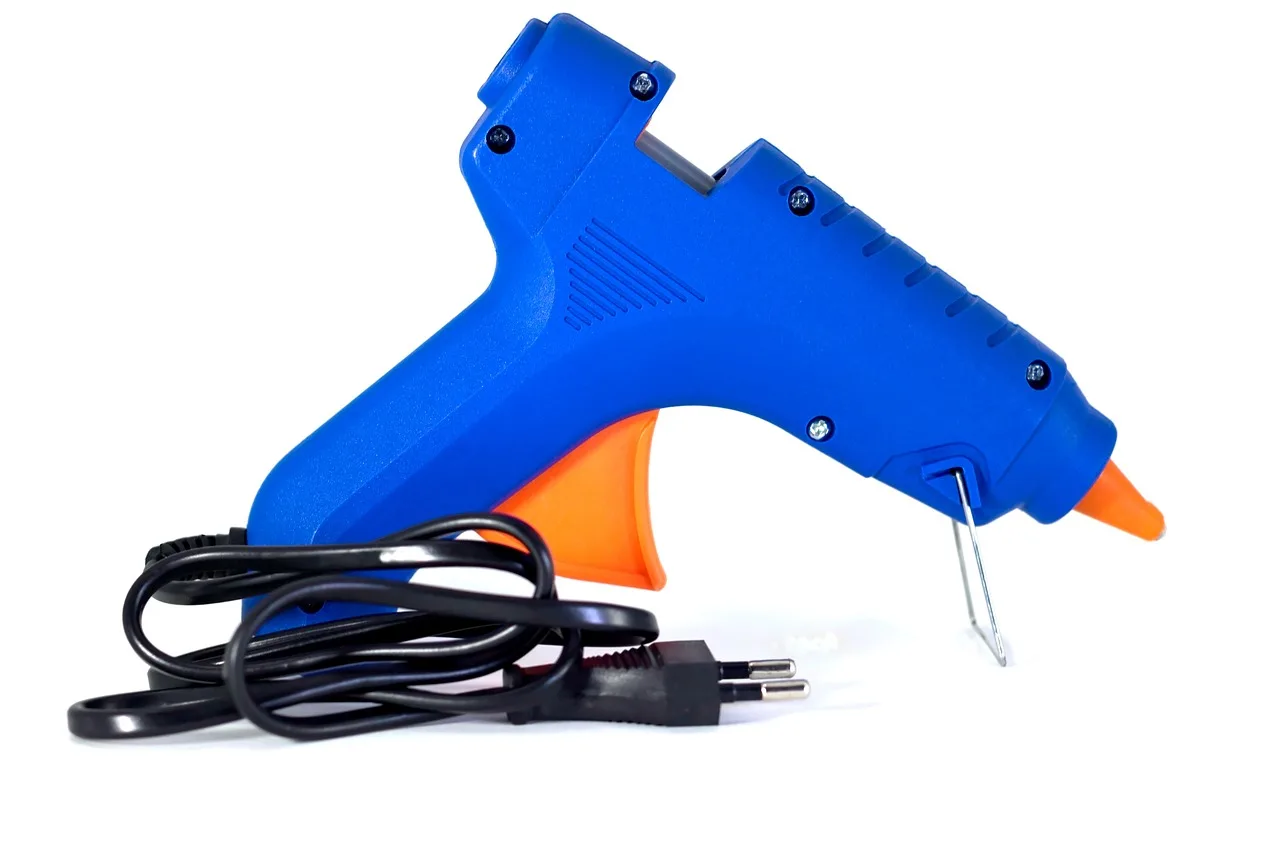
The right adhesive depends on fabric weave, exposure, and how neat the edge needs to look. Fabric glue is best for flexible decorative bonds. Spray adhesive fits broad areas. Contact cement grabs hard and fast. Hot glue works for quick decor, but it leaves a bulky glue line and is not a seat-patch solution.
Fabric glue for flexible decorative bonds
Fabric glue is the most forgiving option for many light-duty wood-to-fabric jobs. It is made for textile contact, often dries clear, and can stay flexible after cure. That makes it useful when the bond needs to bend a little instead of cracking.
Controlled spread matters. Too much glue pushes into the weave and leaves dark patches or hard spots. A thin, even coat on both contact areas is usually safer than a thick bead on one side.
Wood glue, and why it is usually the wrong choice
Wood glue is made for wood-to-wood joints. On fabric, it can be too rigid and may stain, telegraph through, or lock the textile into a hard ridge. It is only worth considering when the fabric is backed, hidden, or trapped under another layer.
If the textile is part of a concealed sandwich, wood glue may hold the backing layer to the substrate. On exposed cloth, it is a gamble. It often cures harder than the fabric wants, then shows through as a stiff line or a shiny patch.
Spray adhesive for broad, even coverage
Spray adhesive can be a strong option for large areas that need even coverage, such as upholstery panels, liners, and backers. It spreads contact more evenly than a brush or bead, which helps keep thin spots from lifting later.
It can be messy without masking. Overspray lands where it should not, and that can ruin visible wood or trap dust on the fabric face. Use it where you can shield the surrounding area and press the textile down once alignment is right.
Contact cement and hot glue for specific cases
Contact cement gives instant tack after the open time, so it is useful where parts must lock quickly and stay put. It also needs ventilation, and thin fabric can sometimes let it telegraph through or stain the face.
Hot glue works for quick décor fixes and prototypes. It sets fast, but the glue line is bulkier and can harden into a ridge that shows through cloth. It is usually not a durable answer for upholstered parts that get handled often.
What fabrics bond well, and which ones fight back?
Tight-weave upholstery fabric often gives better adhesive performance because it tends to shed less glue into the backing and stays more stable under pressure. Felt is also friendly for many craft uses. Loose weaves, pile fabrics, and thin linings are the ones that usually cause trouble.
Tight-weave upholstery fabric versus loose weaves
Tighter-weave fabric gives the best results for upholstery work, and most upholstery can be painted successfully when the weave is firm. That same density helps adhesives sit on the surface instead of disappearing into the cloth.
Loose weaves can drink adhesive fast. The face may look fine for a minute, then the back side stiffens and the front starts to show wet patches, ridges, or print-through. The bond can also become patchy, with some zones glued and others barely touching.
Felt as a test material for wood-fabric craft ideas
Felt can be a useful test material because it is easy to work with and does not fray like many woven fabrics. Fabric glue can work very well on felt for many craft projects, especially when the glue dries clear and stays flexible.
It still has limits. Poor glue can soak through felt and leave dark stains. If a project looks good on felt, that does not prove it will behave the same on upholstery cloth, but it is a good way to test shape, edge control, and glue spread.
Why pile fabrics, thin linings, and airy textiles fail more often
Velour-like pile fabrics can trap adhesive in the surface nap, which makes alignment messy and leaves the face uneven. Thin linings and airy textiles are even more likely to soak through, wrinkle, or show the glue line from the front.
These fabrics also shift during clamping or pressing. When the fibers move, the bond line can peel back at the edge before the adhesive has a chance to fully set. That is why they need more caution than a tight upholstery weave.
How do you attach fabric to wood cleanly?
Clean attachment starts with clean surfaces, light coverage, and a plan for the edges. Wipe the wood, keep dust off the cloth, and test the adhesive on a hidden area before committing. For visible work, the goal is to bury the glue line, not fight it after the fact.
Surface prep for wood and textile
Wood should be free of dust, oil, and loose fibers. Rough spots can telegraph through thin fabric, so they need a light smoothing before bonding. Fabric should be flat, dry, and free of lint where the adhesive will land.
For painted upholstery projects, a spray bottle filled with water can be used to wet down fabric before painting. One coat of interior latex paint was reported to work best by an interior designer, and tighter-weave fabric gives the best results. Those points matter because the same weave logic affects adhesive work too.
Masking, spread control, and edge management
Mask the visible wood if there is any risk of squeeze-out or overspray. Apply adhesive in a controlled layer, not in a heavy ridge. Press from the center outward so trapped air does not force glue to the edge.
At corners and trim lines, keep the bond shy of the exposed edge when possible. A slightly hidden glue line is far easier to live with than a line that creeps out into view after the fabric relaxes.
Use the edge of the trim, a fold, or an overlap to hide the transition. On panels, tuck the fabric under a lip or into a groove when the design allows it. When the edge must remain visible, choose the thinnest adhesive film that will still hold.
Hot glue is the worst for this detail work. It builds a ridge. Fabric glue or spray adhesive usually leaves a flatter bond if the spread is careful and the fabric is firm enough to stay put while curing.
When should you use glue on upholstery, and when should you not?
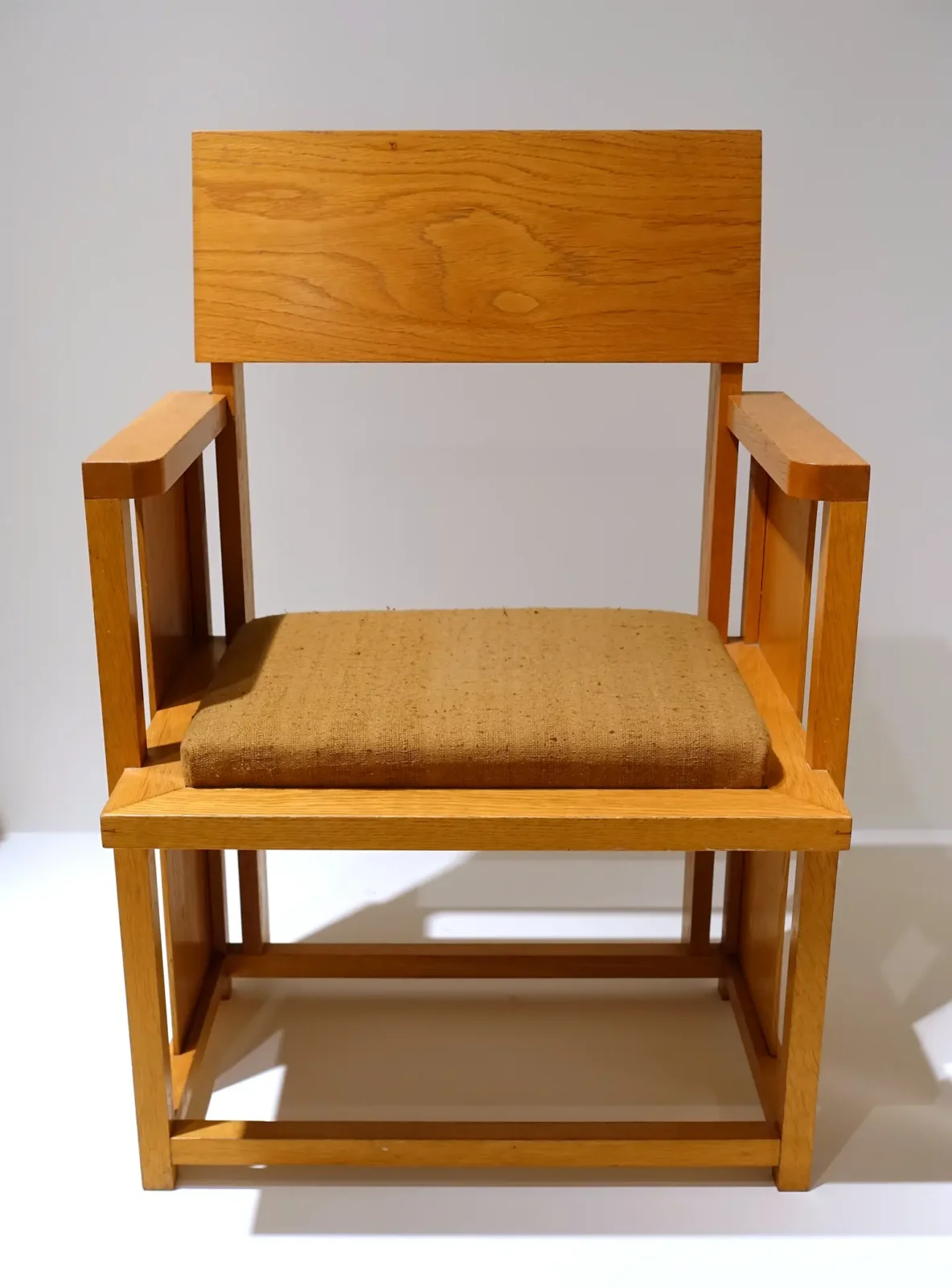
Glue can be acceptable on upholstery panels, liners, and hidden backs when the fabric is not carrying the load. It should not be the main attachment method on chair seats, flexing edges, or parts that will be grabbed repeatedly. Those parts need staples, stitching, tacks, or another fastener.
Can you glue fabric to wood for chair seats? Sometimes, but only as part of a hidden or assisted attachment system. A fully glued seat cover is risky if the seat flexes or takes impact. Hidden backs and decorative panels are safer because they see less handling.
Where the fabric is backed by foam, batting, or a secondary layer, adhesive can help hold shape. Where the cloth is the only skin on the frame, mechanical fastening is usually the better call.
Handling, wear, and peel risk
Is glued fabric durable on furniture that gets handled? Not for long if the bond is doing all the work. Repeated touch, pull, and twist loads start edge lift first. Once the peel starts, the repair becomes visible fast.
Heavy wear needs extra caution. If the part bends, gets sat on, or sees daily hand contact, glue should be treated as a helper, not the primary attachment. That is where staples, stitching, or tacks do the real holding.
When staples, stitching, or tacks are the better choice
Switch to mechanical fastening when the bond is structural, the fabric is thin, or the edge must stay tight under load. Staples are often the fastest choice for hidden upholstery backs and seat undersides. Stitching helps when the design allows it and the fabric needs flexibility.
Tacks or trim fasteners make sense when the finish is visible and the hardware is part of the look. If the bond must survive stress, do not ask glue to behave like hardware.
Decision table: project type, fabric type, and load level
This table separates decorative bonds from upholstery bonds. The safest method depends on how much the part moves, how visible the edge is, and how open the fabric weave is.
| Project type | Fabric type | Load level | Safest attachment method |
|---|---|---|---|
| Decorative trim on a wall panel | Tight-weave upholstery fabric | Low | Fabric glue or spray adhesive |
| Wrapped box lid or craft cover | Felt | Low | Fabric glue |
| Back panel on a chair | Tight-weave upholstery fabric | Low to medium | Spray adhesive, or staples if hidden |
| Chair seat face | Loose weave or thin lining | High | Staples plus padding; glue only as a helper |
| Wood trim on fabric decor | Felt or tight weave | Low | Contact cement for hidden edges, or fabric glue for visible safe areas |
| Any handled furniture edge | Velour-like pile or airy textile | High | Mechanical fastener, with adhesive only as backup |
Failure-case checklist: signs the bond is wrong
Watch for the failure signs early. Soak-through, stiffness, peel-back, and visible glue lines usually mean the bond choice, the fabric choice, or the spread method was wrong. Catching them early saves the piece.
Soak-through and dark spots
If the fabric darkens where the glue sits, the adhesive is moving too far into the fibers. Thin linings, loose weaves, and felt can all show this. The fix is usually less adhesive, a different product, or a tighter fabric.
Stiffness and hard edges
A bond that feels hard through the cloth will usually look hard too. That stiffness is a warning sign for crack-prone finishes and for visible edge ridges. Hot glue and wood glue are common culprits when a textile should stay soft.
Peel-back, lift points, and visible glue lines
If the corners start to lift, the adhesive did not hold enough edge strength. If the line is visible from the front, the spread was too heavy or the fabric was too thin. A careful refit with masking and a thinner adhesive film is usually better than adding more glue.
Frequently asked questions
Can you glue wood to fabric without sewing?
Yes, for light decor and low-load upholstery parts. Glue can hold fabric to wood without sewing when the textile is stable, the surfaces are clean, and the bond is not expected to carry repeated pulling or seating stress. For anything structural, add staples, stitching, or tacks.
What glue works best for wood to fabric on upholstery?
For most upholstery-adjacent jobs, spray adhesive gives the most even coverage, while fabric glue is better for smaller flexible bonds. Contact cement works for certain hidden joints, but it needs ventilation and careful control. Wood glue is usually the wrong choice unless the fabric is backed or hidden.
Will hot glue hold fabric to wood?
Hot glue will hold for quick decor and mock-ups, but it is not a strong long-term choice for upholstery. The glue line is bulky, can harden, and often shows through fabric. Use it only when the part is low-stress and the bond does not need to flex much.
How do you attach fabric to a wood frame cleanly?
Clean the wood, trim loose fibers from the fabric, and test in a hidden spot first. Use masking where glue could show, apply a thin even coat, and press from the center outward. Hidden grooves, wrapped edges, and backed panels are the easiest way to keep the finish neat.
How do you stop fabric glue from soaking through?
Use less glue, choose a tighter weave, and avoid flooding the area. Fabric glue should dry clear and stay flexible, but porous cloth can still soak it up. Felt is especially sensitive to over-application, so test first and build the bond in thin layers instead of one heavy pass.
Is glued fabric durable on furniture that gets handled?
Usually not on its own. Handled furniture creates peel forces, and glue bonds fail there before they fail in simple pull tests. Glue can help position fabric or support hidden layers, but exposed edges, seat fronts, and other high-touch parts need mechanical fastening for real durability.
Sponsored / affiliate links. As an Amazon Associate I earn from qualifying purchases. I may earn additional commission from eligible campaigns.