Can You Glue Wood to Polycarbonate? Strong Bond Options
Use neutral-cure RTV silicone or polyurethane for flexible bonds, and avoid CA, standard epoxy, and solvent cements if the joint has to move. For structural hold, add fasteners or other mechanical support. I have seen bad matches crack polycarbonate, haze the sheet, or peel apart after a few hot-cold cycles. This guide compares the safest adhesive options for strength, clarity, and crack resistance.
Can you glue wood to polycarbonate?
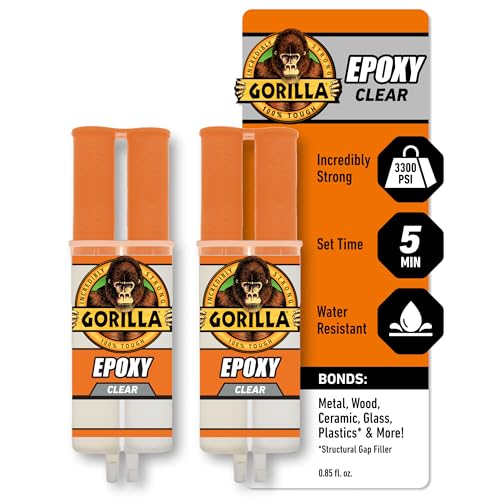

Yes, wood can be glued to polycarbonate, but the joint works only when the adhesive fits the movement and visibility demands of the task. Polycarbonate takes impact well, yet it can scratch quickly and may craze if you stress it with the wrong chemistry or a stiff bond line.
The wood side matters too. Solid wood tends to move more across the grain than plywood, and MDF behaves differently again because its faces are uniform while its edges absorb glue and stay weaker. A trim strip may hold fine, then fail when asked to carry a panel, so the load path matters as much as the glue.
When glue works and when fastening is safer
Glue can work well for light-to-moderate loads, cosmetic trims, light panels, and parts that do not see hard twisting. Mechanical fastening is safer when the wood part is large, the assembly sees vibration, or temperature swings keep working the joint. Clear polycarbonate projects also need extra care because squeeze-out and haze are easy to see.
Which adhesive works best for wood to polycarbonate?
The best adhesive depends on what must survive: movement, visibility, clamp pressure, and the chance of cracking the plastic. For hidden joints with some flex, MS polymer or polyurethane can give a good balance. For very small repairs, CA can work. For high strength with a careful joint design, epoxy is useful, but it is not the most forgiving choice.
Decision table: strength, flexibility, crack risk, and visibility
| Adhesive | Bond strength | Flexibility | Crack risk on polycarbonate | Visibility on clear sheet | Clamp needs | Best use case |
|---|---|---|---|---|---|---|
| Epoxy | High | Low | Moderate to high if the joint moves | Moderate; can leave a visible line | Medium to high | Rigid assemblies, hidden joints, well-supported parts |
| Polyurethane | Medium to high | Medium | Lower than epoxy | Low to moderate; foaming can be seen | Medium | General-purpose bonding where some movement is expected |
| MS polymer | Medium | High | Low | Low when applied neatly | Low to medium | Clear-sheet work, trim, vibration-prone joints |
| CA | Low to medium | Very low | High | Low, but can frost clear areas | Low | Small repairs, tack bonding, temporary fixturing |
| Silicone | Low to medium | Very high | Very low | Low to moderate | Low | Flexible support, sealing, light-duty attachments |
Best choice by project type
For a hidden structural bond, epoxy or polyurethane is usually the first place I would try, with polyurethane better when movement is expected. For clear-sheet work where haze matters, MS polymer or neutral-cure silicone is usually kinder to the plastic. For a tiny chip, tab, or temporary spot, CA can be acceptable if the bond is small and not stressed.
“Strongest” is not the same as “best.” A hard adhesive can win a peel test and still lose in service because the wood moves and the polycarbonate flexes. A slightly weaker but more forgiving bond often lasts longer in real shop conditions.
Why polycarbonate joints fail
Polycarbonate fails in bonding jobs for three main reasons: stress cracking, poor surface prep, and mismatch between a rigid glue line and a moving substrate. Heat and some chemicals can also aggravate the problem. A joint that looks fine on day one can lift at an edge after a season of humidity swings.
Stress cracking, crazing, and heat sensitivity
Crazing shows up as tiny surface cracks or a frosted look, often near stressed edges or around fasteners. Stress cracking can follow if the sheet is clamped too hard, drilled poorly, or exposed to the wrong solvent. Heat is another concern because polycarbonate softens sooner than many DIYers expect, so aggressive sanding or hot solvents are poor choices.
Why rigid joints fail on moving wood
Solid wood moves with seasonal moisture change, mostly across the grain. Plywood moves less because the grain direction alternates, and MDF moves differently again. If the adhesive line cannot tolerate that movement, the wood will try to shear the bond or pry the edge of the polycarbonate loose.
Why solvent-heavy products are risky
Solvent cements, lacquer-thin formulas, and some aggressive construction adhesives can attack or cloud polycarbonate. Even if the plastic does not melt visibly, hidden stress can remain and later turn into cracking. That is why a product that works fine on wood-to-wood may be a bad fit here.
How to prep wood and polycarbonate for bonding
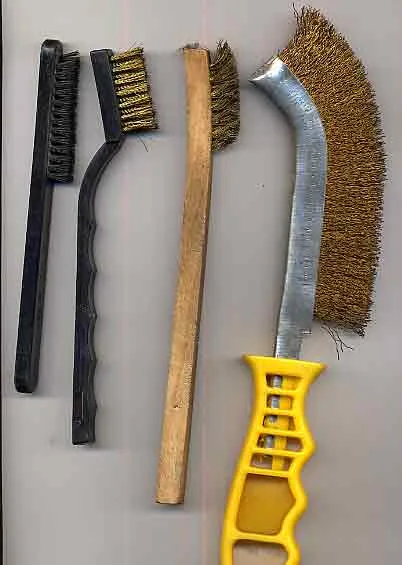
Clean prep matters more than most adhesive labels admit. The goal is a clean, lightly keyed surface on both materials without scratching the sheet or loading the plastic with stress. Fine-grit abrasion, careful cleaning, and a dry fit are the basics.
- Cut the parts accurately and check the fit dry.
- Lightly scuff the wood bonding face and, if needed, the polycarbonate with fine grit, roughly 220 to 320.
- Remove dust fully from both surfaces.
- Degrease with isopropyl alcohol on a clean cloth.
- Let the surfaces dry before applying adhesive.
- Apply a thin, even bead and assemble without delay.
Fine-grit abrasion without scratching the sheet badly
Polycarbonate does not need aggressive sanding. A light scuff is usually enough to help the adhesive grab. Heavy sanding leaves deep marks that show through clear sheet and can become crack starters. For visible areas, it is often better to keep abrasion minimal and rely on cleaning plus a compatible adhesive.
What to avoid so the plastic stays clear
Avoid acetone, toluene, MEK, and other strong solvents. Avoid dry sanding with coarse paper that heats the sheet and leaves a cloudy patch. Avoid touching the prepared area with bare fingers after cleaning. Skin oils are enough to spoil a narrow bond line on a clear panel.
How to clamp and cure the joint
Clamping should hold the joint in place, not squeeze it bone-dry. Even pressure is the goal. Too much force can starve the bond line, squeeze adhesive out, or print clamp marks into the wood. On clear polycarbonate, use non-marring cauls so the face stays flat and unscarred.
Minimum clamp force, squeeze-out control, and cure time
Use just enough pressure to close the joint evenly and hold alignment. A thin, continuous adhesive line is better than a crushed, starved one. Cure time depends on the adhesive: CA sets fast, polyurethane often needs several hours, MS polymer may need a day or more, and epoxy commonly needs overnight handling time with longer full cure.
For epoxy, the working time varies by formula, often from a few minutes to more than half an hour. That gives time for careful alignment, but the bond should not be stressed early. Full cure can take 24 hours or longer, and cooler shops slow that down.
When to use spacers or temporary fixturing
Small spacers help keep a consistent bond line on flexible adhesives, especially MS polymer and polyurethane. Temporary screws, tape, or a simple jig can hold the parts while the adhesive cures. On clear sheet, fixturing is often better than aggressive clamping because it reduces squeeze-out and keeps the view clean.
When mechanical fastening beats glue
Mechanical fastening is safer when the joint must survive heavy load, vibration, or repeated movement. It is also the better choice when the part may need to come apart later. A screw-and-adhesive hybrid often gives the best of both worlds: the adhesive spreads load, and the fasteners carry the worst of the movement.
Pilot holes, oversized holes, and washers
In wood, pilot holes prevent splitting. In polycarbonate, oversized holes allow the sheet to move slightly instead of cracking around a tight screw. Washers spread load and reduce point pressure. If the screw is driven hard against the plastic, the sheet may crack months later even if it looks fine on install day.
How to leave room for movement in wood and plastic
Fasten one part as a fixed reference and let the other part float a little. Slotted holes, oversized holes, or a bearing washer can keep the assembly from locking up. This matters most with solid wood, because a rigidly trapped wood member will keep pushing against the plastic as humidity changes.
Frequently asked questions
What is the strongest glue for wood to polycarbonate?
For raw bond strength, epoxy is often the strongest of the common DIY options, but only when the joint is well supported and movement is limited. If the assembly will flex, a slightly less rigid adhesive such as polyurethane or MS polymer may last longer because it tolerates movement without cracking the plastic.
Does epoxy stick wood to polycarbonate?
Yes, epoxy can bond wood to polycarbonate, and it is a common choice for hidden structural joints. The caution is rigidity. If the wood moves or the polycarbonate flexes, the bond can crack or the plastic can stress-crack near the edge. Good prep and controlled clamping matter a lot.
Will super glue bond wood to polycarbonate?
Cyanoacrylate, or super glue, will bond the two materials quickly, but it is best treated as a small-repair adhesive only. The cured line is brittle, and on polycarbonate it can leave frost, white bloom, or cracking around the bond. It is useful for tiny parts, not for loaded joints.
Do you need to roughen polycarbonate before gluing wood?
A light scuff with fine grit usually helps, but the goal is not deep abrasion. Polycarbonate scratches easily, and harsh sanding can leave visible marks or stress points. Clean the sheet first, scuff lightly only if needed, remove dust, and avoid solvents that can attack the surface.
How do you stop polycarbonate from cracking when glued?
Use a flexible adhesive when possible, keep clamp pressure even, and avoid solvent-heavy products. Drill proper holes if fasteners are involved, leave room for movement, and do not trap a rigid wood part against the sheet. Crazing often starts from stress, so reducing stress is the real fix.
Is silicone a good adhesive for wood to polycarbonate?
Neutral-cure silicone is a good choice when flexibility matters more than strength. It is often suitable for sealing, light support, and non-structural attachments, especially on clear sheet where low stress is important. It is not the best answer for heavy load, but it is gentle on the plastic.
What clamp time do you need for wood to polycarbonate glue?
Clamp time depends on the adhesive, but the short answer is to hold the joint until it can no longer move under light handling. CA sets in seconds, polyurethane usually needs hours, and MS polymer or epoxy often need overnight support. Full cure takes longer than clamp release time.
Sponsored / affiliate links. As an Amazon Associate I earn from qualifying purchases. I may earn additional commission from eligible campaigns.