Can You Glue Wood Underwater? Adhesives That Actually Work
No. In general, standard wood glue is not reliable for bonding wood underwater. For repairs that will stay submerged, marine epoxy is often the safer choice. For damp or rainy work, use a water-resistant PVA or polyurethane that is rated for exterior use. If you guess wrong, the joint can creep, fail, rot, or trap moisture where clamps cannot save it. This separates splash resistance from submerged reality and points to the adhesives that actually hold.
This guide is part of our Wood glue essentials: types, uses, and cure times series.
Can you glue wood underwater?


What changes when the joint is only damp instead of submerged
A damp board can still take the right adhesive if the surface is not waterlogged and the joint can dry as it cures. Full immersion is different. Underwater, adhesive often cannot wet the wood fibers well, and curing can be disrupted before a strong bond line forms.
That is why “wet” is not one condition. Damp lumber, rain-exposed outdoor joints, and submerged repairs each need a different answer.
Why cure conditions matter more than the label
Wood glue depends on contact, squeeze-out, and a controlled cure. Cold wood, trapped water, and moving joints can reduce bond quality even when the product is labeled waterproof. Clamp time matters because the adhesive needs time to set before load, movement, or water exposure starts working against it.
What actually works in wet and submerged repairs?
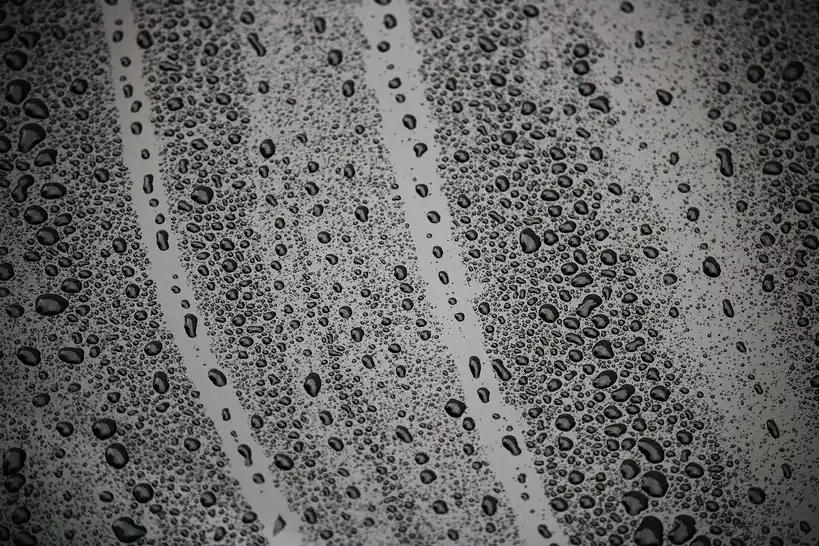
For damp wood and rain-exposed outdoor repairs, a premium waterproof PVA can work when the joint is prepared well and allowed to cure under clamp. For waterlogged or fully submerged repairs, marine epoxy is the safer choice. If the joint must carry real structural load under water, mechanical fasteners often beat adhesive alone.
Waterproof PVA for damp or rain exposure
PVA wood glue is a water-based adhesive family. It cleans up with soap and water when wet, and premium formulas can cure to waterproof performance. That makes them useful for outdoor furniture, trim, and general exterior joinery that faces rain, humidity swings, sun exposure, and temperature changes.
Epoxy for submerged or waterlogged repairs
Epoxy tolerates conditions that defeat ordinary wood glue. It is the better answer for underwater seams, boat-type repairs, or boards that cannot dry out. If the wood is waterlogged, adhesive choice matters less than moisture removal, and epoxy still needs a sound substrate to perform well.
When mechanical fasteners beat adhesive
If the repair is structural and cannot dry, screws, bolts, or other mechanical fastening can be the real fix. Adhesive can supplement the repair, but it should not be the only thing holding a joint together when the wood is saturated or the part stays under water.
- Identify the moisture condition first: dry, damp, rain-exposed, or submerged.
- Choose adhesive only if the wood can support that product’s cure path.
- Clamp the joint for the full working window.
- Keep the assembly out of water until full cure.
- Use mechanical fasteners or epoxy when immersion is unavoidable.
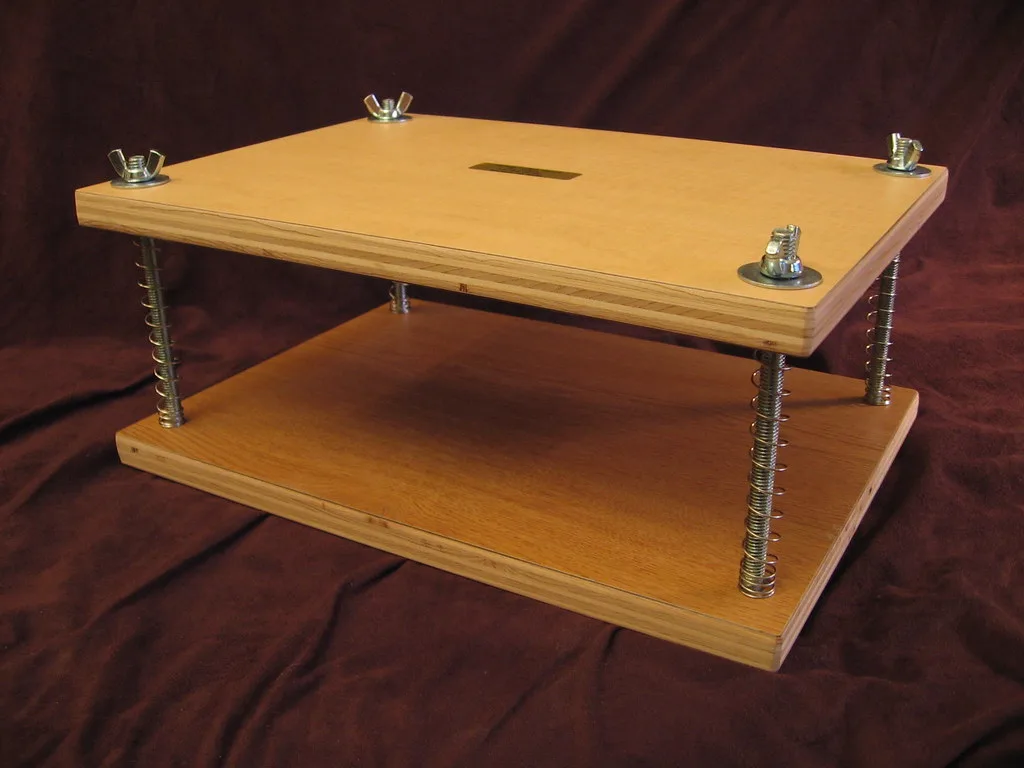
What glue works underwater on wood?
For true underwater bonding, marine epoxy is the practical answer, not ordinary wood glue. Waterproof PVA products are built for exterior exposure and limited dampness, but they are not the right choice for active immersion or waterlogged lumber. If the joint remains under water during cure, bond failure is the likely result.
Failure cases that matter in the shop
Brushing glue on a wet surface often leaves a weak skin on top of trapped water. On a waterlogged board, the adhesive may never reach the fibers well enough to bond. If a joint stays under water during cure, the chemistry does not get the dry, stable conditions it needs.
That is why submerged repairs need a different plan. The adhesive has to match the environment, not the other way around.
What is the difference between waterproof and water resistant wood glue?
Water resistant glue handles moisture better than standard interior glue, but it still has limits. Waterproof glue is made for tougher exterior exposure and can survive rain, humidity swings, and wet cleanup conditions when used correctly. Persistent immersion is still a different failure mode, even for premium waterproof formulas.
ANSI/HPVA Type I certification
A Type I wood-adhesive certification is a useful sign to look for when you want higher water resistance. It marks exterior and marine-leaning wood glues that are built for severe moisture exposure. That does not mean “good underwater.” It means the adhesive belongs in the top tier for outdoor woodworking.
What exterior exposure can tolerate
Rain on an outdoor chair, damp air in a shed, or repeated humidity swings are one thing. A joint left sitting in water is another. Outdoor glue has to survive weather changes, but the wood still needs proper clamp pressure and enough drying time to cure cleanly.
| Moisture condition | Safest adhesive choice | Clamp expectation | Failure risk |
|---|---|---|---|
| Dry wood | Standard PVA wood glue or waterproof PVA if exterior duty is expected | Follow the product’s normal clamp window | Low if the joint fits well |
| Damp wood | Waterproof PVA only if the surface is merely damp and can dry under clamp | Keep pressure steady for the full working time | Moderate if the wood is too wet |
| Rain-exposed outdoor use | ANSI/HPVA Type I waterproof PVA | Clamp fully, then protect from weather until cure | Moderate if exposed before cure |
| Full underwater or submerged repair | Marine epoxy or mechanical fastening | Clamp only if the repair system calls for it | High with wood glue, low with the right epoxy system |
Will Titebond III work outside in rain?
Yes, Titebond III is made for exterior use and can work outside in rain when the joint is prepared correctly and kept dry during cure. It is a waterproof PVA adhesive, not a submerged-repair adhesive. For wet-weather furniture, trim, and general outdoor joinery, it is a strong fit.
Waterproof PVA profile
Titebond III Ultimate Wood Glue is presented as a 16-ounce product. It claims a 30-minute clamp time and is described as non-toxic, ASTM D4236 certified, waterproof, and easy to clean up when wet. That combination suits many outdoor woodworking jobs where the joint can cure above water.
Where it fits and where it does not
It fits outdoor projects exposed to rain, sun, humidity swings, and temperature changes once the joint has been clamped and protected. It does not fit active immersion, submerged seams, or waterlogged wood that cannot dry. Waterproof is not the same as “can cure underwater.”
Is Gorilla Ultimate a better choice for wet outdoor joints?
Gorilla Ultimate is a strong option for wet outdoor joints when the wood is damp but not submerged. It is an ANSI/HPVA Type I certified waterproof PVA adhesive with a 15-minute extended working time, no-foam application, and a natural wood color. It is built for indoor or outdoor projects and repairs.
Working time and bottle options
Gorilla Ultimate Waterproof Wood Glue is sold in multiple bottle sizes, including smaller and larger options. The shorter 15-minute working time means the joint has less open time than Titebond III, so dry-fit and clamp strategy matter more on larger assemblies.
Visible-joint finishing
It is described as sandable and paintable, which helps on visible joints where squeeze-out must disappear cleanly. That matters on outdoor furniture, painted trim, and parts where a raw glue line would be obvious after finishing.
Strengths and limits
This glue is useful when the repair needs a waterproof PVA that still behaves like a woodworking adhesive. It is not a cure-all for soaked lumber, and it should not be treated as a substitute for epoxy in submerged work. The best results still come from tight joinery and proper clamping.
How long does waterproof wood glue need to clamp?
Clamp time depends on the adhesive, the fit, and the moisture condition of the wood. Titebond III claims a 30-minute clamp time, while Gorilla Ultimate has a 15-minute extended working time. Cold, damp, or poorly fitted joints often need more care than the label alone suggests.
Working time versus clamp time
Working time is the window for assembly. Clamp time is the period the joint must stay under pressure before it can move. A short working time is a problem on wide panels or complex assemblies, especially if the wood is cold or the room is humid.
What to expect on real jobs
On wet or chilly jobs, setup can slow down, even with a good adhesive. Clamp pressure should be firm, the joint should be dry enough to bond, and water exposure should wait until the cure has advanced. Marketing language does not fix a poor bond line.
Frequently asked questions
What adhesive is best for wet wood repair?
If the wood is merely damp, a waterproof PVA can work when the joint can dry during cure. If the wood is soaked or submerged, marine epoxy is the safer adhesive. For structural parts that cannot dry, mechanical fastening may be the best part of the repair.
Sponsored / affiliate links. As an Amazon Associate I earn from qualifying purchases. I may earn additional commission from eligible campaigns.