Can You Grow A Cherry Seed Into A Tree? Here Is How
Growing a cherry seed into a tree is possible but challenging. It requires specific steps for germination, like stratification, and the resulting tree may not produce fruit like the parent. This process is more about experimentation and learning than guaranteed fruit production.
The Journey of a Cherry Seed: From Pit to Potential Tree
So, can you really grow a cherry seed into a tree? Yes, but it’s not as simple as just planting a pit in the dirt. Think of it like a secret code the seed needs to unlock.
It needs certain conditions to wake up and start growing.
The pit you find inside a cherry is technically a stone. It holds the actual seed. This seed is protected by a hard outer shell.
This shell is a built-in defense. It keeps the seed safe until the right time to grow. But it also makes germination tricky.
Most cherry pits need a period of cold. This is called stratification. It mimics winter.
Without this cold snap, the seed might just sit there, waiting forever. It’s a natural process that tells the seed, “Okay, spring is here, time to grow!”
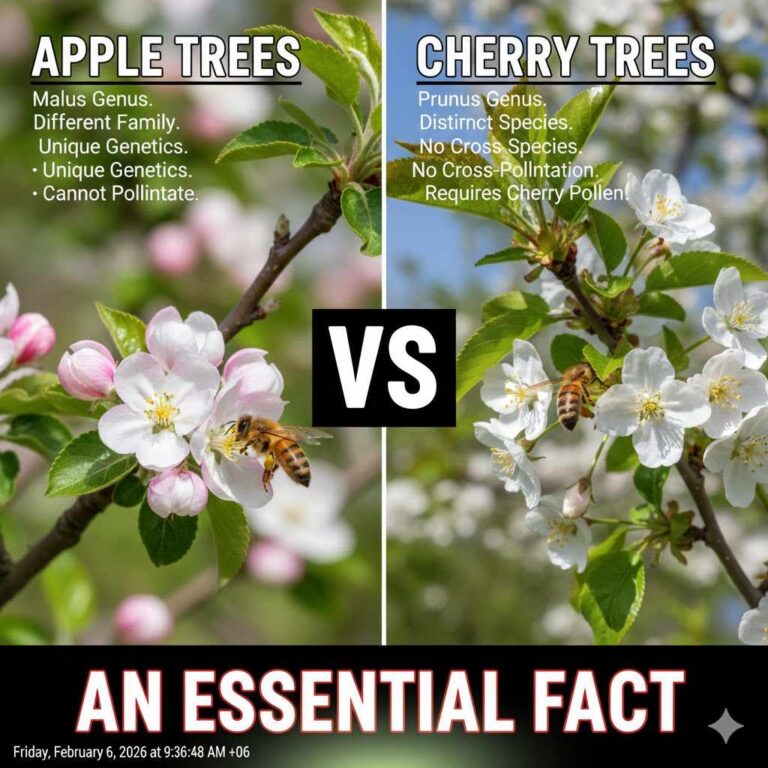
Even if you get the seed to sprout, there are other hurdles. The tree that grows might not be exactly like the cherry tree you got the seed from. This is due to something called cross-pollination.
It means the parent tree’s flowers were likely pollinated by another cherry tree nearby. The resulting seed carries traits from both parent trees.
This can lead to a tree that produces different kinds of cherries. They might be sour. They might be smaller.
Or they might not produce fruit at all. It’s a bit of a lottery. But the journey itself is rewarding.
You get to witness nature’s amazing process up close.
My Own Cherry Seed Adventure: A Backyard Experiment
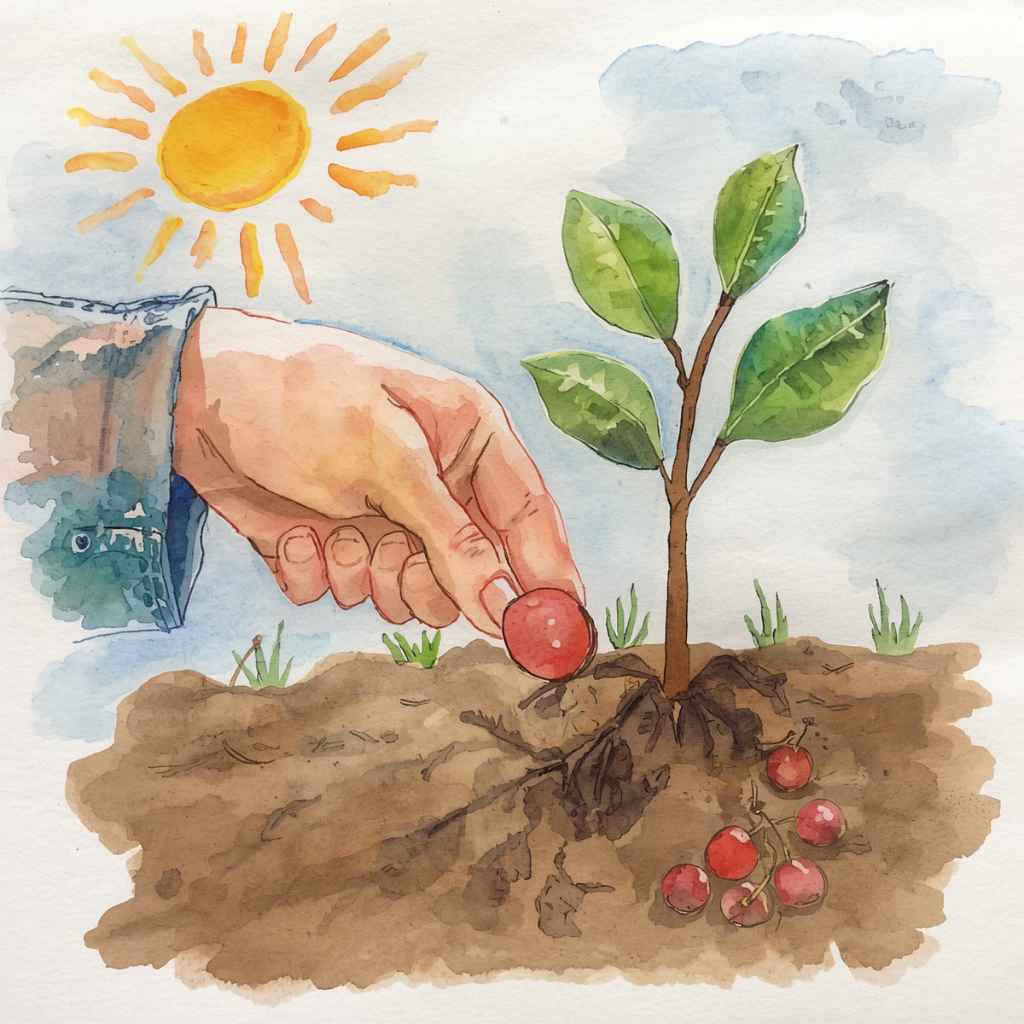
I remember one summer, I ate so many cherries. I had a whole bowl full of pits. I thought, “Why not give it a shot?” My backyard isn’t huge, but I have a little patch of garden.
I decided this would be my little experiment. I washed the pits, let them dry a bit, and then I just buried them in a pot. I figured, that’s how things grow, right?
Well, winter came and went. Nothing. Spring arrived with full force.
Still nothing. I felt a little silly. I had expected tiny seedlings to pop up.
Instead, I just had dirt. I had read a little about stratification, but I hadn’t really done it properly. I just hoped for the best.
Then, I remembered an old gardening book. It talked about putting seeds in a damp paper towel in the fridge. So, the next fall, I tried again.
I gathered more pits. I put them in little baggies with damp paper towels. I put those baggies in the back of my refrigerator.
It felt strange, storing fruit seeds like leftovers. It was a cold, patient wait. Months passed.
It felt like forever. One day, I peeked. And there they were!
Tiny white roots pushing out. It was such a thrill! It showed me that nature really does have its own schedule, and sometimes, you just have to help it along a little.
Getting Your Cherry Seed Ready: The Stratification Secret
For a cherry seed to wake up, it needs a good dose of cold. This process is called stratification. It’s like giving the seed a natural winter vacation.
This tells the seed that it’s safe to start growing when the weather warms up.
There are two main ways to stratify cherry seeds. You can do it naturally outdoors. Or you can do it artificially in your refrigerator.
Both methods work. They just require patience.
Outdoor Stratification: If you live in a climate that gets cold winters, this is the easiest way. You plant the cherry pits directly in the ground in the fall. Use a pot or a garden bed.
The natural freezing and thawing cycles of winter will do the work for you. You’ll need to protect them from birds and pests, though. Maybe use a wire mesh cover.
Indoor (Refrigerator) Stratification: This method gives you more control. It’s great if you don’t have cold winters or if you want to start earlier. You’ll need:
- Cherry pits
- A clean plastic bag or container
- Damp (not soaking wet) paper towels or seed-starting mix
First, clean the pits thoroughly. You don’t want any leftover cherry flesh. This can cause mold.
Then, place the pits inside the bag or container. Add the damp paper towels or mix. Seal it up.
Label it with the date. Store it in the coldest part of your refrigerator. This is usually the crisper drawer.
You need to keep the medium damp. Check it every few weeks. If it feels dry, add a little water.
The whole process takes about 2 to 4 months. So, start in the late fall or early winter for spring planting.
Stratification Essentials Checklist
- Clean Pits: Remove all cherry pulp.
- Damp Medium: Paper towels or seed mix should be moist, not wet.
- Cold Storage: Refrigerator is best for artificial stratification.
- Patience: 2-4 months is typical.
- Check Regularly: Maintain moisture levels.
The Seedling Stage: Nurturing New Life
Once your seeds have successfully stratified, you’ll see tiny roots. This is the exciting part! Now, it’s time to give them a proper home.
Gently remove the germinated seeds from their stratification medium. Be careful not to damage the delicate roots. You’ll want to plant them in small pots.
Use a good quality seed-starting mix. This mix is light and drains well. It’s perfect for young seedlings.
Plant each seed about a half-inch deep. The root should point downwards. Water the soil gently.
Keep the pots in a warm spot. A sunny windowsill is ideal. Or you can use a heat mat.
The goal now is to keep the soil consistently moist. But never soggy. Too much water can cause the young roots to rot.
Too little water can kill the fragile sprout.
You might see a tiny sprout emerge from the soil within a few weeks. This is the seedling’s first stem and leaves. It’s a beautiful moment.
This is when the plant starts to make its own food from sunlight.
Seedling Care Quick Guide
- Potting: Use small pots with drainage holes.
- Soil: Light, well-draining seed-starting mix.
- Planting Depth: About 1/2 inch deep.
- Watering: Keep soil consistently moist but not wet.
- Light: Bright, indirect sunlight.
- Temperature: Warm, around 70°F (21°C).
Transplanting: Giving Your Young Tree More Space
As your cherry seedling grows, it will eventually outgrow its small pot. You’ll notice it might start to look a bit crowded. The roots may even be coming out of the drainage holes.
This is a sign that it’s time to transplant it into a larger pot. Or, if you’re ready, you can plant it in its permanent spot in the ground.
When transplanting, be very gentle with the roots. Try to disturb them as little as possible. If you are moving it to a larger pot, choose one that is a few inches wider than the current one.
Fill it with a good potting mix. Make sure it has plenty of nutrients.
If you’re planting it in the ground, choose a spot that gets full sun. Most fruit trees need at least 6 to 8 hours of sunlight a day. Make sure the soil drains well.
Poor drainage can lead to root rot.
Dig a hole that is as deep as the current pot. It should be twice as wide. Carefully remove the seedling from its pot.
Place it in the hole. The top of the root ball should be level with the surrounding soil. Fill the hole back in with soil.
Water it thoroughly.
The first few weeks after transplanting are crucial. Keep the soil moist. This helps the plant establish its roots in its new home.
It might look a little stressed for a few days. That’s normal. But with good care, it should start to thrive.
Will My Tree Produce Cherries? The Unpredictable Part
This is where things get a bit uncertain. If you grow a cherry tree from a seed, there’s no guarantee it will produce the same kind of cherries as the fruit you ate. In fact, it’s quite unlikely.
Cherry trees are often grafted. This means a branch from a specific, desirable cherry variety is attached to the rootstock of another tree. This ensures the fruit produced is predictable and high quality.
When you grow from seed, you’re getting a new genetic combination.
The resulting tree might produce:
- Sour Cherries: Many trees grown from seed produce tart, less sweet cherries.
- Smaller Fruit: The cherries might be smaller than the parent fruit.
- No Fruit: Some trees may never produce fruit, or take many years.
- Different Flavors: The taste could be completely different.
It’s a bit like having a surprise! The tree itself will likely be beautiful. It will have lovely blossoms in the spring.
But relying on it for a good harvest of sweet cherries might lead to disappointment.
Seed-Grown Cherry Tree Odds
Myth: A seed-grown tree will produce the same fruit.
Reality: Unpredictable fruit. Often sour, smaller, or no fruit.
Why: Genetic variation from pollination.
Best Use: Ornamental tree, learning experience, rootstock potential.
When to Expect Fruit (and When Not To)
If your seed-grown cherry tree does decide to produce fruit, you’ll need to be patient. Very patient.
Trees grown from seed take much longer to mature. They might take anywhere from 5 to 10 years to start producing fruit. Some might take even longer.
This is compared to grafted trees, which can start bearing fruit in just 2 to 4 years.
So, if your goal is to have a steady supply of sweet cherries for pies and snacking, buying a grafted tree from a nursery is the best bet. They are bred for fruit production.
However, if you’re doing this as a fun project, a way to connect with nature, or a learning experience for kids, then the wait can be part of the adventure. You’re nurturing a living thing from a tiny seed. That’s a reward in itself.
You also might end up with a lovely ornamental tree. Many cherry trees are prized for their beautiful spring blooms. Even if the fruit isn’t ideal, the tree can still be a beautiful addition to your yard.
It brings life and color each year.
Alternative Uses for Your Seed-Grown Tree
Even if your cherry tree doesn’t yield delicious fruit, it can still be valuable. Don’t think of it as a failure if the fruit isn’t what you hoped for. There are other great uses for these trees.
Ornamental Beauty: As mentioned, the spring blossoms are often stunning. They attract pollinators too. Bees and other beneficial insects love cherry blossoms.
The tree can provide shade and a lovely focal point in your garden.
Rootstock: Experienced fruit growers sometimes use seed-grown trees as rootstock. They can then graft a desired variety onto these stronger, hardier root systems. This takes advanced skill, but it’s a way to create a custom tree.
Wildlife Habitat: The tree can provide shelter and food for birds and other small wildlife. Birds might eat the fruit (even if it’s sour to us) or nest in its branches.
Learning Experience: The most obvious benefit is the incredible learning opportunity. You witness the entire life cycle of a plant. You learn about patience, nature’s processes, and the science behind plant genetics.
Beyond the Fruit: Value of Seed-Grown Cherry Trees
- Aesthetic Appeal: Beautiful spring flowers.
- Ecological Contribution: Supports pollinators and local wildlife.
- Horticultural Foundation: Potential as rootstock for grafting.
- Educational Tool: Teaches about plant life cycles and genetics.
Common Pitfalls to Avoid
Growing a cherry seed into a tree is a wonderful endeavor. But like any gardening project, there are common mistakes people make. Being aware of these can save you a lot of frustration.
One big mistake is not stratifying the seeds properly. Skipping the cold period is the most common reason seeds fail to sprout. Remember, that cold snap is essential.
Make sure you give them enough time in the cold, damp environment.
Another pitfall is using old or improperly stored seeds. If the seeds have dried out completely or been exposed to extreme heat, they may not be viable anymore. Always try to use fresh seeds from ripe cherries.
Overwatering is also a major problem. Especially for young seedlings. Their roots are very sensitive to being waterlogged.
This can lead to fungal diseases like damping off, which can kill a seedling overnight. Always ensure good drainage.
Finally, impatience is a virtue in gardening. Many people give up too soon. They might plant a seed and expect it to grow in a week.
Nature takes its time. Be patient with the stratification process. Be patient with germination.
And be patient with the young tree’s growth.
Troubleshooting Your Cherry Seed Project
| Problem | Cause | Solution |
|---|---|---|
| Seed won’t sprout | No or insufficient cold stratification | Repeat stratification process for 2-4 months. |
| Seedling dies suddenly | Overwatering, poor drainage, fungal disease | Use well-draining soil, water only when topsoil is dry, ensure good air flow. |
| Tree grows but no fruit | Tree is too young, genetics not suited for fruit, poor pollination | Wait several years, consider planting a grafted tree nearby for pollination, accept ornamental value. |
| Poor fruit quality (sour/small) | Genetics from seed | Acceptable for ornamental use, or consider grafting a better variety onto it later. |
Real-World Context: Cherry Trees in American Landscapes
In the United States, cherry trees are grown for both their fruit and their beauty. Many regions have ideal climates for them. States like Washington, Oregon, and Michigan are major cherry producers.
They have the right temperature cycles for fruit-bearing varieties.
However, even in areas not known for commercial cherry farming, you’ll find ornamental cherry trees. These are often planted in parks and yards. They are cherished for their spectacular spring blooms.
Think of the famous cherry blossom festivals, like the one in Washington D.C. These trees are mostly grown from cuttings or grafts, not seeds, to ensure consistent beauty.
When you plant a seed-grown tree, you’re adding to this landscape. You’re creating a unique piece of nature. It might not be a commercial fruit producer, but it’s a living thing.
It contributes to the local ecosystem. It offers a connection to the natural world right in your backyard.
Consider the different types of cherries. Sweet cherries (like Bing, Rainier) are delicious but often need a pollinator. Sour cherries (like Montmorency) are hardier and often self-pollinating.
When you grow from seed, you’re getting a wild card. It could lean more towards the sour side, or something entirely new.
What This Means for Your Garden Plans
If you’re dreaming of a backyard orchard overflowing with sweet cherries, growing from seed might not be your direct path. For reliable, abundant fruit, it’s best to purchase a grafted fruit tree from a reputable nursery. These trees are specifically bred for fruit production and will give you predictable results.
However, if you love a good project, enjoy watching things grow, and appreciate the beauty of nature, then growing a cherry seed is a fantastic idea. It’s a journey of discovery. You might end up with a beautiful tree that blooms every spring.
You’ll learn so much along the way. You’ll gain hands-on experience with plant propagation and patience.
Think of it as a gardening adventure. The outcome is uncertain, but the experience is guaranteed to be rewarding. You’ll be amazed by the resilience of a tiny seed.
You’ll feel a connection to the natural world.
When is a Seed-Grown Cherry Tree “Normal”?
A seed-grown cherry tree is considered “normal” if it successfully germinates, grows into a healthy sapling, and eventually matures into a tree. The “normalcy” really comes into play regarding its characteristics.
Normal Characteristics for a Seed-Grown Tree:
- Appearance: It grows into a tree with a trunk, branches, leaves, and blossoms.
- Growth Rate: It grows at a typical rate for a young cherry tree, which can be slower than grafted trees.
- Spring Blooms: It produces flowers in the spring, which is a key feature of cherry trees.
- Varied Fruit: If it produces fruit, it’s considered normal for the fruit to be different from the parent. This includes taste, size, and color. Many will be sour.
- Longer Maturity: Taking 5-10 years or more to fruit is normal for seed-grown trees.
When to Worry (or Re-evaluate Expectations):
- Failure to Germinate: If after proper stratification and planting, it shows no signs of life after several months.
- Seedling Death: If young seedlings consistently die off due to rot or other issues. This usually points to environmental problems (too wet, too dry, wrong soil).
- No Blossoms: If the tree reaches several years of age (say, 5+) and never produces any flowers.
- Pest Infestations: While normal to deal with some pests, severe or constant infestations might indicate a weak tree.
The key is understanding that “normal” for a seed-grown tree is different from “normal” for a commercially grafted tree intended for fruit production. The beauty and life cycle are normal, the fruit output is the variable.
Quick Tips for Trying to Grow a Cherry Seed
If you’re inspired to try this yourself, here are some simple tips to keep in mind. These are easy steps to follow.
- Start with Fresh Seeds: Use pits from ripe, healthy cherries. Don’t use pits from fruit that’s been processed or is very old.
- Clean Them Well: Wash off all the fruit pulp. This prevents mold.
- Stratify Correctly: This is the most important step. Use the fridge method for control.
- Be Patient: Germination can take time. Don’t give up too quickly.
- Use Good Soil: A light, well-draining seed-starting mix is best.
- Water Wisely: Keep soil moist but not soggy.
- Provide Light: Once sprouted, give them plenty of bright, indirect light.
- Transplant Gently: Handle the roots with extreme care.
- Choose a Sunny Spot: If planting outdoors, pick a location with full sun.
- Manage Expectations: Enjoy the process, not just the potential fruit.
Frequently Asked Questions About Growing Cherry Seeds
How long does it take for a cherry seed to sprout?
After proper cold stratification (which takes 2-4 months), a cherry seed can sprout within a few weeks to a couple of months when planted in warm soil. Patience is key throughout the entire process.
Can I plant a cherry pit directly in the ground in the spring?
No, planting a cherry pit directly in the ground in the spring without prior cold stratification will likely not result in germination. The seed needs that winter-like cold period to break its dormancy. Fall planting outdoors or artificial stratification in winter is necessary.
What kind of soil is best for cherry seedlings?
A light, well-draining seed-starting mix is ideal for young cherry seedlings. Once they are a bit larger and transplanted into bigger pots or the ground, a good quality potting mix or garden soil enriched with compost will work well. Good drainage is crucial at all stages.
Will my tree need a second cherry tree to produce fruit?
For sweet cherries, often yes, a second, different variety of sweet cherry tree is needed for cross-pollination to produce fruit. However, many trees grown from seed may not produce fruit at all, regardless of pollination. Sour cherries are often self-pollinating but still may not produce good fruit from seed.
How cold does it need to be for stratification?
For refrigerator stratification, aim for temperatures between 35-41°F (1-5°C). This is typical of most home refrigerators. For outdoor stratification, the natural winter temperatures in your region should be cold enough, with cycles of freezing and thawing.
Can I grow a cherry tree from a store-bought cherry?
Yes, you can try to grow a cherry tree from the pit of a store-bought cherry. However, be aware that many commercial cherries are hybrids or varieties that may not grow true from seed, and they are often treated to prevent sprouting, making germination less likely.
The Enduring Magic of Growing from Seed
Growing a cherry seed into a tree is a project filled with wonder. It’s a testament to nature’s resilience and a lesson in patience. While it may not yield the sweet cherries you’re hoping for, the journey itself is deeply rewarding.
You’ll witness a tiny pit transform into a beautiful plant.
It connects you to the earth. It teaches you about the intricate cycles of life. So, gather those pits.
Embrace the cold. And enjoy the magical process of coaxing new life from a simple seed.