Can You Paint Cedar Wood Siding? Expert Advice and Tips
Thinking about painting your cedar siding? Many homeowners wonder, Can You Paint Cedar Wood Siding? What to Know is a common question, and it can seem a little tricky at first. Cedar siding is beautiful, but painting it requires some preparation and the right techniques to get a great finish. Don’t worry, though! This post will walk you through the process, step by step, making it easy to achieve professional-looking results. Let’s get started with what you need to know.
Is Painting Cedar Siding Right for You?
Before you even grab a paintbrush, you need to decide if painting is the right choice for your cedar siding. Cedar is a naturally beautiful wood, often chosen for its rich color and unique grain patterns. However, over time, cedar weathers, changing color and potentially showing signs of wear and tear. Painting offers a way to refresh and protect your siding, giving it a new look and increasing its lifespan. You might choose to paint your siding if you want a different color, if the existing finish is faded or peeling, or if you want to protect the wood from the elements. Considering these points upfront helps you make a better decision for your home. Ultimately, the question to consider is not only “Can You Paint Cedar Wood Siding? What to Know” but also whether painting aligns with your vision for your property.
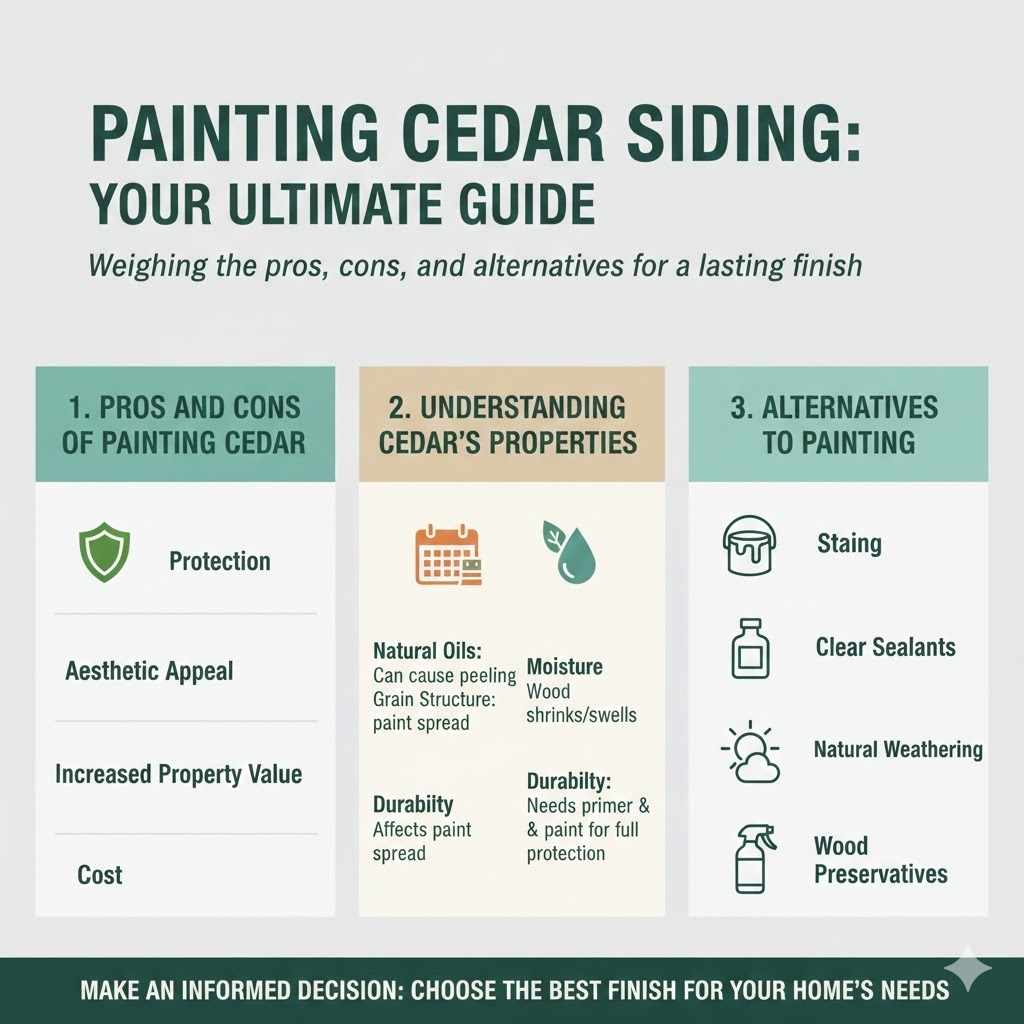
Pros and Cons of Painting Cedar
Painting cedar siding comes with its own set of advantages and disadvantages. Evaluating these helps you make an informed decision. For instance, paint provides a durable barrier against the weather, shielding the wood from sun, rain, and insects. It also allows for significant customization, allowing you to choose any color you desire to match your home’s style. However, painting requires upkeep; you’ll need to repaint periodically, and the process can be time-consuming and costly. Furthermore, painting can cover the natural beauty of the wood grain, which is a key reason many choose cedar in the first place. You must assess all factors, considering your personal preferences and the specific condition of your siding.
- Protection: Paint acts as a shield against the sun’s harmful UV rays, which can cause cedar to fade and crack. It also defends against moisture, preventing rot and wood decay, prolonging the life of your siding.
- Aesthetic Appeal: Painting lets you completely change your home’s appearance. You can pick a new color that complements your home’s design and surroundings, boosting curb appeal.
- Increased Property Value: Properly painted siding can increase your home’s value. A fresh, well-maintained exterior gives a positive first impression to potential buyers.
- Maintenance: Painted cedar siding requires periodic maintenance. You’ll need to clean it regularly and repaint it every few years to keep it looking its best. This requires time and effort.
- Cost: Painting your cedar siding involves costs for materials, like paint, primer, and tools. You may also need to hire a professional, which adds to the expense.
Alternatives to Painting Cedar Siding
Before you commit to painting, you might want to look into other options. Staining your cedar siding is a popular choice, as it highlights the wood grain while offering protection. Staining cedar siding provides UV protection and water resistance, but it also shows off the natural texture and beauty of the wood. Another method to consider is applying a clear sealant, which lets the wood’s natural color shine through while adding a protective layer. Ultimately, exploring these alternatives provides a chance to make a more informed choice that best suits your goals for your home’s appearance and maintenance needs.
- Staining: Staining is a good alternative because it allows the wood grain to show through, preserving the natural beauty of cedar. It also provides UV protection, which can prevent the siding from drying out and cracking.
- Clear Sealants: Clear sealants are another option. They protect the cedar from weather elements without altering its appearance. This is ideal if you like the natural color of cedar.
- Natural Weathering: Some people choose to let their cedar siding weather naturally. This involves letting the wood develop a silvery-gray patina over time. It requires no maintenance but may not be ideal for all climates.
- Wood Preservatives: Wood preservatives are designed to protect the wood from rot and insect damage. They do not change the color of the siding, so they are suitable if you want to maintain the natural look of the cedar.
Getting Ready: Preparation Before You Paint
The success of your cedar siding project relies on proper preparation. This step involves cleaning, repairing, and priming the wood surface. If you skip this, the paint might not stick well, and you could end up with peeling or chipping issues. Taking the time to prepare the surface ensures that the paint adheres properly, creating a smooth and durable finish that lasts. A good preparation routine is not only about making the job easier, but also increasing the long-term quality of your work. Getting these initial steps right is a cornerstone of successfully answering “Can You Paint Cedar Wood Siding? What to Know” with confidence.
Cleaning and Inspecting Your Siding
Before applying any paint, you need to thoroughly clean your siding to remove dirt, mildew, and any old loose paint. Pressure washing is a good method but be careful not to damage the wood. You’ll also want to inspect the siding for any damage, such as cracks, splits, or rot. These issues need to be addressed before you start painting. This careful inspection helps ensure that your paint job will be successful and durable. After cleaning and inspection, you can move on to repairs and priming.
- Cleaning: Use a mild detergent and water to clean the cedar siding. A pressure washer can be effective, but use it on a low setting to avoid damaging the wood.
- Removing Old Paint: Scrape away any loose or peeling paint. Use a scraper or a wire brush, and sand the surface lightly to create a smooth surface for the new paint.
- Inspecting for Damage: Examine the siding for any signs of damage, such as cracks, splits, or rot. Address these issues with wood filler or replacement boards.
- Checking for Mildew: Look for mildew, which appears as dark spots. Clean the affected areas with a mildew remover and rinse thoroughly.
Repairing Cedar Siding
Once you have cleaned and inspected your siding, the next step is to make any necessary repairs. This may involve filling cracks and holes, replacing damaged boards, and sanding rough spots. Properly repairing the cedar siding before painting creates a smooth, even surface, and helps the paint adhere correctly. It also ensures that your paint job not only looks good but also provides lasting protection. Failing to repair damage can lead to issues that can impact the lifespan of your paint job. With this step complete, the siding will be ready for priming.
- Filling Cracks and Holes: Use exterior wood filler to fill in any cracks, holes, or imperfections in the cedar siding. Follow the manufacturer’s instructions for application.
- Replacing Damaged Boards: If a section of the siding is significantly damaged, you might have to
- Sanding: After the filler has dried, sand the repaired areas to create a smooth surface. This prepares the surface for the primer and paint.
- Priming Repaired Areas: Apply a coat of primer to the repaired areas. This helps the new paint adhere properly and ensures a consistent finish.
Choosing the Right Paint and Primers for Cedar
Picking the correct paint and primer is critical for a long-lasting, great-looking finish on your cedar siding. Because cedar is a type of wood, it can expand and contract with changes in weather. Choosing the wrong type of paint may lead to cracking, peeling, or other issues. Selecting the proper paint and primer ensures your siding is protected, beautiful, and able to withstand the elements. When you know which products to use, you increase your chances of successfully answering “Can You Paint Cedar Wood Siding? What to Know”.
Types of Paints for Cedar Siding
Several types of paints are suitable for cedar siding, each with its own benefits. Latex paint is a good choice because it’s flexible and allows the wood to breathe, reducing the chance of blistering or peeling. Oil-based paints offer great durability and are resistant to moisture. Acrylic latex paints combine the flexibility of latex with the durability of acrylics. The best choice depends on factors like climate, your desired finish, and your personal preferences.
- Latex Paint: Latex paints are flexible, meaning they can move with the wood as it expands and contracts. This makes them a good choice for cedar, which is prone to movement with temperature and humidity changes.
- Oil-Based Paint: Oil-based paints are tough and provide excellent protection against moisture. They create a hard, durable finish. However, they can be less flexible than latex paints.
- Acrylic Latex Paint: These paints combine the benefits of both latex and acrylic paints. They provide good flexibility and durability and are easy to clean up.
- Exterior Enamel Paint: Exterior enamel paints are durable and create a smooth, hard surface. They are an excellent option for cedar siding, providing a long-lasting finish.
Picking the Right Primer
Primer is a critical step in painting cedar siding, and using the right one will help you get a great result. Primer acts as a bonding agent between the wood and the paint, creating a smooth surface for the paint to adhere to. It helps to prevent issues like peeling and blistering. Selecting the appropriate primer protects the wood and promotes the paint’s long-term durability. Using the correct primer is one of the most vital things you can do to ensure your paint job lasts for years, so take your time to make sure you have the correct products.
- Oil-Based Primer: Oil-based primers are excellent for sealing wood and preventing tannin bleed-through, which can cause discoloration. They offer good adhesion and durability.
- Latex Primer: Latex primers offer flexibility and can be a good choice for cedar siding. They are less likely to crack or peel compared to oil-based primers, making them useful in variable weather.
- Acrylic Primer: Acrylic primers combine the benefits of latex and acrylic, providing good flexibility and excellent adhesion. They are durable and suitable for various weather conditions.
- Tannin-Blocking Primer: If your cedar siding has knots or contains tannins, use a tannin-blocking primer. These primers prevent tannins from bleeding through the paint and causing discoloration.
Painting Your Cedar Siding Step-by-Step
Now that you’ve prepped your siding and selected the proper paint and primer, it’s time to start painting. Following a step-by-step process ensures a smooth, even finish that looks great and lasts for years. This section provides detailed instructions, taking you from priming to applying the top coats. Proper painting ensures that the answer to “Can You Paint Cedar Wood Siding? What to Know” becomes a rewarding project. With patience and good preparation, you can get professional results.
Priming the Siding
Priming the cedar siding is a crucial step that prepares the surface for painting. Primer promotes adhesion, seals the wood, and helps the topcoat of paint adhere well. Applying the primer evenly, and allowing it to dry completely, is key to getting a durable and visually appealing result. Because cedar can be porous, priming it correctly gives the surface a uniform base, which improves the final appearance of your paint. Doing this correctly makes the rest of the project much easier.
- Apply Primer: Using a brush or roller, apply a coat of primer to the entire surface of the cedar siding. Work in sections, making sure to cover all areas evenly.
- Overlap Strokes: Overlap each brush stroke or roller pass slightly to ensure complete coverage. This helps to create a uniform surface for the topcoat.
- Allow to Dry: Let the primer dry completely according to the manufacturer’s instructions. This usually takes several hours or overnight.
- Inspect for Imperfections: After the primer has dried, inspect the surface for any imperfections. Fill in any areas where the primer did not cover adequately.
Applying the Paint
With the primer applied and dried, it’s time to apply the paint. The goal is to apply the paint evenly to provide a smooth, consistent finish. Brushing or rolling the paint carefully, and letting each coat dry thoroughly, guarantees the paint adheres well and gives the siding a professional appearance. This stage is where you’ll see your work come to life, transforming your cedar siding with fresh color and protection. The patience you put in will give your home a beautiful new look.
- Stir the Paint: Before you start, stir the paint well to make sure the color is consistent and the pigments are mixed.
- Apply the First Coat: Use a brush or roller to apply the first coat of paint. Follow the direction of the wood grain for the best results.
- Let the First Coat Dry: Allow the first coat to dry completely, according to the manufacturer’s directions. This usually takes several hours.
- Apply a Second Coat: After the first coat is dry, apply a second coat of paint. This provides better coverage and a more durable finish.
- Allow the Second Coat to Dry: Let the second coat dry completely. This is the final step, and it protects and beautifies your cedar siding.
Maintaining Painted Cedar Siding
Maintaining your painted cedar siding is vital to ensure it stays in great shape for many years. Regular cleaning and occasional touch-ups are essential to prevent damage from the elements and keep your siding looking fresh. By taking care of your siding, you can protect your investment and enjoy the beauty of your home for a long time. Maintaining your siding helps you continue answering “Can You Paint Cedar Wood Siding? What to Know” with pride.
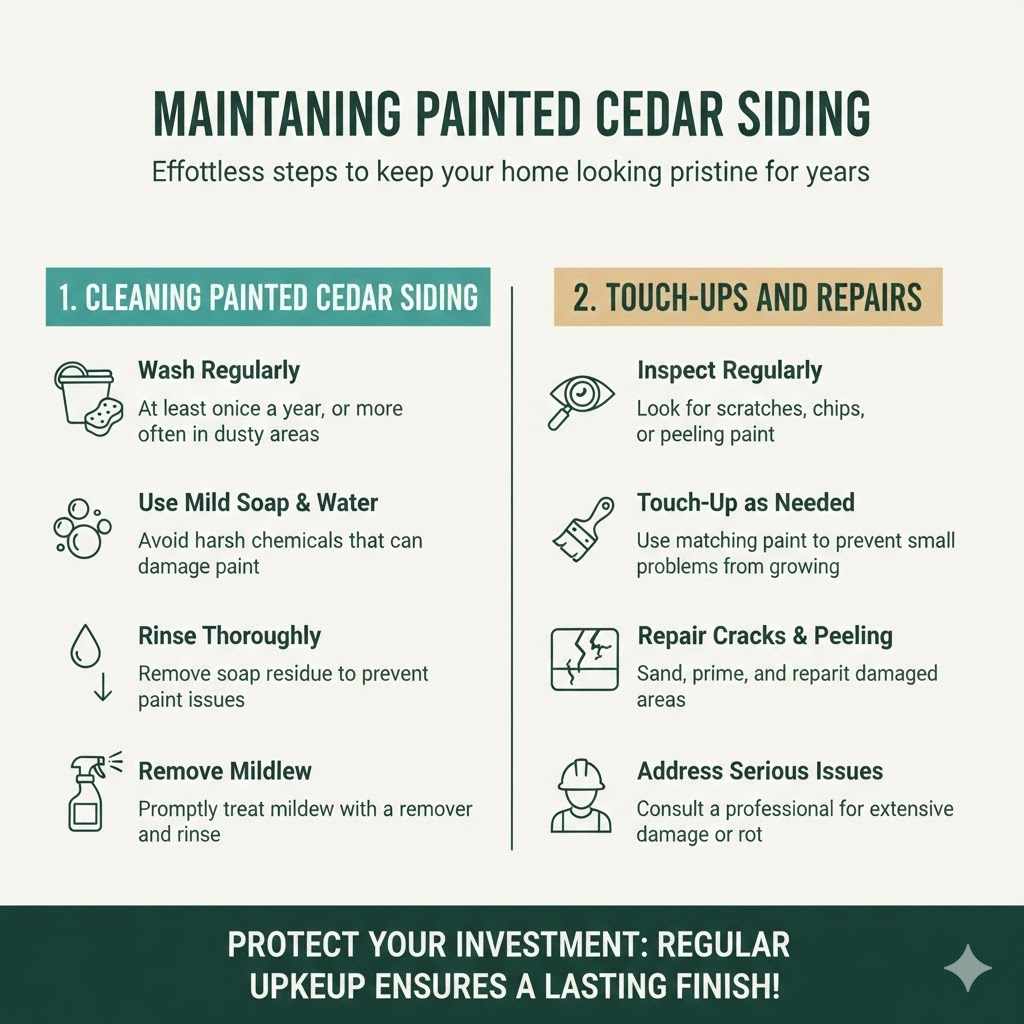
Cleaning Painted Cedar Siding
Regular cleaning is an easy way to keep your painted cedar siding looking its best. Periodic washing removes dirt, dust, and other debris that can build up and degrade the paint over time. This helps protect the siding from the elements and extends the time between repainting. Cleaning your siding is an important part of home maintenance, and it takes very little time. This is also an opportunity to examine your siding for any issues that may require immediate attention.
- Wash Regularly: Wash your siding at least once a year, or more often if you live in a dusty or polluted area.
- Use Mild Soap and Water: Use a mild soap and water solution to clean the siding. Avoid using harsh chemicals or abrasive cleaners.
- Rinse Thoroughly: Rinse the siding thoroughly with clean water after washing. This removes any soap residue that could damage the paint.
- Remove Mildew: If you notice mildew growth, remove it promptly using a mildew remover and rinse thoroughly.
Touch-Ups and Repairs
Even with careful maintenance, your painted cedar siding might experience some wear and tear. Small imperfections like scratches or minor chips are normal, and prompt touch-ups can stop these from becoming major problems. Regular inspections and prompt attention to any issues ensures that your siding looks its best and its lifespan is prolonged. With simple upkeep, you can maintain the beautiful appearance of your home.
- Inspect Regularly: Inspect your siding regularly for any signs of damage, such as scratches, chips, or peeling paint.
- Touch-Up as Needed: Use the same paint color to touch up any damaged areas. This is usually very easy and prevents small problems from becoming bigger issues.
- Repair Cracks and Peeling: If you find any cracks or peeling paint, sand the area and repaint it. Make sure you match the original paint.
- Address More Serious Issues: If you discover more serious issues, such as extensive peeling or rot, consult with a painting professional to fix them.
Frequently Asked Questions
Question: How often should I repaint my cedar siding?
Answer: The frequency of repainting varies depending on factors like climate and paint quality. Typically, you might repaint every 5-10 years.
Question: What type of paint is best for cedar siding?
Answer: Acrylic latex paints are a popular choice. They offer excellent flexibility, durability, and they are also easy to clean.
Question: Should I prime cedar siding before painting?
Answer: Yes, priming is essential. It helps the paint adhere to the wood, seals the surface, and prevents issues like tannin bleed-through.
Question: What tools do I need to paint cedar siding?
Answer: You’ll need brushes, rollers, paint trays, a scraper, sandpaper, and a pressure washer or hose for cleaning.
Question: How can I prevent paint from peeling on cedar siding?
Answer: Proper preparation is key. Make sure the surface is clean, and use a good primer. Avoid painting in direct sunlight or very humid conditions.
Final Thoughts
Painting cedar siding is a project that can greatly improve the look and longevity of your home. By thoroughly preparing the wood, choosing the right paint and primer, and following the steps, you can achieve professional-looking results. Remember that cleaning and periodic inspections are crucial for upkeep. The steps include cleaning the surface, repairing any damage, priming, and applying two coats of paint. Knowing how to maintain your painted siding and how to deal with issues as they come up can help you keep your home looking its best. With these tips, you’re well-equipped to undertake this project. You’re ready to enhance your home’s curb appeal and protect your investment for years to come. Now, roll up your sleeves and get started!