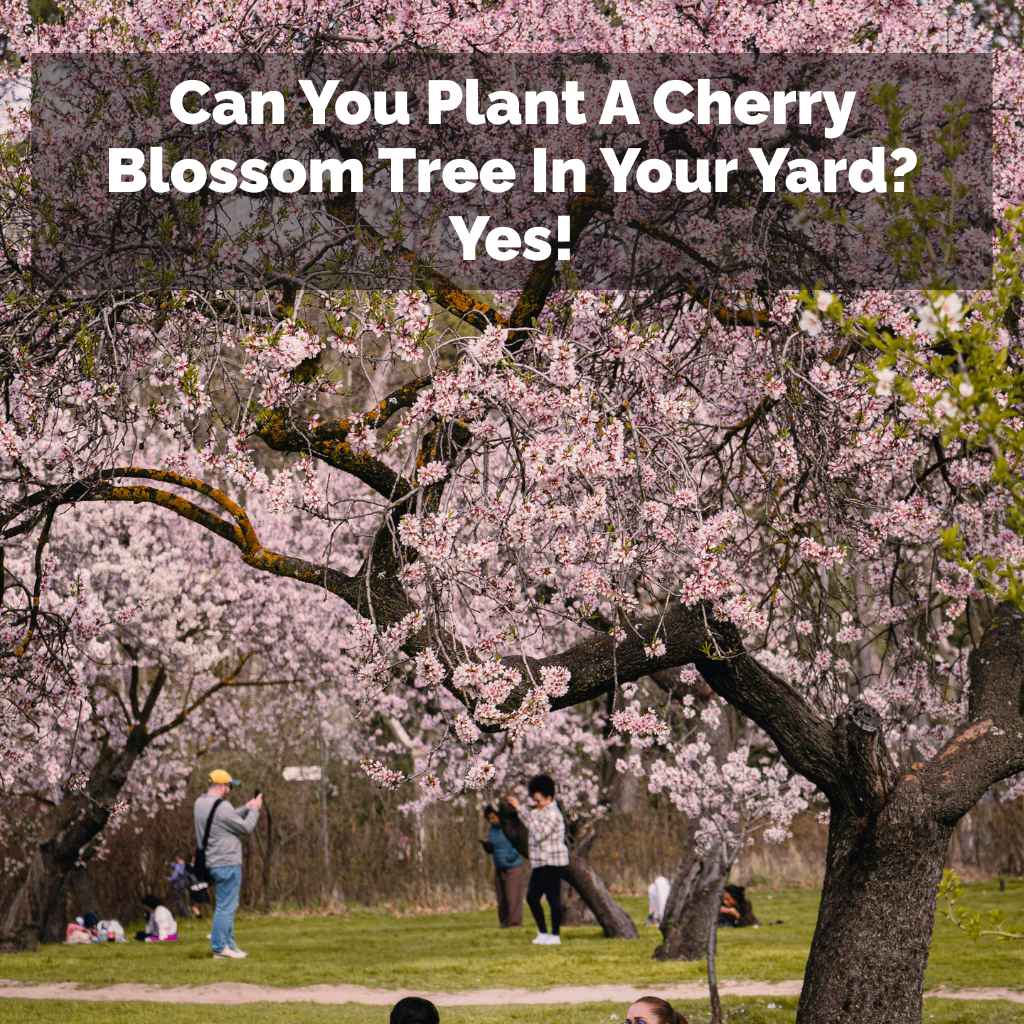
Can You Plant A Cherry Blossom Tree In Your Yard? Yes!
Planting a cherry blossom tree feels like a dream for many. Imagine your yard bursting with beautiful pink or white flowers each spring. It’s a picture-perfect scene.
But the big question is: Can you actually plant one in your own backyard? We get it. It can seem a bit daunting.
Will it survive? Is my yard the right place? Let’s break it all down, simply and clearly.
You’re about to find out if this floral beauty can become a reality for you.
Yes, you can often plant a cherry blossom tree in your yard. Many varieties are well-suited for home gardens. Success depends on choosing the right type for your climate, providing adequate sunlight, good soil drainage, and proper care. Careful selection and planting are key.
Understanding Cherry Blossom Trees
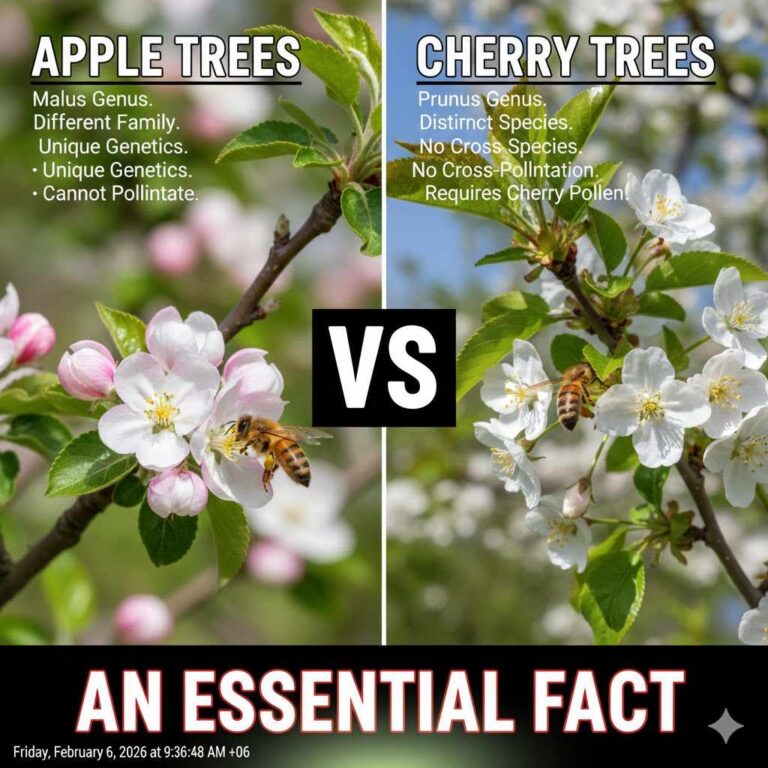
Cherry blossom trees, or ‘sakura’, are famous for their stunning spring flowers. These trees belong to the Prunus genus. This group also includes peaches, plums, and almonds.
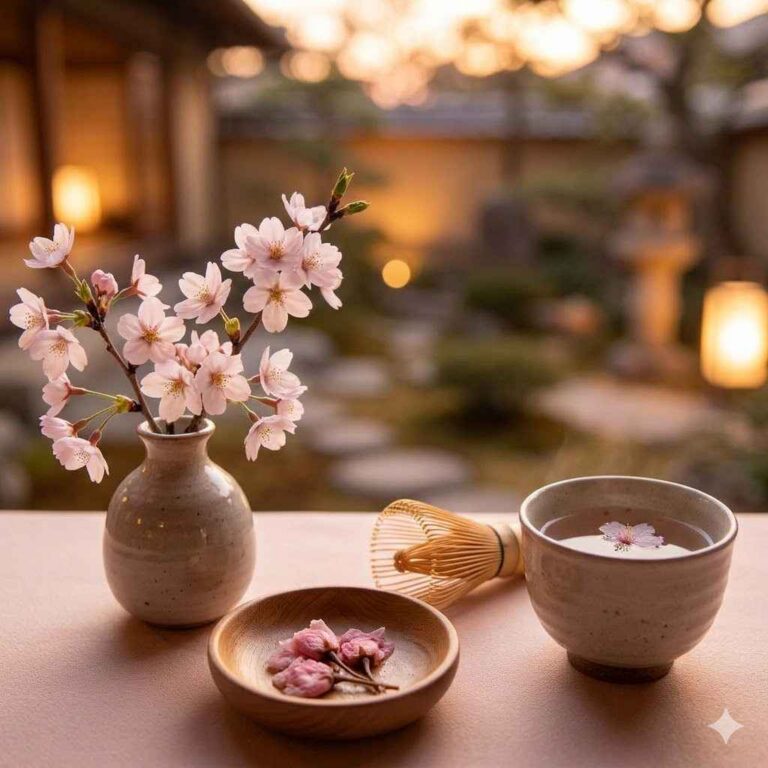
They are not just pretty. They hold deep cultural meaning in Japan. There, they symbolize spring’s arrival and the fleeting nature of life.
It’s this beauty and symbolism that makes people want them so much.
These trees need specific conditions to thrive. They are not overly demanding, but they do have preferences. Knowing these preferences is the first step to success.
It helps you understand if your yard is a good match. It also guides you on how to care for them once planted.
What Makes Them Special
The flowers are the main draw. They come in many shades. You’ll see soft pink, vibrant magenta, and pure white.
Some have single petals. Others have many layers, making them look very full. They bloom for a short time.
This brief bloom is part of their charm. It reminds us to enjoy the moment.
Beyond the flowers, cherry blossoms offer other benefits. Many varieties grow into beautiful shapes. Some are tall and upright.
Others have a weeping or spreading form. This gives you options for landscape design. Even without flowers, they can be attractive trees.
Different Types for Different Yards
Not all cherry blossoms are the same. There are many species and cultivars. Some are grown for their fruit.
Most ornamental ones are chosen for their flowers. For home gardens, ornamental varieties are usually best. They are bred for beauty, not fruit production.
This means they often stay a more manageable size.
When choosing a tree, think about size. Some can get quite large. Others stay smaller.
This is important for fitting them into your yard. You also need to consider your climate. Some trees do better in colder areas.
Others prefer warmer weather. Researching specific types for your region is crucial.
Can You Plant a Cherry Blossom Tree in Your Yard?
The simple answer is yes, for most people. But it comes with a few important “ifs”. Your yard needs to meet certain basic needs for the tree to grow well.
It’s not just about digging a hole and hoping for the best. It’s about giving the tree the right start.
Think of it like this. If you wanted to grow tomatoes, you’d need sun and good soil. Cherry blossoms are similar.
They need the right environment to show their best. Let’s look at what that environment is. This will help you decide if your yard is ready for this lovely addition.
Sunlight: The Golden Rule
Cherry blossoms need sun. They really love it. Aim for a spot that gets at least six hours of direct sunlight each day.
More is often better. Full sun helps the tree produce more flowers. It also keeps the tree healthy and strong.
A shady spot might mean fewer blooms. It can also make the tree more prone to diseases.
Walk around your yard. See where the sun hits throughout the day. Note down the sunniest spots.
These are your prime locations. Even if you don’t have a perfectly sunny spot, some varieties might tolerate partial sun. But for the best show, full sun is your goal.
Don’t underestimate this factor.
Soil: It Needs to Drain Well
This is another big one. Cherry blossoms hate wet feet. Their roots can rot if they sit in soggy soil.
So, good drainage is non-negotiable. If you have heavy clay soil, it might hold too much water. You might need to improve it.
Adding compost can help. It makes the soil lighter.
How can you test your soil drainage? Dig a hole about a foot deep and a foot wide. Fill it with water.
Let it drain completely. Then, fill it again. Time how long it takes to drain.
If it takes more than a few hours, you have poor drainage. This is something you’ll need to fix before planting.
Space: Giving Them Room to Grow
Trees need space. Cherry blossoms are no exception. Check the mature size of the variety you want.
Some can grow 20-30 feet tall and wide. You need to make sure there’s enough room. Avoid planting too close to buildings.
You also don’t want them crowding other plants or trees.
Think about overhead. Are there power lines? You can’t plant a large tree under those.
Also, consider how the tree will look as it grows. It needs to be a beautiful feature, not a problem. Planning for its full size from the start is smart.
It prevents future issues.
Choosing the Right Variety
Consider your USDA Hardiness Zone. This tells you how cold your winters get. Some cherry blossoms need a cold period to bloom well. Others are better for warmer climates.
Think about the bloom time. Some bloom early spring. Others bloom mid or late spring. You might even find varieties with different colors.
Look at the tree’s mature size and shape. Do you want a tall, stately tree or a smaller, weeping one? This impacts where you can plant it.
Research disease resistance. Some types are more prone to certain problems. Choosing a resistant variety can save you headaches later.
My Own Cherry Blossom Story
I remember my first attempt to plant a cherry blossom. It was years ago. I was so excited.
I found a beautiful tree at the nursery. It was already showing tiny buds. I pictured it in my front yard, right by the sidewalk.
It seemed like the perfect spot. It got sun, or so I thought.
I dug the hole. I put the tree in. I watered it well.
Then, I waited. The buds fell off. The tree just sat there.
It looked sad. I was confused and a little frustrated. What went wrong?
My neighbor, who had a gorgeous Japanese maple, saw my plight. He came over. He looked at the spot.
“Too much shade here,” he said simply. “And the soil is pretty heavy clay.” He was right. I had overlooked those key details.
He explained how he chose his maple. He had checked the sun patterns for a full day. He also dug a test hole to see how fast water drained.
That day, I learned a valuable lesson. A pretty tree needs a happy home. It’s not just about the tree; it’s about the place you give it.
My next cherry blossom, planted in a sunnier spot with better soil, did beautifully.
Common Concerns and Solutions
Many people worry about planting these trees. They wonder if they are too difficult. Or if they will last.
Let’s address some common fears. Often, the solutions are simpler than you think. It’s about understanding the tree’s needs.
Pests and Diseases
Like all plants, cherry blossoms can attract pests. Aphids and Japanese beetles are common. Diseases like powdery mildew or brown rot can also be a problem.
The good news? Healthy trees are less likely to suffer. Providing the right conditions is your first line of defense.
If you do see pests, often a strong spray of water can knock them off. For more serious issues, there are organic sprays. Always identify the problem correctly before treating it.
Over-treating can harm the tree.
Quick Pest & Disease Check
- Leaves curling or spotted? Might be aphids or a fungal issue.
- Holes in leaves? Likely beetles.
- Branches look dry or cracked? Could be a more serious disease.
Action: Inspect regularly. Treat early. Healthy trees bounce back.
Winter Care
In colder regions, winter can be tough for young trees. The bark can split if temperatures fluctuate a lot. This is called frost crack.
Young trees also have thinner bark. It’s more easily damaged by cold winds or animals.
Protecting young trees in winter is wise. You can wrap the trunk with tree wrap. This insulates it.
It also prevents damage from rodents. Mulching around the base helps too. It keeps the roots at a more stable temperature.
Pruning: When and How
Most ornamental cherry blossoms don’t need much pruning. They naturally grow into lovely shapes. If you do prune, do it for a reason.
Remove dead or damaged branches. You can also prune to shape the tree. Or to improve air circulation.
The best time to prune is usually right after flowering. This is because they bloom on old wood.
Avoid heavy pruning in fall or winter. This can remove the flower buds for the next spring. It can also make the tree more vulnerable to cold damage.
Keep cuts clean and sharp. Make them at the branch collar. This helps the tree heal properly.
Planting Your Cherry Blossom Tree
So, you’ve decided your yard is a good fit. You’ve picked your tree. Now comes the planting.
This is a critical step. Doing it right sets your tree up for a long, beautiful life.
Step-by-Step Planting Guide
First, dig a hole. It should be twice as wide as the tree’s root ball. But no deeper than the root ball.
You want the top of the root ball to be level with the ground. Or even slightly above it. This prevents the roots from sitting too low.
Gently remove the tree from its pot or container. Loosen any roots that are circling the root ball. This is important for growth.
Place the tree in the center of the hole. Make sure it’s standing straight. Then, start filling the hole with the soil you removed.
Don’t add any extra fertilizer to the hole. It can burn the roots.
Once the hole is about half full, water the soil well. This helps settle it. It removes air pockets.
Then, finish filling the hole. Gently pat the soil down. Don’t stomp on it.
Water again thoroughly after planting. This is called watering it in.
Mulching for Health
After watering, add a layer of mulch. Use organic mulch like wood chips or shredded bark. Keep the mulch a few inches away from the trunk.
You want to avoid rot. Mulch helps keep the soil moist. It also suppresses weeds.
And it regulates soil temperature.
A layer of 2-3 inches is usually perfect. This mimics the forest floor. It helps the soil stay healthy.
It also makes your tree look tidy. It’s a simple step that makes a big difference for the tree’s well-being.
Planting Don’ts
- Don’t plant too deep. This is a common mistake.
- Don’t add fertilizer to the planting hole. Wait until the tree is established.
- Don’t compact the soil too much. Roots need air.
- Don’t forget to water. Especially in the first year.
Caring for Your Cherry Blossom
Once your tree is planted, the care continues. But it’s not a lot of work. It’s mostly about paying attention.
And providing what the tree needs as it grows.
Watering Needs
Young trees need consistent watering. Especially during their first year. Water deeply when the top inch or two of soil feels dry.
Avoid shallow watering. This encourages shallow roots. Deep watering promotes strong root growth.
As the tree matures, it becomes more drought-tolerant. But in very dry spells, it’s still a good idea to water. Especially if it’s not blooming as well as it used to.
Overwatering is just as bad as underwatering. So, always check the soil first.
Fertilizing: Less is More
Most established cherry blossom trees don’t need much fertilizer. If your soil is decent and you’ve amended it with compost, your tree likely has enough. Too much nitrogen can lead to lots of leafy growth.
But fewer flowers. This is the opposite of what you want.
If you feel your tree needs a boost, use a balanced fertilizer. Apply it in early spring. Before growth starts.
Or after flowering. Follow the package directions carefully. A soil test can tell you exactly what nutrients your soil might be missing.
This is the most accurate way to know if you need to fertilize.
Quick Care Checklist
- Watering: Deeply when dry, especially when young.
- Fertilizing: Sparingly, if needed, in spring.
- Pruning: After flowering, only as needed.
- Mulching: Keep a layer around the base, away from the trunk.
- Observation: Check for pests or disease regularly.
Real-World Considerations
What does this mean for your everyday life? How does a cherry blossom tree fit into your yard? It’s more than just a pretty face.
It’s a living thing that interacts with its environment.
Your Local Climate
This is probably the most important factor. Your USDA Hardiness Zone is key. If you are in Zone 9, a tree meant for Zone 4 might struggle.
And vice versa. Some cherry blossoms need a period of cold. This is called chilling hours.
It helps them set flower buds. If you live where winters are very mild, look for varieties that don’t need many chilling hours.
Even within a zone, microclimates exist. Your yard might be warmer or cooler than the average for your area. Think about which way your house faces.
Is it protected from harsh winds? Does it get reflected heat from a wall? These small things can influence your tree’s success.
Space and Design
Consider how the tree will look in your yard over time. A young tree looks small. But it will grow.
Imagine its full size. Does it block a window? Does it crowd out a favorite rose bush?
Plan for its future shape and spread.
Cherry blossoms can be focal points. They can draw the eye to a certain area. Or they can soften a hard landscape feature.
Think about planting them where you can see them easily from a window or patio. Their brief bloom is something you’ll want to enjoy.
Landscape Ideas
- Specimen Tree: Planted alone in a lawn.
- Accent Planting: Grouped with other flowering shrubs.
- Near a Water Feature: The reflection can be stunning.
- By a Seating Area: Enjoying the blooms up close.
What This Means for You
So, is planting a cherry blossom tree achievable for you? For most people, yes! It’s not an impossible task.
But it does require a little planning. And a little understanding of what the tree needs.
When It’s Normal and Easy
If you live in a region with four distinct seasons. If you have a yard that gets good sunlight. And if your soil drains well, or you can easily improve it.
Then planting a cherry blossom tree is likely a very good idea. You’ll find many varieties suitable for your area. Care will be straightforward.
And you’ll be rewarded with beauty each spring.
When to Be Cautious
If you live in an area with extremely mild winters and very few chilling hours. If your yard is mostly shade. Or if you have heavy, waterlogged soil that’s hard to amend.
You might need to be more selective. You may need to choose a specific variety. Or you might have to manage expectations.
Sometimes, it just might not be the best tree for that specific spot. But don’t give up hope. There might be other beautiful flowering trees that are a better fit.
Simple Checks
- Sunlight: At least 6 hours of direct sun daily?
- Soil: Does water drain away within a few hours?
- Space: Enough room for its mature size?
- Climate: Is the variety suited to your hardiness zone?
Quick Tips for Success
Want to make sure your cherry blossom tree thrives? Here are a few easy tips. They build on what we’ve discussed.
They help ensure your tree looks its best.
- Buy from a reputable nursery. They can offer advice specific to your area.
- Inspect the tree before buying. Look for healthy leaves and a strong trunk. Avoid trees with visible damage or disease.
- Plant at the right time. Early spring or fall are usually best. This allows roots to establish before extreme weather.
- Water consistently in the first year. This is crucial for new trees.
- Be patient. It can take a year or two for a new tree to really settle in.
Frequently Asked Questions
How long do cherry blossom trees live?
Many ornamental cherry blossom trees can live for 50 to 60 years. Some varieties, with excellent care and ideal conditions, can live even longer, sometimes reaching 100 years or more. Their lifespan depends heavily on the variety, climate, soil conditions, and care they receive.
Do cherry blossom trees attract bees?
Yes, cherry blossom trees do attract bees and other pollinators. While they are not typically known as a major honey-producing tree like some fruit trees, their abundant early spring blossoms provide a valuable food source for bees when other flowers may not yet be blooming. They are generally gentle and not aggressive.
What is the best time of year to plant a cherry blossom tree?
The best time to plant a cherry blossom tree is generally in the early spring or in the fall. Planting during these cooler seasons allows the tree’s root system to establish itself before the stress of hot summer weather or the harshness of winter arrives. Fall planting is often preferred as it gives roots time to grow over winter.
How much space do I really need for a cherry blossom tree?
The space needed depends on the specific variety. Dwarf or smaller varieties might only need 10-15 feet of space. Larger, ornamental trees can spread 20-30 feet wide.
Always check the mature size of the tree you are considering. You need to ensure it has enough room to grow without being crowded by buildings, fences, or other plants.
Can I grow a cherry blossom tree from a seed?
While technically possible, growing a cherry blossom tree from a seed is generally not recommended for ornamental varieties. The resulting tree may not have the same beautiful flower characteristics as the parent tree. This is because many ornamental cherries are grafted.
For predictable results, it is best to purchase a grafted tree from a nursery.
My cherry blossom tree has no flowers. Why?
Several reasons can cause a lack of flowers. These include insufficient sunlight, poor soil drainage, lack of chilling hours (if required for that variety), too much nitrogen fertilizer, or damage from pests or diseases. Also, a very young tree might not be mature enough to flower.
Ensuring it has enough sun and well-draining soil is a great starting point.
Conclusion
So, can you plant a cherry blossom tree in your yard? Absolutely! With a little research and care, you can enjoy their breathtaking blooms.
Choosing the right variety for your area is key. Providing good sun and well-draining soil will set you up for success. It’s a rewarding journey.
One that ends with a beautiful, blooming masterpiece in your own backyard.