Is Plywood Recyclable? Real US Disposal Options & Costs
Plywood is not accepted in curbside recycling — the cross-glued veneer layers jam sorting equipment, so almost every US municipality sends it to landfill or a separate wood-waste program instead. Skip that distinction and a hauler can reject your load or bill a contamination fee. This guide covers which plywood actually counts as recyclable, real disposal costs ($75–250 per ton), and exactly where to donate or drop off scrap sheets.
Quick Answer
Plywood is technically recyclable, but almost never through curbside bins. Clean, untreated sheets can go to a construction-and-demolition (C&D) wood recycler or be donated whole — Habitat for Humanity ReStore accepts half-sheets (4×4 ft) or larger with no water damage. Treated, painted, or glue-contaminated plywood usually can’t be recycled and goes to a C&D landfill instead.
What Is Plywood?
Best Dust Mask Pick for Cutting Up Old Plywood
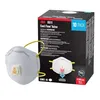
3M 8511 N95 Cool Flow Valved Respirator, 10-Pack
NIOSH-approved N95 disposable respirator built for sanding, sawing, and general woodworking dust — the right minimum protection any time you’re cutting up old plywood scraps.
- Best for: Occasional cutting or sanding of scrap plywood before reuse
- Why we picked it: NIOSH N95 rating plus a cool-flow valve for easier breathing during longer cuts
- Main drawback: Disposable — not rated for solvent fumes or heavy, all-day shop use
Compare more respirator options
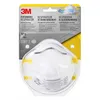 Budget Pick 3M N95 Performance Respirator 8210, 2-Pack
|
 Heavy-Use Pick GVS Elipse P100 Half Mask Respirator
|
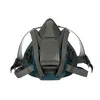 Mid-Range Pick 3M Rugged Comfort Half Facepiece Respirator 6503QL
|
As an Amazon Associate we earn from qualifying purchases.
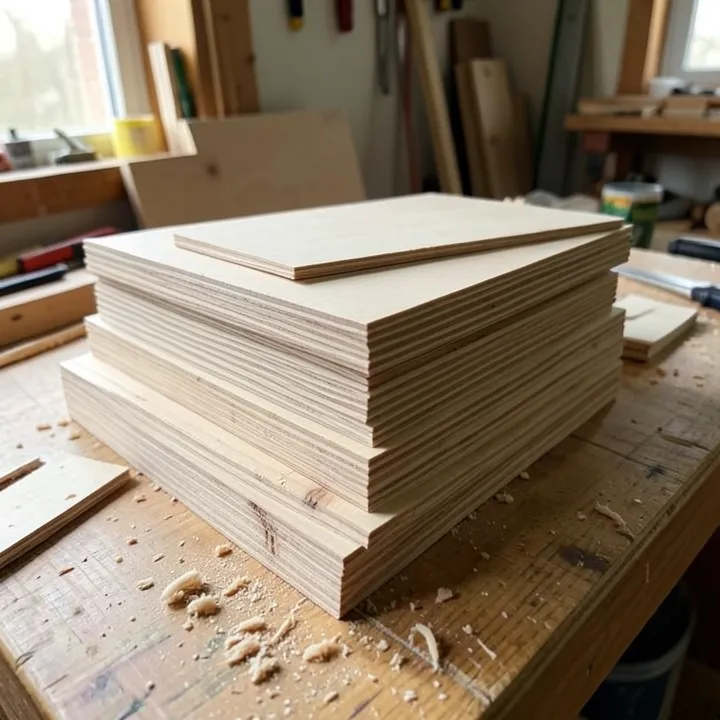
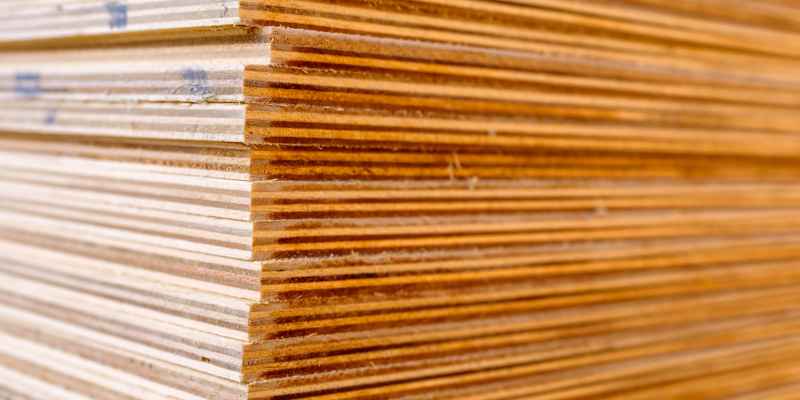
Plywood is engineered wood made by gluing thin layers of wood veneer together, with the grain of each layer rotated 90 degrees from the one below it. That cross-graining is what makes plywood resist warping and splitting compared to a solid board of the same thickness.
The layers come from fast-growing species like pine, fir, or birch. What holds them together — usually a urea-formaldehyde or phenol-formaldehyde adhesive — is also what makes plywood harder to recycle than a plain 2×4: you can’t separate the wood from the glue without specialized equipment.
Is Plywood Recyclable?
Plywood itself is made of wood, which is biodegradable and technically recyclable — but “technically recyclable” and “accepted by your recycling bin” are two different things. Solid, untreated wood can usually be chipped or composted. Plywood can’t follow the same path unless the adhesive and any coatings are dealt with first.
Why Curbside Recycling Won’t Take It
Curbside programs are built around paper, glass, metal, and a few plastics — materials with an established, high-volume resale market. Plywood doesn’t fit: it’s bulky, it jams sorting machinery built for flat sheets of paper and small containers, and the glue can release fumes when the load is baled or shredded. Most municipal recycling contracts explicitly bar wood, plywood, and lumber from residential bins — putting it in anyway risks having the whole container flagged as contaminated and landfilled.
Clean Plywood vs. Treated Plywood: Why It Matters
Whether a sheet can realistically be recycled comes down to what’s in it:
- Clean, unfinished plywood (no paint, no laminate, no pressure treatment) — the best case. Wood recyclers can chip it into mulch or biomass fuel without extra sorting.
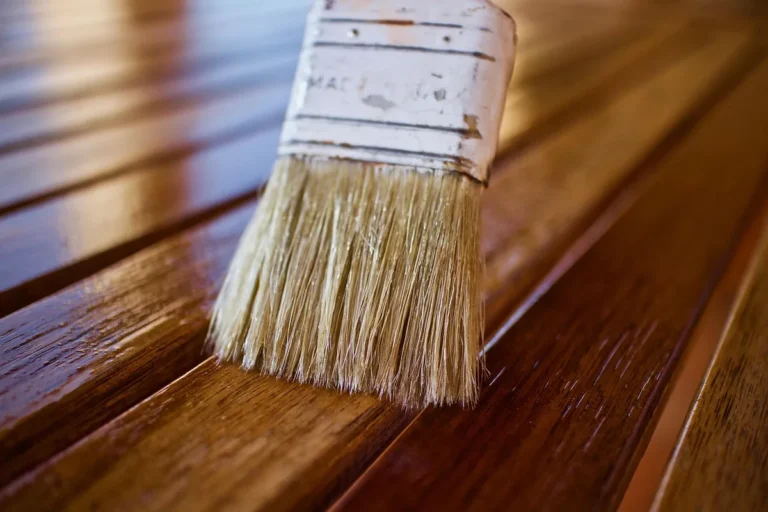
- Painted, stained, or sealed plywood — the coating has to be identified before a facility will take it; many won’t bother and route it to landfill instead.
- Pressure-treated or marine plywood — preservatives like copper azole make this the hardest category. Never burn it and never chip it for mulch or animal bedding; it goes to a lined C&D landfill, not a wood recycler.
📊 Since 2019, plywood and other composite wood panels sold in the US must meet EPA TSCA Title VI formaldehyde emission limits (identical to California’s CARB Phase 2 standard) — look for a TSCA Title VI or CARB P2 compliance stamp on the sheet edge before assuming older stock is safe to chip, burn, or compost. — Source: US EPA, Formaldehyde Emission Standards for Composite Wood Products, 2026.
Can Treated or Painted Plywood Be Recycled?
Generally, no — not through a standard wood recycler. Pressure-treated and marine-grade plywood contain preservative chemicals that contaminate mulch, compost, and biomass fuel batches, so most facilities reject it outright. Painted or laminated sheets are a gray area: some C&D recyclers will take small quantities if the coating is fully cured and non-lead, but you have to call ahead and ask — don’t assume.
If you’re not sure what you’re holding, treated plywood usually has a greenish or brownish tint from the preservative and a stamped grade mark on the edge (look for “AWPA” or a treatment retention level). When in doubt, bag any sawdust and route the sheet to your local household hazardous waste or C&D drop-off instead of a curbside pile.
How Much Does It Cost to Get Rid of Plywood?
Disposal cost depends entirely on which category above your plywood falls into. These are typical 2026 US rates — your local transfer station or hauler will have exact pricing:
| Disposal Route | Typical Cost | Best For |
|---|---|---|
| Clean wood recycler (mulch/biomass) | $5–$17.50 / ton | Untreated, unpainted offcuts |
| Landfill – clean wood | $75–$125 / ton | When no wood recycler is nearby |
| Landfill – mixed/treated wood | $150–$250 / ton | Pressure-treated, painted, laminated |
| Dumpster rental (10–20 yd) | $300–$600 / week | Renovation-scale volume |
| Habitat for Humanity ReStore donation | Free (tax-deductible) | Clean half-sheets or larger, no damage |
Separating clean offcuts from painted or treated pieces before you haul them can cut your total bill by 20–40%, since mixed loads get billed at the higher “contaminated” rate even if most of the pile is clean.
Where to Recycle or Donate Plywood
Donating Plywood
If your leftover plywood is in good shape, donating beats recycling — it skips the energy cost of reprocessing entirely. Habitat for Humanity ReStore locations generally accept plywood sheets that are at least a half-sheet (4×4 ft) with no rot, water damage, mold, or embedded nails and screws; requirements vary slightly by branch, so call ahead. Local maker spaces, theater/set-building groups, and community workshops are also worth a call for smaller offcuts.
Upcycling Plywood
Turning scraps into new items — shelving, shop jigs, garden boxes, art panels — keeps material out of the waste stream and doesn’t depend on finding a facility that takes plywood at all. It’s the option with zero disposal fee and zero uncertainty about local recycling rules.
Practical Ways to Deal With Old Plywood
- Reuse it whole: the easiest option — use offcuts for shelving, drawer bottoms, or shop jigs before considering disposal at all.
- Break it down for parts: cut clean sections into smaller usable pieces; sand rough edges before reusing.
- Compost only if verified untreated: most plywood, including birch and fir, contains synthetic adhesive that does not belong in a compost pile — see the FAQ below.
- Send it to biomass/energy recovery: some C&D recyclers chip clean plywood for use as boiler fuel, recovering energy instead of landfilling it.
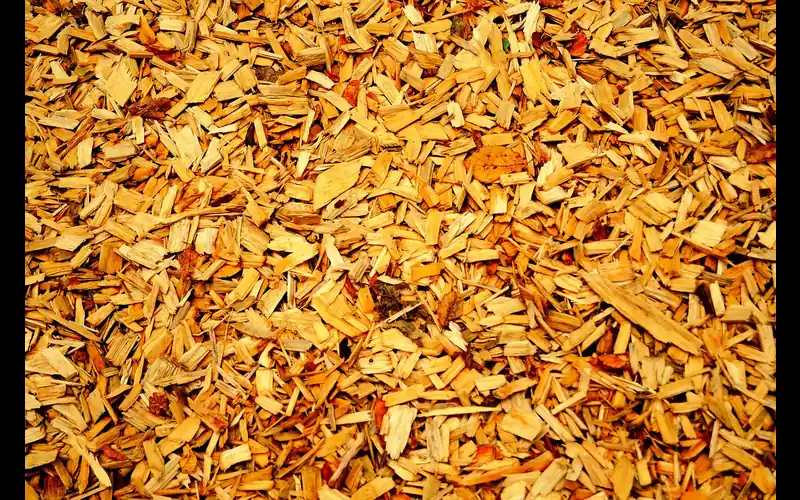
“Every time I break down an old sheet of ply for a project, I run a shop vac right at the blade and wear a rated mask — the dust from cut edges carries the adhesive along with the wood fiber, and that’s not something you want to breathe for an afternoon.”
Why Recycling or Reusing Plywood Is Worth the Extra Step
Diverting plywood from the landfill reduces demand for new lumber, keeps bulky waste out of already-strained municipal landfills, and — when it goes through a proper wood recycler instead of general C&D dumping — avoids the fumes that plywood glue can release if it’s incinerated improperly. None of that requires the sheet to be “recyclable” in the curbside sense; reuse and donation accomplish the same goal for free.
Frequently Asked Questions
Is plywood recyclable?
Plywood is made of wood, so it’s technically recyclable, but almost never through curbside bins. Clean, untreated plywood can go to a construction-and-demolition wood recycler; treated or painted plywood usually can’t be recycled and goes to landfill instead.
Can treated or painted plywood be recycled?
Generally no. Pressure-treated and marine-grade plywood contain preservatives that contaminate mulch and biomass fuel batches, so most wood recyclers reject them outright. Some facilities accept fully-cured painted plywood in small amounts — call ahead to confirm before hauling it.
Does plywood contain formaldehyde?
Most plywood sold in the US uses a formaldehyde-based adhesive to bond the veneer layers. Since 2019, composite wood products must meet EPA TSCA Title VI emission limits (matching California’s CARB Phase 2 standard), so newer sheets emit far less than older stock — check the edge stamp for a compliance label.
Can plywood be composted?
No. Standard plywood contains synthetic adhesive and, often, a formaldehyde-based resin that does not belong in a compost pile. Only plain, solid, untreated wood scraps — not plywood — are safe to compost.
Where can I donate leftover plywood?
Habitat for Humanity ReStore locations generally accept plywood sheets that are at least a half-sheet (4×4 ft) in size, free of water damage, mold, rot, and embedded nails or screws. Requirements vary by branch, so call your local ReStore before dropping it off.
How much does it cost to dispose of plywood?
Clean, unpainted plywood typically runs $75–$125 per ton at a landfill or as little as $5–$17.50 per ton through a wood recycler that chips it into mulch or biomass fuel. Mixed or treated plywood costs more — usually $150–$250 per ton — because it can’t be processed with clean wood.
Conclusion
Plywood being “made of wood” doesn’t make it curbside-friendly — the glue that holds the veneer layers together is exactly what keeps it out of standard recycling programs. The reliable path is knowing which category your sheet falls into: clean and untreated goes to a C&D wood recycler or gets donated whole, while treated or painted plywood needs a landfill built to take it. Check your local disposal options before you haul a load, and you’ll skip both the contamination fee and the guesswork.
Sponsored / affiliate links. As an Amazon Associate I earn from qualifying purchases. I may earn additional commission from eligible campaigns.