Self-Leveling Compound for Wood Floors: What to Know First
Self-leveling floor compound is a recommended solution for leveling wood floors. It is not advised to use self-leveling concrete for outdoor applications due to potential issues caused by the freeze-thaw cycle or excessive moisture exposure.
To level an uneven floor for wood flooring, you can utilize underlayment, floor leveler, or floor patch products. Underlayment acts as a thin layer of material placed between two other materials, providing insulation, sound absorption, and floor protection.
Why Choose Self-leveling Compounds For Wood Floors
Best for Self-Leveling Compound for Wood Floors
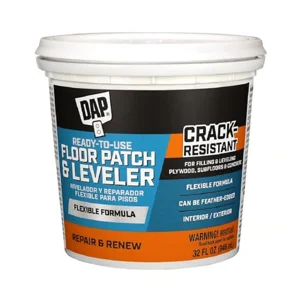 |
DAP Flexible Floor Patch and Leveler, Light Gray, 32 Oz (7079859184) – $12.98 The product this guide names by name for self-leveling compound for wood floors – matched here to a real, currently listed ASIN.
|
Self-leveling compounds are an ideal choice for wood floors because they provide a smooth and level surface, ensuring proper installation and preventing issues such as sagging or unevenness. With their easy application and ability to fill in low spots, self-leveling compounds help create a flawless finish for your wood floors.
When it comes to installing or repairing wood floors, choosing the right leveling method is crucial. Self-leveling compounds offer a convenient and effective solution for achieving a smooth and level surface. Here are some compelling reasons why you should consider using self-leveling compounds for your wood floors:
Benefits Of Self-leveling Floor Compounds
Self-leveling compounds offer several benefits that make them an ideal choice for wood floors. Here are some key advantages:
- Easy Application: Self-leveling compounds are designed to be easy to use, making the application process quick and efficient. Whether you’re a DIY enthusiast or a professional contractor, you can achieve professional-level results with minimal effort.
- Leveling Capabilities: Self-leveling compounds are specifically formulated to level out uneven surfaces, filling in low spots and smoothing out any imperfections. This ensures a flat and even base for your wood flooring, resulting in a visually appealing and structurally sound installation.
- Time-Saving: Traditional methods of leveling wood floors can be time-consuming and labor-intensive. Self-leveling compounds, on the other hand, offer a faster solution. They dry quickly and require minimal preparation, allowing you to proceed with the installation or repair process without unnecessary delays.
- Durability: Self-leveling compounds are designed to be strong and durable, providing a solid foundation for your wood flooring. They can withstand heavy foot traffic and help prevent the development of cracks and other damages that can compromise the longevity of your wood floors.
- Compatibility: Self-leveling compounds are versatile and can be used with various types of wood flooring, including solid hardwood, engineered wood, and laminate. They adhere well to different subfloors, such as plywood and concrete, ensuring a secure bond and stable installation.
Self-leveling Vs. Traditional Methods
When comparing self-leveling compounds to traditional leveling methods, there are several factors to consider:
| Self-Leveling Compounds | Traditional Methods |
|---|---|
| Easy and quick application | Time-consuming and labor-intensive |
| Level and smooth surface | May result in unevenness and imperfections |
| Dries quickly | Requires longer drying time |
| Compatible with various wood flooring types | May have limitations in compatibility |
| Provides a durable foundation | May be prone to cracking and damages |
Overall, self-leveling compounds offer a more efficient, reliable, and convenient solution for leveling wood floors. Their ease of use, leveling capabilities, time-saving benefits, durability, and compatibility make them a preferred choice for both DIYers and professionals alike.
Types Of Self-leveling Compounds
When it comes to preparing wood floors for a new finish, self-leveling compounds are a popular choice. These compounds are designed to create a smooth and even surface, correcting any imperfections in the floor. There are different types of self-leveling compounds available, each with its own unique characteristics and benefits. Understanding the different types can help you choose the most suitable option for your wood floors.
Acrylic-based Compounds
Acrylic-based self-leveling compounds are known for their fast-drying properties, making them ideal for projects that require quick turnaround times. These compounds are versatile and can be used on a variety of substrates, including wood. Acrylic-based compounds offer excellent adhesion and can be applied in thin layers, making them suitable for both minor and major leveling jobs.
Cementitious Self-levelers
Cementitious self-levelers are composed of cement and other additives that improve flow and self-leveling properties. These compounds are highly durable and can withstand heavy foot traffic, making them ideal for wood floors in high-traffic areas. They provide a strong bond to the substrate and are often used to level uneven surfaces and prepare them for the installation of new flooring materials.
Preparing Your Wood Floors
Before applying self-leveling floor compound to wood floors, it’s crucial to properly prepare the wood subfloor. This ensures a smooth and even surface, allowing the compound to adhere effectively and create a level foundation for the finished flooring.
Assessing Wood Subfloor Conditions
Prior to applying the self-leveling floor compound, carefully assess the condition of the wood subfloor. Look for any signs of damage, such as cracks, gaps, or uneven areas. It’s essential to address any structural issues before proceeding with the application of the compound to prevent future problems with the flooring.
Pre-treatment And Priming
Once the wood subfloor has been assessed and any necessary repairs have been made, it’s important to pre-treat the surface to ensure proper adhesion of the self-leveling compound. This may involve cleaning the subfloor to remove any dust, debris, or contaminants that could interfere with the bonding process. Additionally, priming the wood subfloor with a suitable primer helps to promote adhesion and enhances the overall performance of the self-leveling compound.
Application Techniques
When applying self-leveling floor compound on wood floors, it is crucial to follow the correct techniques to ensure a smooth and even application. Here are the essential application techniques for achieving professional results.
Mixing The Compound
Properly mixing the self-leveling compound is the first step in ensuring a successful application. Follow the manufacturer’s instructions for the correct water-to-compound ratio. Use a drill with a mixing attachment to achieve a smooth and lump-free consistency. This is crucial for the compound to self-level effectively.
Techniques For A Smooth Application
Before pouring the compound, thoroughly clean the wood floor surface and prime it to ensure proper adhesion. Start pouring the compound from the farthest corner of the room and work your way towards the exit. Use a smoothing tool, such as a trowel or a straightedge, to spread the compound evenly across the floor. Work quickly to avoid the compound setting before achieving a smooth finish.
Troubleshooting Common Issues
Troubleshooting common issues with self-leveling floor compound for wood floors can be challenging, but with proper preparation and application techniques, it can be done successfully. It is important to avoid over-application, uneven spreading, and inadequate drying time to ensure a smooth and level surface.
Troubleshooting Common Issues with Self Leveling Floor Compound for Wood Floors
Self leveling floor compound can be a lifesaver when it comes to preparing a wood floor for installation. However, even with the best of intentions and attention to detail, issues can arise during the application process. In this section, we will discuss two common issues that can occur when working with self leveling floor compound and provide tips on how to troubleshoot them.
Dealing with Air Bubbles
One of the most common issues that can occur during the application of self leveling floor compound is the formation of air bubbles. Air bubbles can form for a variety of reasons, including improper mixing of the compound, not allowing the compound to settle before spreading it, or using a trowel that is not clean. If air bubbles are not dealt with before the compound dries, they can cause unsightly bumps in the finished floor.
To deal with air bubbles, begin by using a clean trowel to gently pop any bubbles that appear on the surface of the compound. You can also use a needle or pin to prick the bubbles and allow the air to escape. Another option is to lightly mist the surface of the compound with water and then use a trowel to smooth out the surface.
Avoiding Premature Drying
Another issue that can occur when working with self leveling floor compound is premature drying. Premature drying can occur when the compound is spread too thin, or when the ambient temperature is too hot or too dry. When the compound dries too quickly, it can cause cracking and unevenness in the finished floor.
To avoid premature drying, make sure to spread the compound at the recommended thickness, which is usually between 1/8 and 1/4 inch. You should also take care to work in a cool, dry environment and avoid spreading the compound on days when the humidity is high. If you are working in a particularly hot or dry environment, you can also mist the surface of the compound with water to slow down the drying process.
In conclusion, self leveling floor compound can be a great solution for preparing a wood floor for installation. However, it is important to be aware of the potential issues that can arise during the application process and to know how to troubleshoot them. By following the tips outlined in this section, you can ensure that your finished floor is smooth, even, and free of imperfections.
The Drying And Curing Process
The drying and curing process is crucial when using a self-leveling floor compound for wood floors. It is important to follow the manufacturer’s instructions for the proper drying time and curing process to ensure a smooth and level surface. Avoid using self-leveling concrete for outdoor applications, as it may be affected by the freeze-thaw cycle and excessive moisture.
The drying and curing process of self-leveling floor compound for wood floors is a crucial step in achieving a smooth and level surface. During this process, the compound goes through a transformation from a liquid to a solid state, and it is important to follow the manufacturer’s instructions to ensure proper curing and drying.
Expected Drying Times
The expected drying time for self-leveling floor compound varies depending on the product used, the thickness of the application, and the ambient temperature and humidity. In general, most self-leveling floor compounds will dry to the touch within 4-6 hours and can be walked on after 24 hours. However, it is important to note that full curing may take several days or even weeks. It is recommended to wait at least 48 hours before installing any floor coverings or applying any additional coatings.
Factors Affecting Curing
Several factors can affect the curing process of self-leveling floor compound for wood floors, including temperature, humidity, and the thickness of the application. Higher temperatures and lower humidity can accelerate the curing process, while cooler temperatures and higher humidity can slow it down. It is also important to note that thicker applications will require more time to cure fully.
To ensure proper curing and drying, it is important to follow the manufacturer’s instructions and recommendations for the specific product being used. This includes mixing ratios, application thickness, and ambient conditions. By following these guidelines, you can achieve a smooth and level surface for your wood floor installation.
Finishing Touches And Flooring Installation
When it comes to self-leveling floor compound for wood floors, the finishing touches and flooring installation are crucial steps that require careful attention. From sanding and smoothing to installing the final flooring, each step plays a vital role in achieving a flawless and durable wood floor finish.
Sanding And Smoothing
Before applying the self-leveling floor compound, it’s essential to ensure that the wood subfloor is smooth and free from any imperfections. Start by sanding the wood floor to create a level surface, removing any bumps, ridges, or rough spots. Use a fine-grit sandpaper to achieve a smooth and even texture, preparing the subfloor for the application of the self-leveling compound.
Installing The Final Flooring
Once the self-leveling floor compound has been applied and allowed to cure, it’s time to proceed with the installation of the final flooring. Whether you’re opting for hardwood, laminate, or engineered wood flooring, the subfloor must be completely level and free from any inconsistencies. This ensures a seamless and professional installation, enhancing the overall aesthetic appeal and longevity of the wood floor.
Maintenance And Care Tips
Proper maintenance and care of self-leveling floor compound for wood floors is essential to ensure its longevity and performance. By following the recommended practices, you can protect the leveled surface and preserve its quality for an extended period. Here are some essential tips for maintaining and caring for your leveled wood floor.
Protecting The Leveled Surface
After the application of the self-leveling compound, it is crucial to take measures to protect the leveled surface from potential damage. Here are some protective measures to consider:
- Place felt pads under furniture legs to prevent scratching or indentations.
- Avoid dragging heavy or sharp objects across the leveled floor to prevent surface abrasions.
- Use rugs or mats in high-traffic areas to minimize wear and tear on the leveled surface.
- Regularly sweep or vacuum the floor to remove debris and prevent scratching.
Long-term Maintenance Practices
Implementing long-term maintenance practices can significantly contribute to the durability and appearance of your leveled wood floor. Consider the following maintenance tips:
- Periodically inspect the leveled surface for any signs of damage or wear.
- Address any spills or stains promptly to prevent discoloration or damage to the compound.
- Reapply a protective sealant or finish as recommended by the manufacturer to maintain the integrity of the leveled surface.
- Regularly monitor the humidity levels in the room to prevent excessive expansion or contraction of the wood floor.
Product Recommendations And Reviews
Looking for a self-leveling floor compound for your wood floors? Check out our top product recommendations and reviews to find the perfect solution. From Quikrete FastSet to Lanco Ultra Level, we’ve got you covered with the best options available. Say goodbye to uneven surfaces and hello to a smooth and level wood floor.
Top Self-leveling Compounds On The Market
When it comes to self-leveling floor compounds for wood floors, it’s important to choose the right product to ensure a smooth and level surface. Here are some top recommendations based on user experiences and feedback:
| Brand | Product | Price | Availability |
|---|---|---|---|
| Lowe’s | Quikrete FastSet Self-Leveling Floor Resurfacer | $33.75 | Low Price |
| Home Depot | Lanco Ultra Level Self-Leveling Underlayment | $77.80 | Free delivery, Low Price |
| Amazon.com | DAP Bondex Flexible Floor Ready to Use Patch & Leveler Subfloor | $11.48 – $19 | Nearby 40% OFF |
| Menards | Maxxon Level EZ Self Leveling Floor Cement | $25.00 |
User Experiences And Feedback
Users have reported positive experiences with the Quikrete FastSet Self-Leveling Floor Resurfacer from Lowe’s, praising its affordability and effectiveness in achieving a level surface. Home Depot’s Lanco Ultra Level Self-Leveling Underlayment also received favorable feedback for its quality and free delivery option. Additionally, the DAP Bondex Flexible Floor Ready to Use Patch & Leveler Subfloor from Amazon.com has garnered attention for its discounted price and ease of use. Customers have found the Maxxon Level EZ Self Leveling Floor Cement from Menards to be a reliable choice for wood floor leveling.
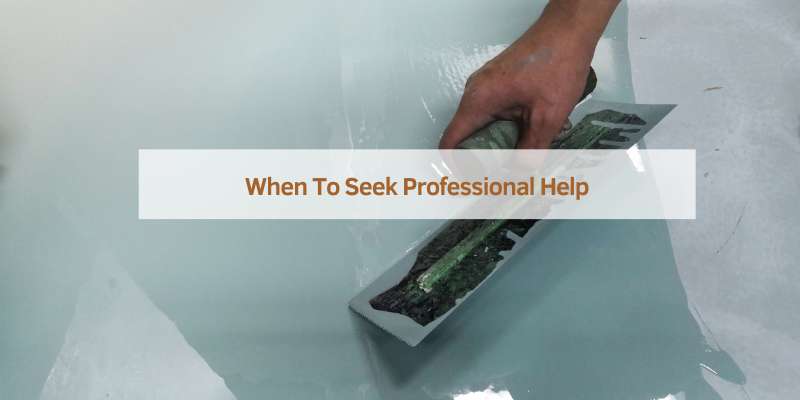
When To Seek Professional Help
If you’re planning to use self leveling floor compound for wood floors, it’s important to know when to seek professional help. While DIY tutorials are available online, it’s best to consult with an expert if you’re unsure about the process or if you encounter any problems.
Professional assistance can ensure that the job is done properly and prevent costly mistakes.
Complex Projects And Challenges
Some self-leveling floor compound projects can be complex and present unique challenges. For example, if you have a wood floor that is severely uneven or has significant damage, it may require professional help to properly level and restore it. Professional contractors have the expertise and tools to handle these complex projects effectively.
Finding The Right Contractor
When it comes to self-leveling floor compound projects for wood floors, finding the right contractor is crucial. A reputable contractor will have experience working with wood floors and will understand the specific requirements of applying self-leveling compounds. They will know how to assess the condition of your wood floor, determine the appropriate leveling compound to use, and ensure a smooth and even application.
Here are some tips for finding the right contractor:
- Ask for recommendations from friends, family, or neighbors who have had similar projects done.
- Research online for contractors specializing in wood floor restoration and leveling.
- Read reviews and testimonials from previous clients to get an idea of their reputation and quality of work.
- Request quotes from multiple contractors and compare their pricing, timelines, and warranties.
- Verify that the contractor is licensed, insured, and bonded for your peace of mind.
Ensuring Quality Results
By seeking professional help for your self-leveling floor compound project, you can ensure quality results that will enhance the beauty and longevity of your wood floors. Professional contractors have the knowledge and experience to address any challenges that may arise during the leveling process.
They will also have access to high-quality self-leveling compounds and the necessary equipment to achieve a smooth and level surface. Additionally, professional contractors will provide warranties for their work, giving you reassurance that any issues will be addressed promptly and effectively.
Frequently Asked Questions
When Should You Not Use Self Leveler?
Self-leveler should not be used for outdoor applications due to the potential problems caused by the freeze-thaw cycle and excessive moisture exposure.
How Do You Level An Uneven Floor For Wood Flooring?
To level an uneven floor for wood flooring, use an underlayment, floor leveler, or floor patch product. These products can fix low spots in a wood or concrete subfloor. An underlayment is a thin layer placed between two other materials that helps insulate, absorb sound, reduce wear, and can act as a vapor barrier.
Avoid using self-leveling concrete for outdoor applications as it can be affected by freeze-thaw cycles and excess moisture.
Will Self Leveler Bond To Wood?
Yes, self-leveler can bond to wood, but ensure the wood is properly prepared.
Can Self-leveling Compound Be Used On Wood Floors?
Yes, self-leveling compound can be used on wood floors to create a smooth and level surface for further flooring installation.
Conclusion
Self-leveling floor compound can be a great solution for leveling wood floors. It’s easy to apply and can save you time and money compared to other methods. However, it’s important to note that self-leveling concrete should not be used for outdoor applications due to potential issues with moisture and freeze-thaw cycles.
By using an underlayment, floor leveler, or floor patch product, you can effectively fix low spots in your wood or concrete subfloor and create a smooth, level surface for your flooring installation.
Sponsored / affiliate links. As an Amazon Associate I earn from qualifying purchases. I may earn additional commission from eligible campaigns.