Does Plywood Under a Mattress Add Firmness? What to Know
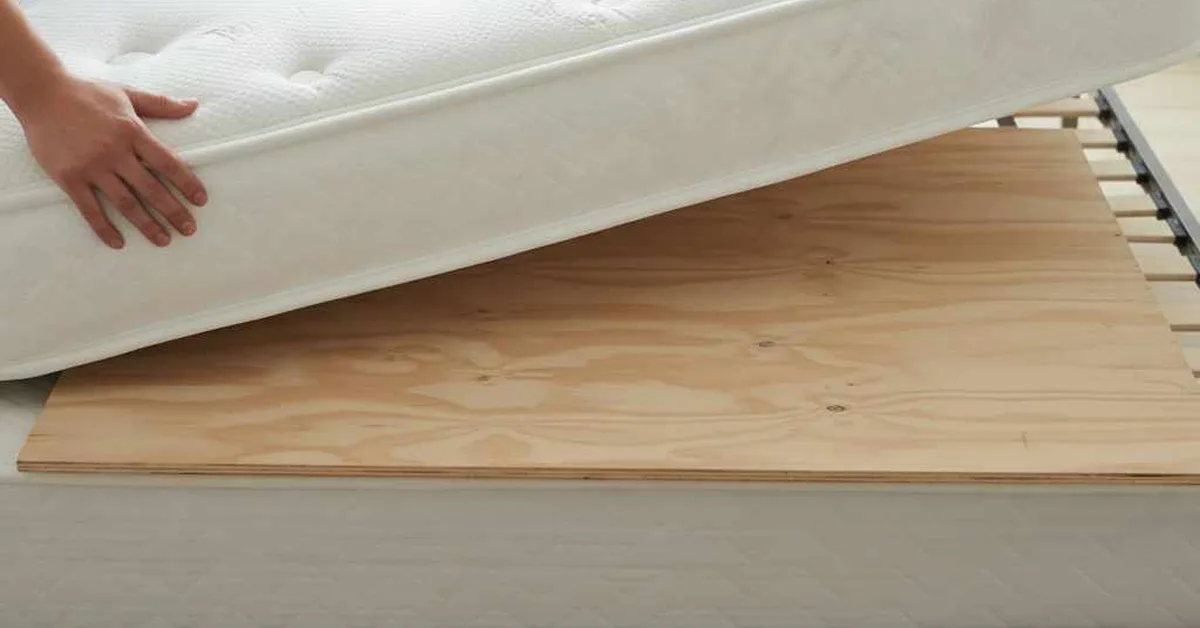
Plywood under a mattress does add firmness, but only if it is at least 3/4-inch thick and drilled or slatted for airflow. Skip that step and a solid sheet traps heat and moisture, turning a firmer bed into a hot, musty one within weeks. This guide covers the right plywood thickness, how to add ventilation, and what to use instead if you would rather skip sheets entirely.
Benefits Of A Firmer Mattress
Best Mattress Support Board Pick
Meliusly Heavy Duty Bunkie Board Queen (60×80) – $119.99
Its breathable, moisture-resistant build solves the same heat-and-moisture problem this guide warns a solid plywood sheet causes, without any cutting or drilling.
- Best for: Skipping the DIY plywood cutting and drilling entirely
- Why we picked it: Breathable design avoids the trapped-heat issue a solid sheet creates
- Main drawback: Costs more than a $20-50 sheet of plywood, and needs slats spaced under 10 inches apart
Compare more mattress support board options
 Option 1 Meliusly Original Bunkie Board Full (54×75) – $94.99
|
 Option 2 BedBro Bunkie Board Queen 10mm – $89.97
|
 Option 3 LAVEVE Heavy Duty Bunkie Board Queen – $89.99
|
As an Amazon Associate we earn from qualifying purchases.
A firmer mattress can help you sleep better. It keeps your body straight. This can stop tossing and turning. You may wake up feeling rested and happy. Good sleep is very important for health.
Firmer mattresses give more support to your back. This helps to keep your spine straight. A straight spine can stop back pain. People with back problems may feel better with firm beds.
Firmer mattresses last longer. They don’t sag quickly. This means you won’t need a new bed soon. Using plywood under your mattress can make it last even longer.
Role Of Plywood In Mattress Firmness
Plywood is strong and durable. It is made from thin wood layers. These layers are glued together. This gives plywood its strength. Plywood is stiff, not bendy like a mattress. It stays flat under the mattress. This helps to make the mattress firmer.
Plywood can change how a mattress feels. The mattress gets more support. The bed feels harder. This can be good for back support. It helps keep the mattress in place. It stops the mattress from sagging. This can make sleeping more comfortable.
Expert Opinions On Using Plywood
Plywood under a mattress can make it firmer. It gives extra support and keeps the mattress flat. This helps with back pain. Experts say it can improve sleep quality. Plywood is cheap and easy to find. It is a quick fix for soft mattresses.
Plywood is strong and durable. It lasts a long time. It stops the mattress from sagging. This helps the mattress stay in shape. Plywood is easy to cut. It fits any bed size. It is also lightweight. You can move it easily.
Plywood can block airflow. This may make the mattress hot. Some people find it uncomfortable. It is hard and not soft like a mattress. Dust and bugs can collect under plywood. It may need cleaning often.
Alternative Methods To Firm Up A Mattress
Mattress toppers can make a bed feel firmer. They come in different materials. Memory foam and latex are popular options. These materials add support and comfort. They are easy to place on top of the mattress. Choose a topper that suits your needs best. It’s a simple fix that can improve sleep quality.
Adjustable bed bases can change the bed’s angle. This can add firmness wherever needed. You can raise or lower different parts of the bed. It helps in finding a comfortable sleeping position. These bases can also aid in reducing snoring. They offer a versatile solution for a firmer feel.
A strong mattress frame can add support. Reinforced frames provide a solid foundation. They help keep the mattress in shape. This can prevent sagging and increase firmness. Metal frames are often more durable. Wooden frames with extra slats are also good choices.
DIY Tips For Using Plywood
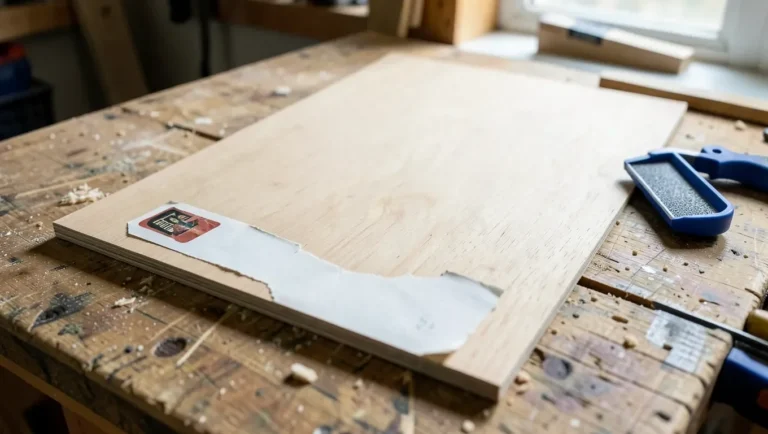
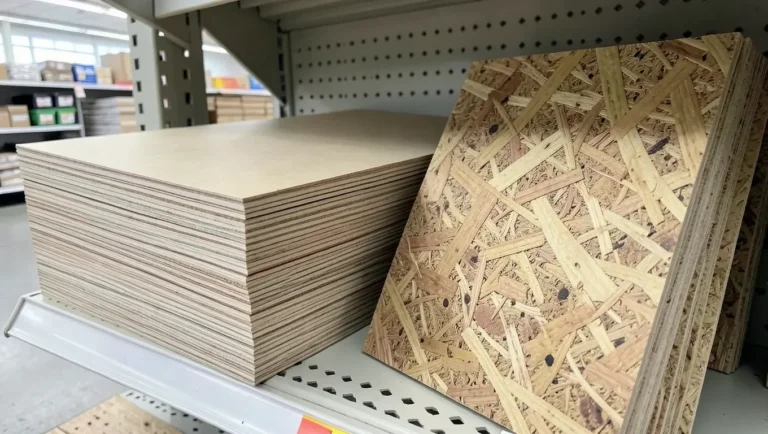
Plywood comes in many types and sizes. Thin plywood might not give enough support. Thick plywood is usually better for firmness. Look for smooth surfaces. This helps avoid splinters. Choose untreated plywood. Treated plywood can have chemicals. These are not good for sleeping areas.
Measure the size of your mattress. Cut plywood to match this size. Place the plywood flat under the mattress. Make sure it is level. Uneven plywood can cause discomfort. You might need more than one sheet. Use two or more for larger beds. Align them carefully.
Check the edges of the plywood. Smooth any sharp corners. Sand them if needed. This prevents injuries. Ensure the plywood is stable. Test it before sleeping. Avoid any wobbling. Keep the area clean and dust-free. Dust can cause allergies. Safety always comes first.
Cost Analysis: Plywood Vs Other Solutions
Placing plywood under a mattress can enhance firmness by providing additional support. This method often proves cost-effective compared to replacing a mattress. By balancing budget constraints and comfort needs, plywood offers a practical solution for achieving a firmer sleeping surface.
Initial Investment
Plywood is often cheaper than other mattress support solutions. A sheet of plywood can cost around $20-$50 depending on the size. Many people already have plywood at home, saving them money. In comparison, a new box spring or foundation can cost $100 or more. The upfront cost for plywood is low. It is a simple solution without spending much.
Long-term Cost Efficiency
Plywood can last a long time. It is strong and durable. Other solutions, like box springs, might need replacement after a few years. This adds more cost over time. Plywood keeps its firmness for many years. It doesn’t sag or lose shape easily. This makes it a good choice for saving money in the long run. It reduces the need for frequent purchases, ensuring a steady and firm mattress foundation.
Common Complaints With Plywood Under a Mattress
Results vary by plywood type and mattress. A thick, drilled sheet under a memory foam mattress usually firms things up with no issues. A solid, untreated sheet under a thicker hybrid mattress is more likely to trap heat, since foam and hybrid layers already block airflow from underneath.
Heat and Moisture Buildup
A solid sheet blocks the airflow a slatted frame or box spring normally provides. Without vent holes or a gap at the edges, moisture from body heat has nowhere to go, which can lead to a musty smell or mold on the underside of the mattress over time. Drilling a grid of 1-inch holes every 6-8 inches solves most of this.
Weight and Handling
A 3/4-inch plywood sheet cut for a queen or king mattress is heavy and awkward for one person to maneuver alone, especially when it needs to go under an already-made bed. Cutting it into two or three sections makes it easier to slide into place and remove later for cleaning.
Frequently Asked Questions
Is It Good To Put Plywood Under Your Mattress?
Plywood under your mattress provides extra support and prevents sagging. It helps maintain mattress durability and comfort. Ensure ventilation to avoid moisture buildup. Choose plywood of appropriate thickness for best results. Regularly check for any warping or damage to maintain optimal mattress performance.
What Can I Put Under My Mattress To Make It Firmer?
Place plywood or a bunkie board under the mattress for extra support. A mattress topper can also help. Consider using a firm mattress pad to enhance firmness. Ensure the bed frame is stable and supportive to prevent sagging.
Will Plywood Make A Mattress Firmer?
Yes, placing plywood under a mattress can make it firmer. It provides additional support and reduces sagging. Choose a suitable thickness for the desired firmness level. Ensure proper ventilation to prevent moisture buildup, which can affect mattress longevity.
What Does Putting A Board Under Your Mattress Do?
Placing a board under your mattress provides extra support. It helps alleviate sagging, improving sleep quality. This setup can extend the mattress’s life and ensure better spinal alignment. Ideal for those experiencing back pain or discomfort from a soft mattress.
Conclusion
Plywood under a mattress can make it firmer. It offers extra support. Many people find this improves sleep quality. It’s a simple and cost-effective solution. But not for everyone. Test it out first. Some mattresses might not benefit. Consider mattress type and personal comfort.
Always check for allergies to wood or dust. A firmer bed can help with back pain. Or just provide better sleep. Remember to balance support with comfort. Find what works best for you. Sleep well, feel well. Your bed should be your haven.
Sponsored / affiliate links. As an Amazon Associate I earn from qualifying purchases. I may earn additional commission from eligible campaigns.
 Greaton, 1.5-Inch Split Wood Bunkie Board Queen Size, Under Mattress Support, Fits Bed Frames, bunk beds, Fully Assembled, Breathable Fabric Cover, Replaces Bed Slats or Box Spring
 Greaton, 1.5-Inch Split Wood Bunkie Board King Size, Under Mattress Support, Fits Bed Frames, bunk beds, Fully Assembled, Breathable Fabric Cover, Replaces Bed Slats or Box Spring