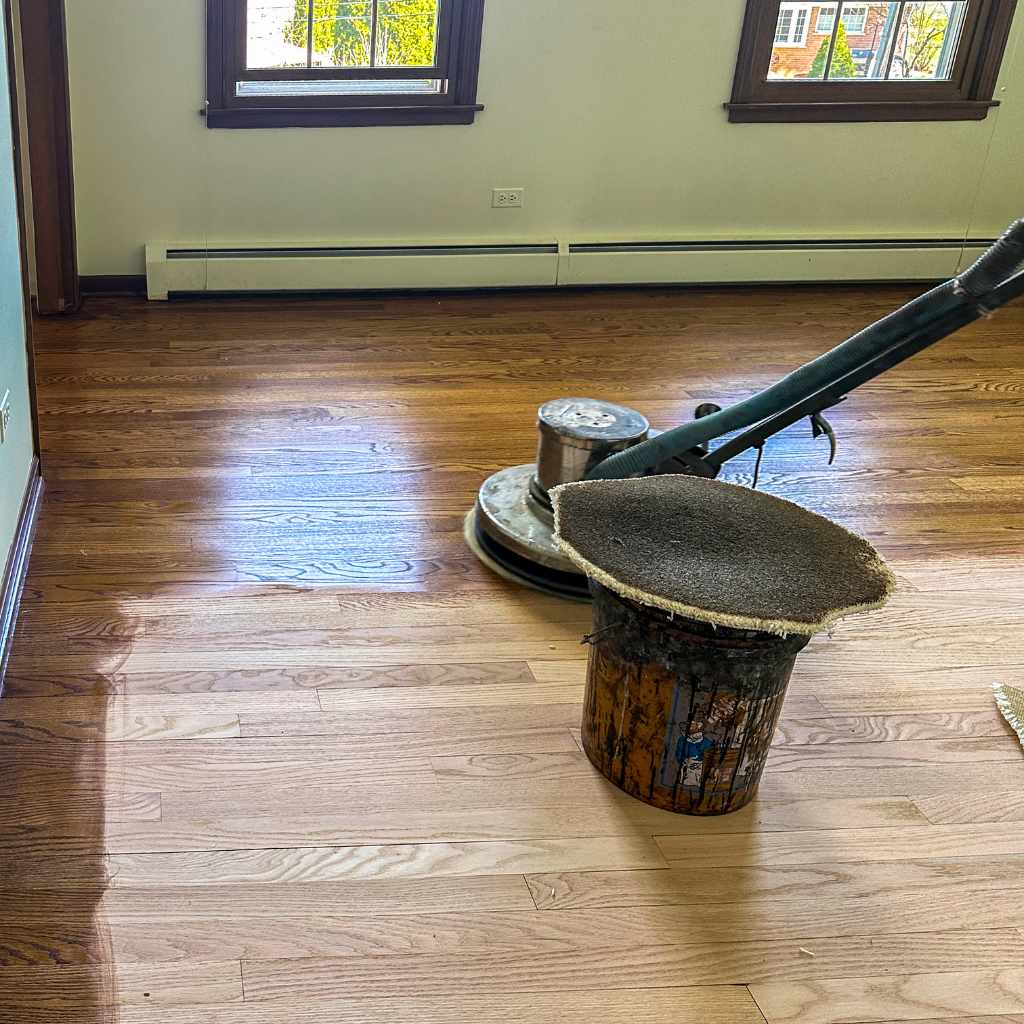
Can You Refinish Engineered Hardwood Floors? A Complete Guide
Thinking about giving your floors a makeover? You might be wondering, Can You Refinish Engineered Hardwood Floors? It’s a question many people ask when they see some wear and tear. Some believe it’s too difficult, while others aren’t sure where to start. Don’t worry, it’s not as tricky as it might seem! This guide will break down everything you need to know. We’ll look at what engineered hardwood is, how it’s different from regular hardwood, and if refinishing is an option for you. Next, we’ll start the process step-by-step!
What Is Engineered Hardwood and How Is It Made?
Engineered hardwood is a clever type of flooring that looks like real wood but is built differently. It’s made of multiple layers. The top layer is a thin slice of real hardwood, so it has that classic wood appearance. Underneath are layers of plywood or high-density fiberboard (HDF). These layers are stacked and glued together, with each layer running in a different direction. This construction method makes engineered hardwood more stable and less likely to warp or expand when humidity levels change. This is a huge benefit over solid hardwood, which can be sensitive to moisture.
Construction of Engineered Wood Flooring
Engineered hardwood construction starts with the core. This core provides the floor’s strength and stability. There are different types of core materials. For example, some floors use multiple layers of plywood, while others use HDF. The type of core directly influences the floor’s durability and its ability to resist moisture. The top layer, called the wear layer, is a thin piece of real hardwood. This wear layer is what you see and what gives the floor its wood grain look and feel. The wear layer’s thickness determines how many times the floor can be refinished. Lastly, the backing layer stabilizes the whole structure and prevents warping.
- Wear Layer: This is the top layer, which is real hardwood, and the thickness can range from thin to thick, influencing refinishing ability.
- Core Layers: Plywood or HDF layers provide the floor’s structural integrity.
- Backing Layer: This layer balances the floor and prevents moisture from causing warping.
Consider the core material carefully when deciding. Plywood cores are generally more resistant to moisture than HDF, which makes them better for areas with higher humidity. Also, look at the wear layer. A thicker wear layer means you can sand and refinish the floor more times. A thinner wear layer may only allow for one refinishing, or none at all. Different types of hardwood will also play a role, as some are softer than others.
Types of Engineered Hardwood
There are many varieties of engineered hardwood. The appearance and performance of different types can vary significantly. The wood species of the top layer plays a significant role. Some common species include oak, maple, and hickory. Each offers different looks and degrees of hardness. Oak is popular for its versatility and durability. Maple is known for its smooth grain and lighter color. Hickory is one of the hardest woods and resists scratches. Finishes also differ. Some floors have a pre-finished surface with several coats of sealant applied. Others have a natural look without any pre-applied finish. Finally, there are variations in the core construction. The core can be made of plywood or HDF.
- Oak Engineered Hardwood: Oak is a very popular choice due to its balance of looks, cost, and durability. It takes stains and finishes well.
- Maple Engineered Hardwood: Maple has a fine grain that gives it a clean and modern look. It’s typically lighter in color and offers good hardness.
- Hickory Engineered Hardwood: Hickory is one of the hardest woods available. Its durability is a great choice for high-traffic areas.
Choose the type based on the look, durability, and your budget. Oak is an excellent all-around choice. Maple can be good if you want a lighter look. Hickory is great in areas with heavy foot traffic. The finish type also affects maintenance. Pre-finished floors are easier to clean and resist scratches. Unfinished floors allow for custom staining, but may require more care.
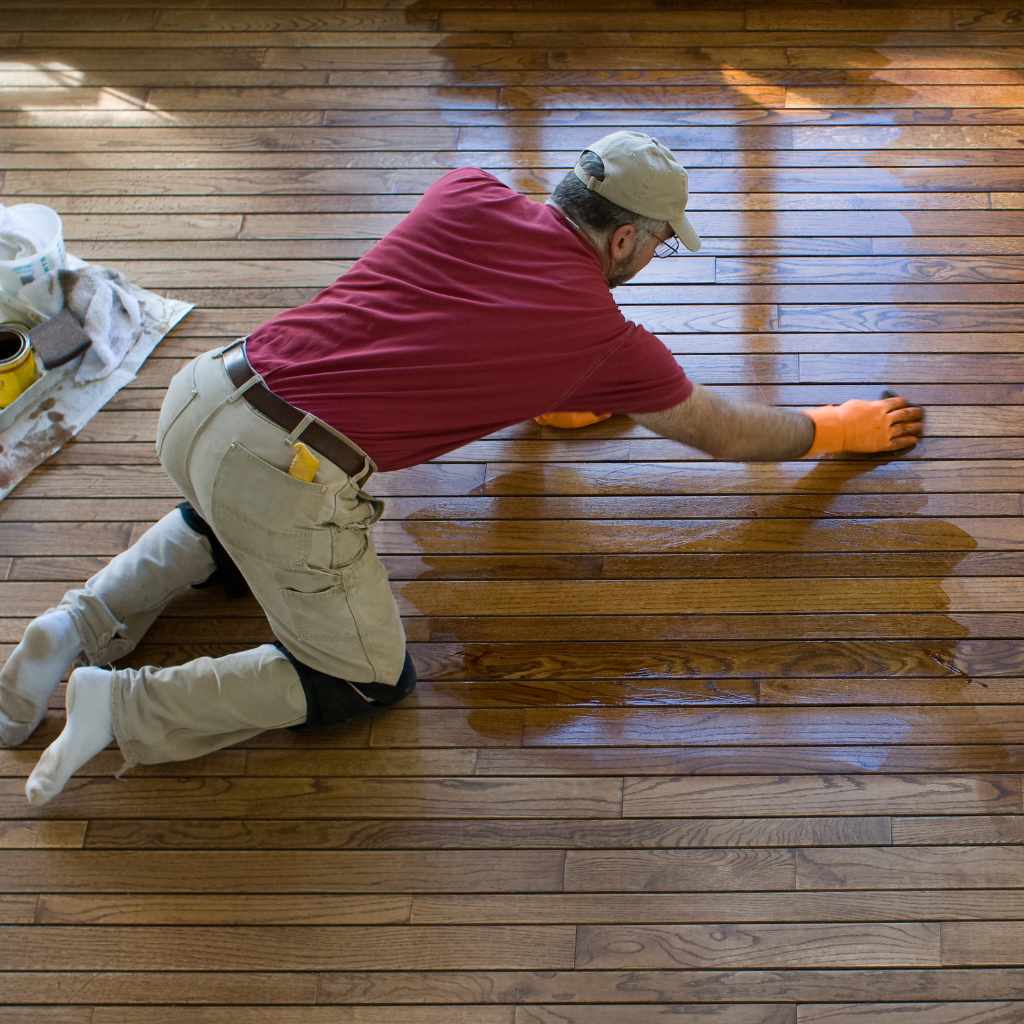
Can You Refinish Engineered Hardwood Floors? Understanding the Wear Layer
Whether you can refinish your engineered hardwood floors depends mostly on the wear layer. The wear layer is the real hardwood on the top of the flooring. This is the part that takes the beating from foot traffic and everyday use. The thickness of the wear layer determines how many times you can refinish the floor. If the wear layer is too thin, sanding it will go through the hardwood and expose the core layers. The thickness of this wear layer can vary from a thin veneer to a thicker solid piece of wood. The wear layer’s ability to withstand abrasion and damage also influences the amount of refinishing possible.
Wear Layer Thickness and Refinishing
Wear layers come in different thicknesses. Understanding these thicknesses is key to knowing whether you can refinish your engineered hardwood. Wear layers can range from less than 1mm to over 4mm thick. Thinner wear layers, less than 2mm, often can’t be refinished. This means once the finish wears down, the floor might need replacing. Thicker wear layers, 3mm or more, offer the option of refinishing. These floors can typically be sanded and refinished at least once, sometimes even twice, depending on the thickness. Check the manufacturer’s specifications. They will tell you the thickness of the wear layer and whether refinishing is possible.
- Less Than 1mm: Likely not refinishable.
- 1-2mm: May not be refinishable, check with the manufacturer.
- 2-3mm: Can be refinished, but may only allow for one round.
- 3mm and Above: Typically refinishable multiple times.
You can typically find the wear layer thickness in the product specifications. This is important to determine the long-term maintenance of the floor. Thicker wear layers also tend to be more durable and can withstand more wear. This influences the floor’s overall lifespan. So, before you buy engineered hardwood flooring, check the wear layer’s thickness. This will help you know how you can take care of it in the future.
Identifying the Wear Layer
How do you know the thickness of the wear layer without any specifications? Well, there are several methods. You can look at the flooring’s documentation. The product details or the packaging will often include this information. Check the manufacturer’s website. If you still have the original packaging or purchase details, the wear layer thickness is likely listed there. Also, try to identify the wood itself. You may be able to see the wood grain. If the layer is very thin, you may not be able to. Finally, you can measure it. If you have some loose pieces of the flooring, you can measure the wear layer’s thickness directly. This requires precision. Even with all the tools, it can still be difficult.
- Check Documentation: Review the product information provided by the manufacturer.
- Look for Product Details: Product details are often printed on the underside of a plank.
- Inspect the Wood Grain: The thickness of the wear layer can sometimes be seen where the wood grain is more pronounced.
If you have any doubts, consult a professional flooring expert. They can give you an accurate assessment. Knowing the wear layer thickness is crucial. It directly impacts your ability to sand and refinish the floor. This knowledge helps you with the long-term maintenance of your floors.
Steps to Refinishing Engineered Hardwood Floors (If Possible)
Refinishing engineered hardwood is a process. It involves several steps. The preparation steps include assessing the wear layer’s thickness and gathering the correct equipment. Sanding the floor is next, followed by applying new finishes and protective coatings. A step-by-step approach ensures a smooth refinishing process. This helps you get the best possible results. Before you begin, take the time to prepare yourself and your space.
Preparing for the Refinishing Project
Preparing the space is important. Clear the room of furniture and other items. Cover doorways and vents with plastic sheeting to keep dust from spreading. Evaluate the condition of the floor. Check for loose planks or damage that needs repair. Consider the wear layer thickness. Make sure the wear layer is thick enough to allow for sanding. Gather your supplies. You will need sandpaper, a sander, wood filler, stain, finish, and protective gear. A random orbital sander is often a good choice. Also, have cleaning supplies like a vacuum and cloths on hand. Lastly, choose a well-ventilated area. This is because the sanding and finishing processes release fumes and dust.
- Clear the Area: Remove all furniture and objects from the room.
- Inspect the Floor: Check for damaged planks or other issues.
- Gather Supplies: Sandpaper, sander, wood filler, stain, finish, and safety gear.
Careful preparation sets the stage for a successful refinishing job. This includes both the room and the floor itself. Having the proper equipment and supplies is key. If you are not familiar with the process, consider consulting with a professional. They can offer advice or complete the work for you.
Sanding and Surface Preparation
Sanding is a key step in refinishing. It removes the old finish and any imperfections on the surface. Start with a coarse grit sandpaper to remove the existing finish. Then, gradually move to finer grits to smooth the surface. Be careful not to sand through the wear layer. Use a random orbital sander for a more even sanding. This type of sander reduces the risk of creating swirl marks. Also, sand with the grain of the wood. Make sure to clean the floor thoroughly after each sanding. After sanding, inspect the floor for any gaps or imperfections. Fill any gaps with wood filler. Let it dry completely. Once the filler is dry, sand it smooth with fine-grit sandpaper. This will prepare the floor for staining or finishing.
- Start with Coarse Grit: To remove the existing finish.
- Gradually Use Finer Grits: To smooth the surface.
- Sand with the Grain: For the best results.
The sanding process determines the final look of your floor. Take your time and focus on even sanding. Be careful not to sand too aggressively. This could damage the wear layer. When you have finished sanding, remove all dust with a vacuum and a tack cloth. A well-prepared surface is crucial for the stain or finish to properly adhere and for a beautiful, long-lasting result.
Applying Stains and Finishes
If you want to change the color of your floor, now is the time to apply stain. Apply the stain evenly, following the wood grain. Allow the stain to dry completely according to the manufacturer’s instructions. Then, apply a finish. Finishes protect the wood and provide shine. There are several types of finishes, including polyurethane, oil-based, and water-based. Polyurethane is very durable and wear-resistant. Oil-based finishes have a warm look, while water-based finishes dry quickly and have fewer fumes. Apply the finish in thin, even coats. Allow each coat to dry completely before applying the next one. Usually, two to three coats are needed for adequate protection. After the final coat is dry, allow the floor to cure. The curing time can take several days or even weeks. During this time, the finish hardens, and you should avoid heavy traffic.
- Apply Stain: Apply an even coat of stain if desired.
- Apply Finish: Polyurethane, oil-based, or water-based.
- Allow to Cure: For the finish to fully harden and protect the floor.
Choosing the correct stain and finish is key. For example, if you want a durable finish, choose polyurethane. For an easier and less smelly application, go with a water-based finish. Following the manufacturer’s instructions is very important. Each product has different drying times and application methods. Patience and care during the staining and finishing process can lead to professional-looking results. They can also greatly extend the life of your engineered hardwood flooring.
Evaluating the Success and Maintenance of Refinished Floors
After your hard work, the final result is the most rewarding part. Evaluating your work helps ensure a successful outcome. Proper maintenance keeps your floors looking their best. Regular maintenance also helps extend the life of your freshly refinished engineered hardwood floors. A beautiful floor can add value and enjoyment to your home.
Assessing the Refinishing Results
Once the finish is fully cured, evaluate your work. Walk across the floor and observe the finish. Look for any uneven spots, scratches, or other imperfections. Check the color. Make sure the stain or finish is even across the floor. If you see any problems, you might need to fix them. Small imperfections can often be fixed with a light sanding and a touch-up coat of finish. Make sure to let everything dry completely before putting furniture back. If there are major problems, it’s a good idea to seek help from a professional. The goal is to achieve a smooth, even surface. Inspect the floor in different types of light, too. This can help reveal any issues that might not be visible under only one type of lighting. Be patient, and don’t be afraid to take steps to correct any issues.
- Observe the Surface: Check for imperfections.
- Check the Color: Ensure the stain or finish is even.
- Address Issues: Make necessary repairs if needed.
The goal of evaluating the results is to ensure the refinishing meets your standards. Taking the time to do this check will pay off. Your hard work will leave you with a durable and beautiful floor. Keep an eye out for any potential problems. This way, you can resolve them quickly.
Long-Term Care and Preservation
Once your floors are refinished, care and maintenance are important to keeping them looking great. Place doormats at entryways to minimize dirt and grit. These are two of the biggest enemies to your floor. Clean the floor regularly. Sweep or vacuum it to remove dust and debris. Clean spills immediately to prevent water damage. When cleaning, use products specifically designed for hardwood floors. Avoid harsh chemicals or abrasive cleaners. Protect your floors from scratches.
Put felt pads under furniture legs. Avoid walking on the floor with high heels or shoes with metal studs. Protect the floor from sunlight. Direct sunlight can cause the color to fade over time. Rearrange rugs and furniture occasionally to ensure even exposure. Lastly, periodically inspect the floor. Watch out for signs of wear and tear. Address any issues as they arise.
- Use Doormats: Minimize dirt and debris.
- Regular Cleaning: Sweep or vacuum frequently.
- Protect from Scratches: Use furniture pads.
By following these care and maintenance tips, you can extend the life of your refinished floors. Regular care ensures the beauty and durability of your floors for many years to come. Routine upkeep prevents damage and preserves the finish. A little bit of effort goes a long way. This includes maintaining the floor’s shine and appearance. Properly maintained floors can significantly enhance your home’s value and overall appeal.
Special Considerations and Alternatives
While refinishing is a popular option, there are other methods to restore or enhance your engineered hardwood floors. These options might be easier or more appropriate, depending on your situation. Several factors determine which choice is best. Consider the condition of your floor, your budget, and the desired outcome. Understanding all options lets you make the correct choice.
When Refinishing Isn’t the Best Option
Refinishing might not always be the best approach. Sometimes, other options might be better. If the wear layer is too thin, sanding and refinishing isn’t possible. In this case, you would need to look into options like floor
- Thin Wear Layer: Refinishing is not possible.
- Severe Damage: Refinishing may not address the issues.
- Time Constraints: Refinishing is labor-intensive.
Knowing when refinishing is not the best course of action can save you time and money. Consider the wear layer thickness, the extent of damage, and any time restrictions. Then, you can make the right decision for your home. If you’re unsure, ask a professional to assess your floor. They can give you guidance.
Alternatives to Refinishing
If you can’t refinish your floors, there are alternatives. These options can restore and enhance your floors without the need for sanding. One popular method is to use a floor cleaner. Some cleaners can also fill in small scratches. Another option is a floor refresher. These products can add a protective layer and shine to your floor. For small scratches, try using a scratch repair kit. These kits contain colored fillers that match your floor’s color. They can fill in and hide scratches. Another option is to use a flooring protector. These provide an extra layer of protection, particularly in high-traffic areas. Also, consider the use of rugs. Strategic placement of rugs can cover damaged areas and protect the floors from wear and tear. All of these options can help restore the appearance of your flooring without having to refinish them.
- Floor Cleaners and Refreshers: Remove dirt and add shine.
- Scratch Repair Kits: Fill in small scratches.
- Protective Rugs: Cover damaged areas.
Choosing the correct method depends on your floor’s condition and your goals. If your floor has minor wear and tear, a refresher may be enough. For more significant issues, using a scratch repair kit is ideal. Consider these alternatives when your wear layer is too thin. This will help you keep your floors looking fantastic for years to come.
Frequently Asked Questions
Question: Can I refinish my engineered hardwood if I don’t know the wear layer thickness?
Answer: It’s risky to refinish if you don’t know the wear layer thickness. You could sand through the wear layer and damage the core. It’s best to find this info before starting.
Question: What’s the best type of finish for engineered hardwood?
Answer: Polyurethane is a popular choice for its durability. Water-based finishes offer low odor and quick drying times. The right choice depends on your needs.
Question: How often should I clean my refinished floors?
Answer: Sweep or vacuum your floors regularly. You should also clean up spills right away. This will help keep the floors in good condition and protect the finish.
Question: What do I do if I get scratches after refinishing?
Answer: For minor scratches, try a scratch repair kit. For deeper scratches, you may have to refinish the floor. You might also want to consult a professional.
Question: Can I stain my engineered hardwood a different color?
Answer: Yes, you can stain your engineered hardwood a new color. But, the original finish must be completely removed first. You will need to sand it down to bare wood.
Final Thoughts
So, Can You Refinish Engineered Hardwood Floors? The answer depends on the wear layer’s thickness. If the wear layer is thick enough, you probably can. If you can refinish your engineered hardwood, it is a project that can transform your floors. It does require care and some basic skills, but the results are worth it. You’ll breathe new life into your floors and update your home. Remember to consider factors like wear layer thickness, the condition of the floor, and your own comfort level with the process.
Always take the time to prepare correctly. The steps of sanding, staining, and finishing demand patience. Don’t forget that careful maintenance is also very important. So, what are you waiting for? Time to get started and explore your home flooring options!