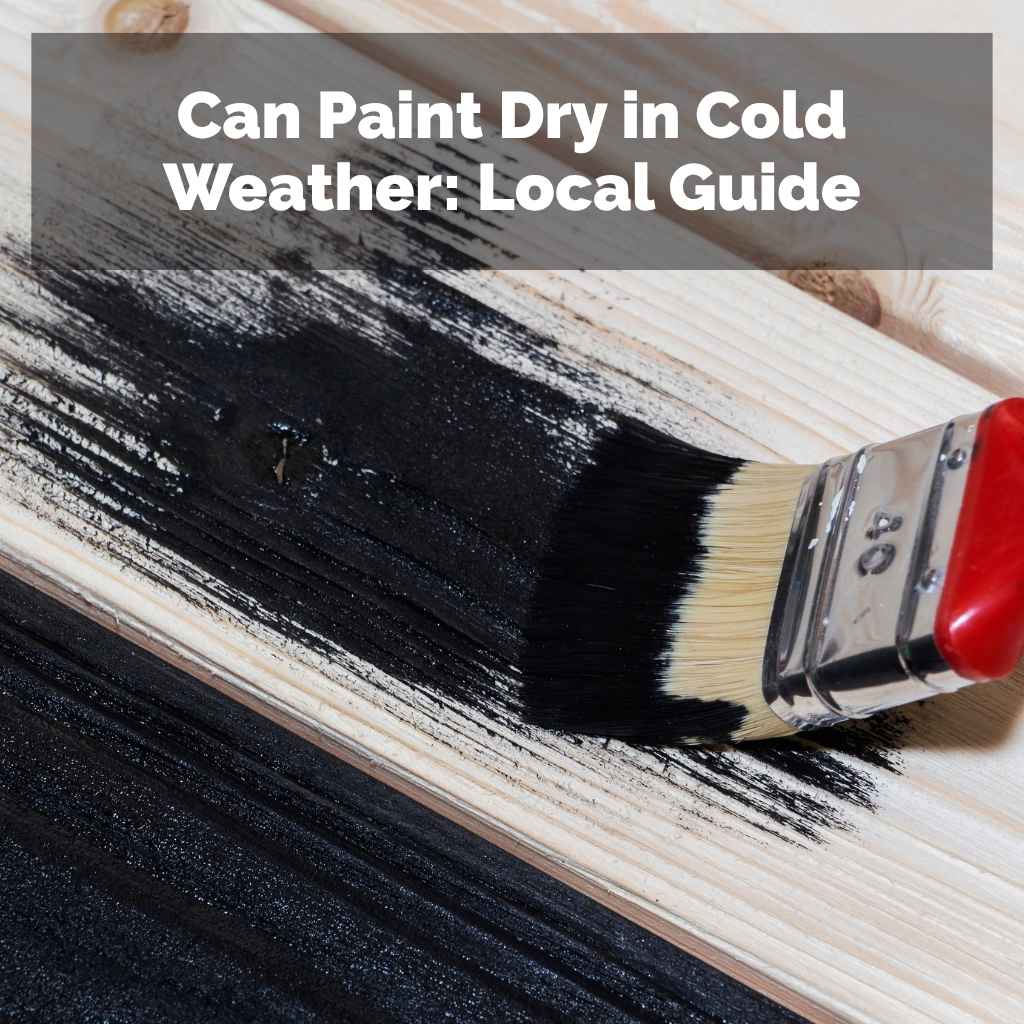
Can Paint Dry in Cold Weather: Local Guide
Figuring out if paint can dry when it’s cold outside can be a bit tricky for new DIYers. You might wonder, Can Paint Dry in Cold Weather? Local Winter Painting Guide is a common question for homeowners wanting to tackle projects during the colder months.
It’s totally understandable to be unsure. But don’t worry, we’ve got you covered. We’ll walk you through this step by step, making it simple to get your painting done right, even when the temperature drops.
Let’s look at what you need to know to paint successfully in cooler weather.
Painting Outdoors in Winter What You Need To Know
Painting outdoors during winter presents unique challenges that most DIYers might not consider. The most significant hurdle is temperature. Paint needs a specific temperature range to cure properly, and when it’s too cold, this process can be severely impacted.
This section will explore the ideal conditions for painting and how cold weather affects the paint’s ability to dry and adhere to surfaces. We will discuss the science behind paint drying and how it changes when the mercury falls, preparing you for successful winter projects.
How Temperature Affects Paint Drying
Paint isn’t just about color; it’s a chemical mixture that needs time and the right environment to transform from a wet liquid to a hard, protective coating. This transformation is called curing. When you apply paint, it contains solvents that evaporate, allowing the binders and pigments to bond together.
This process is sensitive to temperature and humidity.
In cold weather, the solvents evaporate much slower. This means the paint stays wet for longer. If the temperature drops too much, the solvents might not evaporate completely, or the binders might not form a strong, continuous film.
This can lead to a weak paint job that peels, cracks, or chalks prematurely. It’s like trying to bake a cake in a cold oven; the ingredients won’t react as they should.
The Science Behind Paint Curing
Paint curing involves several stages. Initially, the solvent evaporates, making the paint feel dry to the touch. This is often referred to as “dry to touch.” However, this is just the first step.
The real hardening happens as the binder particles, which are like tiny plastic beads suspended in the solvent, coalesce. Coalescence means these beads merge and fuse together to form a solid, continuous film.
This merging process is a chemical reaction that requires a certain amount of energy, which is directly related to temperature. When it’s cold, the particles have less energy, and they don’t move or fuse as easily. Think of them as being a bit sluggish.
This slow down means the paint film doesn’t form properly, leaving it vulnerable.
Additionally, some paints contain additives that help them flow and level out. These additives also have optimal working temperatures. If it’s too cold, they might not work effectively, leading to brush marks or an uneven finish.

Minimum Temperature Requirements For Paint
Every type of paint has a recommended minimum application temperature. This is usually found on the paint can’s label. For most latex or water-based paints, this minimum is often around 50°F (10°C).
Oil-based paints sometimes have a slightly lower minimum, perhaps around 40°F (4°C), but they still perform best in warmer conditions.
When temperatures fall below these recommended levels, even if the paint seems to be drying, it might not be curing correctly. This can lead to adhesion problems, where the paint doesn’t stick well to the surface. It can also affect the paint’s durability and appearance.
It’s not just the air temperature that matters. The surface temperature of what you’re painting is also critical. If a wall is cold from being exposed to low outdoor temperatures overnight, it will take longer for the paint to warm up enough to cure.
Latex vs. Oil-Based Paints In Cold
Latex and acrylic paints, being water-based, are generally more sensitive to cold than oil-based paints. Water freezes, and the chemical reactions for latex paint curing are significantly hindered at lower temperatures. When water-based paints freeze, the binder particles can be permanently damaged, making the paint unusable.
Oil-based paints, or alkyds, can sometimes tolerate slightly colder temperatures because their solvents are different from water. However, they also slow down considerably as the temperature drops. Their drying time increases dramatically, and the final film might not achieve its full hardness and gloss.
There are now “cold weather” or “low-temp” paints available, specifically formulated to cure at lower temperatures. These often contain special additives that help the binders coalesce more effectively even when it’s chilly. If you must paint in cooler conditions, looking for these specialized products is a smart move.
Practical Tips For Winter Painting Projects
Painting in cold weather, especially outdoors, requires careful planning and execution. Simply trying to paint when it’s cold is a recipe for disappointment. Instead, you need to be strategic about your approach to ensure the paint has the best chance to dry and cure properly.
This involves understanding the weather forecast, choosing the right time of day, and perhaps even creating a temporary microclimate for your painting project. We will cover how to pick the right days, when to paint and when to wait, and how to protect your freshly painted surfaces from the elements.
Choosing The Right Time Of Day
When painting in cool weather, the best time to apply paint is typically in the late morning or early afternoon. This is when the sun has had a chance to warm up both the air and the surfaces you’ll be painting. The temperature will be at its highest point during the day, giving the paint the best opportunity to dry and cure.
Avoid painting early in the morning when temperatures are still low, or late in the evening when they start to drop again. Also, be mindful of overnight frost or dew. Painting over a damp surface, especially one that has experienced frost, will prevent proper adhesion and can lead to peeling later on.
It’s essential to check the weather forecast for the entire drying and curing period, not just the application time. If rain, snow, or freezing temperatures are expected within 24-48 hours after painting, it’s best to postpone your project.
Preparing Surfaces For Winter
Proper surface preparation is always important, but it becomes even more critical when painting in cold weather. The surface must be clean, dry, and free of any frost, ice, or condensation. Any moisture trapped on or in the surface will interfere with the paint’s ability to adhere and can cause problems like blistering or peeling.
Before painting, ensure the surface is thoroughly cleaned and completely dry. If you’re painting a porous surface like wood or masonry, moisture can be absorbed. Allow ample time for the surface to dry out after cleaning or after a rain shower.
Sometimes, using a heat gun or a fan can help speed up the drying process on small areas, but be careful not to overheat the surface.
For exterior projects, inspect the surface for any existing peeling or flaking paint. Scrape away loose paint and sand the area smooth. This ensures a uniform surface for the new paint to adhere to.
Any contaminants like dirt, grease, or mold must be removed completely.
Using Paint Additives
For those determined to paint in cooler conditions, paint additives can be a lifesaver. These are specially designed products that can be mixed into your paint to improve its performance in less-than-ideal temperatures.
One common additive is a coalescing agent. This helps the binder particles in latex paints fuse together at lower temperatures. By promoting better film formation, it ensures a more durable and cohesive paint layer.
Another type of additive can help reduce the drying time or improve the flow and leveling of the paint.
Always follow the manufacturer’s instructions for any additives you use. Overuse can sometimes lead to adverse effects on the paint’s properties, such as a sticky finish or reduced durability. It’s often a good idea to test the additive on a small, inconspicuous area first.
Many people wonder if they can still get their painting done when winter rolls around. The simple answer is yes, but with important considerations. The question Can Paint Dry in Cold Weather?
Local Winter Painting Guide is crucial for anyone living in an area with cold seasons who wants to maintain their property. This section will provide specific guidance for local winter painting, addressing common issues and offering solutions tailored to colder climates. We will look at local weather patterns and how they impact painting projects.
Understanding Local Winter Weather Patterns
Local winter weather is the key factor in determining if and when you can paint. Every region experiences different conditions. Some areas might have mild winters with occasional cold snaps, while others face prolonged periods of freezing temperatures, snow, and ice.
Understanding your specific climate is the first step.
For instance, if you live in a region where temperatures rarely dip below freezing for extended periods, and there are sunny, milder days even in winter, you might have more painting opportunities than someone in a consistently cold climate. Pay attention to daily high temperatures and how long they stay above the recommended minimum for paint application.
Consider the impact of humidity as well. High humidity can slow down drying times, even if the temperature is within the acceptable range. This is because the air is already saturated with moisture, making it harder for water-based paints to release their moisture.
Microclimates And Their Impact
Even within a local area, microclimates can exist. A microclimate is a small, localized atmospheric zone that differs from the surrounding area. For example, a south-facing wall might receive more direct sunlight and therefore stay warmer than a north-facing wall.
Areas sheltered from the wind might also maintain higher temperatures for longer periods.
When planning your painting, observe these microclimates. You might find that certain parts of your house or property are more conducive to painting at specific times of the day. For instance, a garage door or a protected porch area might offer a warmer, more stable environment for painting than an exposed exterior wall.
Think about how buildings, trees, and even paved surfaces can affect temperature. Darker surfaces absorb more heat from the sun, which can help keep the paint warm. Conversely, shaded areas will remain colder.
Specialized Paints For Cold Conditions
For the dedicated winter painter, specialized paints are a game-changer. These are not your everyday wall paints; they are formulated to perform under conditions that would cause standard paints to fail. These products are designed to be more forgiving of lower temperatures and sometimes even higher humidity.
When you see paint labeled for “cold weather application,” “low-temperature,” or specifically mentioning a lower minimum application temperature, it means the manufacturers have included special ingredients to help the paint cure correctly. This is especially true for water-based or latex paints, which are the most common for exterior use.
These specialized formulations often contain advanced coalescing agents or other additives that allow the paint film to form a strong bond even when the temperature is just above freezing. This means you can extend your painting season and tackle those urgent touch-ups or projects during the colder months.
Benefits Of Low-Temp Paints
The primary benefit of using low-temperature paints is the extended painting season. Instead of waiting for spring, you can address painting needs throughout the fall and even into early winter, provided the temperatures are within the paint’s specified range. This is particularly useful for urgent repairs or for those who prefer to spread out their DIY projects.
These paints can offer improved adhesion and durability in colder conditions. Standard paints, applied too cold, often result in poor adhesion, leading to peeling and flaking. Low-temp paints are engineered to overcome this, ensuring a more robust and longer-lasting finish.
Furthermore, they can reduce the risk of frost damage to freshly applied paint. When standard paint is applied in cold weather, it may not fully cure before encountering frost or freezing temperatures. This can irreversibly damage the paint film.
Low-temp paints are more resistant to such damage.
Creating A Favorable Painting Environment
Sometimes, the weather outside is too cold, but you still need to paint a specific area. In these situations, creating a favorable painting environment is key. This might involve modifying the conditions around your project to make them more suitable for paint application and curing.
For small to medium-sized projects, especially those that are not on the main exterior of your house, temporary enclosures can be very effective. These can help trap heat and protect the area from wind and moisture, creating a warmer, more stable microclimate for your paint.
This proactive approach can save you from the frustration of a failed paint job and the added cost of having to redo the work. It’s about being resourceful and adapting to the challenges of painting in cooler weather.
Temporary Enclosures And Heating
For exterior painting in winter, you might consider using temporary enclosures. Tarps or plastic sheeting can be used to shield the area from wind and prevent rain or snow from reaching the painted surface. For a more significant temperature boost, you could use portable heaters designed for outdoor use within a well-ventilated enclosure.
It’s crucial to ensure adequate ventilation if you are using heaters or solvent-based paints in an enclosed space. Proper airflow prevents the buildup of potentially harmful fumes and helps with the drying process. Remember that some heaters can significantly alter humidity levels, which also needs to be considered.
For indoor projects that might be affected by cold, ensure the room is adequately heated before, during, and after painting. Close off the room to prevent cold drafts from affecting the paint. The goal is to maintain a consistent temperature above the minimum recommended level for the paint you are using.
Protecting Freshly Painted Surfaces
Even if the paint appears dry to the touch, it’s still vulnerable for a period after application. In cold weather, this vulnerability can last longer. Protecting the painted surface from direct contact with frost, snow, or freezing rain is essential for a lasting finish.
If you’ve painted an exterior surface and a frost is predicted overnight, you can cover the freshly painted area with tarps or drop cloths. Make sure these covers are not directly touching the wet paint, as this can cause it to lift or smudge. You can use temporary supports to keep the covering a few inches away from the surface.
Similarly, if you anticipate rain or snow shortly after painting, consider using temporary shelters or tarps to keep the surface dry until the paint has had sufficient time to cure. This protective measure is vital for ensuring the paint adheres properly and maintains its aesthetic appeal.
When contemplating painting projects during the colder months, the question, Can Paint Dry in Cold Weather? Local Winter Painting Guide, becomes paramount. This section offers a consolidated guide for local winter painting, summarizing key considerations and providing practical advice for success.
We aim to equip you with the knowledge needed to make informed decisions about your winter painting endeavors, ensuring you achieve a professional and durable finish.
Can Paint Dry in Cold Weather? Yes, But Carefully
The short answer is yes, paint can dry in cold weather, but its ability to cure properly is significantly challenged. As we’ve explored, cold temperatures slow down the evaporation of solvents and the coalescence of binders, which are critical for paint to form a hard, durable film.
When temperatures are below the manufacturer’s recommended minimum (often around 50°F for latex, 40°F for oil), the paint may appear dry on the surface but will not have fully cured. This can lead to a weaker finish that is more susceptible to damage from moisture, UV rays, and physical impact.
The key is to work within the paint’s limitations and the environmental conditions. This means choosing the right paint, the right time of day, and taking steps to protect the painted surface.
When Is It Too Cold To Paint?
It is generally too cold to paint when the ambient temperature and the surface temperature are below the paint manufacturer’s minimum application temperature. For most standard latex paints, this is around 50°F (10°C). For oil-based paints, it might be as low as 40°F (4°C), but performance still declines significantly as temperatures drop.
Crucially, you must also consider the forecast for the next 24 to 48 hours. If freezing temperatures are expected overnight, or if rain or snow is in the forecast, it is best to wait. The paint needs time to dry and begin curing without being subjected to harsh elements.
Painting on a surface that is still cold from overnight lows, even if the air temperature rises later in the day, can also be problematic. The surface temperature is just as important as the air temperature for proper adhesion and curing.
Best Practices For Local Winter Painting
When local winter conditions allow for some painting, adhering to best practices ensures the best results. These practices focus on maximizing the paint’s performance and minimizing the risks associated with cold weather.
This includes selecting the right paint formulations, preparing surfaces diligently, and actively managing the painting environment as much as possible. By being prepared and following these guidelines, you can achieve a professional-looking finish that lasts.
- Choose the right paint. Look for “low-temp” or “all-season” paints specifically formulated for colder weather. These paints contain additives that help them cure at lower temperatures than standard paints. Always check the product label for the manufacturer’s recommended minimum application temperature and ensure your conditions meet it.
- Timing is everything. Plan to paint during the warmest part of the day, typically late morning to early afternoon, when the sun is strongest. This will help warm up both the air and the surface you are painting. Avoid painting when temperatures are expected to drop significantly after application.
- Surface preparation is critical. Ensure surfaces are completely dry, clean, and free of frost, ice, or condensation. Moisture is the enemy of paint adhesion, especially in cold weather. Remove any loose paint, dirt, or debris thoroughly.
- Protect your work. If there’s a risk of frost, dew, rain, or snow during the drying and curing period, use tarps or plastic sheeting to shield the painted surface. Ensure the covering does not touch the wet paint.
- Consider paint additives. For standard paints, additives like coalescing agents can help improve film formation in cooler temperatures. Always follow the manufacturer’s instructions carefully when using additives.

Frequently Asked Questions
Question: Can I paint my fence in winter?
Answer: You can paint your fence in winter, but you need to be very careful about the temperature. Most exterior paints require temperatures to be at least 50°F (10°C) and rising. If your local winter days consistently reach this temperature and stay there for several hours, and the forecast is clear, you might be able to paint.
Always check the paint can for specific instructions and consider using a low-temperature paint.
Question: Will paint freeze and be ruined if left in the garage during winter?
Answer: Yes, most water-based paints, like latex or acrylic, can be ruined if they freeze. Freezing can cause the binder particles to separate from the water, damaging the paint’s ability to form a smooth, even film when applied later. Oil-based paints are more resistant to freezing, but extreme cold can still affect their consistency.
Question: How long does paint take to dry in cold weather?
Answer: Paint takes much longer to dry in cold weather. The solvents and water in the paint evaporate much more slowly when it’s cold. A paint that might dry to the touch in a few hours on a warm day could take 12-24 hours or even longer in cold conditions.
Full curing can take weeks or months instead of days.
Question: Can I paint over old paint in cold weather?
Answer: Painting over old paint in cold weather carries the same risks as painting bare surfaces. The new paint needs a good surface to adhere to, and the cold can hinder this process. Ensure the old paint is sound, clean, dry, and free of any issues like peeling or mold before applying new paint, and follow the temperature guidelines strictly.
Question: What is the best time of day to paint in winter?
Answer: The best time of day to paint in winter is during the warmest part of the day. This is usually from late morning to early afternoon when the sun is highest and has had a chance to warm the air and surfaces. Avoid painting early in the morning or late in the evening when temperatures are lowest.
Summary
Painting in cold weather is possible but requires careful planning. Always check paint can labels for temperature guidelines. For latex paints, aim for above 50°F, and for oil-based, above 40°F, with clear skies ahead.
Prioritize surface preparation, ensuring it’s dry and frost-free. Consider specialized low-temperature paints or additives. Protect freshly painted surfaces from frost and moisture.
By following these tips, you can successfully complete winter painting projects.
Sponsored / affiliate links. As an Amazon Associate I earn from qualifying purchases. I may earn additional commission from eligible campaigns.