Wood Glue vs PVA Glue: What’s the Real Difference?
“Wood glue” is the category; most shop bottles are PVA, and the real choice is simple: use PVA for permanent wood joints, or choose a reversible adhesive when you may need to take the joint apart later. Pick wrong, and repairs can fail, stain wood, or become a nightmare to undo cleanly. This guide compares wood glue and PVA in furniture repair, crack filling, and joints that need service later.
This guide is part of our Wood glue essentials: types, uses, and cure times series.
Wood glue vs PVA glue: what’s the core difference?
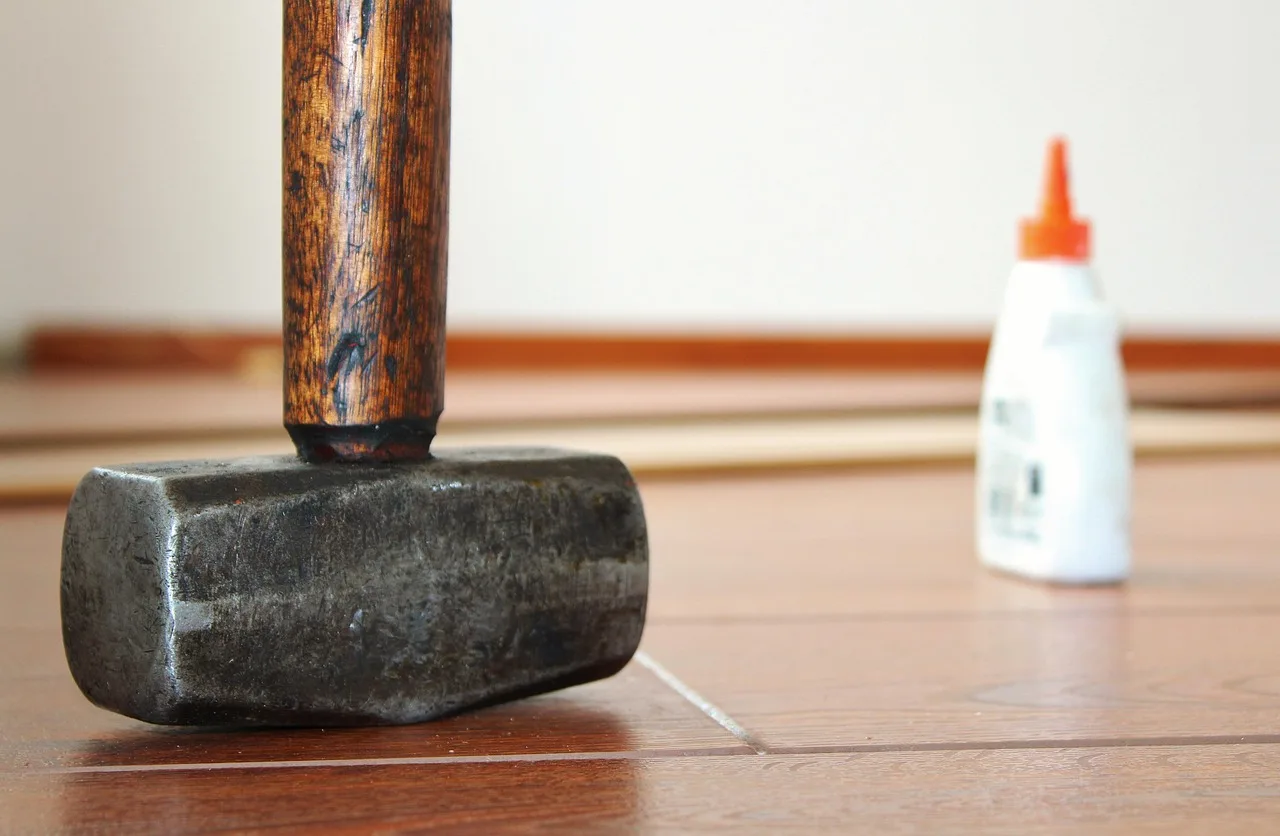


Wood glue is the umbrella term for adhesives made to bond wood. PVA wood glue is the common modern type in that group, and it is generally based on polyvinyl acetate, which is used in many yellow and white woodworking formulas. That naming mix-up is why the keyword keeps coming up in the first place.
For ordinary shop use, the distinction matters less than the repair goal. I use glue on frames and other wood parts, but the adhesive choice changes when a joint may need to come apart later, when a crack is too tight for good flow, or when an antique needs careful restoration.
| Factor | Wood Glue | PVA Glue: What’s the Real Difference | Winner |
|---|---|---|---|
| Definition / scope | Umbrella term for adhesives made to bond wood; can include hide glue and specialty formulas. | Polyvinyl acetate-based woodworking adhesive; the common modern type found in most yellow and white bottles. | Wood Glue |
| Best-fit use | Useful when the label matters more than the category, especially for reversible or specialty repair formulas. | Standard modern answer for permanent everyday joints, clamps, and routine repair. | PVA Glue: What’s the Real Difference |
| Future disassembly / reversibility | Can include reversible options such as hide glue; better when later removal may be needed. | Usually permanent once cured; disassembly may tear wood fibers or damage original parts. | Wood Glue |
| Furniture repair / restoration | Broader choice for antique and heirloom repair because it can include reversible adhesives. | Poor choice when later removal matters; best for ordinary furniture building. | Wood Glue |
| Crack filling / injection | Depends on the adhesive type; warmed hide glue can be injected into thin cracks with a syringe. | Works for some splits, but may not soak into the crack as well; do not assume it will rescue a narrow crack. | Wood Glue |
| Bond strength in normal shop use | Depends on the formula chosen. | Can give a bond as strong as the wood when the joint fits well, is clamped correctly, and fully dries. | PVA Glue: What’s the Real Difference |
| Cleanup and squeeze-out | Not specifically discussed as a general category. | Wipes well while wet, but hardened squeeze-out is tedious to remove around profiles and carved detail. | PVA Glue: What’s the Real Difference |
| Cost / availability | Category includes many products; the article does not give a single cost claim for all wood glues. | Inexpensive and easy to buy almost anywhere; most people use it the majority of the time. | PVA Glue: What’s the Real Difference |
| Maintenance / shelf life | No single shelf-life statement for the whole category. | Has a practical shelf life; old bottles that skin over or separate badly are best avoided for critical joints. | PVA Glue: What’s the Real Difference |
| Permanent bond vs later service | Can be chosen for reversible service work, or for permanent bonding depending on the specific adhesive. | Best when the joint should stay together forever; less suitable when later service is expected. | Tie |
What the table really says
Wood glue wins the naming contest because it is broader. PVA wins the everyday shop contest because it is the default chemistry in most yellow and white bottles and is strong enough for permanent bonds in ordinary woodworking.
The point is not just brand language. It is whether the joint should stay together forever, or whether someone may need to undo it later without tearing out fibers or damaging original parts.
How PVA wood glue behaves in real joints
PVA wood glue gives a bond as strong as the wood when the joint fits well, the parts are clamped correctly, and the glue has fully dried. That last part matters. A joint that feels tight in ten minutes can still fail if it is stressed before cure.
Cleanup is simple when the glue is still wet, and squeeze-out should be dealt with before it hardens in corners and carved detail. PVA also has a practical shelf life, so old bottles that skin over or separate badly are best avoided for critical joints.
Clamp time, dry time, and joint fit
Clamping is not a suggestion. It is part of the bond. A sloppy fit leaves a thicker glue line, and thicker glue lines are usually less reliable than tight wood-to-wood contact.
Full dry before stress is the safe rule. If the joint will carry load, move, or be planed soon after assembly, the repair can open or creep before the adhesive has done its job.
Cleanup, squeeze-out, and shelf life
PVA wipes well while wet, but hardened squeeze-out is tedious to remove around profiles and veneered edges. That is one reason it works best when the parts are dry-fitted first and clamping pressure is controlled.
Most people use PVA wood glue the majority of the time because it is inexpensive and easy to buy almost anywhere. That convenience is real, but it should not hide the limits of the formula.
Is PVA glue the same as wood glue?
Yes, often in casual conversation, but not in strict terms. PVA glue is a type of wood glue, while wood glue also includes other adhesives meant for timber work, including hide glue and some specialty formulas for exterior or repair use.
The label matters when the job has a long future. If the question is “what will hold this chair rail today,” PVA is fine. If the question is “how will this be taken apart in twenty years,” the broader category is more useful than the bottle color.
When the answer is yes
For a shelf, face frame, cabinet carcass, or trim repair where the parts should stay together, PVA and wood glue usually point to the same practical choice. PVA is the standard modern answer for permanent wood joints.
When the label matters more than the category
The label matters when the formula is reversible or intended for later service. A bottle marked wood glue may be a hide glue product, a PVA product, or another specialty adhesive, and those behave very differently after cure.
Interior and exterior PVA variants
Some PVA formulas are made for interior work, while others are built for exterior exposure. That changes moisture resistance and service life, but it does not change the core decision about reversibility: cured PVA still behaves like a permanent bond.
Why reversibility matters in furniture repair
Reversibility is the ability to take a joint apart later without destroying the wood around it. That matters in heirloom work, restoration, and any repair where a future person may need to replace a part, reglue a loose section, or correct a past mistake.
PVA gives a permanent bond, which is useful in ordinary furniture building. Hide glue is less permanent than PVA, and that lower permanence is exactly why restorers still use it for work that should come apart with care instead of force.
What happens when a glued joint needs to come apart
With PVA, the failure mode often becomes wood damage. The glue line can hold harder than the surrounding fibers, so disassembly may tear the part apart instead of releasing cleanly.
That is fine for a new table stretcher. It is a problem for a period chair or a drawer front that may need future service without losing original material.
Heirloom and restoration work
Hide glue is recommended more often for restoring antiques. That is not because it is “weak.” It is because it can be removed with vinegar and heat, which makes later correction, part replacement, and careful restoration far more manageable.
Hide glue: where it still beats PVA
Hide glue still matters because it gives repairers options later. Warmed hide glue becomes thinner, and that helps with difficult crack repairs where a thicker adhesive will sit on top of the split instead of entering it.
It also has a working style that suits detailed repair. Warming it lowers viscosity, gives more time for positioning, and lets it be injected into narrow openings with a syringe when the crack is thin enough to accept flow.
Heat and moisture removal
Hide glue can be removed with vinegar and heat. That matters in antique joints, where the goal is not only to stick wood together, but to preserve what is already there and allow future access.
That reversibility is the reason hide glue is still used on chairs, casework, and older instruments. In those jobs, a bond that can be undone cleanly is often the better bond.
Warm glue, longer working time, and injectability
Warmed hide glue can be injected into thin cracks with a syringe. In practice, that makes it useful where a split is narrow but long, and where the adhesive needs to reach deep into the opening before it sets.
PVA can also be injected, but may not soak into the crack as well. If the split is too tight, either adhesive may perform poorly unless the crack is opened slightly or the repair method is changed.
Decision matrix: which adhesive should you use?
This is the practical part. Match the adhesive to the project type, the need for future disassembly, the crack width, and how easily the repair area can be reached. A strong bond is not enough if the joint has to come apart later.
| Project type | Need for future disassembly | Crack width | Repair access | Best adhesive | Do not use PVA here |
|---|---|---|---|---|---|
| New furniture assembly | Low | Normal fitted joint | Good access | PVA wood glue | No |
| Loose chair joint on an old family chair | High | Normal fitted joint | Moderate | Hide glue | Yes |
| Thin crack in a decorative panel | Low to medium | Very narrow | Good if syringe access exists | Hide glue if reversibility matters; PVA if permanence matters | Maybe, if the crack is too tight for penetration |
| Antique frame or heirloom repair | High | Variable | Often limited | Hide glue | Yes |
| Permanent cabinet or frame joint | Low | Clean, tight fit | Good access | PVA wood glue | No |
Do not use PVA here
Do not use PVA on antique or heirloom joints that may need disassembly. Do not use it when the only reasonable repair path is future reversal, or when the piece may need to be taken apart for part replacement, finish work, or preservation.
Do not assume PVA will rescue a narrow crack just because it is a wood adhesive. If the split is too tight for flow, the repair can bridge poorly, leaving little real bond inside the crack.
Best pick by repair scenario
For a permanent everyday joint, PVA is the default. For restoration, hide glue is usually the better fit. For a crack that can be opened slightly and injected, either can work, but the choice should follow the need for future removal, not habit.
Choose PVA glue if… / Choose hide glue if…
Choose PVA glue if the joint is meant to stay together, the fit is good, clamping will be done correctly, and there is no real reason to expect future disassembly. Choose hide glue if the work is antique, heirloom, or serviceable later, or if you need a repair that can be reversed without tearing up the wood.
Choose PVA glue if…
Choose PVA glue if you are building new furniture, repairing a modern frame, bonding tight wood-to-wood joints, or doing ordinary shop work where permanence is the goal. It is strong enough for permanent bonds in ordinary woodworking and is the standard choice when reversibility is not needed.
Choose hide glue if…
Choose hide glue if the piece may need to come apart again, if it is an antique, or if the repair must be undone cleanly. Warmed hide glue can be thinner, can be injected into thin cracks with a syringe, and can be removed later with heat and vinegar.
Frequently asked questions
What is the difference between wood glue and PVA glue?
Wood glue is the broad category for adhesives used on wood, while PVA glue is the common modern chemistry inside many yellow and white wood glues. PVA is the default for permanent everyday joints, but the broader term also includes reversible options such as hide glue and other specialty formulas.
When should I use PVA glue on furniture repair?
Use PVA on furniture repair when the joint is meant to be permanent, the parts fit well, and you can clamp them properly until fully dry. It is a solid choice for modern furniture, frame work, and most ordinary repairs where future disassembly is not part of the plan.
Can you use wood glue on antiques or heirlooms?
Yes, but only if the specific wood glue is the right type. For antiques and heirlooms, hide glue is recommended more often because it can be removed with vinegar and heat. PVA is a poor choice when later disassembly or careful restoration may be needed.
Is wood glue stronger than PVA glue?
That question is too broad to answer cleanly. In ordinary fitted joints, PVA gives a bond as strong as the wood when clamped and fully dried. The right comparison is not raw strength alone; it is whether the adhesive matches the repair, the fit, and the need for future removal.
Can PVA glue be removed after it dries?
Usually not in any clean way. Once cured, PVA is meant to behave as a permanent bond, and removal often damages the wood fibers around it. That is why it is not the best choice for antique or heirloom joints that may need to be taken apart later.
Sponsored / affiliate links. As an Amazon Associate I earn from qualifying purchases. I may earn additional commission from eligible campaigns.