Can You Use 1/2 Inch Plywood for a Shed Floor
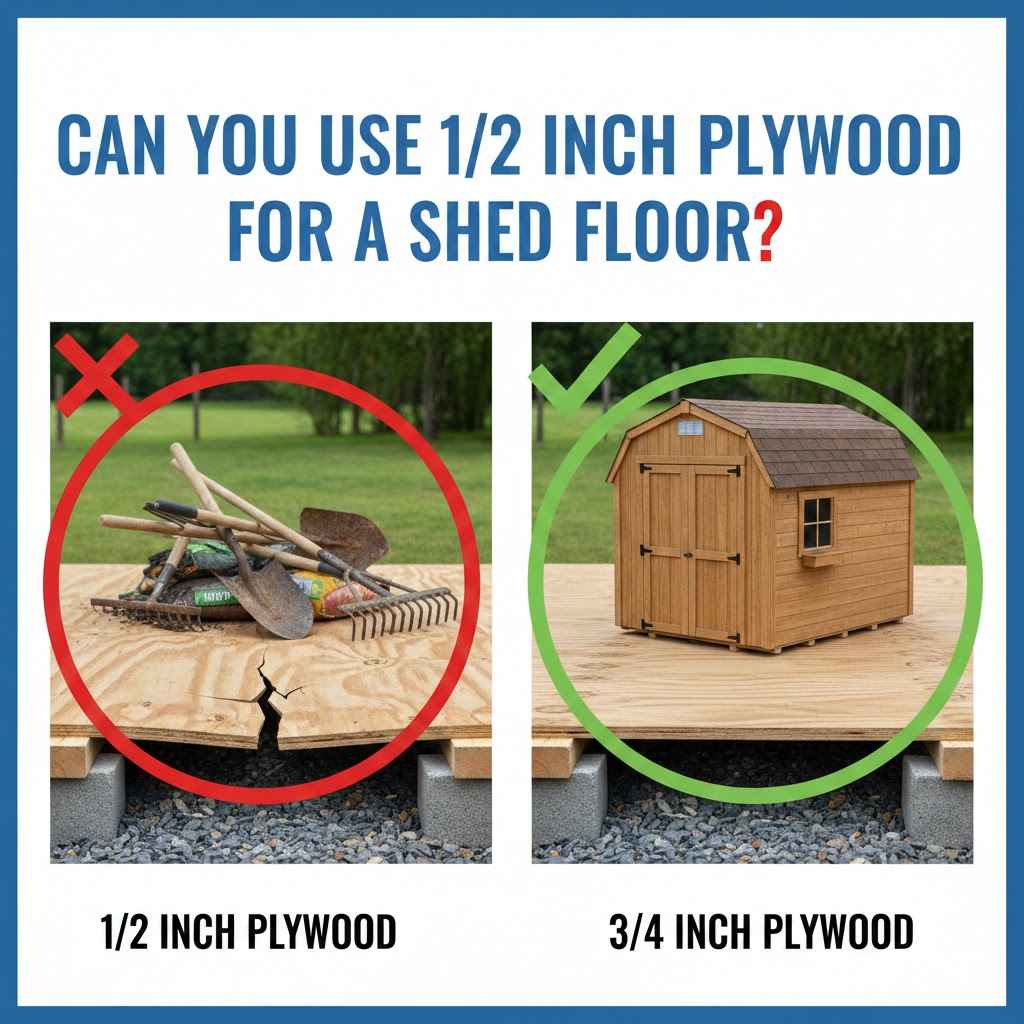
Many people building a shed wonder about the best materials. A common question that pops up for beginners is Can You Use 1/2 Inch Plywood for a Shed Floor? It seems simple, but getting it right keeps your shed sturdy for years. Don’t worry, we’ll break it down easily.
This guide will show you exactly what you need to know to make a smart choice for your shed floor.
Is 1/2 Inch Plywood Good For A Shed Floor
Deciding on the right thickness for your shed floor is important for its strength and how long it will last. Many people wonder if 1/2 inch plywood is strong enough for this job. This section will explore the general suitability of 1/2 inch plywood for shed floors, covering what it is and its basic properties.
We’ll look at why this thickness is often questioned by DIY builders.
What Is Plywood
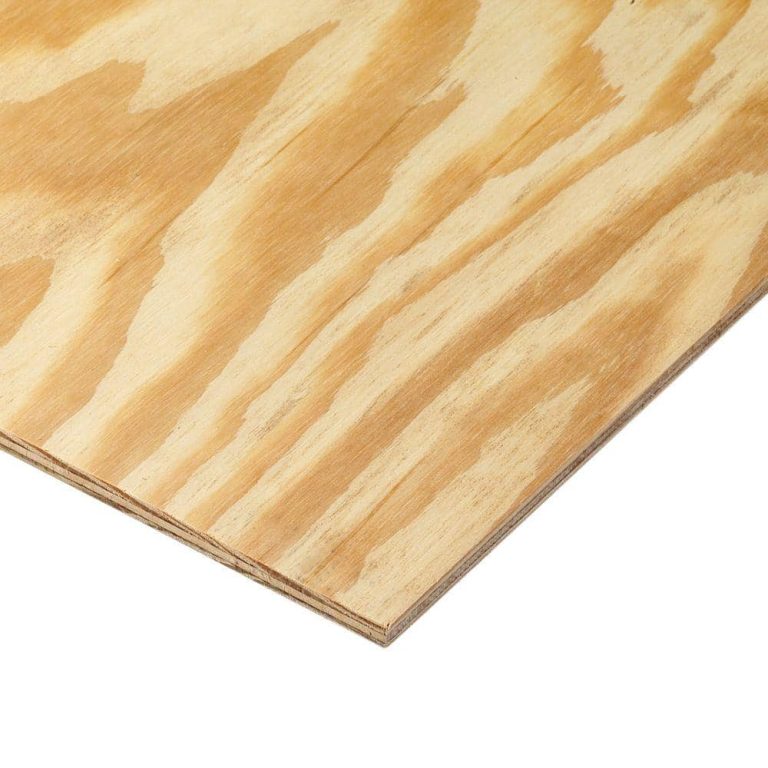
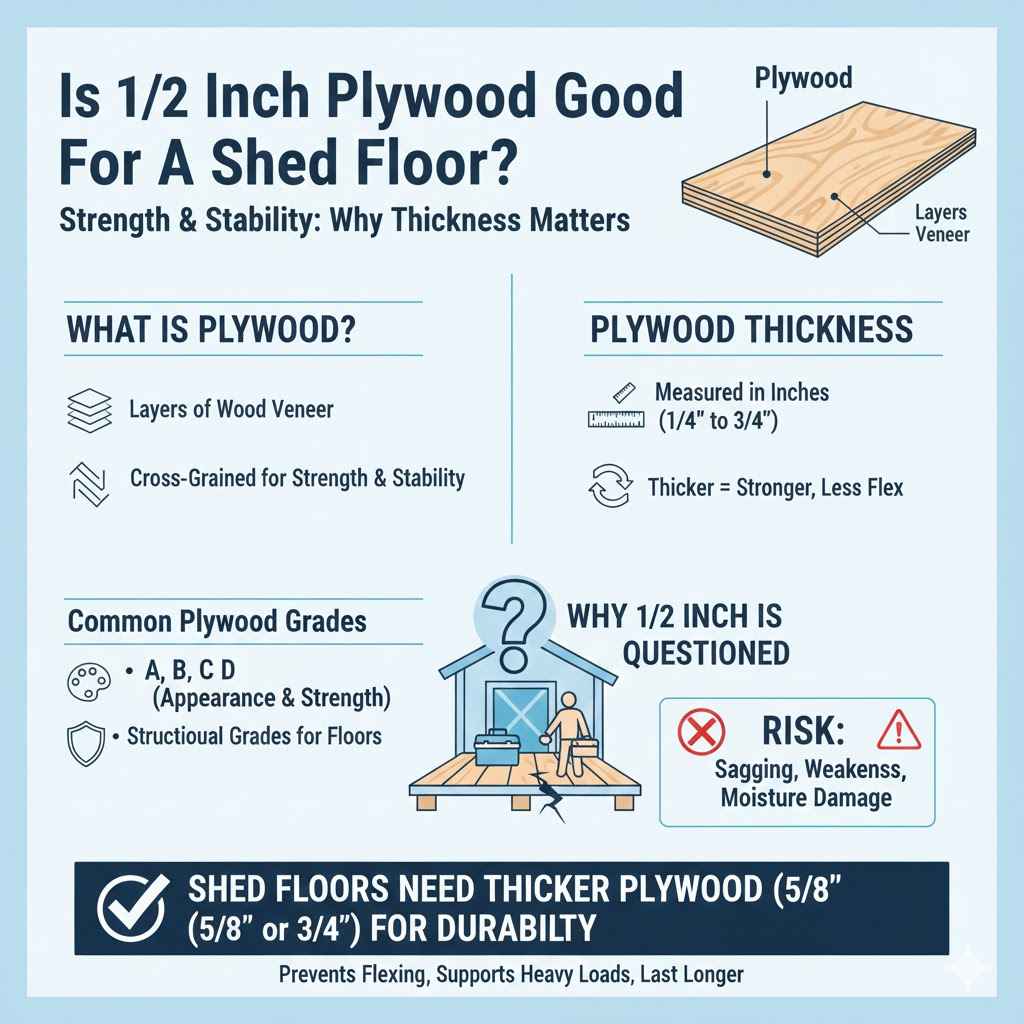
Plywood is a material made from thin layers of wood veneer. These layers are glued together with their wood grain running in different directions. This cross-graining makes plywood stronger and more stable than solid wood of the same thickness.
It helps prevent the wood from shrinking, swelling, or cracking.
The layers, called plies, are bonded together with strong adhesives under high pressure and heat. This process creates a strong sheet of material. The number of plies can vary, but typically there are at least three layers.
Each layer contributes to the overall strength and rigidity of the plywood sheet.
Common Plywood Grades
Plywood comes in different grades, which tell you about the quality of the wood and how it’s made. These grades affect its appearance and its strength. You’ll often see grades like A, B, C, and D.
‘A’ grade is the smoothest and has the fewest defects, while ‘D’ grade might have more knots and imperfections.
For structural uses like shed floors, the grade matters. Structural plywood needs to be strong and able to hold weight. You’ll often look for grades that are rated for construction or exterior use.
These grades are made with stronger glues and are tested for their load-bearing capabilities.
Understanding Plywood Thickness
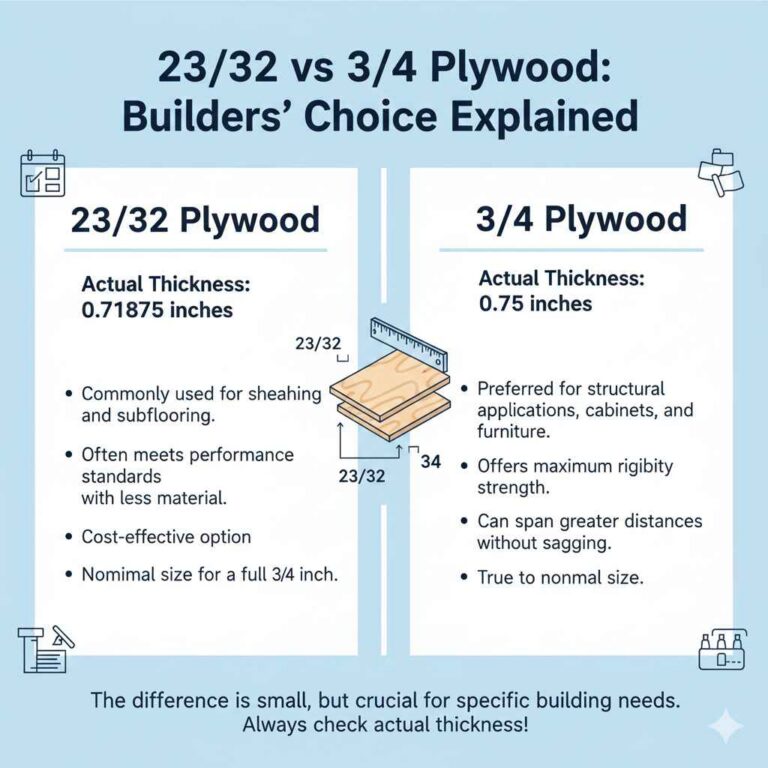
Plywood thickness is measured in inches. Common thicknesses include 1/4 inch, 3/8 inch, 1/2 inch, 5/8 inch, and 3/4 inch. The thickness chosen depends on the intended use of the plywood.
Thicker plywood is generally stronger and can support more weight.
The thickness affects how much the plywood will flex or bend under pressure. For a floor, you want something that is stiff and doesn’t bend too much when you walk on it or place items on it. This prevents the floor from feeling spongy or weak.
Why 1/2 Inch Is A Common Question
The question Can You Use 1/2 Inch Plywood for a Shed Floor? comes up often because 1/2 inch plywood is readily available and is a popular choice for many DIY projects. It’s a common thickness for sheathing walls or even some subfloors in houses. However, shed floors often face different challenges than house walls.
They might bear heavier loads, be exposed to more moisture, and experience more direct traffic.
Beginners might assume that if 1/2 inch plywood is used elsewhere, it’s good enough for a shed floor. But they might not consider the specific demands placed on a shed floor. This is where understanding the requirements becomes key to building a shed that lasts.
Can You Use 1/2 Inch Plywood for a Shed Floor Load Capacity
The most critical aspect of choosing materials for a shed floor is its ability to hold weight. This section will delve into the load-bearing capabilities of 1/2 inch plywood. We will explain how weight is distributed and what factors influence how much load a floor can safely support.
This will help you understand if 1/2 inch plywood meets those needs.
What Is Load Capacity
Load capacity refers to the maximum weight that a structure, like a shed floor, can safely hold. This includes the weight of anything stored in the shed, like tools, gardening equipment, or furniture. It also includes the weight of people walking on the floor.
Exceeding the load capacity can lead to bending, cracking, or even complete failure of the floor.
Engineers calculate load capacities based on many factors. These include the strength of the materials used, how they are supported, and the spacing between those supports. For shed floors, we often talk about uniform live loads and concentrated live loads.
Uniform loads are spread out evenly, while concentrated loads are focused in one spot.
Uniform vs. Concentrated Loads
A uniform live load is like the weight of snow evenly distributed on a roof or items spread out across the entire floor. A concentrated live load is like the weight of a single heavy object, such as a motorcycle, a large toolbox, or a person standing in one spot. Shed floors need to be strong enough to handle both types of loads safely.
When assessing if 1/2 inch plywood is suitable for a shed floor, we must consider how it will perform under these different types of weight. A floor that can handle a uniform load might struggle with a concentrated one if not properly supported.
Span Ratings For Plywood
Plywood often comes with span ratings. These ratings tell you the maximum distance between supports (joists) that the plywood can span safely. For example, a span rating of 24/16 means the plywood is designed to span 24 inches on center for floors and 16 inches on center for roofs.
The span rating is crucial because it directly relates to the load capacity. A shorter span between supports means the plywood doesn’t have to bend as much, so it can support more weight. Longer spans require thicker or stronger plywood to prevent excessive deflection.
Span Ratings And 1/2 Inch Plywood
For shed floors, 1/2 inch plywood is typically rated for shorter spans. If you’re using 1/2 inch plywood, your floor joists will need to be closer together. This means you’ll need more joists to build the floor frame.
For example, 1/2 inch plywood might be suitable for spans of 16 inches on center if it has a good structural grade. However, if the joists are spaced further apart, like 24 inches on center, it may not be strong enough.
This closer spacing of joists adds to the overall cost and labor of building the floor. It’s a trade-off for using a thinner plywood. Many shed plans recommend 5/8 inch or 3/4 inch plywood for more standard joist spacing, usually 16 or 24 inches on center, because it offers better strength and less flex.
Factors Affecting Strength
The strength of a plywood floor isn’t just about the thickness of the plywood itself. Several other factors play a big role. These include the type of wood used to make the plywood, the number of layers, the quality of the adhesive, and how the plywood is installed.
For shed floors, moisture is a big concern. Plywood that is not rated for exterior use can warp, swell, or even delaminate (layers separating) when exposed to moisture. This weakens the material significantly and compromises the floor’s ability to support weight.
Moisture Resistance
Moisture is the enemy of many building materials, and plywood is no exception. If your shed is in a damp climate, or if water can get under the floor, moisture can cause significant damage. Standard interior-grade plywood will not hold up well to prolonged exposure to dampness.
You need plywood that is specifically rated for exterior use or has been treated to resist moisture. Exterior-grade plywood uses waterproof glues. This means the layers are less likely to separate even when wet.
However, even exterior plywood is not completely waterproof and still needs protection.
A common statistic is that wood can lose up to 50% of its strength when its moisture content rises significantly. This highlights why choosing moisture-resistant materials is so vital for a durable shed floor.
Installation Techniques
How you install the plywood also affects its strength. Plywood sheets should be laid with their longest dimension perpendicular to the floor joists. This orientation allows the plywood to carry the load more effectively across the joists.
Proper fastening is also key. Screws are generally better than nails for securing plywood floors, as they provide a more consistent and stronger hold. The spacing of the screws or nails also matters.
Closer spacing means the plywood is more securely attached to the joists, reducing flexing.
When 1/2 Inch Plywood Might Be Suitable For A Shed Floor
While 1/2 inch plywood might not be the ideal choice for every shed floor, there are specific situations where it can work. This section will explore these scenarios. We’ll discuss the conditions and building practices that could make 1/2 inch plywood a viable option, focusing on smaller sheds and lighter loads.
Small, Lightweight Sheds
For very small sheds, like those used for storing a few gardening tools or lightweight items, 1/2 inch plywood might be sufficient. These sheds don’t experience heavy loads. Their smaller size means the spans between floor supports can be kept very short.
For example, a small garden shed that is only 4 feet by 6 feet might have joists spaced very close together, perhaps 12 inches on center. In such a case, 1/2 inch plywood could potentially provide adequate support. The key is that the weight it needs to carry is minimal.
Example Scenario 1 A Small Garden Shed
Imagine a compact garden shed, about 5 feet by 7 feet. It will only hold hand tools like trowels, a hose, and perhaps a small bag of soil. The owner plans to build the floor joists with a very close spacing, say every 12 inches.
The shed itself is lightweight, made from thinner framing lumber and siding.
In this specific case, 1/2 inch exterior-grade plywood, properly screwed down to closely spaced joists, might hold up. The total weight on the floor will be relatively low, and the frequent support will prevent excessive flexing. However, it’s still on the edge of what’s recommended for long-term durability.
Very Close Joist Spacing
The single biggest factor that can make 1/2 inch plywood work for a shed floor is extremely close joist spacing. If you plan to place your floor joists much closer than the standard 16 or 24 inches on center, the plywood doesn’t need to span as far.
For instance, if you were to install joists every 8 or 10 inches on center, the 1/2 inch plywood would be much better supported. This reduces the amount of bending or flexing the plywood experiences. It’s like adding more legs to a table; the weight is distributed over many more points.
Why Joist Spacing Matters So Much
The span of your floor joists is the distance between the points where they are supported, like where they meet the foundation or beams. When you place the plywood on top of these joists, it bridges these gaps. If the gaps are large, the plywood has to bend more to reach the next joist.
A larger span means more stress on the plywood. This stress can cause it to sag over time, even if it doesn’t break immediately. Very close joist spacing significantly reduces this stress, making thinner plywood more capable of handling loads.
Limited Storage Needs
If your shed is strictly for storing light items, like seasonal decorations, small hand tools, or cushions for outdoor furniture, the weight load will be low. You won’t be storing heavy machinery or large quantities of dense materials.
In such a case, the demands on the floor are minimal. It’s more about providing a surface to walk on and a base for light storage. The risk of overloading the floor is much lower, making 1/2 inch plywood a more conceivable option.
Example Scenario 2 Light Storage Shed
Consider a shed intended only for storing lightweight patio cushions, a garden hose, and a few small garden tools. The owner doesn’t plan on putting anything heavy like a lawnmower or a workbench inside. The shed itself is a small, pre-fabricated kit.
The manufacturer’s instructions might suggest 1/2 inch plywood if the frame members are closely spaced. In this scenario, the limited weight means the plywood is unlikely to fail. The primary function is to create a clean surface off the ground.
Using As A Second Layer (Underlayment)
One of the best ways to use 1/2 inch plywood for a shed floor is not as the primary structural layer, but as an underlayment. This means you would install a thicker, stronger plywood or OSB subfloor first, and then lay a sheet of 1/2 inch plywood on top of that.
This second layer provides a smoother surface, can add a bit of extra strength, and offers a good base for finishes like vinyl or paint. It’s a common practice in home construction to add a layer of 1/4 inch or 1/2 inch underlayment over the main subfloor.
Why Thicker Plywood Is Generally Recommended For Shed Floors
While there are limited scenarios where 1/2 inch plywood might function, thicker plywood is almost always the better choice for a shed floor. This section explains why. We will cover the advantages of using 5/8 inch or 3/4 inch plywood, focusing on durability, load capacity, and long-term performance.
Enhanced Strength and Durability
Thicker plywood, such as 5/8 inch or 3/4 inch, is inherently stronger. It has more wood material, more layers, and can resist bending and breaking much better than thinner sheets. This increased strength translates directly to greater durability for your shed floor.
A stronger floor will withstand the daily wear and tear of using the shed for a longer period. It is less likely to develop soft spots, cracks, or show signs of stress from heavy items being moved around.
Increased Load Bearing Capability
Thicker plywood can support significantly more weight. This is because it has a higher bending strength and stiffness. It can span longer distances between floor joists without excessive deflection.
For example, 3/4 inch plywood is often rated for spans of 24 inches on center for floors.
This allows for more flexibility in your floor framing design, often requiring fewer joists, which can save on material and labor costs for the frame itself. The floor will feel more solid underfoot, with less bounce or flex, even when fully loaded.
Consider this statistic: A 3/4 inch plywood floor supported at 16 inches on center can typically handle a uniform live load of over 100 pounds per square foot. In contrast, 1/2 inch plywood at the same spacing might only handle around 40-50 pounds per square foot before showing significant deflection.
Reduced Flexing and Sagging
One of the main complaints about floors built with thinner materials is the amount of flex. When you walk on a floor made from 1/2 inch plywood with wider joist spacing, you might feel it bounce or see it sag slightly. Over time, this flexing can weaken the material and cause it to crack.
Thicker plywood, like 5/8 inch or 3/4 inch, is much stiffer. It resists bending much more effectively. This results in a floor that feels solid and stable.
It also puts less stress on the fasteners and the joists themselves, contributing to the overall longevity of the shed.
Long-Term Performance
When you invest time and money into building a shed, you want it to last. Using thicker plywood for the floor is a key factor in ensuring its long-term performance. A floor built with 3/4 inch plywood is much more likely to remain structurally sound for decades.
It will handle changes in temperature and humidity better without developing issues. The investment in a slightly more expensive, thicker plywood upfront can save you from costly repairs or premature replacement down the line.
Better Moisture Resistance (When Using Appropriate Grades)
While thickness itself doesn’t guarantee moisture resistance, thicker plywood grades are often also available in exterior-rated or structural panel forms. These grades use waterproof adhesives and are manufactured to withstand the elements better.
Even with thicker plywood, it’s essential to use exterior-grade material and apply a protective finish or sealant. This ensures that the floor can handle potential moisture from rain, snowmelt, or condensation inside the shed.
Choosing The Right Plywood Grade For Sheds
For shed floors, you should always look for exterior-grade plywood. This is often marked with an ‘X’ or ‘EXT’ designation. Common structural panel grades include APA Rated Sturd-I-Floor or similar designations.
These are designed for subflooring applications and have superior strength and moisture resistance.
Even 1/2 inch plywood can be exterior grade, but its load-bearing capacity remains limited by its thickness. When opting for thicker plywood, you get the benefit of both increased thickness and often superior construction for demanding applications.
Easier Installation and Finishing
Thicker plywood can sometimes be easier to work with. It’s less prone to breaking or chipping during cutting and handling. Also, a stiffer floor makes applying finishes like paint or linoleum much smoother and more effective.
A well-supported, stiff floor is a better surface to work on. It feels more professional and less DIY-ish. This can enhance the overall look and feel of your shed, making it a more pleasant space to use and store your belongings.
Protecting Your Shed Floor
Regardless of the plywood thickness, protecting your shed floor is crucial for its longevity. After the floor is installed, you should apply a good quality sealant or exterior paint. This creates a barrier against moisture and spills, keeping the wood in good condition.
You can also consider adding a vapor barrier between the ground and the floor joists. This helps prevent moisture from rising up into the floor structure, which is especially important in areas with high humidity or damp soil.
Alternatives To Plywood For Shed Floors
While plywood is a very common choice, other materials can also be used for shed floors. This section will explore these alternatives. We’ll discuss their pros and cons, helping you make a well-informed decision beyond just plywood options.
OSB (Oriented Strand Board)
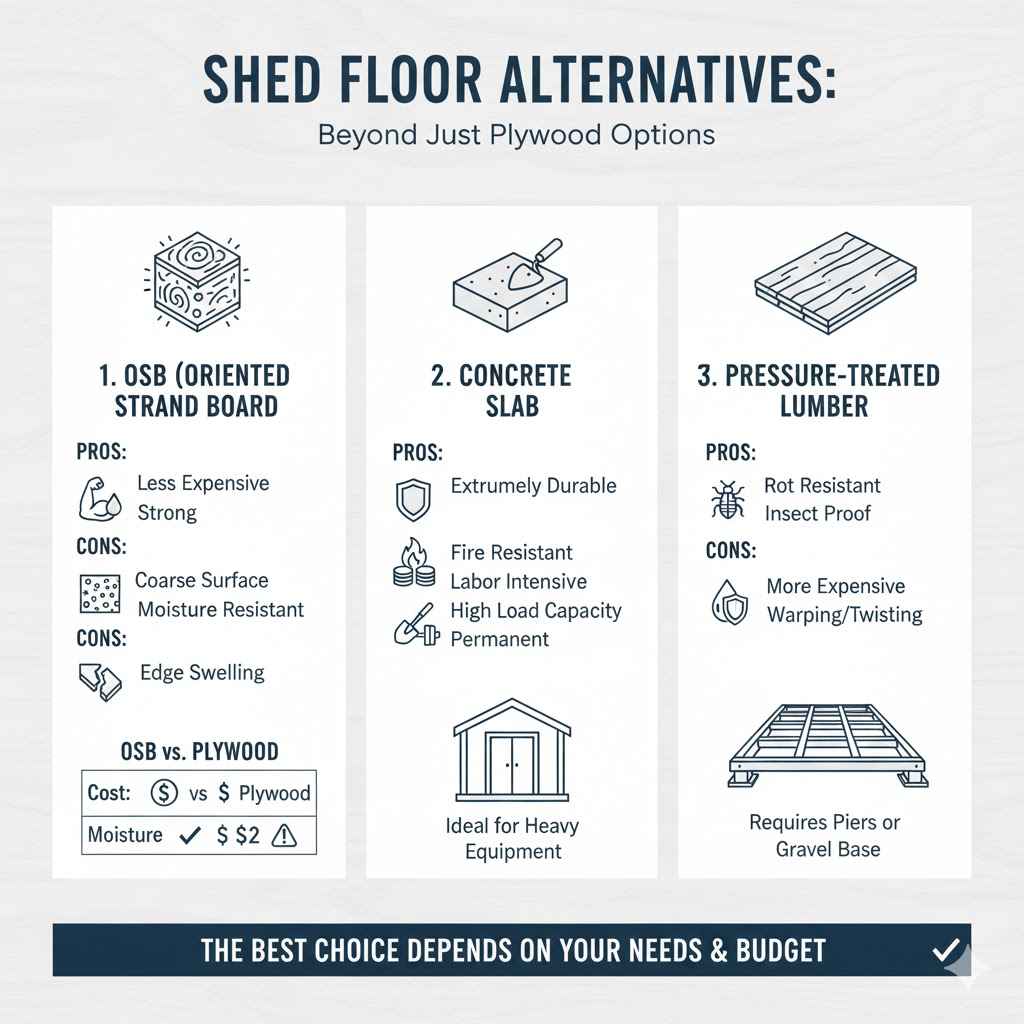
OSB is another popular engineered wood product. It’s made from strands of wood that are glued together in layers, with the strands oriented in different directions. OSB is often less expensive than plywood and can be very strong, especially in thicker dimensions.
For shed floors, 5/8 inch or 3/4 inch OSB is commonly used. Like plywood, it’s important to choose an exterior-grade OSB designed for subflooring applications. It provides excellent strength and stiffness when properly supported.
Comparison: OSB vs. Plywood
Here’s a quick look at how they stack up:
| Feature | Plywood | OSB |
|---|---|---|
| Strength | Generally stronger and more stable, especially in thinner grades. Layers add stiffness. | Can be as strong or stronger than plywood in thicker grades. Less prone to delamination from moisture. |
| Cost | Typically more expensive. | Usually less expensive, offering good value. |
| Moisture Resistance | Exterior grades use waterproof glue. Can swell more if edge is exposed. | Excellent moisture resistance. Less likely to swell uniformly. Edges can be more susceptible if not sealed. |
| Installation | Can be easier to cut and handle. Less likely to break. | Can be heavier. Edges may be more prone to damage during transport. |
| Appearance | Smoother surface, fewer voids. | More coarse and textured surface. |
Both OSB and plywood are excellent choices for shed floors when used in appropriate thicknesses and grades. The decision often comes down to cost, availability, and personal preference.
Concrete Slab
For many, a concrete slab is the ultimate shed floor. It’s extremely durable, fire-resistant, and offers excellent load-bearing capacity. It also provides a solid, level surface that is easy to clean and maintain.
However, pouring a concrete slab is a more involved process than building a wood frame floor. It requires excavation, formwork, and knowledge of concrete mixing and pouring. It is also a permanent foundation, so you cannot easily move or relocate the shed later.
Pros and Cons of Concrete Slabs
Pros include unparalleled durability, pest resistance, and fire resistance. It provides a very stable and strong base. Cons include higher upfront cost, labor intensity, and permanence.
It can also be colder and harder underfoot compared to wood floors.
If your shed will house very heavy equipment or you want maximum longevity and security, a concrete slab is a top-tier option. It negates any concerns about wood rot or insect damage to the floor structure itself.
Pressure-Treated Lumber Floor
Instead of a plywood or OSB surface, you could build a floor entirely out of pressure-treated lumber joists and decking boards. This creates a very durable and moisture-resistant floor, especially if the lumber is rated for ground contact.
This method is common for decks and porches. For a shed floor, it offers excellent resistance to rot and insects. You would still need a solid foundation or base to support these joists, such as concrete piers or a gravel base.
Advantages of Pressure-Treated Lumber
The main advantage is its resistance to decay and insect infestation. This makes it ideal for structures exposed to the elements or ground moisture. Pressure-treated lumber is also relatively strong and stable.
The disadvantage is that it can be more expensive than standard lumber and may warp or twist more as it dries. It also requires proper handling and disposal due to the chemicals used in treatment.
Frequently Asked Questions
Question: Can 1/2 inch plywood be used for any part of a shed floor?
Answer: Yes, 1/2 inch plywood can be used as a second layer over a stronger subfloor, acting as an underlayment. For the primary floor structure, it’s best suited for very small sheds with very close joist spacing and light loads.
Question: What is the minimum recommended thickness for a shed floor plywood?
Answer: For most typical sheds with standard joist spacing (16-24 inches on center), 5/8 inch or 3/4 inch exterior-grade plywood is generally recommended for adequate strength and durability.
Question: Does exterior grade 1/2 inch plywood make a big difference?
Answer: Yes, exterior grade 1/2 inch plywood uses waterproof glues and is more resistant to moisture than interior grade. However, its thickness still limits its load-bearing capacity for floor structures.
Question: How close do floor joists need to be if I want to use 1/2 inch plywood?
Answer: To safely support loads with 1/2 inch plywood, you might need to space joists as close as 8 to 12 inches on center. This is much closer than the typical 16 or 24 inches.
Question: Will 1/2 inch plywood for a shed floor get damaged by rain?
Answer: Exterior grade 1/2 inch plywood is resistant to moisture, but prolonged exposure to water can still cause damage, swelling, or delamination. Sealing and protecting the floor is always necessary.
Summary
In short, while Can You Use 1/2 Inch Plywood for a Shed Floor? has some limited applications for small sheds with very close supports, it’s generally not the best choice for most projects. Opting for thicker 5/8 inch or 3/4 inch plywood provides much better strength, durability, and longevity for your shed floor. Always choose exterior-grade materials and protect your floor with sealant for the best results.