Can You Use Citristrip on Veneer? Yes, With These Limits
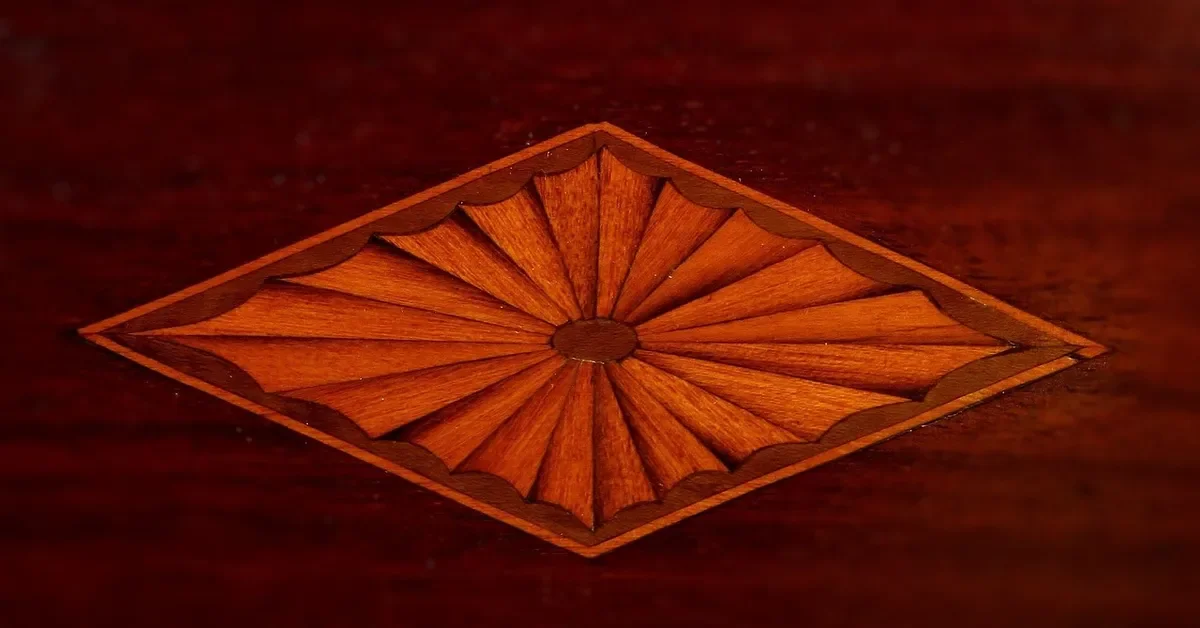
Yes, Citristrip can strip real wood veneer, but only if the veneer is tightly bonded and you keep the gel and moisture on it for as little time as possible. The bigger risk is the thin veneer layer and its glue, not the stripper’s strength. Skip it on lifting veneer and on laminate. This guide covers what the safety data sheet says, a veneer go/no-go table, and a test-first method.
Can You Use Citristrip on Veneer?
Best Citristrip Gel Pick
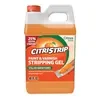 |
Citristrip Paint & Varnish Stripping Gel (40 oz), about $16.85 The gel this article is about. Its data sheet lists no methylene chloride or NMP, and its label window runs from 30 minutes to 24 hours, so you can test-scrape early instead of committing to a long soak.
|
Yes, with limits. Citristrip’s label lists wood, metal, and masonry surfaces, and the manufacturer’s product page says to test an inconspicuous spot before using it on any synthetic surface. Neither the product page nor the data sheet I read mentions veneer at all, so there is no manufacturer approval or ban to lean on. What follows combines the data sheet, the label directions, and what hobbyist refinishers report on woodworking forums. It is reasoning, not lab testing. For general method, see our guide on how to use Citristrip stripping gel.
What Citristrip Actually Is, According to Its Safety Data Sheet
Most articles call Citristrip gentle, safe, or non-toxic. The W.M. Barr safety data sheet (revision dated 09/27/2022) tells a more careful story. It is a low-fume product, but it is not harmless, and some of its properties matter directly for veneer.
| Item | What the data sheet says |
|---|---|
| Main ingredient | Benzyl alcohol, 30 to 60 percent |
| Other listed ingredients | Diethylene glycol monobutyl ether (5 to 10 percent), 2-(2-aminoethoxy)ethanol (3 to 7 percent), mineral spirits (1 to 5 percent), plus under 1 percent each of terpinolene, d-limonene, and an ethoxylated alcohol |
| Methylene chloride or NMP | Neither appears in the ingredient list |
| pH | 10.5 to 11 (alkaline) |
| Water solubility | Appreciable |
| Flash point | Above 200 F (listed as non-combustible) |
| Signal word and hazards | Danger. Causes severe skin burns and eye damage (H314), may cause an allergic skin reaction (H317), harmful if inhaled or swallowed |
| Handling | Gloves, protective clothing, and chemical goggles; use only outdoors or in a well-ventilated area; store locked up |
| First aid | Flush skin or eyes with water for at least 15 minutes; do not induce vomiting if swallowed |
Two corrections follow from this. First, “gentle” describes the fumes, not the chemistry: the sheet classes it as corrosive to skin and eyes, so gloves and goggles are not optional. Second, some older articles say Citristrip contains NMP. The current sheet lists none, though formulas change over time, so read the sheet for the bottle you actually own.
The properties that matter for veneer are the alkaline pH and the water solubility. Veneer is a thin wood skin held down by glue, and woodworkers report that moisture is what loosens old glue lines. I would treat a wet, alkaline, water-soluble gel as moisture exposure and keep it on the surface only as long as needed. That is my inference from the sheet, not a statement from the manufacturer.
Why Veneer Is Riskier Than Solid Wood
On solid wood a stripper only has to worry about the finish. On veneer it has three other jobs to avoid:
- Softening the glue. Hobbyists on woodworking forums say hide glue in particular reacts to water and steam, and that a stripper is unlikely to hurt veneer unless it stays wet long enough to soak the glue line loose.
- Blistering or lifting. Veneer that is already loose can lift further once liquid gets under an edge. One refinisher on a forum thread advised making sure veneer is already tight, with no delamination, before stripping.
- Sanding through. Veneer thickness varies a lot. One forum project described a bent piece of walnut veneer at 3/16 inch, while a woodworker on another thread found antique veneer so thin that the layer beneath showed through after sanding. Since you cannot see the thickness, assume it is thin.
Veneer Go or No-Go Table
| Your veneer | Citristrip? | Why |
|---|---|---|
| Real wood veneer, tight, edges sealed, no bubbles | Yes, test first | Standard case. Work small sections and limit dwell time. |
| Real wood veneer with bubbles, lifted corners, or cracks | No, repair first | Liquid can get under loose areas and stripping will not fix a failed bond. |
| Old veneer, probably hide glue (antique pieces) | Cautious yes, or another method | Glue is moisture-reversible, so a long wet soak is the risk. |
| Thin modern veneer on MDF or particleboard | Yes, minimal dwell | Substrate is the weak point: bare MDF swells if it gets soaked. |
| Laminate, melamine, vinyl wrap, or foil that only looks like wood | No, or test hidden spot only | These are synthetic. The manufacturer says to test synthetics first. |
| Paper-thin peel-and-stick veneer | No | Adhesive backing and paper layers are easy to ruin. |
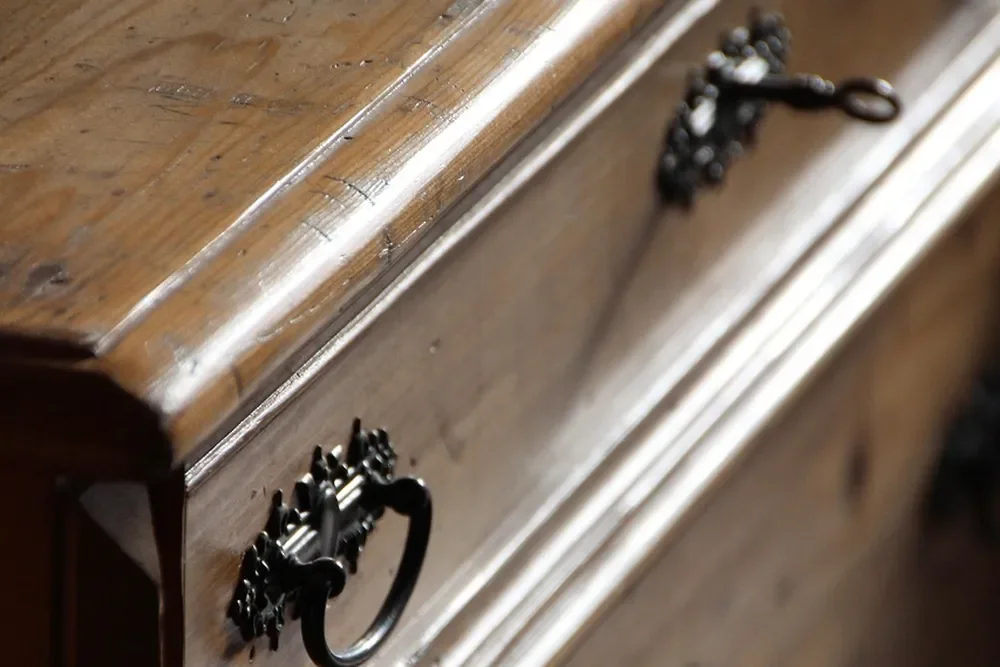
Not sure whether you have real veneer? Look at the edge of a drawer front or the underside of a top. Real veneer shows a thin layer of grain over a different core, and the grain pattern usually wraps across the edge. A printed laminate repeats the same pattern and looks like a coating.
How to Strip Veneer With Citristrip, Step by Step
- Work outdoors or with strong airflow, and wear gloves and goggles. The data sheet calls for protective gloves, clothing, and eye protection, and use only outdoors or in a well-ventilated area.
- Check the bond. Press along edges and corners with a fingertip. If anything moves, clicks, or lifts, stop and glue it down first.
- Test a hidden spot. Use the underside of a top or the inside of a door. Pour some gel into a metal container, brush on a coat, and wait the 30-minute minimum on the label before trying a small scrape.
- Apply to one section at a time. The label lets the gel work for up to 24 hours, but on veneer I would use the short end of that range and re-coat if needed, rather than covering the whole piece and walking away. That is my recommendation, not label text.
- Scrape gently with a plastic tool, in the direction of the grain. The label directions call for a plastic stripping tool, and that matters even more on veneer, since a metal blade can gouge through a thin face.
- Wipe residue with mineral spirits, not a wet rag. One tutorial author used mineral spirits and steel wool for cleanup. On veneer, I would use a soft cloth or a fine synthetic pad rather than steel wool, since forum posters report rust spots from stray steel fibers.
- Let it dry completely before sanding. Then sand lightly by hand with fine grit. For grit choices see our guide on what grit removes varnish.
What to Do After Stripping
Cleanup and neutralizing is its own topic, and we cover it in detail in our article on how to neutralize Citristrip. The short version for veneer is to keep everything you use dry or nearly dry. If you also need general leftover-gel removal, see how to remove Citristrip.
If Citristrip is not the right fit for your piece, hobbyist forum posters commonly suggest a semi-paste stripper or denatured alcohol for veneer, and our broader guide on stripping finish from wood compares chemical, heat, and sanding methods.
Common Mistakes to Avoid
- Covering the whole piece and leaving it for 24 hours. The label allows it, but the veneer glue line does not care what the label allows.
- Pouring or flooding it on. A thick brushed coat clings; extra liquid runs into seams and edges.
- Ignoring the substrate. Bare particleboard or MDF edges soak up liquid quickly.
- Using a metal scraper. It can dig through a thin face layer.
- Skipping the test spot. The label and data sheet say nothing specific about veneer, so your own hidden-spot test is the only real evidence you have.
Frequently Asked Questions About Citristrip on Veneer
Can Citristrip be used on veneer furniture?
Yes, on real wood veneer that is tightly bonded. Test a hidden spot first, work one section at a time, and keep the gel on for as short a time as it takes to release the finish. Do not use it on veneer that is bubbling or lifting.
Will Citristrip damage veneer glue?
The data sheet lists the gel as alkaline (pH 10.5 to 11) and appreciably soluble in water, and refinishers report that moisture can loosen old glue, especially hide glue. There is no manufacturer test on this, so limit dwell time and avoid soaking.
Is Citristrip safe to use indoors?
It is marketed for indoor use with a citrus scent, but the safety data sheet classes it as causing severe skin burns and eye damage and asks for use outdoors or in a well-ventilated area. Wear gloves and goggles either way.
Does Citristrip contain NMP or methylene chloride?
The current W.M. Barr data sheet, revision dated 09/27/2022, lists neither. Its main ingredient is benzyl alcohol. Formulas can change, so check the data sheet for your specific bottle.
Conclusion
Citristrip can work on real veneer when the bond is sound and you respect the risks: test a hidden spot, strip in small sections, use a plastic scraper, and keep moisture minimal. Its safety data sheet describes a corrosive product, so protect your skin and eyes. When the veneer is loose or synthetic, choose another route.
Sponsored / affiliate links. As an Amazon Associate I earn from qualifying purchases. I may earn additional commission from eligible campaigns.